Vape Culture in Europe: A Trend Analysis
Introduction
Vape Culture in Europe: A Trend Analysis explores how vaping has become a visible part of modern consumer culture. Across European countries, vaping has developed into a diverse market. It combines technology, personal preferences, social influences, and changing attitudes towards nicotine products.
However, the European vaping landscape is not the same everywhere. Each country has different regulations, consumer expectations, and market conditions. Meanwhile, product innovation and digital media continue influencing public conversations.
Understanding Vape Culture in Europe: A Trend Analysis requires looking beyond products. It also involves examining social perceptions, public health discussions, lifestyle marketing, and regulatory developments. These factors help explain how the European market continues changing.
Understanding Vape Culture in Europe: A Trend Analysis
Vaping culture in Europe has developed alongside wider changes in consumer behaviour. Different communities discuss vaping through lifestyle, technology, and harm-reduction perspectives.
Some consumers view vaping as an alternative to traditional cigarettes. Others focus on product design, flavours, and device technology. Nevertheless, vaping is not risk-free, particularly for people who do not already smoke.
European markets also differ considerably. Consumer preferences in the United Kingdom may not reflect those in Germany, France, Italy, or Spain.

Furthermore, local legislation influences which products manufacturers can sell. Consequently, understanding regional differences is essential when analysing the European vaping industry.
The Evolution of European Vaping Trends
From Basic Devices to Modern Technology
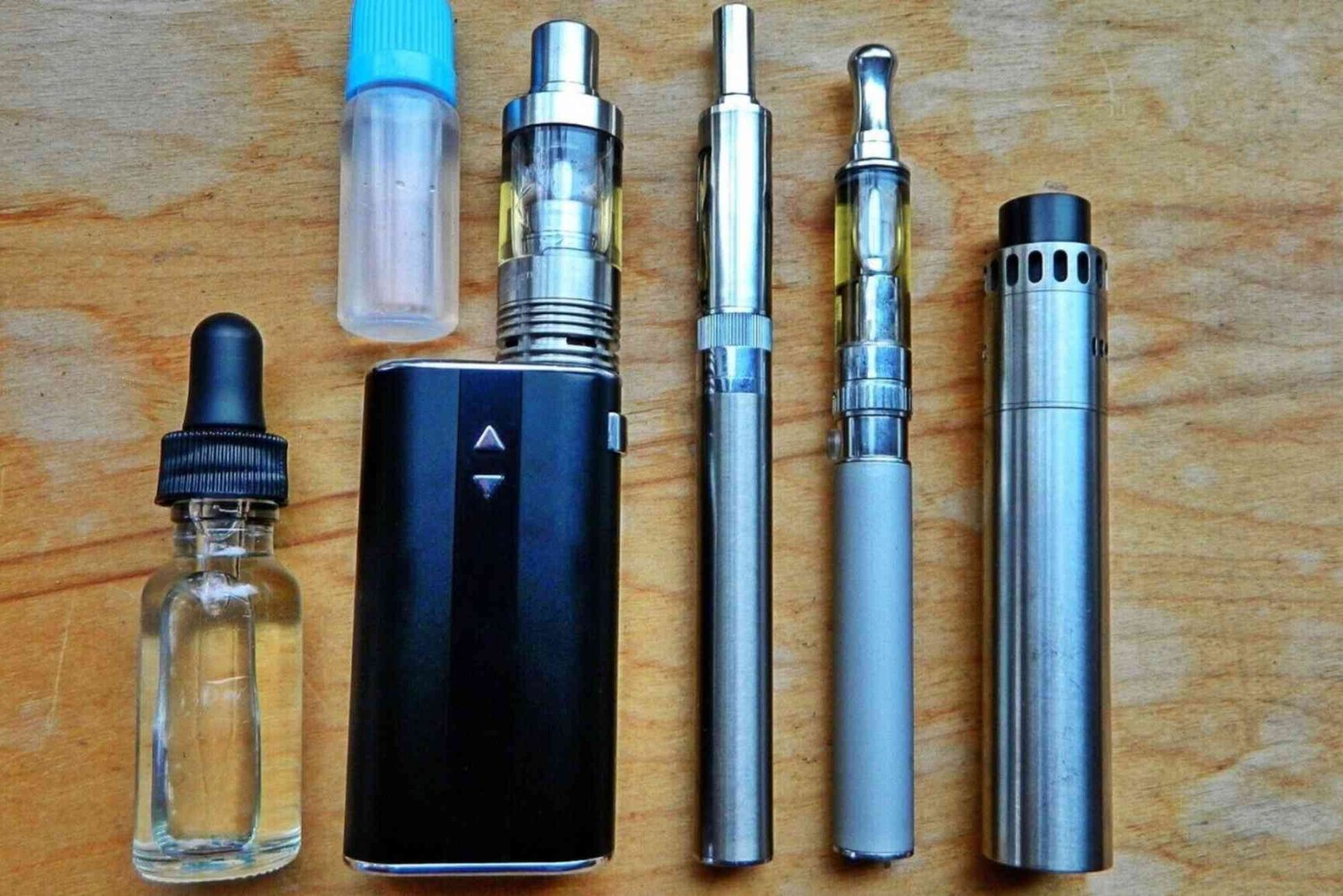
The European vaping market has experienced significant technological development. Early devices generally offered straightforward functionality. Modern products can include rechargeable batteries, adjustable settings, and improved safety features.
Manufacturers have also explored compact designs and more convenient charging systems. However, product innovation must operate within applicable European safety requirements.
This technological development has influenced how consumers evaluate vaping products. Device reliability, manufacturing quality, and transparent product information increasingly matter.
Changing Consumer Expectations
Consumer expectations have changed alongside product development. People increasingly discuss product quality, reliability, and regulatory compliance.
In addition, online communities influence conversations about different devices. Reviews and discussions can introduce consumers to emerging technologies.
However, marketing claims should never replace independent safety information. Responsible communication remains important throughout the industry.
The Influence of Social Media on Vape Culture in Europe
Social media has changed how people encounter vaping-related information. Platforms provide spaces for product discussions, industry announcements, and public health conversations.
Online communities also allow users to exchange opinions about product quality and changing regulations. Consequently, digital communication has become an important part of the European vaping landscape.
However, social media creates challenges. Promotional content can reach younger audiences, including people who have never smoked.
European regulators increasingly consider how online advertising influences consumer behaviour. Age restrictions and advertising rules therefore remain important considerations.
The wider discussion also connects with culture and community trend coverage, particularly when examining how digital communities influence consumer attitudes and lifestyle conversations.
Regional Differences Across European Markets
Vape Culture in Europe: A Trend Analysis highlights considerable differences between national markets. European countries share certain regulatory frameworks, but national policies can vary.
The following table provides a general overview of important regional characteristics.
|
European market |
Key market characteristics |
Important considerations |
|---|---|---|
|
United Kingdom |
Established vaping market and strong public discussion |
Product regulation and public health guidance |
|
Germany |
Large consumer market and evolving regulations |
Taxation and product compliance |
|
France |
Strong tobacco-control discussions |
Advertising restrictions and public health |
|
Italy |
Established retail distribution |
National tax and sales requirements |
|
Spain |
Changing consumer preferences |
Advertising and retail regulations |
|
Netherlands |
Strict regulatory approach |
Flavour and marketing restrictions |
These observations are broad market characteristics, not fixed descriptions of every consumer.
Moreover, regulations can change. Businesses should check current national requirements before entering individual European markets.
The Role of Fashion and Lifestyle in Vape Culture
Lifestyle influences have contributed to the visibility of vaping in popular culture. Product design, personal identity, and everyday consumer trends often appear in discussions surrounding vaping.
Some brands have emphasised modern packaging and compact devices. Others focus on technology and product convenience.
Nevertheless, lifestyle marketing raises important ethical questions. Vaping products should not be presented as fashion accessories or symbols of social status.
This is particularly important when marketing could appeal to teenagers or young adults. Responsible communication should avoid glamourising nicotine consumption.
Technology and Innovation in the European Vaping Industry
Technology remains an important factor in the development of vaping products. Manufacturers continue exploring improved batteries, charging systems, and device construction.
Product Safety and Quality
Product safety is essential for consumer protection. Reliable manufacturing processes help reduce defects and improve consistency.
European regulations establish requirements for applicable vaping products. These include restrictions concerning nicotine concentration, container capacity, labelling, and product notification.
Sustainability and Environmental Concerns
Environmental responsibility has become another important industry discussion. Disposable vaping products create waste through batteries, plastics, and electronic components.
Consequently, recycling and responsible disposal deserve greater attention.
Manufacturers can also explore more durable designs and improved material management. However, sustainability claims should be supported by measurable evidence.
European Regulations and Their Influence on Vape Culture
Regulation plays a major role in shaping Vape Culture in Europe: A Trend Analysis.
The European Union’s Tobacco Products Directive provides an important regulatory framework. It establishes requirements for electronic cigarettes and related products.
For example, nicotine-containing e-liquids are subject to concentration limits. Refill containers and cartridges also have capacity restrictions.
Additionally, manufacturers must follow notification and labelling requirements.
Individual countries can introduce further restrictions. These may involve advertising, flavours, taxation, retail sales, and public vaping locations.
Public health remains central to these discussions. Health authorities generally advise non-smokers and young people against starting vaping.
Key Factors Shaping Vape Culture in Europe
The following table summarises major influences on the European vaping landscape.
|
Influencing factor |
Impact on the market |
Future consideration |
|---|---|---|
|
Technology |
Changes device functionality |
Safety and reliability |
|
Social media |
Influences public conversations |
Responsible communication |
|
Regulation |
Determines product requirements |
Legal compliance |
|
Consumer awareness |
Shapes purchasing decisions |
Accurate information |
|
Sustainability |
Highlights environmental concerns |
Waste reduction |
|
Public health |
Influences social attitudes |
Evidence-based policies |
Together, these factors demonstrate why European vaping trends cannot be understood through consumer demand alone.
Future Outlook for Vape Culture in Europe
The future of European vaping culture will depend on several developments. Regulatory changes will remain particularly influential.
Governments are likely to continue reviewing product standards and marketing practices. Public health research will also contribute to policy discussions.
Furthermore, environmental concerns may encourage manufacturers to reconsider product design. Waste reduction and battery recycling could become increasingly important industry priorities.
Technology will also influence market development. However, innovation must remain consistent with consumer safety and legal requirements.
Businesses operating in Europe should therefore monitor national regulations closely. They must also prioritise transparent information and responsible commercial practices.
Frequently Asked Questions About Vape Culture in Europe
What is the vaping culture in Europe?
Vaping culture in Europe refers to the social, commercial, and consumer trends surrounding electronic cigarettes. It includes product preferences, technology, public discussions, and national regulations. However, attitudes differ considerably between European countries.
Is vaping popular in European countries?
Vaping is established in several European markets, although participation differs by country and age group. National surveys and public health reports provide more reliable information than social media popularity.
Which European country has the largest vaping market?
The answer depends on the measurement used. Market size can refer to sales revenue, consumer numbers, or retail distribution. The United Kingdom, Germany, France, and other European markets are important participants.
Is vaping legal across Europe?
Vaping is not governed by one identical set of national rules. EU legislation establishes common requirements, while individual countries can introduce additional restrictions. Consumers and businesses should check local laws.
What are the latest trends in European vaping?
Important industry developments include product regulation, environmental concerns, technological improvements, and changing consumer awareness. However, trends differ across individual countries.
How does social media influence vape culture?
Social media spreads product information and shapes public conversations. It also creates concerns about youth exposure and irresponsible promotion. Therefore, responsible communication and advertising compliance are essential.
Is vaping safer than smoking?
Vaping is not harmless. Health authorities generally advise non-smokers against starting. For adults who smoke, completely switching from cigarettes to regulated vaping products may reduce exposure to certain harmful substances. However, stopping nicotine use remains an important health goal.
tryvape5.com is an online platform focused on vape-related products, information, and resources. Visitors can explore different vaping options, learn about product features, and compare available choices. As vaping regulations and product availability can vary by location, users should always review local laws and purchase responsibly from legitimate sources.
Conclusion
Vape Culture in Europe: A Trend Analysis demonstrates how technology, consumer behaviour, regulation, and public health influence a changing industry.
European vaping markets continue developing differently. National regulations and cultural attitudes create distinct challenges for manufacturers and retailers.
Meanwhile, sustainability and responsible communication remain important priorities. Understanding these developments helps businesses and readers make informed decisions.
As the industry evolves, accurate information and regulatory awareness will become increasingly valuable.
Stay informed about European vaping developments, follow responsible industry practices, and explore reliable culture and community trend coverage to understand the changing consumer landscape.