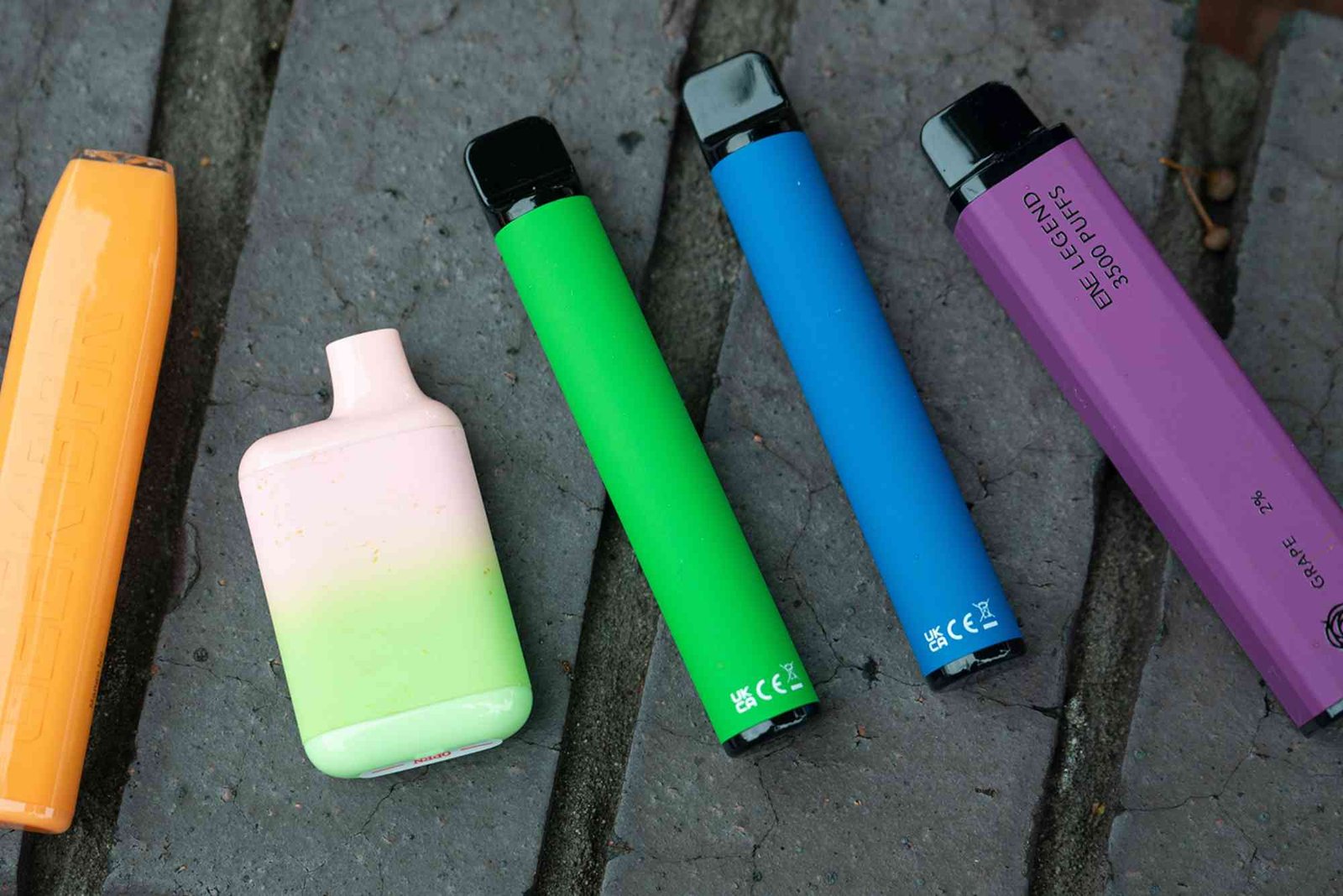
The Spiritual Side of Vaping: Rituals and Mindfulness
Introduction
The Spiritual Side of Vaping: Rituals and Mindfulness explores an interesting connection between modern lifestyle habits and personal reflection. Spirituality often involves finding moments of peace, developing awareness, and understanding personal experiences. Meanwhile, everyday routines can provide opportunities to slow down and reflect.
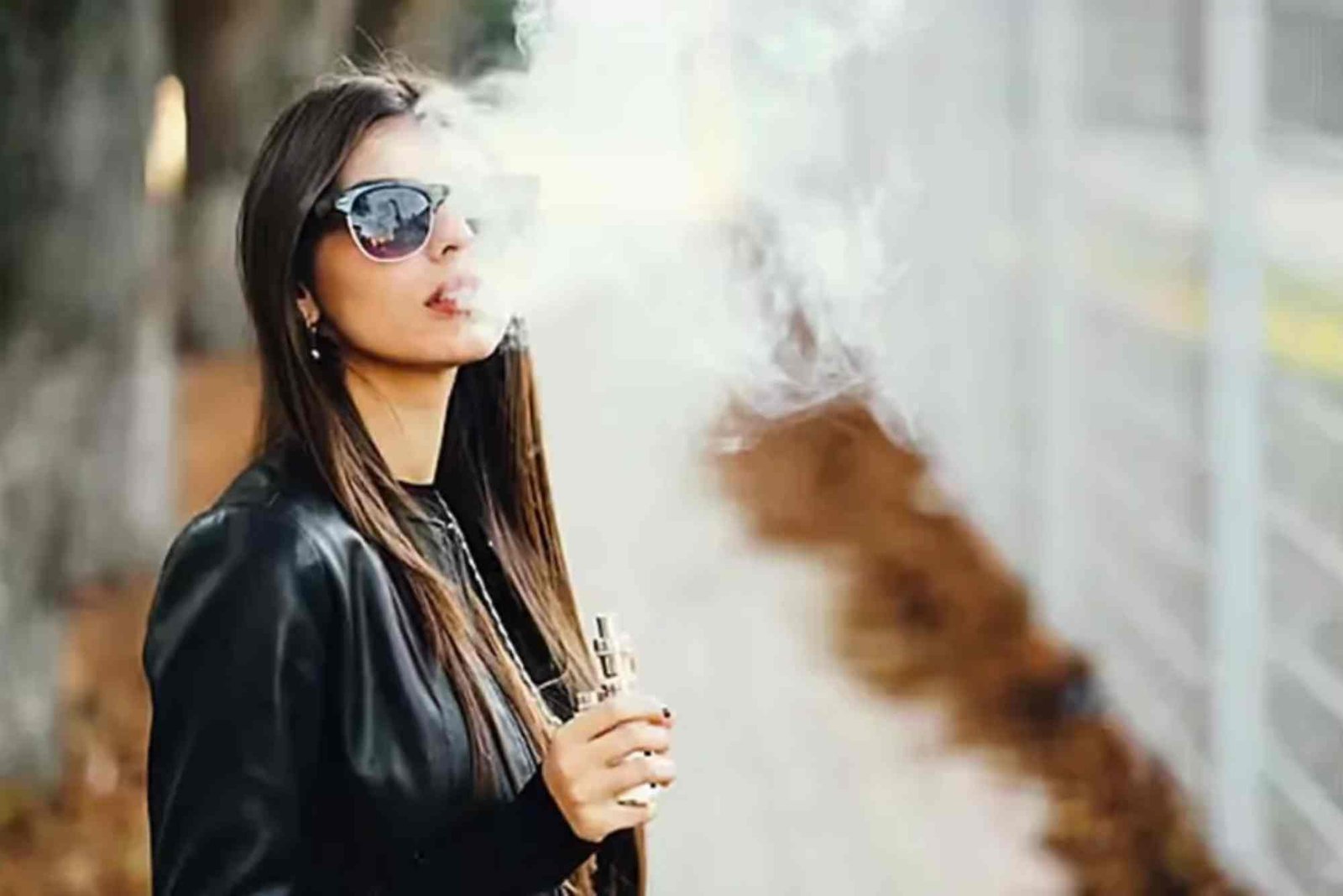
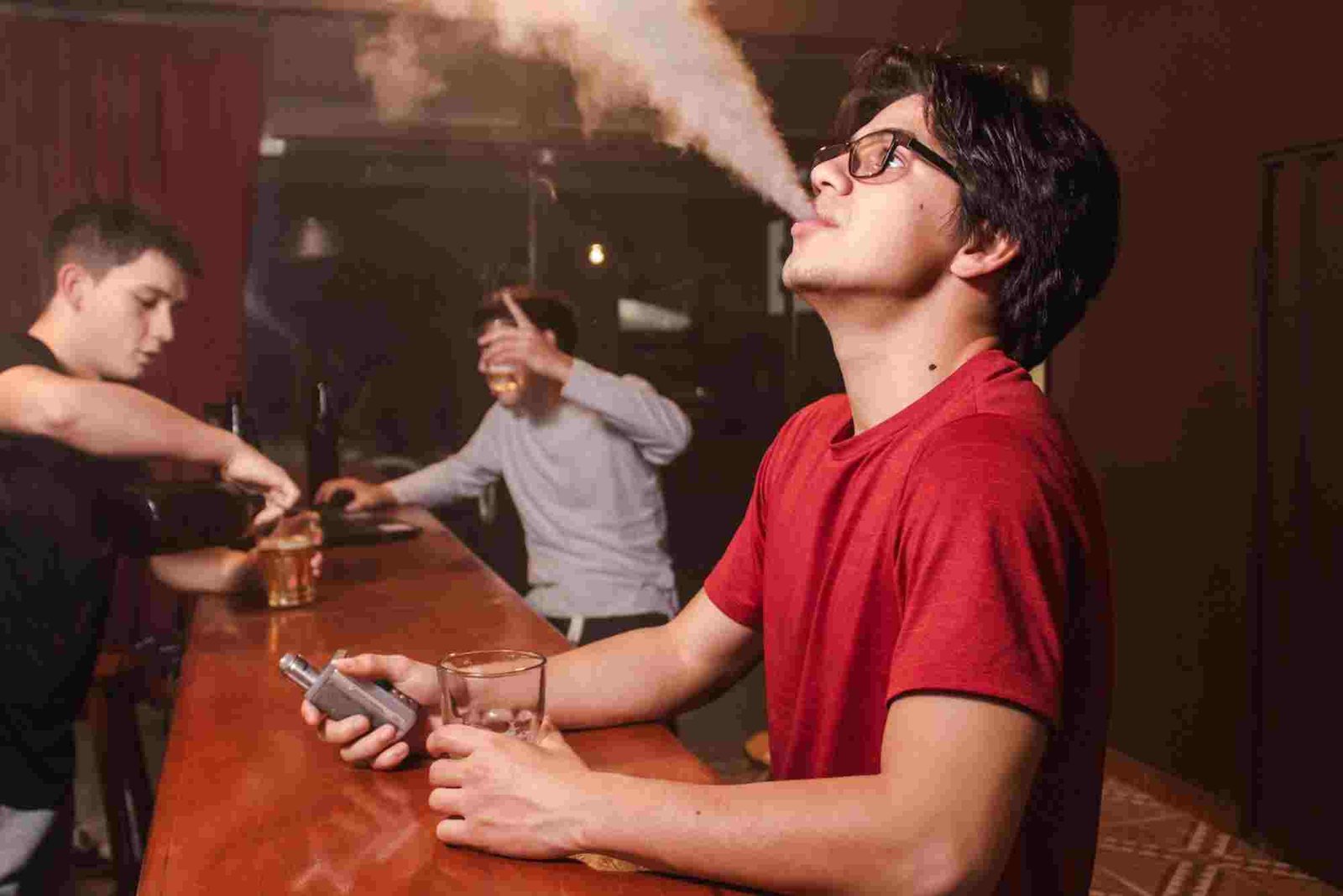
Vaping has become part of certain modern social environments and lifestyle cultures. Some adults associate its routines with relaxation, personal expression, or social interaction. However, these experiences should not be confused with genuine spiritual practices.
Mindfulness is about paying attention to the present moment without judgment. It does not require vaping, nicotine, or any particular substance. Instead, it encourages people to understand their thoughts, emotions, and surroundings.
Exploring this relationship requires an open and balanced perspective. It also means recognizing the potential health risks associated with vaping.
Understanding the Spiritual Side of Vaping: Rituals and Mindfulness
The Spiritual Side of Vaping: Rituals and Mindfulness focuses on how people interpret everyday routines. Across different cultures, rituals have traditionally created opportunities for reflection and connection.
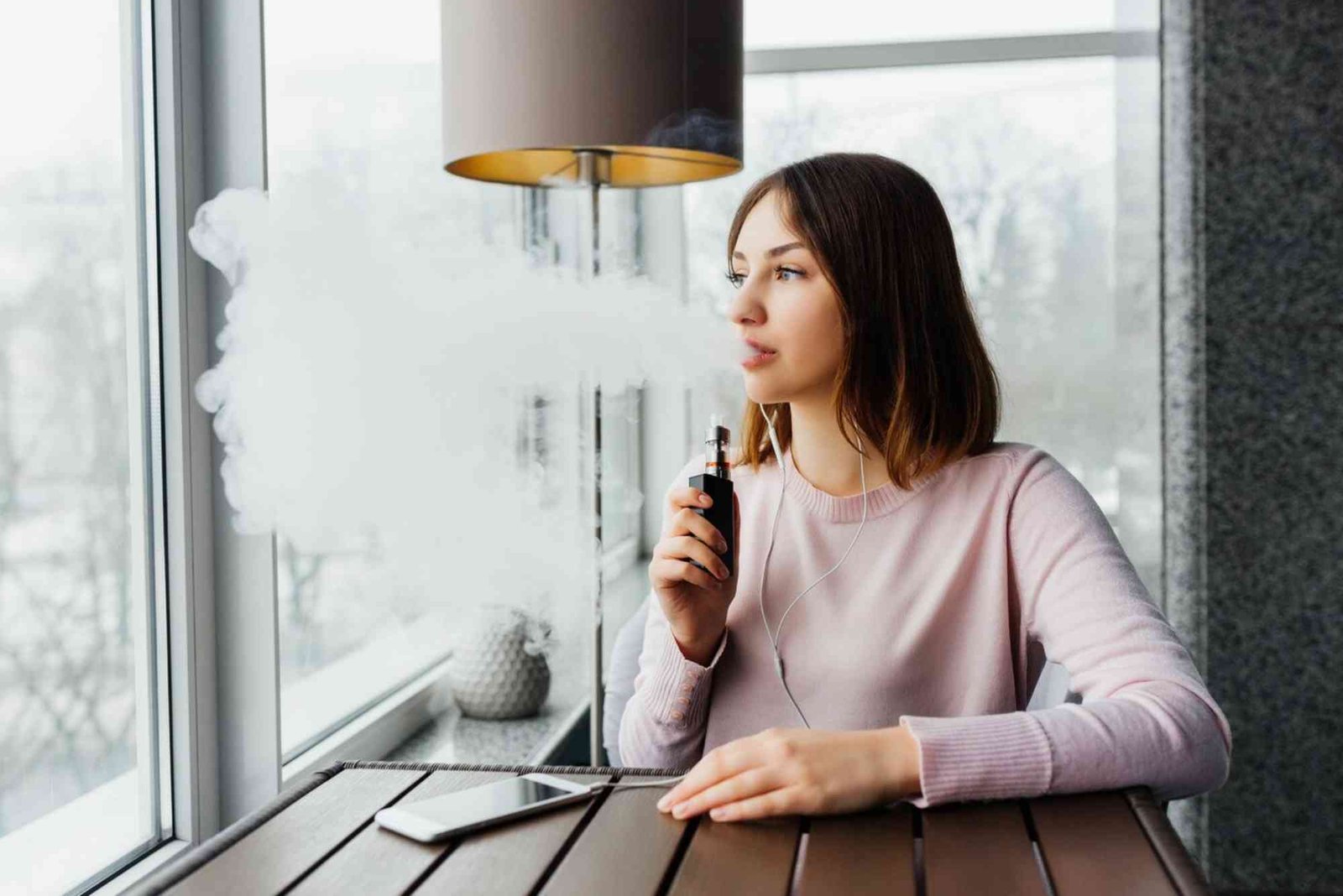
Some individuals associate repetitive activities with comfort and familiarity. Similarly, certain adult vaping users describe their routines as personal moments within busy schedules.

However, a familiar routine does not automatically become a spiritual practice.
The Meaning of Personal Rituals
Personal rituals are repeated activities that carry individual meaning. Morning reflection, journaling, meditation, and mindful breathing are common examples.
These activities can help people establish structure throughout the day. They may also encourage emotional awareness and intentional decision-making.
Some vaping users attach personal meaning to their routines. Nevertheless, nicotine dependence can develop through repeated use. Therefore, it is important to distinguish meaningful reflection from substance-related habits.
Why Rituals Matter in Everyday Life
Rituals can create a sense of consistency. They provide familiar moments during unpredictable schedules.
For example, someone might enjoy sitting quietly before starting work. Another person might practice meditation after a demanding day.
These experiences demonstrate how intentional routines support personal reflection. Importantly, they do not require vaping or nicotine consumption.
The Connection Between Vaping Culture and Mindfulness
The relationship between vaping culture and mindfulness deserves careful consideration. Mindfulness involves awareness rather than dependence on external stimulation.
Some people associate vaping breaks with stepping away from responsibilities. However, the perceived pause comes from taking a break, not necessarily from vaping itself.
Understanding Present-Moment Awareness
Present-moment awareness means noticing what happens around and within you. It involves observing thoughts, emotions, and physical sensations.
A simple breathing exercise can encourage this awareness. Sitting comfortably and observing natural breathing can help someone reconnect with the present.
Unlike vaping, mindful breathing does not introduce nicotine or aerosol into the lungs.
Separating Relaxation From Nicotine Dependence
Some users describe nicotine consumption as relaxing. However, nicotine is addictive and can reinforce repeated consumption.
People who regularly use nicotine may experience withdrawal symptoms between sessions. Using nicotine again can temporarily relieve those symptoms.
Consequently, perceived relaxation may sometimes reflect relief from withdrawal. Understanding this difference is essential when discussing mindfulness and vaping.
How Vaping Culture Influences Personal Identity
The Spiritual Side of Vaping: Rituals and Mindfulness also connects with personal identity. Lifestyle choices can influence how people express themselves socially.
Modern vaping culture sometimes includes fashion, technology, accessories, and online communities. These elements contribute to its broader cultural presence.
Community, Identity, and Belonging Trends
The phrase community, identity, and belonging trends describes how shared interests influence social experiences.
Some adult vaping communities develop around common interests. Members may exchange experiences, discuss technology, or share lifestyle perspectives.
However, belonging should never depend on nicotine consumption. Healthy communities encourage individual choices without creating pressure.
Personal Expression and Lifestyle Choices
Personal identity develops through different interests and experiences. Fashion, hobbies, creativity, and social relationships can all contribute.
Vaping accessories sometimes become recognizable lifestyle objects. Nevertheless, personal expression does not require using nicotine products.
People can explore their identities through healthier activities. Photography, music, art, and outdoor experiences offer meaningful alternatives.
The Role of Mindfulness in Modern Lifestyle Habits
Modern lifestyles often involve constant notifications, responsibilities, and digital distractions. As a result, people increasingly seek opportunities for quiet reflection.
Mindfulness provides a practical approach to managing everyday experiences. It encourages individuals to notice their surroundings and respond thoughtfully.
Creating Meaningful Daily Moments
A meaningful daily routine does not need complicated activities. Small, intentional practices can support greater self-awareness.
For instance, someone might begin the morning with gentle stretching. Another person might spend several minutes appreciating nature.
These moments can encourage calmness without relying on addictive substances.
Developing Emotional Awareness
Emotional awareness means recognizing feelings without immediately reacting. It can help individuals understand personal triggers and behavioral patterns.
For example, someone might notice an urge to vape during stressful situations. Recognizing this pattern creates an opportunity to consider healthier responses.
Journaling, talking with trusted people, and professional support can help develop emotional awareness.
Vaping, Spirituality, and Health Considerations
Spiritual wellbeing should never be separated from physical wellbeing. A balanced lifestyle considers mental, emotional, and physical health together.
Vaping is not a medically established spiritual practice. Additionally, vaping products can expose users to potentially harmful substances.
Understanding the Health Risks
Many vaping products contain nicotine. Nicotine can cause dependence and affect brain development in adolescents.
Vape aerosol may also contain substances that irritate the respiratory system. Some products contain chemicals whose long-term effects remain under investigation.
Therefore, vaping should not be presented as a wellness treatment. People who do not smoke should avoid starting vaping.
Making Informed Lifestyle Decisions
Personal wellbeing involves understanding the consequences of everyday choices. This includes evaluating habits that may become difficult to control.
Adults who currently vape can consider speaking with healthcare professionals about reducing or quitting. Evidence-based cessation support can make this process more manageable.
Mindfulness practices can complement healthier lifestyle decisions. However, they should not replace appropriate medical guidance.
Mindfulness Practices That Do Not Require Vaping
The Spiritual Side of Vaping: Rituals and Mindfulness offers an opportunity to explore healthier ways of finding personal meaning.
Mindfulness is accessible without special equipment or substances. Even a few quiet minutes can encourage reflection.
Meditation and Conscious Breathing
Meditation encourages people to observe their thoughts without judgment. Beginners can start with short sessions in a comfortable environment.
Conscious breathing involves noticing natural inhalation and exhalation. There is no need to force or change breathing patterns.
These practices can help develop awareness and emotional balance.
Nature and Personal Reflection
Spending time outdoors can create opportunities for reflection. Natural surroundings may encourage people to disconnect from digital distractions.
Walking, gardening, and observing changing seasons are simple examples.
Similarly, writing personal thoughts can help individuals understand their priorities and experiences.
Comparing Vaping Rituals With Mindfulness Practices
The following table explains important differences between vaping-related routines and healthier mindfulness activities.
|
Aspect |
Vaping-Related Routine |
Mindfulness Practice |
|---|---|---|
|
Main purpose |
Personal habit or nicotine consumption |
Awareness and reflection |
|
Health considerations |
Potential respiratory risks and nicotine dependence |
Generally low-risk |
|
Equipment |
Vaping device and related products |
Usually unnecessary |
|
Mental focus |
Varies between individuals |
Present-moment awareness |
|
Dependency risk |
Nicotine can cause addiction |
No substance dependence |
|
Personal meaning |
Depends on individual interpretation |
Depends on personal experience |
This comparison highlights an important distinction. Mindfulness does not require vaping or nicotine consumption.
The Future of Spirituality and Modern Lifestyle Culture
Modern spirituality continues to evolve alongside changing lifestyles. People increasingly explore different approaches to personal growth and emotional wellbeing.
Social media also influences how lifestyle practices are presented. Online communities can introduce people to meditation, reflection, and wellness discussions.
However, commercial marketing sometimes connects products with relaxation or personal identity. Consumers should evaluate these messages carefully.
Spiritual wellbeing should focus on meaningful experiences rather than purchasing particular products. Authentic personal growth comes from reflection, healthy relationships, and intentional choices.
Frequently Asked Questions
What Is the Spiritual Side of Vaping: Rituals and Mindfulness?
The Spiritual Side of Vaping: Rituals and Mindfulness explores how some individuals interpret vaping routines within their personal lifestyles.
It considers personal habits, social connections, and opportunities for reflection. However, vaping itself is not a recognized spiritual or mindfulness practice.
Can Vaping Help You Relax and Feel Mindful?
Vaping is not a proven mindfulness technique. Some users associate vaping breaks with relaxation.
However, nicotine can create dependence and withdrawal cycles. Mindful breathing and meditation offer healthier ways to develop awareness.
Is Vaping Considered a Spiritual Practice?
No. Vaping is not traditionally recognized as a spiritual practice.
Spirituality generally involves personal meaning, reflection, values, and connection. These experiences do not require vaping or nicotine.
What Are Healthy Alternatives to Vaping for Mindfulness?
Meditation, journaling, walking, and conscious breathing are useful alternatives.
These activities encourage self-awareness without exposing the lungs to vape aerosol. They can also become meaningful parts of everyday routines.
Why Do Some People Associate Vaping With Their Identity?
Some adults connect vaping with social environments, personal style, and shared interests.
Online communities can reinforce these associations. However, personal identity should remain independent of addictive habits or social pressure.
tryvape5.com is an online platform focused on vape-related products, information, and resources. Visitors can explore different vaping options, learn about product features, and compare available choices. As vaping regulations and product availability can vary by location, users should always review local laws and purchase responsibly from legitimate sources.
Conclusion
The Spiritual Side of Vaping: Rituals and Mindfulness highlights the relationship between modern habits, personal identity, and everyday reflection.
Although some individuals associate vaping with familiar routines, it should not be confused with genuine mindfulness. Nicotine dependence and potential health risks also deserve serious consideration.
Meaningful rituals can exist without substances. Meditation, conscious breathing, nature, and journaling provide healthier opportunities for personal reflection.
Ultimately, spirituality is about developing awareness and making intentional choices. Choose habits that support your physical and emotional wellbeing.
Call to Action: Explore healthier mindfulness practices, reflect on your everyday habits, and build routines that support a balanced lifestyle.