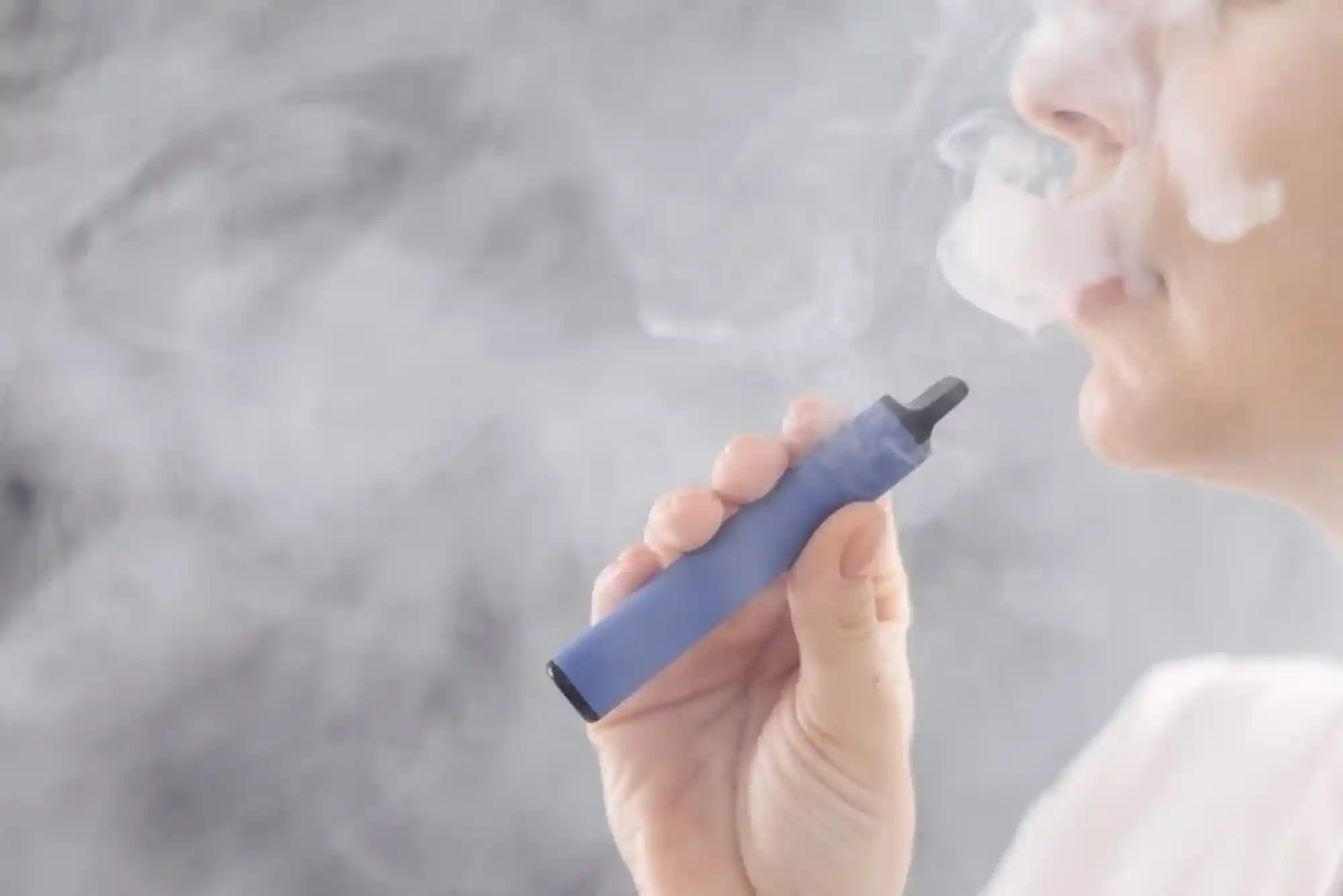

Introduction
Can Laws against vaping in public Truly Help Smokers Quit? This question has become increasingly important as governments regulate vaping in shared spaces. Public vaping restrictions are often introduced to protect non-users from exposure and maintain smoke-free environments. However, their potential effect on smoking cessation deserves closer attention.
Vaping and smoking are not identical behaviors. Traditional cigarettes produce tobacco smoke through combustion. E-cigarettes heat a liquid to create an aerosol. Yet, many vaping products still deliver nicotine, which can create dependence.
For smokers trying to quit, vaping may sometimes be part of a transition away from combustible cigarettes. At the same time, unrestricted vaping can normalize nicotine use in public spaces. It can also make vaping more visible to young people and non-users.
This creates a difficult policy question. Can Laws against vaping in public Truly Help Smokers Quit? The answer depends on how these laws are designed and implemented.
Public vaping restrictions alone are unlikely to make every smoker quit. However, they can contribute to a broader tobacco-control strategy. Their strongest impact may come when they work alongside cessation services, public education, taxation, and proven smoke-free policies.
Can Laws against vaping in public Truly Help Smokers Quit?
Can Laws against vaping in public Truly Help Smokers Quit? There is no simple yes-or-no answer. Public vaping laws primarily regulate where vaping can occur. They do not directly provide smokers with treatment for nicotine dependence.

However, laws can influence behavior by changing the environment around nicotine use. When smoking and vaping become less acceptable in public spaces, users may have fewer opportunities to consume nicotine casually.
Environmental changes can matter because habits are often connected to specific places and routines. A person may associate smoking with a workplace entrance, restaurant patio, bus stop, or social gathering.
Removing those opportunities can interrupt established routines. For some people, this interruption may encourage them to think about quitting.
The effect is stronger when restrictions are combined with accessible cessation support. A smoker who wants to quit needs more than a legal restriction. They may also need counseling, nicotine-replacement options, behavioral support, and practical guidance.
This is why public vaping restrictions should not be viewed as a standalone quitting solution.
Why Governments Restrict Vaping in Public
Governments generally introduce public vaping restrictions for several public-health reasons. One major concern is exposure to secondhand aerosol.
Although vaping aerosol differs from cigarette smoke, it can contain nicotine and other substances. Public authorities may therefore choose to limit exposure in enclosed or shared environments.
Another concern is social normalization. Public behavior influences how people perceive nicotine use. When vaping becomes highly visible, it may appear more socially acceptable.
This issue is especially relevant among young people. Adolescents can be influenced by peer behavior, advertising, social media, and the visibility of nicotine products.
Smoke-free policies have long been used to reduce exposure to tobacco smoke and change social norms. Evidence and policy discussions around smoke-free environments are summarized by the WHO — smoke-free policies & public health evidence.
Vaping laws increasingly follow a similar environmental approach. They aim to create spaces where nicotine consumption is less visible and less common.
How Public Vaping Laws Can Influence Smoking Behavior
Public restrictions can influence smokers through several behavioral pathways. First, they can reduce opportunities for nicotine consumption.
A smoker who usually takes several smoking breaks during the day may find those routines disrupted. If vaping is also restricted in the same locations, switching between smoking and vaping becomes less convenient.
Second, restrictions can strengthen the perception that tobacco and nicotine use are not normal activities in shared spaces. Social norms can influence individual behavior over time.
Third, public restrictions can encourage smokers to reconsider their nicotine use. A person may begin asking whether vaping or smoking is worth the inconvenience.
That moment can become an opportunity for cessation.
However, inconvenience should not be confused with effective treatment. Nicotine addiction can be powerful, and some smokers will continue using nicotine despite restrictions.
For this reason, laws work best when they are supported by practical quitting resources.
Can Laws against Vaping in Public Truly Help Smokers Quit Without Cessation Support?
Can Laws against vaping in public Truly Help Smokers Quit if smokers receive no additional support? Their impact may be limited.
A person who is dependent on nicotine may respond to restrictions by changing where they vape. They may vape privately, use nicotine products more discreetly, or return to cigarettes.
This last possibility is particularly important. If a smoker uses vaping as an alternative to combustible cigarettes, poorly designed restrictions could create unintended consequences.
Public-health policy therefore needs to distinguish between reducing nicotine exposure and supporting smoking cessation.
The ultimate goal should be to reduce smoking-related harm while helping dependent users move toward quitting.
Cessation services can make regulations more effective. Quitlines, healthcare professionals, counseling, nicotine-replacement therapies, and behavioral programs can provide the support that legislation cannot provide alone.
The Difference Between Vaping Restrictions and Smoking Bans
Smoking bans and vaping restrictions are related but not identical.
Smoking bans primarily address the harms caused by burning tobacco. Cigarette smoke contains thousands of chemicals, including many toxic and carcinogenic substances.
Vaping does not involve tobacco combustion. However, vaping products can still expose users to nicotine and other chemicals.
Because of these differences, policymakers must carefully communicate why vaping restrictions exist.
If every nicotine product is described as identical, smokers may become confused about relative risks. Effective public communication should explain both the differences and the remaining risks.
This is especially important for smokers considering alternatives.
A balanced approach can acknowledge that vaping is not risk-free while also recognizing that completely replacing combustible cigarettes may carry different health implications than continuing to smoke.
Do Public Vaping Laws Change Social Norms?
Social norms are one of the most important reasons public restrictions may influence behavior.
People often adjust their behavior according to what they see around them. When smoking is common outside workplaces, restaurants, or public transport areas, it can appear socially ordinary.
Over time, smoke-free laws have helped change expectations about where smoking belongs.
Similar restrictions on vaping can produce comparable changes in public behavior. They can make nicotine consumption less visible and establish clearer boundaries around shared spaces.
For smokers trying to quit, this can be useful.
A person who no longer sees smoking or vaping as part of everyday social activity may find it easier to change their own routines.
However, social norms usually change gradually. One regulation is unlikely to transform behavior immediately.
Consistent enforcement and public education are therefore important.
Could Vaping Restrictions Encourage Some Smokers to Quit?
Yes, some smokers may become more motivated to quit when public vaping and smoking opportunities are limited.
Restrictions can create friction. Someone who previously consumed nicotine whenever they wanted may need to plan around designated areas or private spaces.
That additional effort can expose the strength of the habit.
For some people, the inconvenience may become a reason to attempt quitting. Others may already be considering cessation and simply need a final motivation.
Yet, the response differs from person to person.
Highly dependent smokers may experience cravings and withdrawal symptoms. Without support, they may continue using nicotine despite restrictions.
Therefore, policymakers should connect public restrictions with clear information about quitting.
A law should ideally make it easy for smokers to find help rather than simply make nicotine use harder.
Potential Unintended Effects of Public Vaping Laws
Public vaping laws can also produce unintended consequences if they are poorly designed.
One concern is dual use. Some smokers use both cigarettes and vaping products. If restrictions discourage vaping without discouraging cigarette smoking, some users could increase their cigarette consumption.
Another concern involves confusion. People may not understand where vaping is permitted or prohibited.
Unclear regulations can reduce compliance and create unnecessary conflict between users and authorities.
Enforcement also matters. Excessively punitive approaches may discourage people from seeking cessation assistance.
A more effective strategy can combine reasonable restrictions with education and support.
This approach recognizes that nicotine dependence is a health issue, not simply a matter of rule-breaking.
The Role of Education in Helping Smokers Quit
Education can strengthen the impact of public vaping regulations.
People need clear information about nicotine addiction, withdrawal, cessation options, and the differences between smoking and vaping.
Public campaigns can also explain why certain locations prohibit vaping.
When people understand the purpose of a law, they may be more willing to follow it.
Education should avoid exaggerated claims. Overstating the dangers of vaping can damage credibility if people encounter conflicting evidence elsewhere.
Instead, public-health communication should focus on established evidence and explain uncertainty where it exists.
Trust is essential. Smokers are more likely to seek help when health information feels honest and practical.
How Effective Smoke-Free Policies Fit Into the Bigger Picture
Smoke-free policies are most effective when they form part of a comprehensive tobacco-control strategy.
Public restrictions can reduce exposure, change social expectations, and encourage smokers to reconsider their habits. However, quitting usually requires personal motivation and, for many people, structured support.
This is why governments should combine public vaping restrictions with accessible cessation services.
Healthcare providers can help smokers develop quitting plans. Nicotine-replacement products can help manage withdrawal for suitable users. Counseling can address behavioral triggers.
Digital cessation programs can also provide reminders, education, and ongoing encouragement.
Together, these measures address different parts of nicotine dependence.
The law changes the environment. Healthcare addresses dependence. Education changes understanding. Social support helps people maintain new behaviors.
Can Laws against vaping in public Truly Help Smokers Quit Long Term?
Can Laws against vaping in public Truly Help Smokers Quit over the long term? They can contribute, but they should not be expected to work independently.
Long-term quitting depends on several factors. These include nicotine dependence, motivation, social environment, access to treatment, stress, and previous quitting experiences.
Public vaping restrictions may remove some triggers and reduce opportunities for nicotine use. They may also strengthen smoke-free social norms.
Yet, sustained cessation requires more than inconvenience.
People need practical tools to manage cravings and avoid relapse. They also need encouragement when quitting becomes difficult.
The strongest policies recognize this reality.
Instead of treating restrictions as the final solution, policymakers can use them as one component of a broader cessation framework.
What Makes Public Vaping Laws More Effective?
Effective regulations should be clear, consistent, and supported by public education.
Rules should explain where vaping is prohibited and why those restrictions exist. Enforcement should be predictable rather than arbitrary.
At the same time, smokers should know where to find quitting support.
Healthcare systems can play an important role by routinely asking patients about tobacco and nicotine use. Brief advice from a healthcare professional can encourage smokers to consider cessation.
Workplaces can also support quitting through smoke-free environments and wellness programs.
When these efforts operate together, public restrictions can have a wider impact than legislation alone.
The objective should not simply be to control public behavior. It should be to create an environment that makes healthier choices easier.
The Future of Vaping Regulations
Vaping regulation is likely to continue evolving as governments learn more about nicotine products and changing consumer behavior.
New devices, flavors, technologies, and marketing strategies can create fresh policy challenges.
Policymakers must therefore balance several goals. These include protecting non-users, preventing youth uptake, reducing smoking, and supporting adult smokers who want to quit.
Evidence should guide these decisions.
Policies should also be reviewed regularly to determine whether they are producing their intended outcomes.
A regulation that sounds effective in theory may have different results in practice. Monitoring behavior, smoking rates, vaping patterns, and cessation outcomes can help policymakers adjust their approach.
Can Vape Pen Explodes Law Suit Truly Help Smokers Quit? Legal action over vape pen explosions may raise awareness about product safety, but it does not directly address nicotine dependence. Understanding the risks, seeking reliable cessation support, and exploring proven quitting methods can help smokers make informed decisions and work toward a healthier, vape-free life.
Conclusion
Can Laws against vaping in public Truly Help Smokers Quit? They can help, but they are not a complete solution.
Public vaping restrictions can reduce opportunities for nicotine use, strengthen smoke-free social norms, and encourage some smokers to reconsider their habits. They can also protect shared spaces from unwanted exposure.
For readers interested in exploring modern vaping products and learning more about the latest developments in vape culture, finding a reliable online source can make the experience easier. A dedicated platform can provide useful product information, brand insights, and helpful guidance for informed choices. Visit TryVape5 to explore the website and discover more about its vaping-focused content and offerings.
Related Reading: Can New Laws on Vaping 2020 Truly Help Smokers Quit?
Related Reading: Can Vaping in public Vaping Laws Uk Age Truly Help Smokers Quit?
Related Reading: Can Vaping Laws in Nevada Truly Help Smokers Quit
Related Reading: Can Vaping Laws in Nevada Truly Help Smokers Quit — full guide