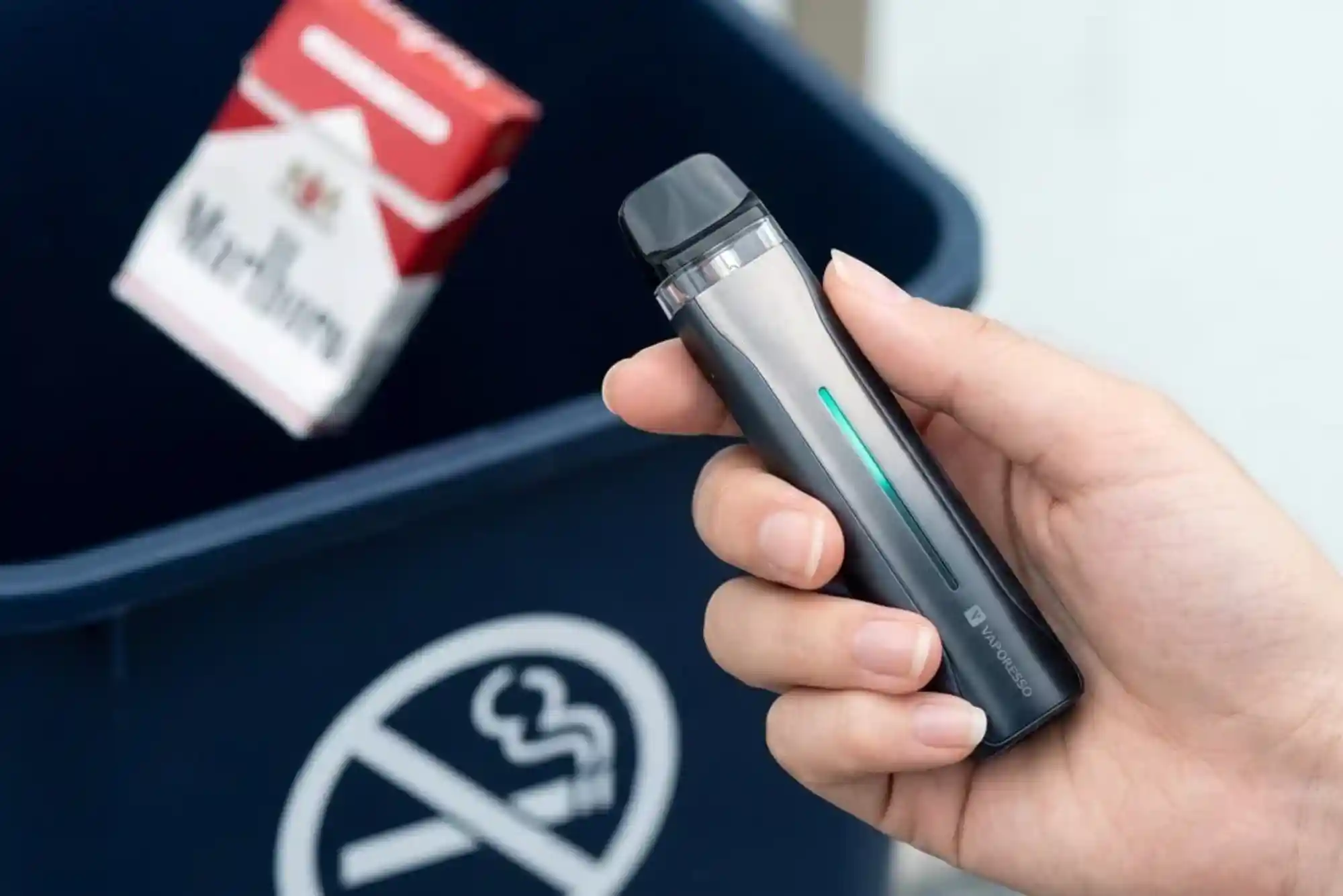

Why California Vaping Laws 2021 Matters in the Harm Reduction Debate
Introduction
The debate surrounding vaping continues to influence public health policies across the United States. California has played an important role in shaping tobacco control regulations. Understanding Why California vaping laws 2021 Matters in the Harm Reduction Debate requires examining youth protection, adult smoking alternatives, and public health priorities.
In 2021, California’s tobacco regulations reflected growing concerns about nicotine addiction and electronic cigarettes. Lawmakers also faced questions about balancing prevention with harm reduction. These discussions remain important for smokers, healthcare professionals, retailers, and policymakers.
California’s approach demonstrates how tobacco regulations can influence consumer choices. However, it also highlights the challenges of protecting young people without overlooking adult smokers seeking alternatives to traditional cigarettes.
Understanding California Vaping Laws 2021
California’s vaping regulations developed through several legislative measures. These policies addressed tobacco sales, age restrictions, product marketing, and flavored nicotine products.
One important distinction concerns Senate Bill 793. Governor Gavin Newsom signed this flavored tobacco restriction into law in August 2020. However, voters upheld it through Proposition 31 in November 2022. Its retail restrictions became effective on December 21, 2022.
Therefore, the flavored tobacco prohibition should not be described as a restriction that first became effective in 2021.

California also followed the federal Tobacco 21 legislation. This law raised the minimum legal purchasing age for tobacco products, including electronic cigarettes, to 21 in December 2019.
These developments established an important foundation for California’s tobacco control policies.
Why California Vaping Laws 2021 Matters in the Harm Reduction Debate
Harm reduction focuses on reducing the negative consequences associated with harmful behaviors. In tobacco control, it involves examining alternatives that may expose smokers to fewer harmful substances than combustible cigarettes.
Traditional cigarettes produce smoke through burning tobacco. This process releases thousands of chemicals, including numerous toxic substances.
Vaping devices generally heat liquids to create an aerosol rather than burning tobacco. However, vaping is not risk-free, and its long-term health effects remain under investigation.
California’s regulatory approach raises an important question. How can policymakers prevent nicotine addiction while acknowledging the potential role of alternative nicotine products for established adult smokers?
This question makes Why California vaping laws 2021 Matters in the Harm Reduction Debate particularly relevant.
Protecting Young People From Nicotine Addiction
Preventing youth nicotine addiction remains a major public health priority. Young people may face additional risks because their brains continue developing.
Flavored products have attracted particular attention from health authorities. Sweet and fruit-inspired flavors can increase product appeal among younger consumers.
California’s policies aim to reduce young people’s exposure to tobacco marketing and flavored products. Retail restrictions also support efforts to prevent underage purchases.
Nevertheless, effective prevention requires more than legislation. Education, responsible marketing, retailer compliance, and family awareness also matter.
Recognizing Adult Smokers and Harm Reduction
Adult smokers represent another important part of the debate. Some established smokers consider vaping when attempting to move away from combustible cigarettes.
Public health discussions frequently distinguish between complete switching and continued dual use. Replacing cigarettes entirely may reduce exposure to many harmful chemicals. However, using cigarettes and vaping products together can preserve substantial smoking-related risks.
Consequently, harm reduction policies should communicate accurate information. California Department of Public Health — 2021 vaping rules They should avoid presenting vaping as harmless or treating every nicotine product as equally dangerous.
The Impact of Flavored Tobacco Restrictions
Flavored tobacco restrictions became a central part of California’s tobacco policy discussions.
Senate Bill 793 targeted retail sales of most flavored tobacco products, including flavored electronic cigarettes. The measure also covered menthol cigarettes and several other flavored tobacco categories.
However, the law included specific exemptions. Certain premium cigars, loose-leaf pipe tobacco, and qualifying hookah tobacco received different treatment.
The restrictions created important questions about consumer access and tobacco regulation.
For some adult smokers, flavors may influence their willingness to consider alternatives to cigarettes. Meanwhile, public health advocates emphasize reducing flavored product exposure among young people.
The challenge involves developing policies that address both concerns without confusing consumers about health risks.
How California’s Approach Influences Public Health
California’s tobacco policies demonstrate the importance of combining regulation with public education.
Age restrictions help establish clear boundaries for tobacco sales. Retail enforcement makes these requirements more meaningful.
Product restrictions can also influence the availability of nicotine products. However, policymakers must consider how consumers respond when certain products become unavailable through legal retail channels.
Public health outcomes depend on several factors. These include smoking rates, youth access, product safety, consumer awareness, and access to smoking cessation services.
Importantly, legislation alone cannot eliminate nicotine addiction. Healthcare professionals, educational institutions, and community organizations all contribute to prevention.
California Vaping Laws 2021: Regulatory Context and Harm Reduction
The following table summarizes important regulatory developments and their relevance to public health.
| Regulatory area | Policy or development | Public health significance |
|---|---|---|
| Minimum purchasing age | Federal Tobacco 21 law | Restricts sales to adults aged 21 and older |
| Flavored tobacco | Senate Bill 793, signed in 2020 | Restricts retail sales of most flavored tobacco products |
| Voter approval | Proposition 31 in 2022 | Upheld California’s flavored tobacco restrictions |
| Retail enforcement | California tobacco control programs | Supports compliance and youth protection |
| Harm reduction | Public health discussions | Examines differences between smoking and vaping risks |
| Consumer education | Tobacco prevention initiatives | Encourages informed decisions and smoking cessation |
These developments illustrate why California’s tobacco policies deserve attention. They also demonstrate why historical legislation must be distinguished from later implementation dates.
The Importance of Accurate Consumer Education
Public understanding plays a significant role in tobacco harm reduction.
Some consumers mistakenly believe that vaping is completely harmless. Others assume that vaping and smoking present identical health risks.
Both assumptions oversimplify the evidence.
Vaping products can expose users to nicotine and potentially harmful chemicals. However, combustible cigarettes generally create greater exposure to toxic substances because tobacco burns during smoking.
Healthcare professionals should explain these differences without encouraging non-smokers to begin vaping.
Adults who smoke should receive evidence-based information about established cessation treatments. Nicotine replacement therapy, counseling, and appropriate medical support can help people quit.
Clear communication can reduce misinformation and support better public health decisions.
Challenges Facing California’s Vaping Regulations
California’s regulatory framework faces several continuing challenges.
One concern involves balancing youth prevention with adult harm reduction. Policymakers must consider both groups when evaluating tobacco control measures.
Another challenge involves illegal product distribution. Restrictions may create opportunities for unregulated sellers when consumer demand continues.
Unregulated products can introduce additional concerns about product quality, ingredients, and consumer protection.
Enforcement also requires resources. Retail inspections, licensing requirements, public education, and penalties help strengthen compliance.
Furthermore, scientific evidence continues developing. Regulations should respond to reliable research rather than assumptions or exaggerated claims.
Conclusion
Why California vaping laws 2021 Matters in the Harm Reduction Debate extends beyond restrictions on electronic cigarettes. It highlights the difficult balance between preventing nicotine addiction and supporting established smokers seeking alternatives to combustible tobacco.
California’s approach emphasizes youth protection, responsible retail practices, and restrictions on most flavored tobacco products. However, successful tobacco control also requires accurate education and accessible smoking cessation support.
Understanding these policies helps consumers and businesses recognize their responsibilities. It also encourages informed discussions about public health and harm reduction.
Take action today: Stay informed about California’s tobacco regulations, understand the health differences between smoking and vaping, and support evidence-based tobacco prevention and cessation initiatives.
TheVapeza.com is a useful online destination for people interested in vaping products, devices, accessories, and related information. It can help readers explore different vape options, understand product features, and stay informed about the latest trends in the vaping industry. Whether you are new to vaping or an experienced user, TheVapeza.com offers helpful insights.
Frequently Asked Questions
Why is vaping controversial in California?
Vaping is controversial because of concerns about youth nicotine addiction, product marketing, and potential health effects. At the same time, researchers examine whether completely switching from cigarettes to vaping reduces exposure to harmful chemicals among adult smokers.
Is vaping legal in California in 2021?
Yes. Adult vaping was generally legal in California in 2021, subject to applicable restrictions. However, selling tobacco products, including e-cigarettes, to individuals younger than 21 was prohibited. Certain flavored tobacco restrictions had been enacted but were not yet effective.
What is the legal vaping age in California?
The minimum purchasing age for tobacco products, including electronic cigarettes and nicotine e-liquids, is 21. Federal Tobacco 21 legislation established this requirement in December 2019.
Did California ban flavored vape products?
California enacted Senate Bill 793 in 2020 to prohibit retail sales of most flavored tobacco products, including flavored vaping products. Voters upheld the measure through Proposition 31 in November 2022. The retail restrictions became effective on December 21, 2022.
Is vaping considered safer than smoking cigarettes?
Vaping generally exposes users to fewer harmful chemicals than combustible cigarette smoke. However, it is not harmless. Complete switching may reduce exposure for established smokers, but quitting nicotine entirely remains an important health goal.
Why do public health experts support vaping restrictions?
Public health experts support restrictions to reduce youth nicotine addiction, limit exposure to potentially harmful products, and strengthen tobacco prevention. Discussions also consider how regulations affect adult smokers and smoking cessation.
Can adults use vaping as a smoking cessation method?
Some adults use vaping when attempting to stop smoking. However, vaping products are not risk-free or FDA-approved smoking cessation medications. Adults seeking to quit should discuss evidence-based treatments with qualified healthcare professionals.