Disposable Vape Law: A Closer Look at Vaping Safety Concerns
The rise of disposable vapes has changed the landscape of smoking alternatives around the world. These sleek, easy-to-use devices have become popular among both adults trying to quit smoking and younger people experimenting with vaping. While their convenience is undeniable, lawmakers across different countries are introducing stricter rules to address growing safety concerns. Understanding the disposable vape law is crucial for consumers, retailers, and policymakers alike because it balances access, safety, and public health.
Understanding the Disposable Vape Law
The disposable vape law refers to regulations that govern the production, sale, marketing, and use of single-use vaping devices. Unlike reusable vapes, disposables come pre-filled with e-liquid and are meant to be thrown away after use. Lawmakers are particularly focused on this category because of their environmental impact, their appeal to youth, and questions around long-term health risks.
Most countries base their laws on three major factors: nicotine content, age restrictions, and marketing practices. For instance, in the UK, disposable vapes must comply with the Tobacco and Related Products Regulations (TRPR), which limit nicotine strength to 20mg/ml and restrict e-liquid volume. In the United States, the FDA enforces rules under the Tobacco Control Act, requiring pre-market approval for all vaping products. Other regions, such as Australia, have gone further by restricting disposable vapes to prescription-only models. These laws aim to strike a balance between harm reduction for smokers and preventing youth addiction.
Why Disposable Vapes Raise Safety Concerns
Disposable vapes are often marketed as a safer alternative to traditional cigarettes. While they eliminate tar and combustion, they are not risk-free. The disposable vape law has emerged largely because of three major concerns: youth appeal, chemical risks, and environmental damage.
Youth Attraction and Addiction
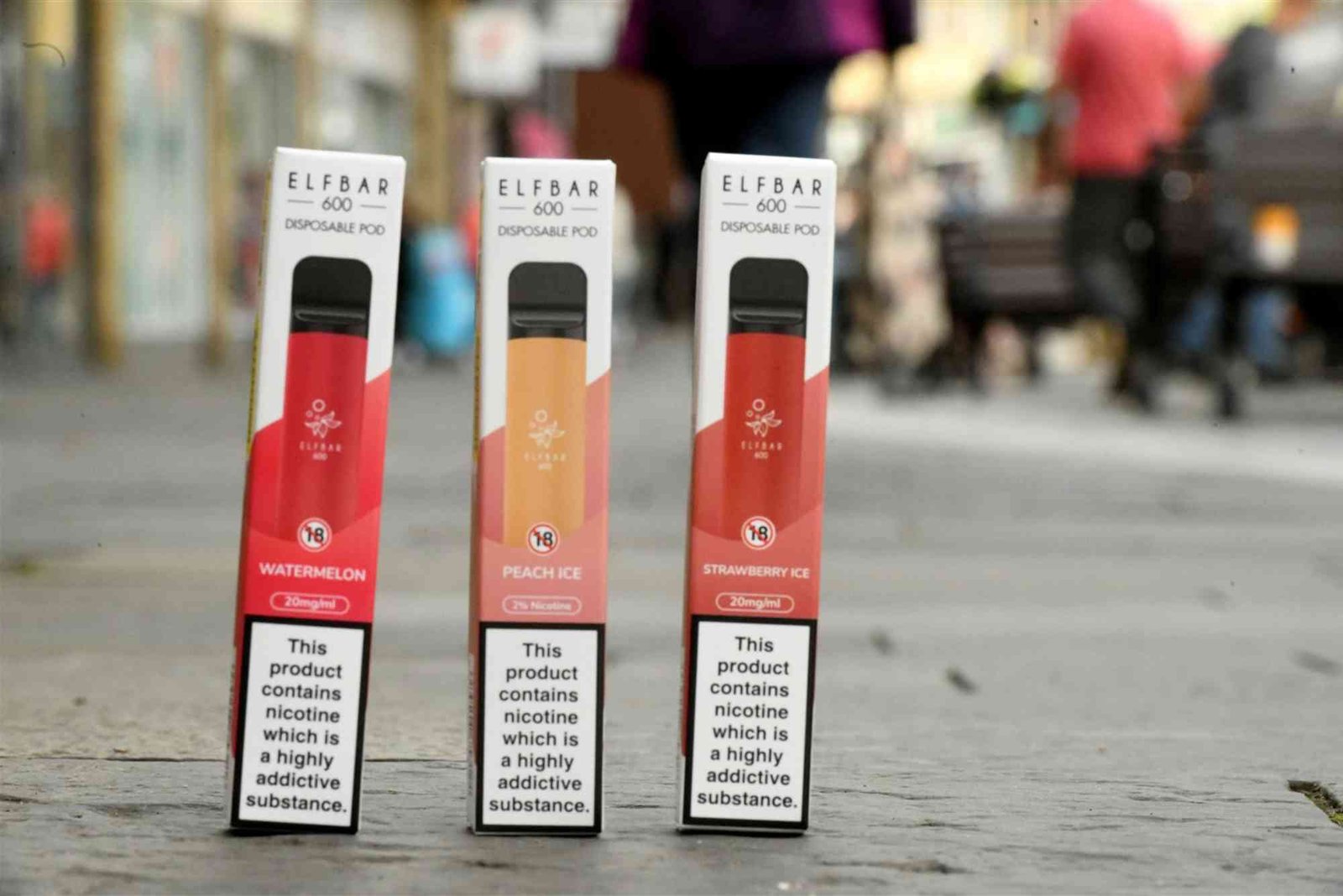
Bright packaging, fruity flavors, and aggressive online marketing make disposable vapes particularly attractive to teenagers. Studies have shown that many underage users are introduced to nicotine through disposables rather than cigarettes. Lawmakers are therefore focusing on flavor bans, strict age verification, and harsher penalties for retailers who sell to minors. The disposable vape law is designed to curb this growing trend by making access more difficult for young people.
Chemical Safety and Health Risks
Even though vaping eliminates smoke, e-liquids contain nicotine and other chemicals that can be harmful when inhaled regularly. Some products have been found to contain higher nicotine concentrations than legally allowed, leading to stronger addiction potential. Inconsistent labeling and lack of quality control among unregulated imports further complicate matters. Disposable vape law aims to standardize ingredients, enforce maximum nicotine limits, and ensure consumers know what they are inhaling.

Environmental Impact
Unlike refillable vape kits, disposables contribute heavily to e-waste. Each device contains a lithium-ion battery, plastic casing, and nicotine residue. Improper disposal poses risks to both the environment and waste management workers. This has led some countries to push for extended producer responsibility, requiring manufacturers to establish recycling programs. The environmental argument is one of the strongest drivers behind tightening disposable vape law.
Global Perspectives on Disposable Vape Laws
Regulation varies dramatically from one region to another. Some countries see disposables as an effective harm-reduction tool for adult smokers, while others view them primarily as a public health risk.
United States
In the US, the FDA has authority over all vaping products. While disposable vapes surged in popularity due to loopholes in flavor bans, recent enforcement actions have targeted manufacturers selling unauthorized products. Penalties include hefty fines and product seizures. The FDA emphasizes protecting youth while still allowing adults access to safer alternatives.
United Kingdom
The UK has adopted a harm-reduction approach, encouraging smokers to switch from cigarettes to vaping. However, rising youth usage has prompted debates about banning disposables altogether. Discussions around stricter packaging and flavor restrictions continue, with environmental groups also pressing for a ban.
European Union
The EU follows the Tobacco Products Directive (TPD), which enforces limits on nicotine strength and e-liquid volume. Several member states, such as France and Germany, are considering additional restrictions specifically targeting disposable devices.
Australia
Australia has taken one of the strictest stances. Disposable vapes are only legal with a doctor’s prescription, and penalties for illegal sales are severe. The government cites strong public health concerns, particularly around youth vaping, as the reason for this approach.
Middle East and Asia
Countries in the Middle East vary, with some allowing limited sales under strict regulation while others impose complete bans. In Asia, nations like Singapore and Thailand have outright banned vapes, while Japan permits only nicotine-free disposables.
How Disposable Vape Law Impacts Consumers
For regular consumers, disposable vape law directly affects availability, pricing, and choice. Those in heavily regulated regions may find their favorite brands disappearing from store shelves. Stricter age-verification measures mean underage access is significantly harder, but this also pushes some users toward illicit markets. Consumers should be aware that unregulated black-market products often bypass safety checks, increasing health risks.
On the other hand, laws that enforce labeling, nicotine limits, and quality standards protect adult users by ensuring they are using products that meet health and safety requirements. For those genuinely seeking smoking cessation, regulation provides clarity and trust in the devices they are using.
The Role of Retailers and Manufacturers
Retailers are on the front lines of compliance with disposable vape law. They must enforce age restrictions, stock only approved products, and adapt to evolving rules. Failure to comply can lead to heavy fines or loss of business licenses. Manufacturers, meanwhile, are under pressure to innovate responsibly. Many are exploring recyclable disposables, eco-friendly packaging, and reduced-nicotine options to align with regulations.
Future Trends in Disposable Vape Regulations
Disposable vape law will continue to evolve as more data on long-term health effects and environmental impact emerges. Likely trends include:
- Expansion of recycling requirements for manufacturers.
- Stricter limits on flavors perceived to attract youth.
- Higher penalties for black-market sales.
- Mandatory health warnings covering larger portions of packaging.
- Increased research into reduced-risk nicotine alternatives.
Governments face the challenge of balancing harm reduction with public health protection. While outright bans may reduce youth access, they also risk removing safer alternatives for adult smokers. A balanced, evidence-based approach is likely the future of disposable vape law.
FAQs
Is it legal to buy disposable vapes online?
That depends on your country. In many places, online purchases are allowed but require strict age verification.
Are flavored disposable vapes banned everywhere?
No, but many regions are moving toward flavor restrictions. The goal is to reduce youth appeal while preserving options for adult smokers.
Why are some disposable vapes stronger than cigarettes?
Some brands exceed nicotine limits due to weak enforcement or black-market sales. Disposable vape law aims to regulate this by setting strict maximum levels.
Can disposable vapes be recycled?
Technically yes, but most facilities are not equipped to handle them. That is why new laws are pushing manufacturers to establish recycling systems.
Will disposable vapes be banned completely?
In some regions, full bans are under discussion. Others prefer strict regulation rather than prohibition. The future depends on balancing health, environment, and consumer choice.
The disposable vape law reflects a complex intersection of health, environment, and consumer rights. While these devices offer harm-reduction potential for smokers, they also raise valid concerns around youth access, chemical safety, and environmental waste. For consumers, staying informed about current regulations ensures safer use and avoids legal risks. For policymakers, the challenge is to craft rules that protect public health without eliminating safer alternatives for smokers.
If you are a consumer, always check local regulations before purchasing. If you are a retailer, stay updated on compliance requirements to avoid penalties. And if you are a policymaker, consider evidence-based strategies that balance safety with accessibility.