
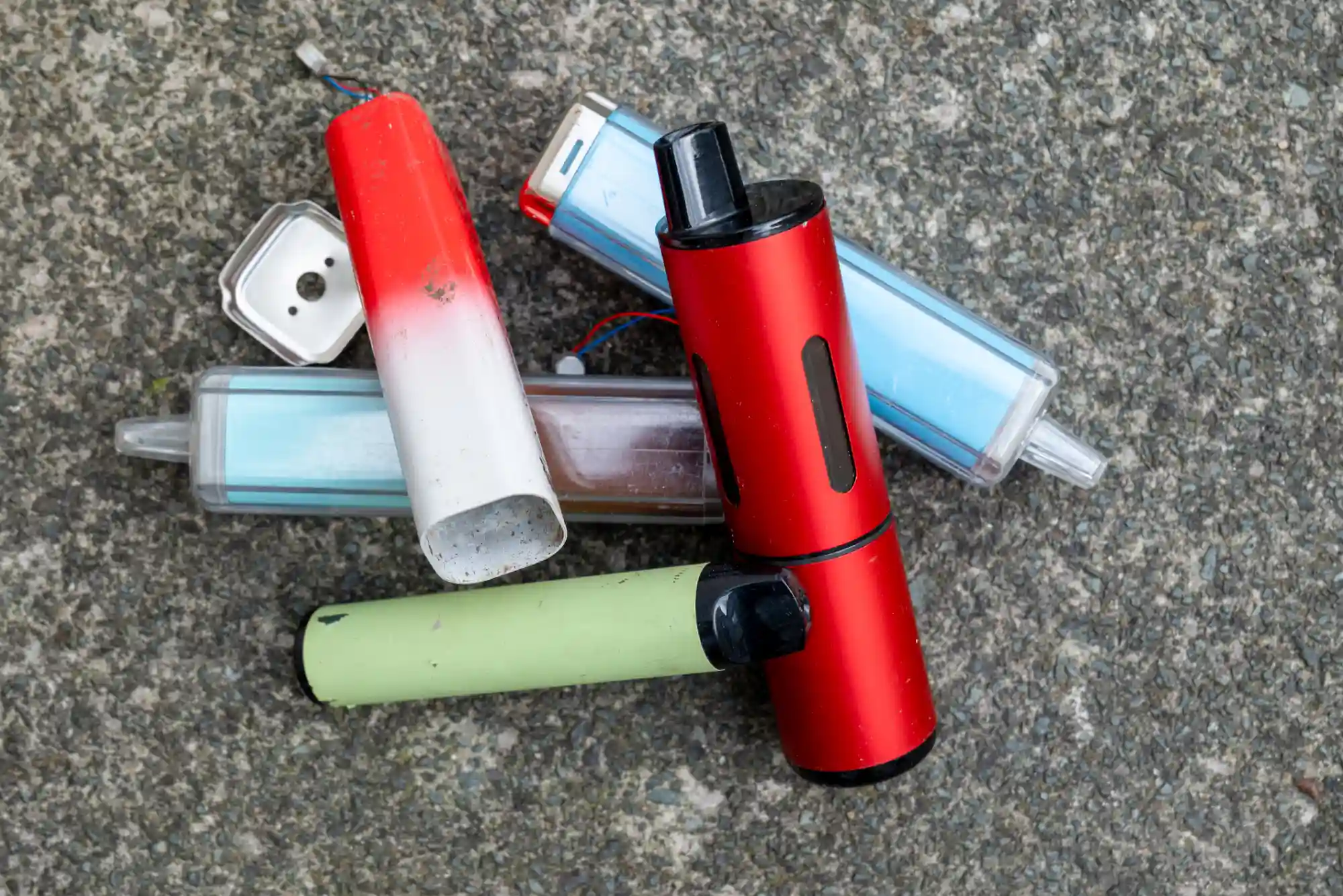
Introduction
The vaping industry continues to introduce new products, technologies, and designs. As a result, public interest in the new vape market continues growing. However, many consumers still misunderstand how vaping products work. Some believe modern devices are completely safe. Others assume that every vaping product creates identical health risks.
The truth requires a closer examination of scientific evidence. Modern technology can improve device performance, but it cannot guarantee safety. Understanding Common Misconception: New vape and the Truth About Vaping helps readers separate marketing claims from reliable information.
Whether discussing disposable devices or rechargeable systems, accurate knowledge matters. Consumers should understand nicotine, aerosol ingredients, and changing regulations. This article explores common misconceptions and explains important facts about modern vaping.
Understanding the New Vape Industry
The new vape industry has changed considerably over recent years. Manufacturers now produce different devices with updated electronic features. These include rechargeable batteries, compact designs, and adjustable settings.
Some products also feature digital screens and improved charging systems. These developments make devices different from earlier models. Nevertheless, improved functionality does not automatically indicate improved health outcomes.
Why Are New Vape Products Becoming Popular?
Modern product designs attract attention through convenience and appearance. Many devices feature compact shapes and straightforward operating systems. Some manufacturers also promote different flavours and technological features.

Social media contributes to the popularity of these products. Online discussions expose consumers to vaping-related advertisements and reviews. However, promotional content does not always explain potential health concerns.
Understanding the new vape market requires looking beyond attractive packaging. Consumers should examine product ingredients and relevant safety information.
Different Types of Modern Vaping Devices
Disposable devices generally have limited-use designs. Rechargeable pod systems use replaceable or refillable cartridges. More advanced devices may provide adjustable power settings.
Although these products differ in appearance, their basic function remains similar. They heat liquids to produce an inhalable aerosol. This aerosol may contain nicotine and other chemical substances.
Therefore, consumers should not assume that a particular design eliminates vaping risks.
Common Misconceptions About New Vape Products
Misleading information creates confusion about modern vaping products. Some misconceptions originate from advertisements. Others develop through incomplete scientific knowledge.
Understanding these misunderstandings helps readers make better-informed decisions.
Misconception One: New Vape Products Are Completely Safe
One widespread misconception describes modern vaping products as harmless. Manufacturers sometimes highlight advanced technology and improved product designs.
However, vaping is not risk-free. Many products contain nicotine, which causes addiction. Their aerosols may also contain substances that affect respiratory health.
The long-term effects of vaping require further scientific investigation. Consequently, describing every new vape as completely safe is misleading.
People who never smoked should avoid starting vaping. Young people and pregnant individuals should particularly avoid nicotine exposure.
Misconception Two: Nicotine-Free Vapes Have No Health Risks
Some consumers believe nicotine-free products cannot cause harm. However, this assumption overlooks other ingredients.
Vaping liquids may contain solvents and flavouring chemicals. Heating these substances can produce additional compounds. Users subsequently inhale the resulting aerosol.
Furthermore, product labels do not always provide complete guarantees. Unregulated products may contain undisclosed ingredients.
Therefore, nicotine-free does not automatically mean harmless. Consumers should understand the potential risks of inhaling aerosols.
Misconception Three: New Technology Makes Vaping Healthier
Manufacturers frequently promote technological improvements. These include temperature controls, rechargeable batteries, and airflow adjustments.
Such features may improve device functionality. However, they do not establish better health outcomes.
A digital display cannot eliminate nicotine addiction. Similarly, attractive packaging cannot demonstrate medical safety.
Consumers should distinguish technological innovation from scientifically established health improvements.
Misconception Four: Vaping Produces Only Harmless Water Vapour
Another common misunderstanding describes vaping emissions as simple water vapour. In reality, vaping produces an aerosol containing different substances.
Depending on the product, this aerosol may contain nicotine and fine particles. It may also contain flavouring chemicals and other potentially harmful compounds.
Secondhand aerosol can expose nearby people to these substances. Therefore, describing vaping emissions as harmless water vapour is inaccurate.
The Truth About Vaping and Its Health Effects
Understanding health concerns is essential when discussing the new vape industry. Scientific research offers more reliable information than promotional material.
What Happens When Someone Uses a Vape?
Most vaping devices heat an e-liquid to create an inhalable aerosol. This aerosol enters the respiratory system during inhalation.
Depending on the product, it may contain nicotine and other chemicals. Some aerosols contain substances that can irritate the respiratory system.
Scientists continue studying the long-term health consequences of vaping. Therefore, consumers should avoid assuming that newer products are automatically safer.
Nicotine Addiction and Modern Vaping Devices
Nicotine remains an important concern associated with vaping. Regular exposure can lead to dependence.
Some modern products contain relatively high nicotine concentrations. Their convenient designs may also encourage frequent use.
Young people face particular concerns because nicotine can affect brain development. Pregnant individuals should also avoid nicotine exposure.
Understanding these risks helps consumers evaluate common vaping claims.
Can Vaping Help Adults Stop Smoking?
This question requires a balanced explanation. Research suggests nicotine e-cigarettes can help some adults stop smoking.
However, vaping is not harmless. It should not automatically replace professional smoking cessation support.
Adults who smoke should discuss established quitting options with healthcare professionals. They should also avoid continuing cigarette smoking alongside vaping.
People who never smoked should not begin using nicotine products.
New Vape Laws and International Regulations
Vaping regulations differ significantly between countries. Governments establish different policies according to public health priorities.
Some countries permit regulated vaping sales. Others introduce restrictions covering advertising, packaging, flavours, and nicotine concentrations. Certain jurisdictions prohibit sales entirely.
Why Are Governments Introducing New Vaping Laws?
Governments introduce regulations to address public health concerns. Protecting young people is particularly important.
National policies may regulate manufacturing and retail distribution. Some governments also restrict vaping in indoor public spaces.
The World Health Organization reported in its 2025 Global Tobacco Epidemic report that 133 countries regulated electronic nicotine delivery systems in some way by 2024. Forty-two countries prohibited sales, while 91 introduced other regulatory measures.
These developments demonstrate the importance of understanding international vaping policies.
WHO and National Law Trackers — New Vaping Law Summaries
Reliable regulatory information helps consumers understand changing legal requirements. The World Health Organization publishes international tobacco-control research and policy information.
Readers can explore WHO / national law trackers — new vaping law summaries to access authoritative public health information and international tobacco-control resources.
However, international information should not replace local legal advice. Consumers should also consult official government legislation and health department websites.
Why Local Vaping Regulations Matter
A product legally available in one country might be prohibited elsewhere. Importation requirements can also differ from domestic purchasing rules.
Some governments introduce restrictions covering disposable devices. Others regulate nicotine content, packaging, or minimum purchasing ages.
Therefore, checking current national legislation is essential before purchasing or importing vaping products.
How to Identify Misleading Vape Marketing
Modern advertisements frequently highlight attractive product features. However, consumers should evaluate promotional statements carefully.
Avoid Unsupported Safety Claims
Statements such as completely safe or risk-free deserve serious scrutiny. No vaping product should automatically be considered harmless.
Responsible manufacturers should provide transparent ingredient information. They should also follow applicable manufacturing and labelling requirements.
Understand Product Ingredients
Product labels can provide information about nicotine concentration and ingredients. They may also include manufacturing details and relevant warnings.
However, packaging alone cannot establish product safety. Consumers should remain cautious about unverified health claims.
Follow Reliable Scientific Information
Health information should come from recognised medical organisations. Scientific research is generally more useful than influencer promotions.
The WHO and national public health authorities provide valuable educational resources. Checking multiple reliable sources can also prevent misunderstandings.
Understanding Las Vegas vaping laws is essential for staying informed about local regulations, age restrictions, and public vaping rules. The truth about vaping goes beyond common misconceptions, helping readers explore the facts, legal responsibilities, and important considerations surrounding vaping in Las Vegas.
Frequently Asked Questions
Are new vape products safer than older vaping devices?
Not necessarily. New devices may include improved electronic features and different designs. However, these improvements do not establish better health outcomes. Vaping still carries potential health risks.
Is vaping safer than smoking cigarettes?
Vaping generally exposes users to fewer harmful chemicals than combustible cigarette smoke. However, it is not harmless. Adults who smoke should seek professional advice about quitting completely.
Does every new vape contain nicotine?
No. Some products are marketed as nicotine-free. Nevertheless, nicotine-free products may still produce aerosols containing potentially harmful substances.
What are the biggest misconceptions about vaping?
Common misconceptions include believing vaping produces harmless water vapour. Others assume modern devices are completely safe. Some also believe nicotine-free products have no health risks.
Are new vaping laws different across countries?
Yes. Countries establish different rules covering sales, advertising, nicotine content, and public use. Consumers should check official government legislation for current requirements.
Where can readers find reliable information about vaping regulations?
The World Health Organization provides international tobacco-control information and research. National government websites offer country-specific legislation and regulatory updates.
Understanding the Truth About New Vape
The discussion surrounding Common Misconception: New vape and the Truth About Vaping highlights the importance of accurate information. Modern vaping technology continues evolving, but innovation does not automatically mean improved health.
Vaping enthusiasts often look for reliable information, product insights, and updates about the vaping industry. Whether exploring vaping trends, learning about different devices, or understanding the latest developments, having a useful online resource makes the experience more informative. Visit TryVape5.com to discover helpful vaping-related content, industry insights, and information for curious readers.