Selling Vapes Law: A Closer Look at Vaping Safety Concerns
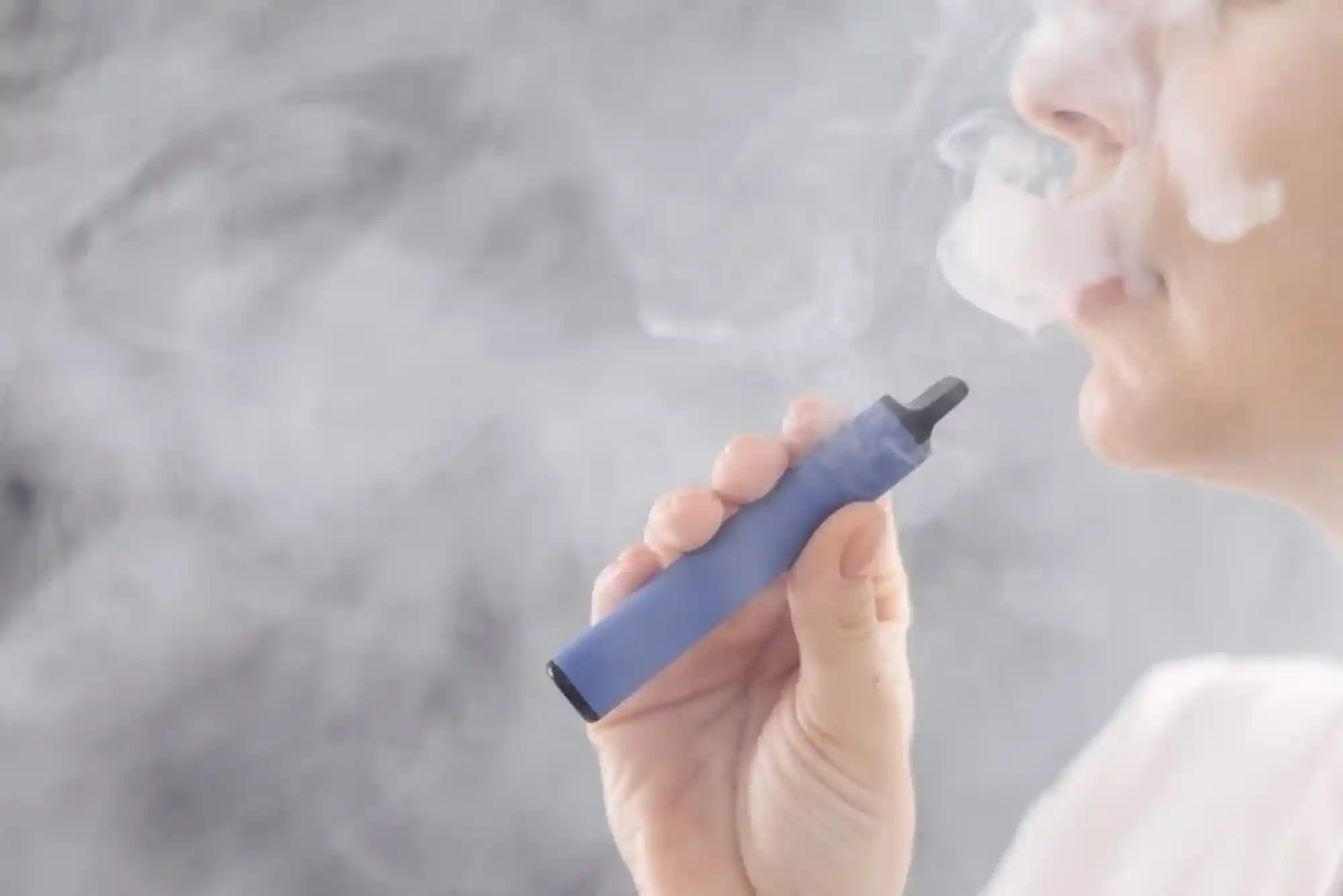
The rapid growth of vaping has created both opportunities and challenges for governments, businesses, and consumers. While vaping products are often promoted as safer alternatives to traditional cigarettes, the legal framework surrounding their sale is complex and continues to evolve. Understanding the selling vapes law is essential for retailers, distributors, and even individuals who want to stay compliant and safe. But beyond the legal boundaries, there are pressing safety concerns that make this a topic of serious public debate. In this article, we will take a closer look at what the law says about selling vapes, how safety concerns tie into these regulations, and what it means for the future of vaping.
The Growing Popularity of Vaping
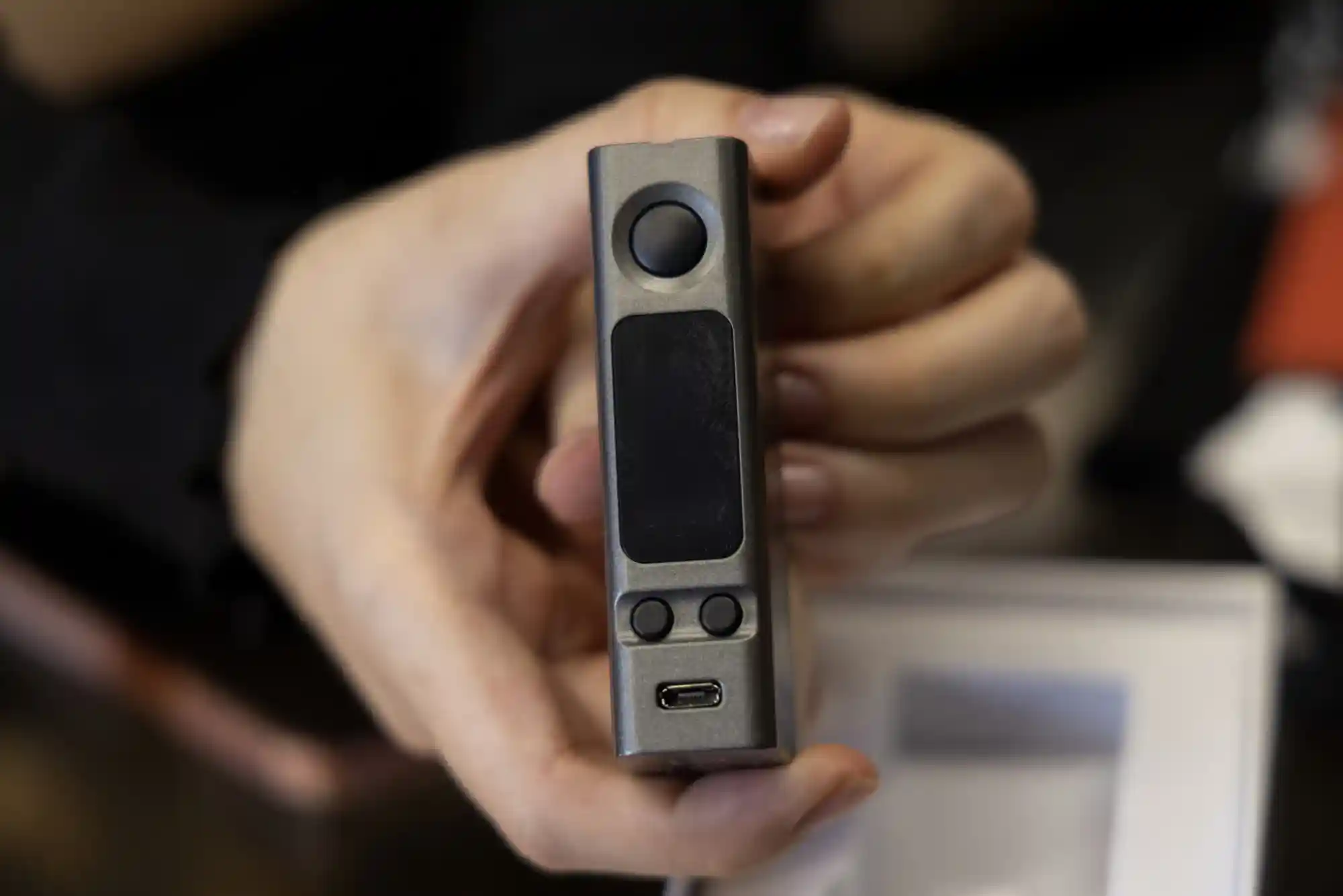
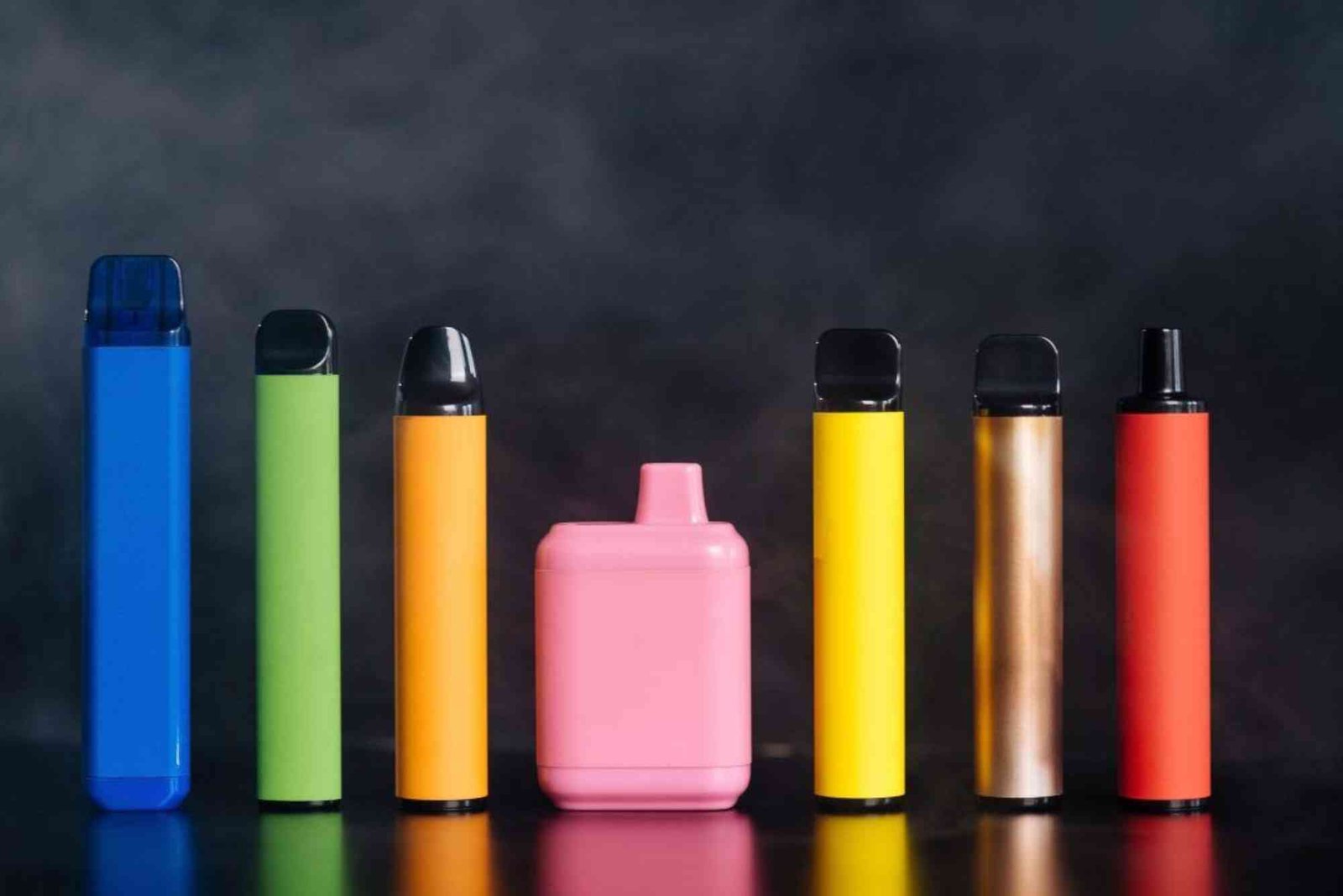
Over the past decade, vaping has shifted from a niche activity into a mainstream lifestyle trend. From flavored e-liquids to sleek, modern vape devices, the industry has appealed to younger generations seeking alternatives to smoking. The market has expanded so quickly that lawmakers have often struggled to keep up. As a result, the selling vapes law differs significantly from one country to another, with each government attempting to balance public health, taxation, and consumer freedom.
Why Laws on Selling Vapes Exist
The main reason laws on selling vapes exist is to protect public health. While vaping is often marketed as a reduced-harm product compared to cigarettes, it is not risk-free. Nicotine is still addictive, and the long-term effects of inhaling vaporized chemicals remain uncertain. Regulators therefore use laws to control who can sell these products, where they can be sold, and what kind of advertising is allowed. Another important factor is the protection of minors. Many legal restrictions specifically target youth vaping, as health authorities warn about the risks of nicotine addiction at an early age. By limiting access, lawmakers hope to reduce the chances of a new generation becoming dependent on nicotine.
Selling Vapes Law: Global Differences
Vaping laws vary widely depending on where you are. In the United States, for instance, the Food and Drug Administration (FDA) regulates the sale of e-cigarettes and vaping devices. Retailers must check IDs and cannot sell to anyone under 21. Additionally, flavored vape products have faced restrictions in many states due to concerns they appeal to teenagers. In the United Kingdom, vaping is legal but regulated under tobacco and related products laws. The minimum age is 18, and there are strict rules on advertising. Interestingly, public health bodies like Public Health England have suggested that vaping may help smokers quit, creating a unique balance between regulation and harm reduction. Meanwhile, in countries like India and Thailand, vaping is heavily restricted or outright banned, highlighting how differently governments interpret the risks.
Safety Concerns Linked to Vaping
Nicotine Addiction
Even when laws regulate the sale of vapes, nicotine addiction remains a primary safety concern. Many e-liquids contain high levels of nicotine, making it easy for new users, particularly young people, to become dependent quickly.
Chemical Risks
Apart from nicotine, e-liquids contain flavorings, propylene glycol, and vegetable glycerin. While these are generally considered safe for food use, their effects when inhaled are not fully understood. Some chemicals have been linked to lung irritation and long-term health risks.

Battery Explosions
There have been reports of vape devices malfunctioning or exploding due to battery issues. These incidents, though rare, highlight the need for stronger product safety standards and careful regulation of device manufacturing.
Youth Vaping Epidemic
Perhaps the most alarming safety issue is the rising trend of youth vaping. Flavored e-liquids, sleek device designs, and aggressive marketing have led to widespread use among teenagers. Laws restricting sales to minors are essential, but enforcement remains a challenge.
How Selling Vapes Law Responds to Safety Concerns
The connection between law and safety is clear. Every new safety concern seems to prompt a legislative response. For example, once reports of teen vaping skyrocketed, many regions implemented stricter age-verification systems. Similarly, the rise in unregulated black-market vape products prompted governments to enforce licensing rules for sellers. Even advertising laws often tie directly to safety concerns, with regulations banning youth-oriented marketing campaigns.
Challenges for Retailers
For businesses selling vapes, navigating these laws can be difficult. A retailer in one state or country may find that their products are perfectly legal, while in another jurisdiction, they face heavy fines or even criminal charges. Compliance requires continuous monitoring of legal updates. Retailers also need to train staff in age verification, understand packaging requirements, and avoid misleading health claims. The complexity of these laws is one reason many small businesses struggle in the vape industry.
Consumer Awareness and Responsibility
While much of the burden falls on lawmakers and retailers, consumers also have a role in ensuring vaping safety. Buyers should only purchase from reputable sellers who follow the law. Purchasing unregulated or counterfeit products online may seem cheaper but comes with significant risks, including exposure to unsafe ingredients. Consumers should also stay informed about their local selling vapes law, since ignorance of the law is not a defense against penalties.
The Future of Selling Vapes Law
The future of vaping laws seems likely to bring even stricter regulations. Governments are increasingly concerned about youth vaping, environmental impacts from disposable vape devices, and long-term health outcomes. Many experts predict new laws will expand to include higher taxes, eco-friendly packaging requirements, and tighter advertising restrictions. At the same time, public health experts acknowledge that vaping could play a role in smoking cessation. This dual perspective means future laws will probably try to strike a balance between harm reduction and consumer protection.
FAQs
Can I legally sell vapes online?
In many countries, online sales are permitted but heavily regulated. Sellers must verify customer age and comply with shipping restrictions.
What is the minimum age to buy vapes?
Most countries set the minimum age at either 18 or 21. Selling to anyone younger can result in severe penalties.
Are flavored vapes banned everywhere?
No, bans vary by region. Some countries restrict flavors due to youth appeal, while others still allow them under regulation.
Can I sell vapes without a license?
In most regions, a license is required to sell vaping products legally. Selling without one may lead to fines or business closure.
Why are vape sales regulated like tobacco?
Because most vapes contain nicotine, regulators classify them alongside tobacco products to protect public health and prevent youth addiction.
The selling vapes law is more than just a set of rules—it is a response to real health and safety concerns. From protecting young people against nicotine addiction to preventing unsafe products from entering the market, laws serve as a critical safeguard. At the same time, vaping continues to be viewed by some health professionals as a tool for reducing cigarette smoking. This balance of risks and benefits makes the regulation of vapes one of the most challenging issues in modern public health.