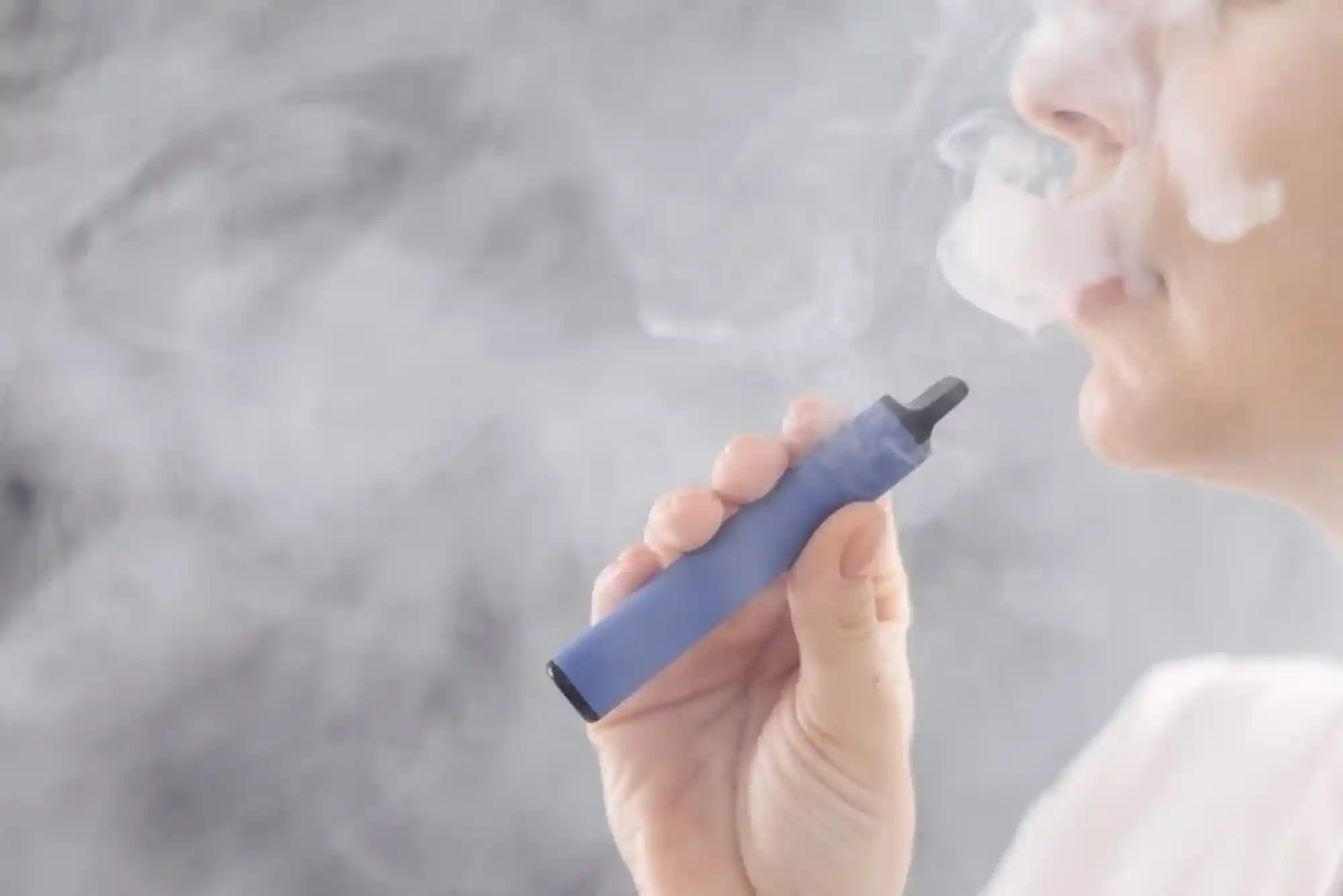

Maine Vape Law: A Closer Look at Vaping Safety Concerns
Vaping has become increasingly popular across the United States, including in Maine. As more people turn to e-cigarettes as an alternative to traditional smoking, lawmakers are working to balance public health concerns with consumer freedoms. Understanding the Maine vape law is essential not only for vapers but also for parents, retailers, and health advocates who want to stay informed about vaping safety and regulations. In this article, we take a detailed look at Maine’s current vaping laws and explore the safety concerns surrounding this growing trend.
Understanding Maine Vape Law: What You Need to Know
The Maine vape law aims to regulate the sale, use, and marketing of electronic vaping products. It has evolved over time as the popularity of vaping increased, especially among younger populations. At its core, Maine’s legislation focuses on restricting youth access, ensuring product safety, and controlling where vaping can take place.
Age Restrictions and Sales Regulations
Like many states, Maine has set the legal age for purchasing vaping products at 21. This is aligned with federal laws to limit youth exposure to nicotine. Retailers must verify the age of anyone buying vape products and face penalties for selling to minors.
Moreover, Maine has placed limits on where vaping is permitted. Vaping is banned in many public indoor spaces, including schools, restaurants, and workplaces. These restrictions are designed to protect non-vapers from secondhand aerosol exposure.
Product Safety and Labeling
Maine vape law requires manufacturers and sellers to comply with safety standards. This includes proper labeling of vape liquids with ingredients and nicotine content. These rules help consumers make informed choices and reduce the risk of exposure to harmful chemicals.
Taxation and Licensing
Vape products in Maine are subject to excise taxes similar to those on traditional tobacco products. Retailers need special licenses to sell e-cigarettes, which helps regulate the industry and fund public health initiatives.

Vaping Safety Concerns: What Does the Science Say?
Even as vaping gains acceptance as a smoking alternative, health experts remain cautious. The Maine vape law reflects these concerns by imposing restrictions to reduce risks, but what exactly are the safety issues?
Nicotine Addiction and Youth Risks
Most vape products contain nicotine, a highly addictive substance. Young people are particularly vulnerable to nicotine’s effects on brain development. Studies show that early nicotine exposure can lead to long-term addiction and may increase the likelihood of transitioning to traditional cigarettes.
Chemical Exposure and Lung Health
Vape liquids contain various chemicals, including flavorings and solvents. Some of these can break down into harmful compounds when heated. Research has linked vaping to respiratory issues such as coughing, wheezing, and in severe cases, lung injury. While vaping is generally considered less harmful than smoking, it is not without risks.
Unknown Long-Term Effects
Because vaping is relatively new, long-term health effects remain uncertain. Maine vape law takes a precautionary approach by restricting use in public spaces and limiting youth access while research continues.
The Role of Maine Vape Law in Public Health
Maine’s legislative approach balances individual freedom with community safety. By regulating sales, usage locations, and product standards, the state aims to reduce potential harms while allowing adults access to vaping as a smoking cessation tool.
Promoting Smoking Cessation
One positive aspect of vaping is its potential to help smokers quit combustible cigarettes. Maine vape law does not prohibit adult use and recognizes vaping as a less harmful alternative for those trying to quit smoking. However, public health campaigns emphasize that vaping is not risk-free and encourage responsible use.
Preventing Youth Vaping Epidemic
Maine has experienced rising rates of youth vaping in recent years, mirroring national trends. The law’s restrictions on sales and advertising to minors are crucial to preventing a generation from developing nicotine addiction. Enforcement of these laws is an ongoing priority.
Challenges and Future Directions
Despite progress, challenges remain. Black market vape products, inconsistent enforcement, and the rapid introduction of new devices make regulation complex. Public health officials urge continuous review of Maine vape law to keep pace with technological changes and emerging evidence.
Balancing Access and Control
Some adult vapers feel that restrictions are too strict, limiting their choices. Finding a balance between protecting youth and allowing adult freedom will require ongoing dialogue between lawmakers, health experts, and the vaping community.
Adapting to New Research
As more studies emerge on vaping’s effects, Maine’s regulations will likely evolve. Policymakers must stay informed to adjust laws that promote safety without unnecessarily restricting innovation.
The Maine vape law is a critical framework that governs vaping in the state, aiming to protect public health while recognizing the realities of vaping as a smoking alternative. Understanding these laws helps consumers and businesses navigate the legal landscape safely and responsibly.
FAQs
What is the legal age to buy vape products in Maine?
The legal age to purchase vape products in Maine is 21, following both state and federal laws.
Where is vaping prohibited in Maine?
Vaping is banned in most indoor public spaces, including schools, restaurants, and workplaces to protect non-users from secondhand vapor.
Are vape products taxed in Maine?
Yes, Maine imposes excise taxes on vape products similar to those on traditional tobacco products.
Does Maine require vape product labeling?
Yes, vape products must have clear labels detailing ingredients and nicotine content.
Can vaping help people quit smoking?
Vaping may assist smokers in quitting combustible cigarettes, but it is not without risks and should be used responsibly.
What are the main health concerns related to vaping?
Health concerns include nicotine addiction, lung irritation, chemical exposure, and unknown long-term effects.