Electronic Tobacconists: A Closer Look at Vaping Safety Concerns
Vaping has surged in popularity over the past decade, reshaping how many approach nicotine consumption. Central to this shift are electronic tobacconists, specialized retailers that provide vape devices, e-liquids, and accessories. While vaping is often marketed as a safer alternative to smoking, concerns about its safety persist. This article takes a closer look at electronic tobacconists and the important vaping safety concerns every user should know.
Understanding Electronic Tobacconists
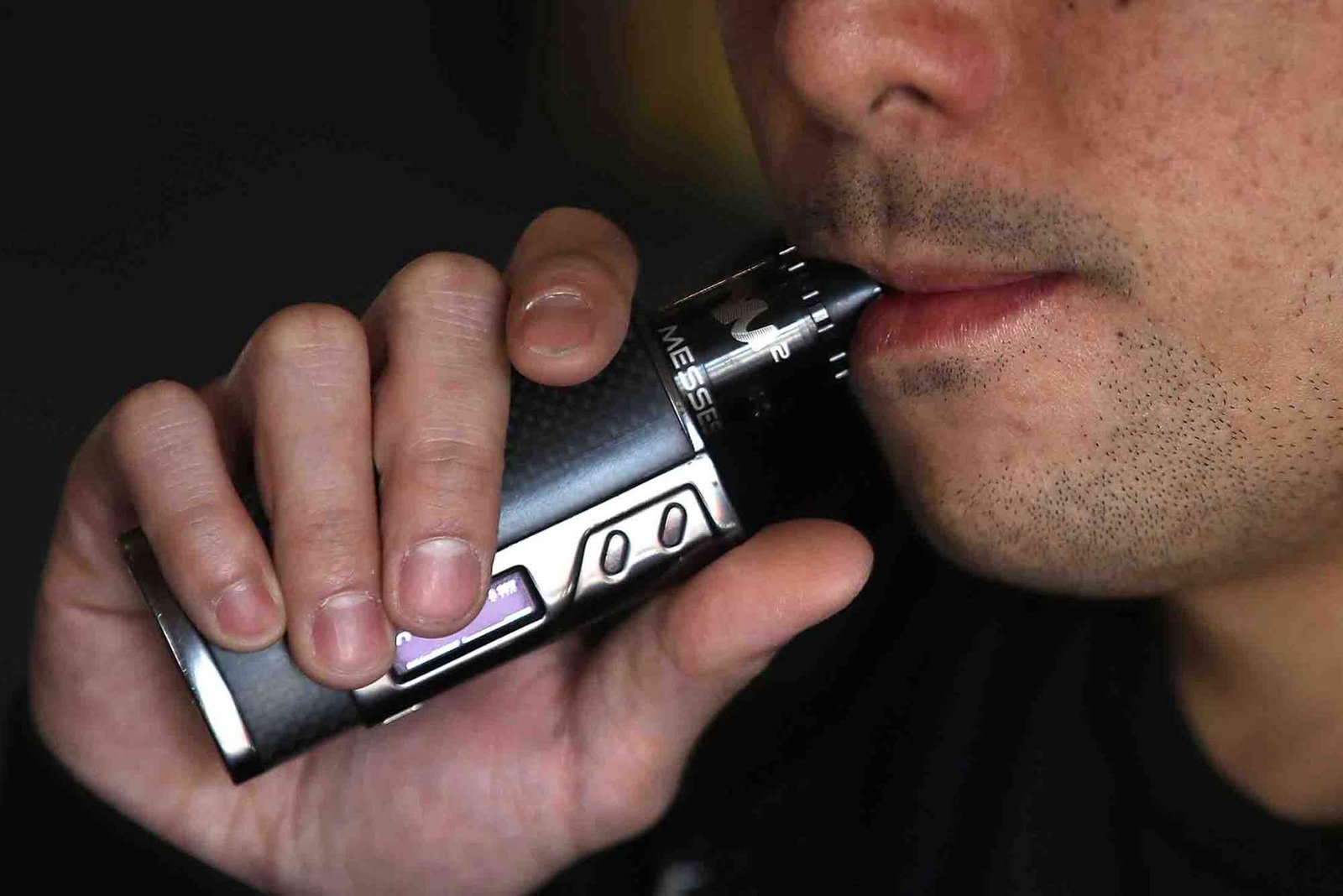
Electronic tobacconists are retail outlets—both physical stores and online shops—that focus primarily on vaping products. Unlike traditional tobacconists, which sell cigarettes, cigars, and other classic tobacco products, electronic tobacconists specialize in e-cigarettes, vape pens, mods, and e-liquids.
These retailers play a vital role in the vaping ecosystem by providing consumers with access to quality products, expert advice, and compliance with relevant regulations. Because vaping technology is relatively new, electronic tobacconists also serve as a bridge between manufacturers and users, often educating customers about safe usage.
Why Vaping Safety Matters
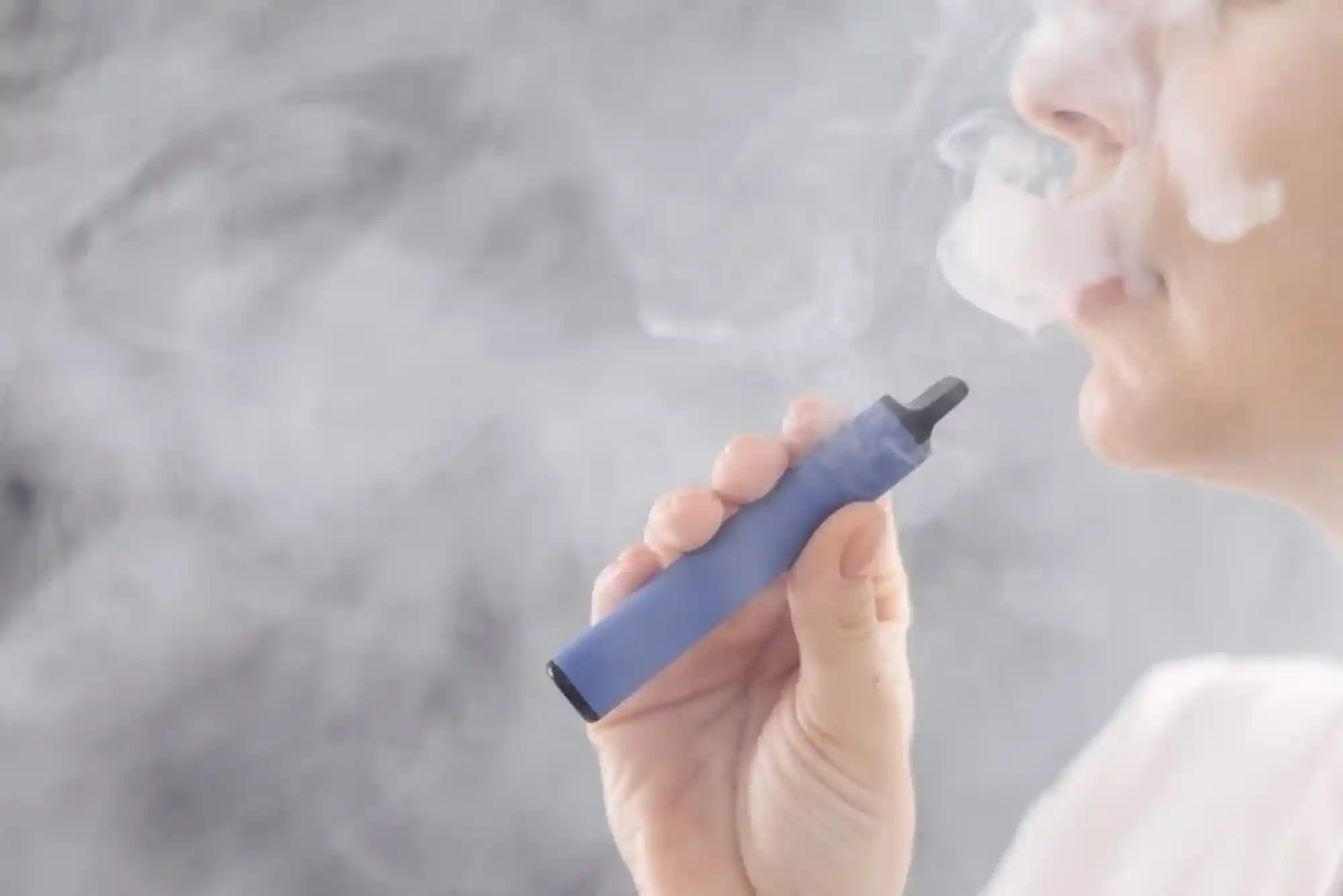
Vaping is often perceived as less harmful than traditional smoking, mainly because it does not involve burning tobacco, which produces tar and many carcinogens. However, this does not mean vaping is risk-free. Safety concerns surrounding vaping products include chemical exposure, device malfunctions, and unknown long-term health effects.
Electronic tobacconists have a responsibility to address these concerns by ensuring product quality and providing accurate information. As a consumer, understanding these issues helps you make safer choices when purchasing and using vaping products.
Common Vaping Safety Concerns Highlighted by Electronic Tobacconists
Chemical Composition and E-Liquids
E-liquids, also known as vape juices, consist primarily of propylene glycol (PG), vegetable glycerin (VG), nicotine, and flavorings. While these ingredients are generally recognized as safe for ingestion, inhaling vaporized substances is a different matter.

Some flavoring agents may contain harmful chemicals when vaporized. For example, diacetyl, a buttery flavor additive, has been linked to a lung condition called “popcorn lung.” Electronic tobacconists typically source e-liquids from reputable manufacturers who test for such chemicals, but the lack of universal regulation can leave some products questionable.
Device Quality and Battery Safety
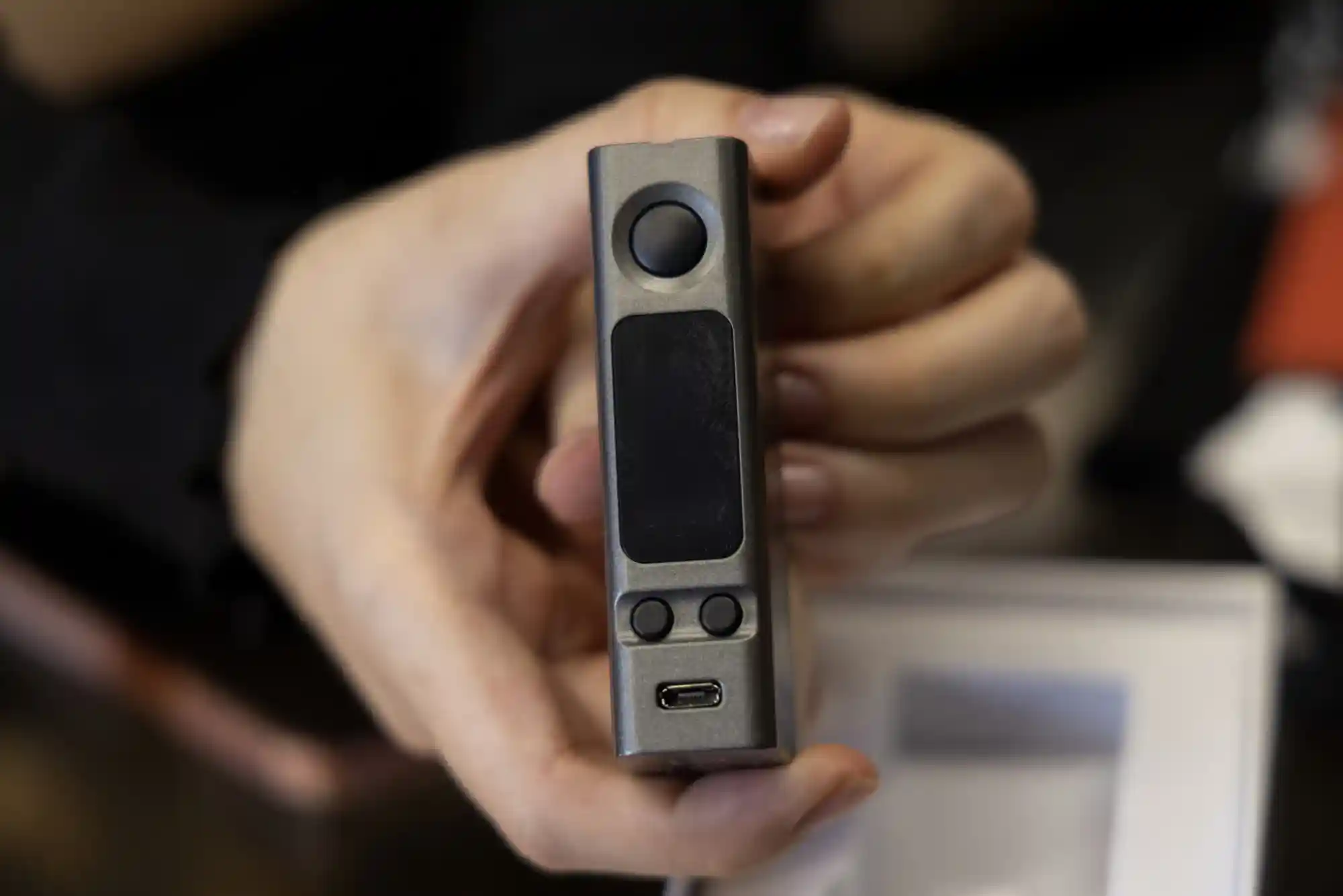
Electronic tobacconists often emphasize the importance of using high-quality devices. Cheap or counterfeit vape pens can pose significant safety risks, especially related to lithium-ion batteries. There have been cases of battery explosions or fires due to poor design, improper charging, or damaged batteries.
Professional tobacconists ensure that the devices they sell comply with safety standards and provide guidance on safe charging practices. Users should avoid modifying batteries or using incompatible chargers to minimize risks.
Nicotine Concentration and Usage
Nicotine is an addictive substance, and excessive intake can lead to health problems such as increased heart rate, high blood pressure, and nicotine poisoning. Electronic tobacconists help consumers choose the right nicotine strength for their needs and discourage overuse.
Clear labeling and responsible sales practices are essential. Some electronic tobacconists refuse to sell high-nicotine products to inexperienced users, encouraging a gradual approach to vaping.
Regulation and Compliance in the Electronic Tobacconist Industry
Because vaping products are relatively new, regulatory frameworks vary widely by country and region. Electronic tobacconists must stay updated on local laws concerning sales restrictions, marketing, packaging, and age verification.
In many countries, electronic tobacconists follow strict rules, including mandatory childproof packaging, health warnings on e-liquid bottles, and limits on nicotine concentration. Compliance helps protect consumers and legitimizes the business.
However, the rapid growth of vaping means that regulations continue to evolve. Electronic tobacconists often advocate for balanced rules that protect public health without stifling access for adults who want safer alternatives to smoking.
Best Practices for Vaping Safety Recommended by Electronic Tobacconists
Purchase from Reputable Sources
Buying vape products from electronic tobacconists with a solid reputation ensures product authenticity and safety. Avoiding unregulated vendors or black-market products reduces exposure to counterfeit or poorly made devices and e-liquids.
Maintain and Inspect Devices Regularly
Electronic tobacconists often provide advice on how to care for devices, including cleaning coils, checking for battery damage, and replacing parts when necessary. Proper maintenance extends the life of the vape and reduces safety risks.
Use Nicotine Responsibly
Many electronic tobacconists encourage users to start with lower nicotine levels and gradually reduce consumption if possible. Understanding personal tolerance helps prevent overconsumption and nicotine-related side effects.
Stay Informed About Research
Vaping is an evolving field, and new studies continue to emerge about its health impacts. Electronic tobacconists sometimes host informational sessions or provide resources to keep users informed about the latest safety findings.
Common Myths About Vaping Safety and Electronic Tobacconists’ Perspective
Vaping Is Completely Safe
While vaping is generally safer than smoking tobacco, it is not risk-free. Electronic tobacconists stress that users should treat vaping as a harm-reduction tool, not a harmless habit.
All Vape Products Are the Same
Quality varies widely among brands and devices. Electronic tobacconists emphasize choosing reliable products tested for safety and efficacy.
Nicotine-Free Vaping Is Harmless
Even nicotine-free e-liquids contain chemicals that may affect lung health. Electronic tobacconists advise caution and moderation.
The Role of Electronic Tobacconists in Promoting Responsible Vaping
Electronic tobacconists are not just sellers; they often serve as educators and advocates for safer vaping. Many provide detailed product information, usage instructions, and safety tips. Some even collaborate with health organizations to promote vaping as a smoking cessation aid under medical supervision.
Their direct interaction with customers allows tobacconists to identify and address safety issues promptly, creating a safer vaping community.
Making Safe Choices with Electronic Tobacconists
Vaping continues to grow as an alternative to smoking, and electronic tobacconists play a pivotal role in shaping this landscape. While vaping is not without risks, buying from reputable electronic tobacconists and following safety guidelines can significantly reduce potential harm.
FAQs
Are electronic tobacconists regulated for safety?
Yes, in many regions, electronic tobacconists must comply with strict regulations on product safety, age verification, and labeling to protect consumers.
Can vaping cause lung damage?
While vaping is less harmful than smoking, inhaling vaporized chemicals may still irritate the lungs. Long-term effects are still being studied.
How do I know if an e-liquid is safe?
Purchasing e-liquids from reputable electronic tobacconists ensures products are tested and free from harmful additives like diacetyl.
What should I do if my vape device overheats?
Stop using it immediately. Consult your electronic tobacconist for inspection or replacement and avoid charging it unattended.
Is nicotine-free vaping completely safe?
Nicotine-free e-liquids still contain chemicals that may affect lung health. Use moderation and choose products from trusted sources.