Vape Meets Yoga: A Controversial Trend
Introduction
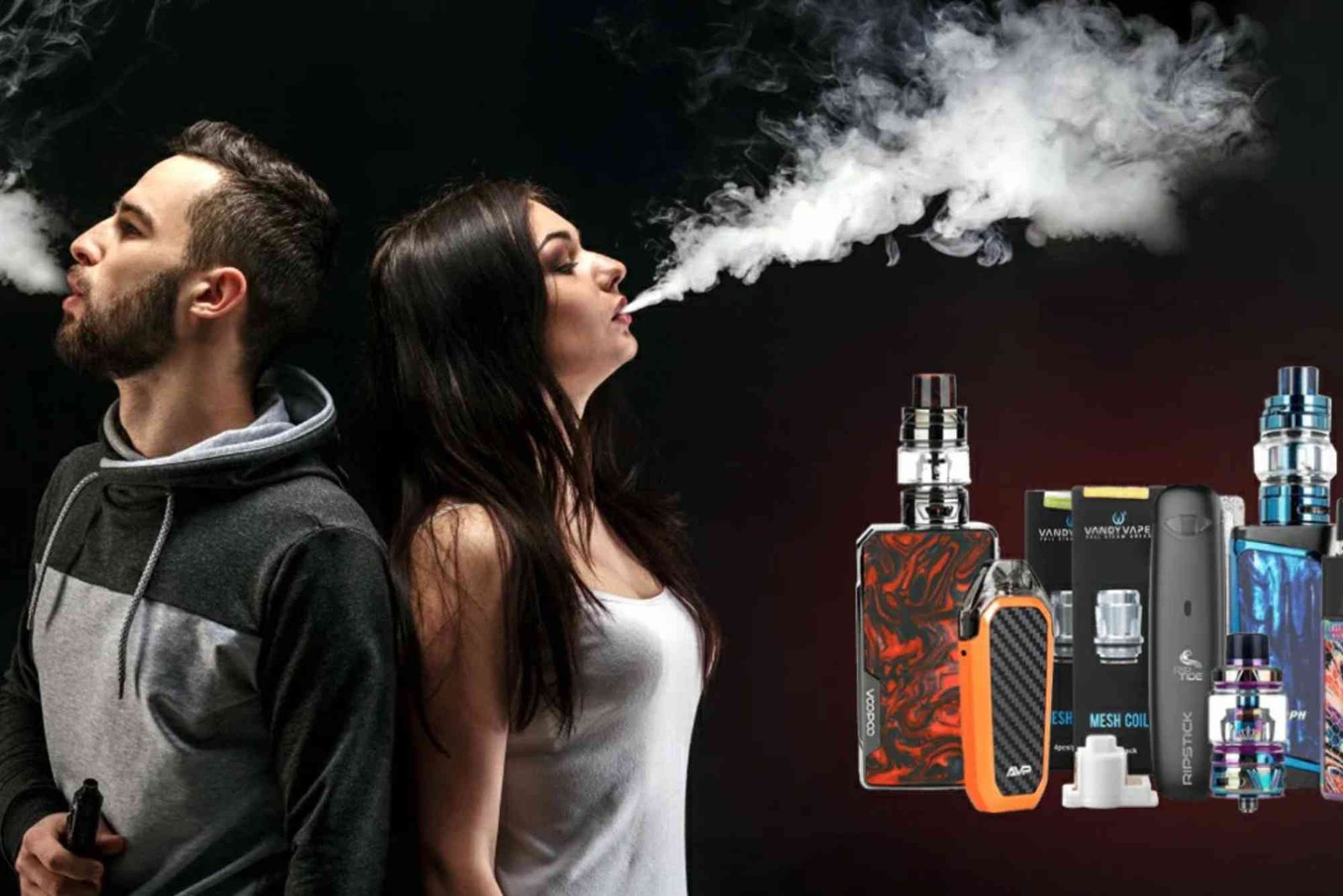
Vape Meets Yoga: A Controversial Trend is an unusual combination attracting attention across modern lifestyle and wellness communities. Yoga traditionally promotes mindfulness, physical balance, relaxation, and healthy breathing. Vaping, however, introduces nicotine, aerosols, and potential respiratory concerns into this wellness conversation.
Although some people associate vaping with relaxation, its relationship with yoga remains questionable. The combination raises important questions about health, personal choices, and authentic wellness. It also highlights changing attitudes toward lifestyle habits among younger generations.
As wellness culture continues evolving, conversations about vaping and mindfulness deserve careful consideration. Understanding both practices helps people make informed decisions without confusing temporary relaxation with genuine health benefits.
Understanding Vape Meets Yoga: A Controversial Trend
Vape Meets Yoga: A Controversial Trend describes the intersection of vaping culture and contemporary yoga communities. It reflects an unconventional lifestyle combination rather than an established yoga discipline.
Yoga focuses on controlled breathing, movement, concentration, and body awareness. Conversely, vaping involves inhaling an aerosol produced by an electronic device. Depending on the product, this aerosol may contain nicotine, flavorings, and other chemicals.
The contrast makes this combination controversial. Yoga encourages people to become more conscious of their bodies. Meanwhile, vaping introduces substances that may negatively affect respiratory and cardiovascular health.

Nevertheless, social media discussions sometimes present both activities as elements of modern relaxation culture. This creates an interesting conversation about how wellness trends develop and influence everyday decisions.
Why Are Vape and Yoga Appearing Together?
Modern lifestyle communities frequently experiment with different activities. Social media also influences how people understand relaxation, identity, and personal wellness.
Changing Lifestyle Preferences
Younger adults increasingly explore activities that combine physical movement with personal expression. Yoga offers flexibility, mindfulness, and community participation.
Vaping has also developed a recognizable lifestyle identity in certain social circles. Some individuals associate flavored devices and vaping culture with social interaction.
However, combining two popular activities does not automatically create a healthier lifestyle. Their individual effects must remain separate considerations.
Social Media and Modern Wellness Culture
Instagram, TikTok, and lifestyle blogs influence how people discover unconventional wellness ideas. Attractive photography and creative content can make unusual combinations appear fashionable.
Consequently, Vape Meets Yoga: A Controversial Trend sometimes becomes a discussion about personal branding rather than actual health benefits.
This is where culture and community trend coverage becomes relevant. Lifestyle conversations should distinguish genuine wellness practices from trends designed primarily for attention.
The Appeal of Relaxation
Some vaping users describe the experience as relaxing. Nicotine can produce temporary feelings of pleasure and stimulation.
However, nicotine is addictive. Its effects should not be confused with the lasting psychological benefits associated with mindfulness and regular physical activity.
Health Concerns Behind Vape Meets Yoga: A Controversial Trend
The biggest concern surrounding this trend involves respiratory health. Yoga often includes deep breathing exercises, while vaping exposes the lungs to aerosol particles.
Understanding the Effects of Vaping
Vape aerosol is not simply harmless water vapor. It may contain nicotine, ultrafine particles, heavy metals, and potentially harmful chemicals.
According to the CDC, most vaping products contain addictive nicotine. Researchers are still studying their long-term health effects.
CDC+1
Some users experience coughing, throat irritation, headaches, or breathing discomfort. These effects can interfere with comfortable participation in physical activities.
Why Breathing Matters During Yoga
Breath awareness is central to many yoga practices. Techniques such as pranayama encourage controlled inhalation and exhalation.
However, vaping may introduce respiratory irritants. This makes the combination particularly concerning for people with existing breathing difficulties.
A 2025 systematic review identified associations between e-cigarette use and respiratory problems. However, the researchers also highlighted limitations in the available evidence.
PubMed
Nicotine and Mental Wellbeing
Some people believe nicotine helps them manage everyday stress. However, nicotine dependence can create repeated cravings and withdrawal symptoms.
The temporary relief associated with vaping may actually reflect relief from nicotine withdrawal. Therefore, it should not be considered an effective mindfulness technique.
American Heart Association
How Yoga Promotes Genuine Relaxation
Understanding yoga’s actual purpose helps explain the controversy surrounding Vape Meets Yoga: A Controversial Trend.
Yoga combines physical postures, breathing awareness, and meditation. These practices encourage individuals to develop healthier relationships with their bodies.
Mindfulness Without Nicotine
Mindfulness involves observing thoughts and sensations without immediately reacting. Regular practice can help individuals recognize emotional triggers.
Meditation provides an opportunity to slow down and concentrate. It does not require nicotine or other inhaled substances.
Breathing Exercises and Body Awareness
Breathing exercises encourage controlled, comfortable breathing. Beginners can start with gentle techniques rather than complicated breathing patterns.
For example, slow nasal breathing may help establish a comfortable rhythm. Anyone experiencing dizziness or breathing discomfort should stop and return to normal breathing.
Creating a Healthier Wellness Environment
A positive yoga environment should prioritize comfort, cleanliness, and respiratory health. Participants should respect shared spaces and avoid exposing others to vaping aerosol.
This approach supports an inclusive wellness community. It also keeps the focus on yoga’s original physical and mental objectives.
Vape Meets Yoga: A Controversial Trend Compared With Traditional Wellness
The following table explains the differences between vaping and traditional yoga practices.
|
Comparison Factor |
Vaping |
Traditional Yoga |
|---|---|---|
|
Primary purpose |
Inhaling aerosol, sometimes containing nicotine |
Physical movement and mindfulness |
|
Breathing |
Involves inhaling aerosol |
Encourages breath awareness |
|
Health considerations |
Potential respiratory and cardiovascular risks |
Supports physical activity and flexibility |
|
Addiction potential |
Nicotine can cause dependence |
No substance-related addiction |
|
Mental relaxation |
Temporary effects may occur |
Promotes relaxation and awareness |
|
Long-term wellness |
Potential health concerns |
Can support a healthy lifestyle |
This comparison demonstrates why Vape Meets Yoga: A Controversial Trend attracts criticism. The activities have different purposes and health implications.
Combining them does not remove the risks associated with vaping.
The Influence of Social Media on This Controversial Trend
Social media plays an important role in introducing unusual lifestyle combinations. Influencers frequently share personal routines, aesthetic photographs, and unconventional wellness ideas.
Lifestyle Branding and Online Communities
Modern wellness content often combines fashion, fitness, music, and personal identity. Vaping sometimes appears within these lifestyle conversations.
However, attractive content does not establish scientific credibility. Viewers should question claims suggesting vaping improves meditation or physical performance.
Separating Popularity From Evidence
A trend can become popular without offering meaningful health benefits. Online engagement also does not prove that a practice is safe.
Vape Meets Yoga: A Controversial Trend illustrates this distinction. Responsible creators should discuss potential risks instead of presenting vaping as a wellness accessory.
Can Vaping Affect Yoga Performance?
Vaping may affect comfort during physical activity, particularly when respiratory irritation occurs.
Yoga requires participants to coordinate movement with breathing. Consequently, coughing, throat irritation, or shortness of breath can make certain exercises uncomfortable.
Nicotine can also increase heart rate and blood pressure. These effects are relevant when considering activities involving physical exertion.
PubMed+1
People experiencing chest discomfort, persistent coughing, or unusual breathlessness should stop exercising and seek appropriate medical advice.
The safest approach is to keep vaping separate from yoga. People who do not vape should avoid starting.
Is Vape Meets Yoga: A Controversial Trend Suitable for Beginners?
Beginners should approach this combination with caution. Yoga does not require vaping, nicotine, or any additional substance.
New participants should focus on learning basic postures and comfortable breathing techniques. A qualified instructor can help them develop a safe routine.
People who already vape may benefit from discussing nicotine cessation with a healthcare professional. Support can make changing addictive habits more manageable.
Ultimately, Vape Meets Yoga: A Controversial Trend should encourage conversations about responsible lifestyle choices rather than promote unnecessary health risks.
The Future of Yoga and Modern Wellness Culture
The wellness industry continues introducing creative approaches to physical and mental wellbeing. However, responsible innovation should always consider scientific evidence.
Yoga communities can embrace modern lifestyles without compromising their fundamental principles. Meditation, stretching, mindful movement, and breathing exercises remain accessible options.
Furthermore, wellness influencers have an opportunity to promote accurate information. They can discuss controversial subjects while encouraging healthier decisions.
Vape Meets Yoga: A Controversial Trend may remain an interesting cultural discussion. Nevertheless, its popularity should never replace evidence-based health guidance.
Frequently Asked Questions
What Is the Concept Behind Vape Meets Yoga?
Vape Meets Yoga describes an unconventional lifestyle combination involving electronic vaping products and yoga practices. It represents a cultural discussion rather than a recognized yoga technique.
Yoga emphasizes mindfulness, movement, and controlled breathing. Vaping involves inhaling aerosol, which may contain nicotine and other potentially harmful substances.
Is Vaping Bad for Your Lungs?
Yes, vaping can expose the lungs to potentially harmful substances. Aerosols may contain ultrafine particles, heavy metals, and other chemicals.
Some users experience coughing, irritation, and breathing difficulties. Scientists continue investigating the long-term respiratory consequences of vaping.
CDC+1
Does Vaping Help With Stress and Anxiety?
Some individuals report temporary relaxation after vaping. However, nicotine can create dependence and withdrawal-related stress.
The temporary relief may come from satisfying nicotine cravings. Meditation and other evidence-based relaxation techniques offer alternatives without nicotine exposure.
American Heart Association
Can You Practice Yoga After Vaping?
There is no established health benefit to vaping before yoga. Vaping may cause respiratory irritation or discomfort during physical activity.
People should avoid combining vaping with breathing exercises. Anyone experiencing unusual symptoms should stop exercising and seek medical guidance.
Why Is Vape Meets Yoga Considered Controversial?
The combination brings together two activities with different health implications. Yoga encourages mindful breathing and physical wellbeing.
Vaping introduces potential respiratory risks and nicotine dependence. This contradiction creates debate among wellness professionals and lifestyle communities.
What Are Healthier Alternatives to Vaping During Yoga?
Meditation, gentle stretching, mindful breathing, and relaxing music can complement yoga sessions.
These activities encourage relaxation without introducing nicotine or vaping aerosol. Beginners can explore different approaches to discover what feels comfortable.
tryvape5.com is an online platform focused on vape-related products, information, and resources. Visitors can explore different vaping options, learn about product features, and compare available choices. As vaping regulations and product availability can vary by location, users should always review local laws and purchase responsibly from legitimate sources.
Conclusion
Vape Meets Yoga: A Controversial Trend highlights the complicated relationship between modern lifestyle culture and traditional wellness practices.
Although combining different activities may attract social attention, popularity does not guarantee health benefits. Yoga promotes mindfulness, flexibility, and breathing awareness. Vaping introduces potential health concerns that deserve serious consideration.
A genuinely healthy lifestyle should prioritize informed decisions, physical wellbeing, and responsible habits.
Take the next step: Explore healthier wellness routines, learn about the benefits of traditional yoga, and share this article with others interested in modern lifestyle trends.