
The Underground Vape Scene in Japan: Culture, Trends, and Regulations
Introduction
Japan is famous for its advanced technology, unique fashion, and evolving youth culture. However, another interesting development exists beneath its mainstream lifestyle. The underground vape scene in Japan has attracted attention among enthusiasts, curious consumers, and international visitors.
Unlike countries with established vaping markets, Japan has a distinctive regulatory environment. Its tobacco laws, restrictions on nicotine products, and popularity of heated tobacco devices create a different consumer landscape.
Consequently, vaping culture has developed around alternative products, discreet communities, and changing lifestyle preferences. Social media has also influenced how enthusiasts discover devices and exchange information.
Understanding the underground vape scene in Japan requires examining its cultural background, legal framework, consumer interests, and future possibilities.
Understanding the Underground Vape Scene in Japan
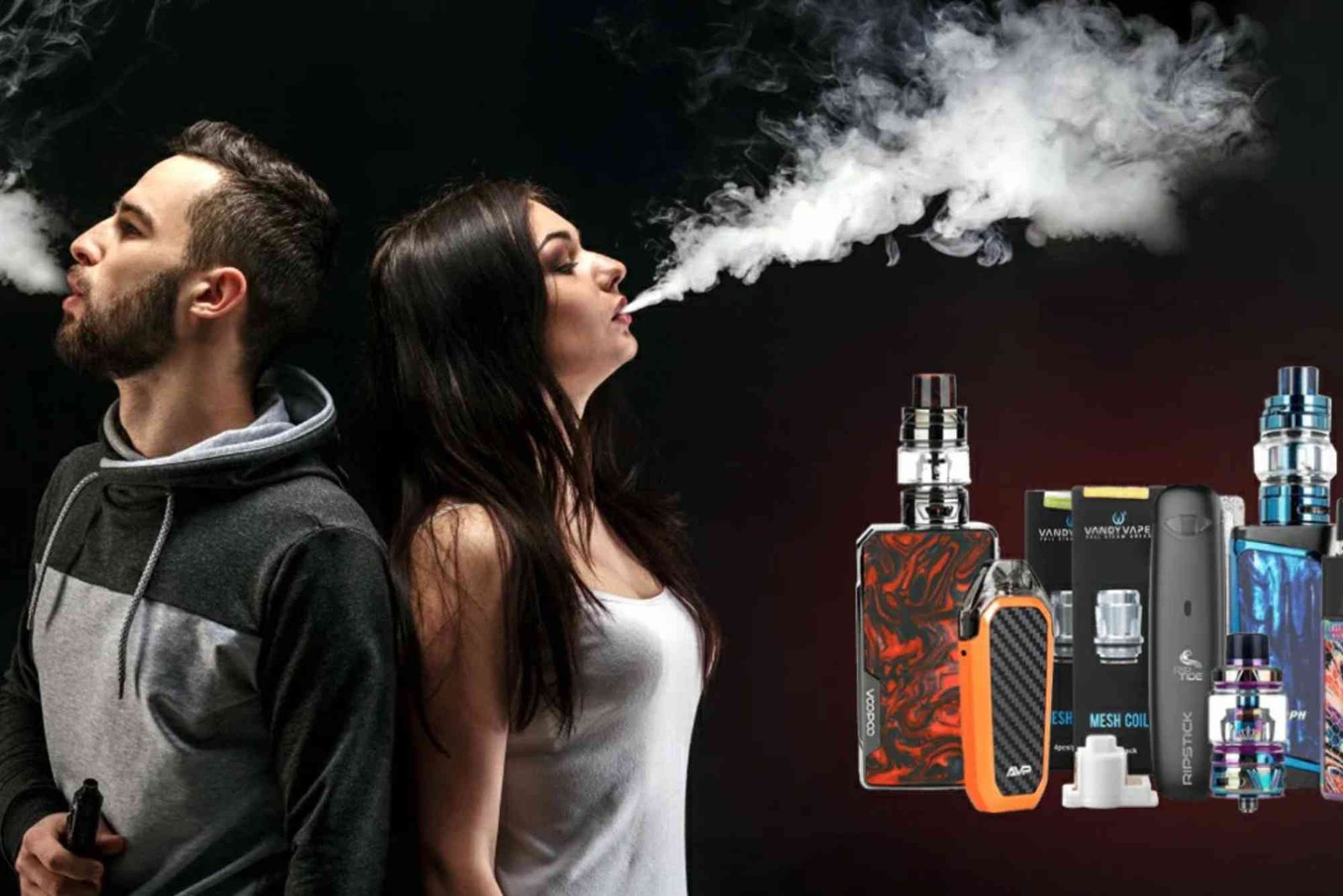
The underground vape scene in Japan refers to informal vaping communities and consumer interests operating outside conventional tobacco retail culture. It is not necessarily a single organized movement.
Instead, it includes independent enthusiasts, online discussions, international product interests, and people exploring alternatives to traditional cigarettes.

Japan’s vaping environment differs considerably from Western markets. Heated tobacco products have achieved widespread commercial recognition. Meanwhile, nicotine-containing vape liquids face significant regulatory restrictions.
This difference has shaped consumer awareness and product availability. Some enthusiasts follow international vaping developments, while others focus on nicotine-free devices.
The result is a distinctive subculture influenced by technology, personal preferences, and Japan’s strict approach to regulated substances.
Why Japan Has Developed a Different Vaping Culture
The Influence of Japanese Tobacco Culture
Smoking has a long history in Japan. Traditional tobacco products remain part of the country’s consumer landscape, although smoking regulations have become stricter.
Public smoking restrictions, designated smoking areas, and workplace policies have influenced consumer habits.
At the same time, manufacturers have introduced alternative tobacco technologies. Heated tobacco products have become particularly recognizable in Japanese cities.
These developments have encouraged consumers to explore different experiences. However, vaping and heated tobacco should not be considered identical.
Technology and Consumer Curiosity
Japanese consumers have considerable exposure to advanced electronic products. This environment encourages interest in compact devices, modern designs, and innovative technology.
Vape devices often attract attention because of their rechargeable batteries, adjustable features, and contemporary appearance.
For some enthusiasts, the appeal involves product engineering rather than nicotine consumption.
Nevertheless, technological sophistication does not automatically make vaping safe. Device quality, battery performance, and liquid ingredients remain important considerations.
The Role of Social Media in Japan’s Vape Community
Social media has changed how niche consumer communities communicate. Japan’s underground vape scene is no exception.
Online discussions allow enthusiasts to explore international developments. They also provide opportunities to discuss device designs, product experiences, and regulatory changes.
However, online information requires careful evaluation. Not every product advertised through social media meets Japanese legal requirements.
The growing interest in alternative nicotine products has also raised public health concerns. Japanese authorities have increased attention to unauthorized online advertisements and sales.
For readers interested in broader lifestyle developments, culture and community trend coverage can provide useful context. It helps explain how emerging consumer interests influence modern social identities.
Urban Lifestyle and Subculture Connections
Tokyo, Osaka, and other major cities have diverse lifestyle communities. Fashion, electronic music, gaming, and technology influence many urban subcultures.
Some vape enthusiasts associate device aesthetics with contemporary streetwear. Others view vaping equipment as another example of personal technology.
Nevertheless, these interests should not be confused with widespread social acceptance. Japan maintains specific rules governing tobacco consumption and nicotine-containing products.
Japan’s Vape Regulations and Legal Restrictions
Understanding Japanese regulations is essential when discussing the underground vape scene in Japan.
The country regulates nicotine-containing e-cigarette liquids and cartridges under its pharmaceutical legislation. Consequently, their commercial sale and distribution without appropriate authorization are prohibited.
The Ministry of Health, Labour and Welfare has also addressed unauthorized online promotions. Its July 2026 statement highlighted concerns about unapproved nicotine products and illegal advertising.
Personal imports are treated differently from commercial sales. Individuals can generally import a limited quantity for personal use.
However, exceeding the permitted quantity requires the appropriate import confirmation.
Understanding the Difference Between Vape Products
Not every electronic smoking device receives identical legal treatment. The ingredients and technology determine the applicable regulatory category.
|
Product category |
General position in Japan |
Important consideration |
|---|---|---|
|
Nicotine-free vape devices |
Generally permitted |
Other applicable product rules still apply |
|
Nicotine-containing vape liquids |
Regulated as medicinal products |
Unauthorized domestic sales are prohibited |
|
Heated tobacco products |
Regulated as tobacco products |
Tobacco-related restrictions apply |
|
Traditional cigarettes |
Legal tobacco products |
Subject to smoking regulations |
|
Unauthorized nicotine products |
Illegal commercial distribution |
Can result in legal penalties |
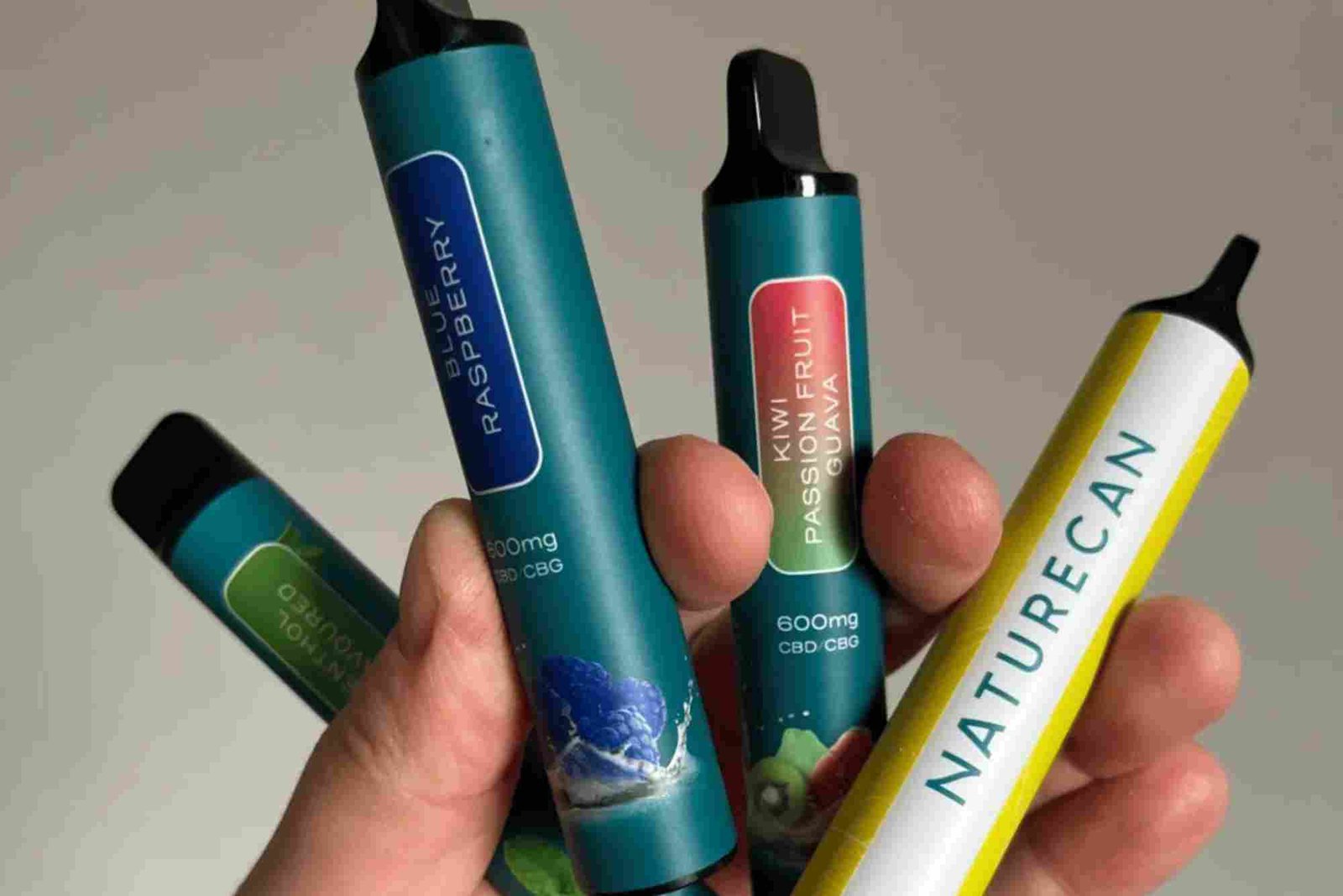
The distinction between these products is important. A heated tobacco device uses tobacco, while an e-cigarette heats liquid.
Therefore, consumers should not assume that identical rules apply to both technologies.
Personal Import Rules for Nicotine E-Liquids
Japan generally allows personal importation of up to one month’s supply without an import confirmation certificate.
For nicotine-containing liquids, the standard quantity is 120 millilitres. Cartridge limits generally reach 60 units, subject to the applicable combined quantity rules.
Larger quantities require additional authorization. Commercial importation and distribution involve separate requirements.
These regulations can change, so travellers should verify current requirements before departure.
Consumer Trends Influencing the Underground Vape Scene in Japan
Consumer interests continue to evolve alongside technology and international lifestyle trends.
One important influence is product design. Compact devices, modern finishes, and convenient charging systems attract attention among technology enthusiasts.
Another influence is international exposure. Japanese consumers can discover vaping-related discussions from different countries through digital platforms.
However, interest does not necessarily indicate legal availability. Products sold internationally may not meet Japanese regulatory requirements.
Design, Personal Expression, and Modern Culture
Personal technology increasingly reflects individual identity. Smartphones, headphones, watches, and wearable accessories demonstrate this cultural shift.
Some enthusiasts approach vape devices similarly. They may appreciate their appearance, engineering, and compact construction.
This connection between technology and personal style contributes to niche consumer interest.
However, fashionable presentation should never replace accurate information about product safety.
The Influence of International Trends
International markets influence conversations about electronic cigarettes. New designs, flavour discussions, and technological developments frequently receive online attention.
Japan’s regulatory environment creates a different experience. Some products available elsewhere cannot legally enter ordinary Japanese commercial distribution.
This contrast makes Japan an interesting example of how regulations shape consumer markets.
Health Awareness and Public Perception
Public health remains an important part of discussions about vaping in Japan.
Although some consumers consider vaping an alternative to conventional cigarettes, it should not automatically be described as harmless.
E-cigarette aerosols can contain nicotine, flavouring chemicals, and other potentially harmful substances. Nicotine can also cause dependence.
The World Health Organization warns that e-cigarettes are not safe. It also highlights concerns about youth exposure and misleading product marketing.
The Importance of Responsible Consumer Awareness
Consumers should understand product ingredients before making decisions. They should also distinguish authorized products from unauthorized imports.
Online advertisements can sometimes exaggerate safety claims. Therefore, independent health information is more reliable than promotional content.
Japan’s regulatory approach reflects concerns about product quality, unauthorized distribution, and public health protection.
Challenges Facing Japan’s Underground Vape Scene
The underground vape scene in Japan faces several challenges. Strict regulations remain one of the most significant obstacles.
Unauthorized nicotine products cannot simply become legitimate through online promotion. Their commercial distribution requires appropriate government authorization.
Another challenge involves misinformation. Consumers may misunderstand the differences between nicotine-free devices and nicotine-containing products.
Furthermore, international trends do not always translate into Japanese market opportunities.
These challenges influence how the community develops. They also create questions about future regulation, consumer awareness, and market innovation.
The Future of the Underground Vape Scene in Japan
The future of the underground vape scene in Japan will depend on regulatory developments and consumer behaviour.
Technology will probably continue influencing conversations about electronic smoking products. Meanwhile, public health authorities will remain concerned about unauthorized nicotine distribution.
Social media will also influence public awareness. However, stronger monitoring may change how vaping-related content appears online.
Japan’s experience demonstrates an important relationship between consumer culture and government regulation.
Rather than following international markets directly, the Japanese environment reflects its own legal framework and social expectations.
As consumer technology evolves, discussions surrounding electronic alternatives will likely continue. Responsible information and regulatory compliance will remain essential.
Frequently Asked Questions
What is the underground vape scene in Japan?
The underground vape scene in Japan describes informal communities interested in vaping products, electronic devices, and international vaping culture.
It exists within a restrictive regulatory environment, particularly concerning nicotine-containing liquids and cartridges.
Is vaping legal in Japan?
Vaping itself is not universally prohibited in Japan. However, nicotine-containing e-cigarette liquids and cartridges are regulated as medicinal products.
Their unauthorized domestic sale and distribution are prohibited. Nicotine-free products are treated differently.
Can tourists bring vape products into Japan?
Tourists can generally bring e-cigarettes and e-liquids into Japan. However, nicotine-containing liquids are subject to personal import limits.
The usual allowance is 120 millilitres of liquid or 60 cartridges for personal use. Travellers should verify current customs requirements before travelling.
Are nicotine-free vapes legal in Japan?
Nicotine-free vape devices are generally outside the pharmaceutical restrictions applying to nicotine-containing liquids.
However, other applicable product, safety, and public-use regulations still matter.
Why are heated tobacco products popular in Japan?
Heated tobacco products have established commercial availability and strong brand recognition.
Their technology heats tobacco rather than conventional e-liquid. Consequently, they occupy a different regulatory category from electronic cigarettes.
Can you vape in public places in Japan?
Rules depend on the location and local regulations. Many public areas restrict smoking and vaping.
Visitors should use designated smoking areas where permitted. They should also follow posted instructions and local rules.
tryvape5.com is an online platform focused on vape-related products, information, and resources. Visitors can explore different vaping options, learn about product features, and compare available choices. As vaping regulations and product availability can vary by location, users should always review local laws and purchase responsibly from legitimate sources.
Conclusion
The underground vape scene in Japan represents an interesting intersection of technology, consumer culture, and regulation.
Its development differs from international vaping markets because nicotine-containing products face significant legal restrictions.
Meanwhile, social media, product innovation, and international trends continue influencing consumer conversations.
Understanding these differences provides a clearer picture of Japan’s evolving electronic smoking culture.
Want to explore more emerging lifestyle and technology trends? Follow our latest articles for informative insights into changing consumer behaviour, international communities, and modern cultural developments.