How Vape Culture Redefines Wellness: Exploring Modern Lifestyle Trends
Introduction
How Vape Culture Redefines Wellness is an interesting topic in modern lifestyle discussions. Wellness traditionally focuses on physical health, mental balance, and healthy daily habits. However, changing social trends have influenced how people understand personal wellbeing. Vape culture has become part of these conversations, particularly among younger adults and lifestyle communities.
Today, vaping is often connected with personal expression, social interaction, and modern identity. Some people associate it with relaxation and lifestyle choices. Others question whether it belongs in conversations about wellness. These different perspectives make the relationship between vaping and wellbeing worth exploring.
Understanding this relationship requires looking beyond appearances and marketing. It also means recognizing the potential health risks associated with vaping.
How Vape Culture Redefines Wellness in Modern Society
Modern wellness is no longer discussed through fitness and nutrition alone. People increasingly consider emotional wellbeing, social connections, and personal identity. Consequently, lifestyle trends influence how individuals define a balanced life.
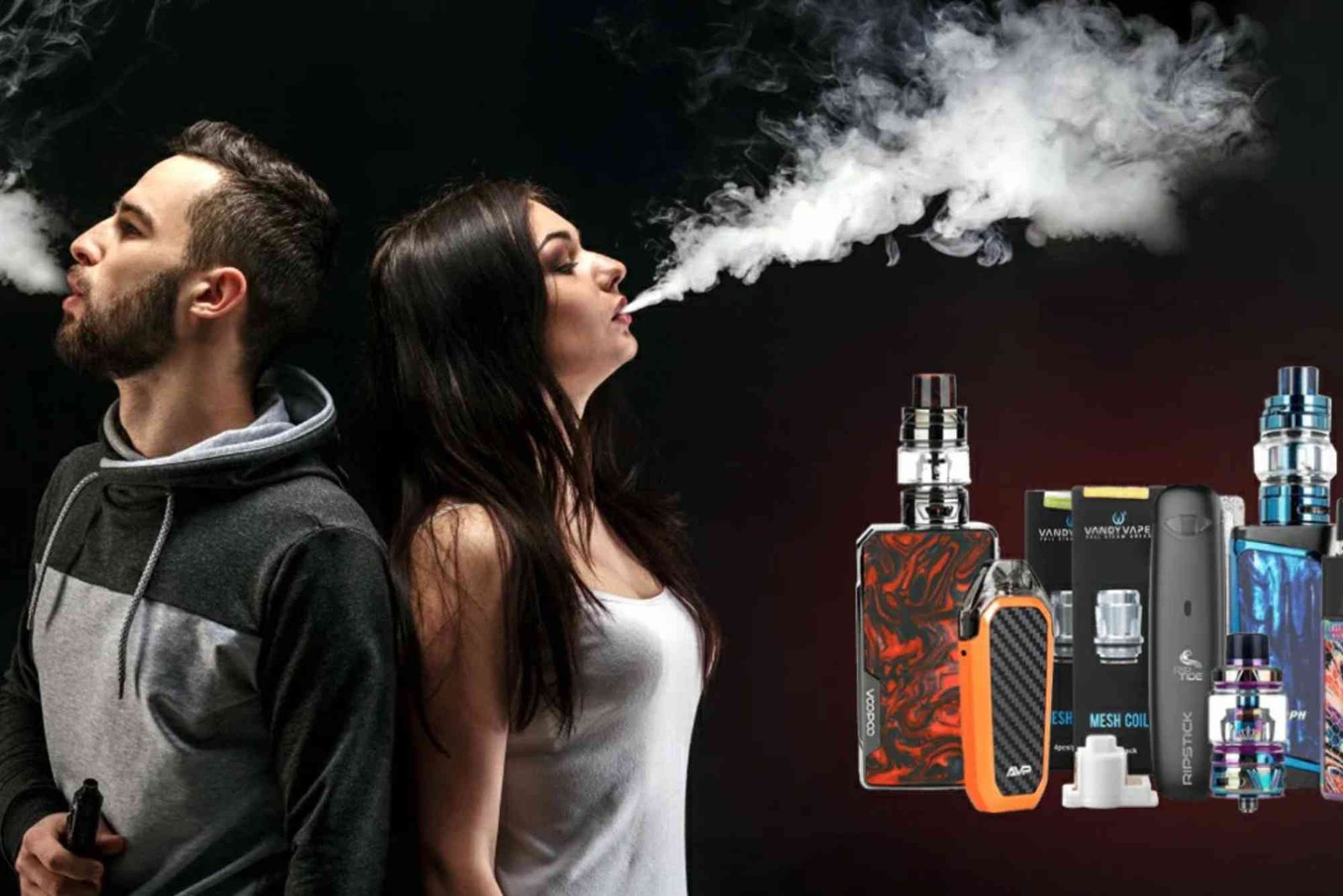
Vape culture has entered this wider conversation through social environments and popular media. Some communities present vaping as a lifestyle activity. However, cultural popularity does not establish health benefits.
The important distinction involves separating lifestyle identity from actual wellness outcomes. A product can become culturally popular without improving physical or psychological health.

The Connection Between Vape Culture and Personal Identity
Personal identity influences many everyday lifestyle decisions. Clothing, music, hobbies, and social activities help individuals express themselves. Vape culture has also developed recognizable visual and social characteristics.
Community, Identity, and Belonging Trends
The relationship between vaping and community, identity, and belonging trends reflects changing social behaviors. Some individuals connect through shared interests and lifestyle conversations.
Social environments can create feelings of acceptance and belonging. Nevertheless, meaningful relationships should never depend on using nicotine products.
Online communities also influence how people perceive vaping. Social media frequently showcases devices, designs, and lifestyle imagery. These representations can shape expectations, especially among younger audiences.
However, digital popularity does not demonstrate safety. Responsible conversations should acknowledge the difference between social acceptance and health consequences.
Personal Expression and Lifestyle Choices
Personal expression remains an important part of contemporary culture. People often select accessories that reflect their interests and personalities.
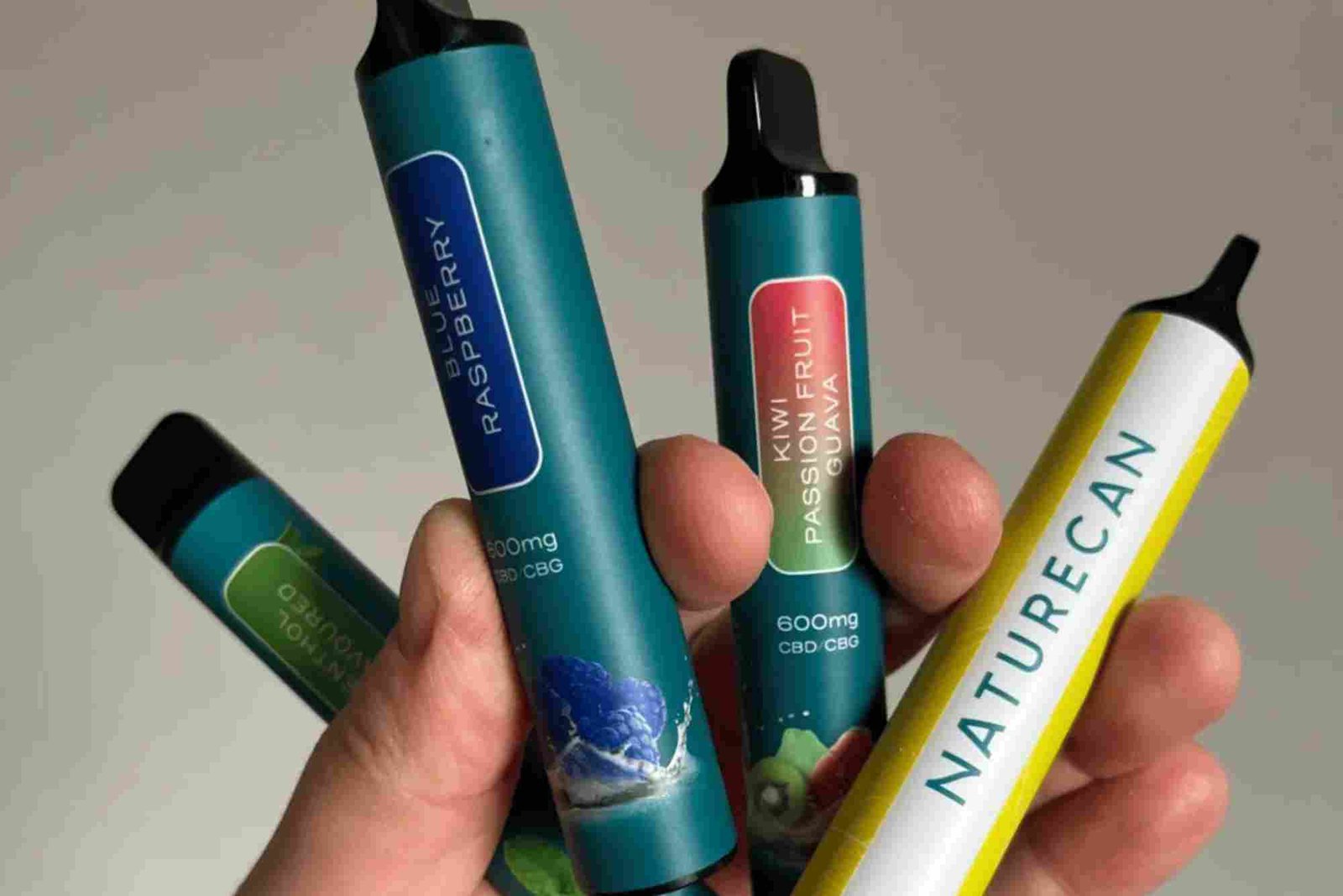
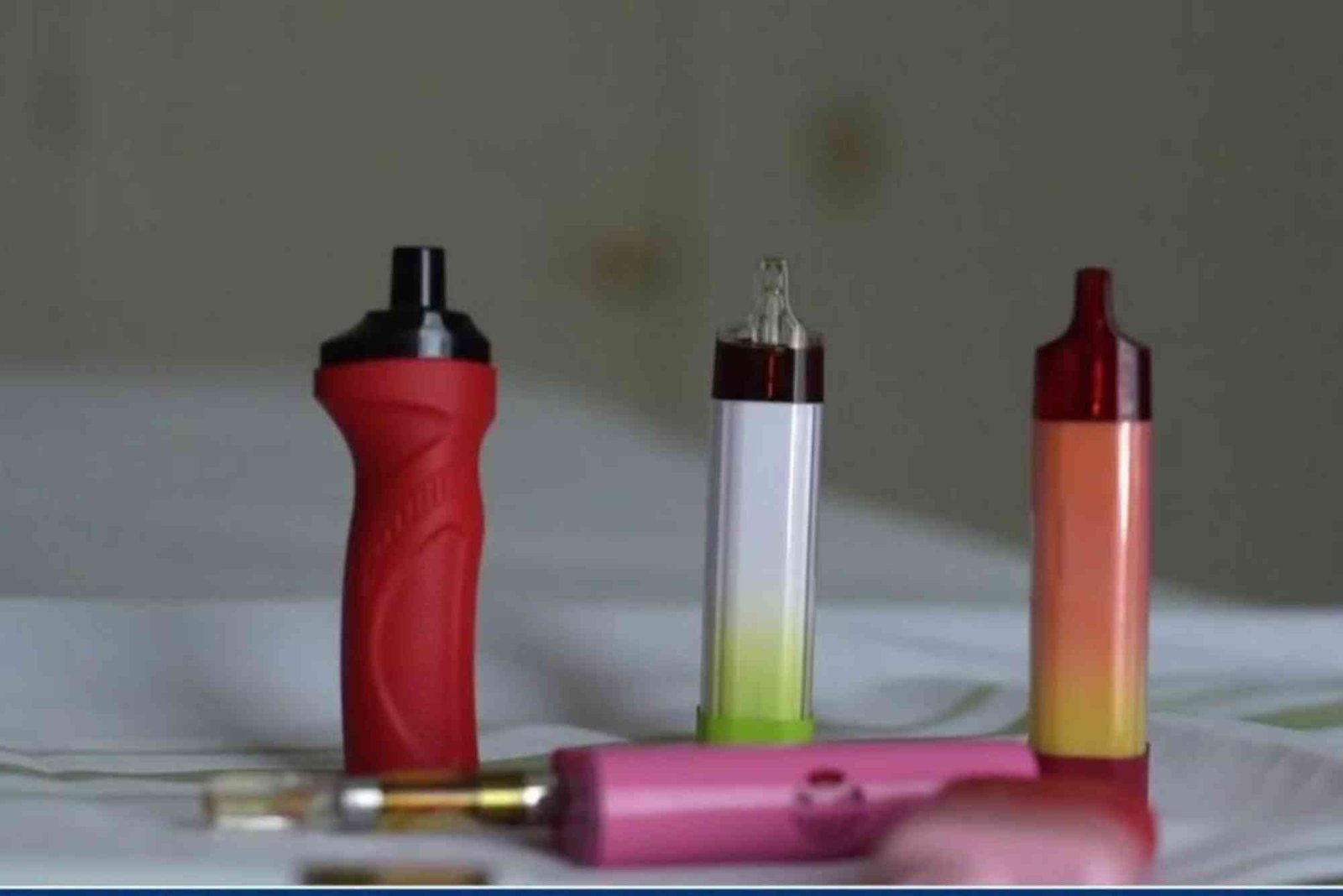
Vape devices sometimes appear as fashion-related accessories. Manufacturers introduce different colors, shapes, and designs. These visual features contribute to product recognition.
Nevertheless, attractive designs should not distract consumers from product risks. Personal expression can take many healthier forms, including fashion, creative hobbies, and physical activities.
How Vape Culture Influences Modern Wellness Discussions
Wellness conversations increasingly include mental health, stress management, and emotional balance. Vape culture sometimes appears in these discussions because users associate vaping with particular social experiences.
However, these associations require careful examination.
Understanding Relaxation and Stress Perceptions
Some adults describe vaping as part of their relaxation routine. They may associate the activity with taking breaks or spending time socially.
However, nicotine is addictive and can affect brain activity. Nicotine dependence may contribute to cravings, irritability, and withdrawal symptoms.
Therefore, vaping should not be presented as an effective stress-management strategy. Healthier alternatives include exercise, meditation, breathing techniques, and sufficient sleep.
The Difference Between Perceived and Actual Wellness
Perceived wellness describes how individuals feel about their lifestyle. Actual wellness considers measurable health outcomes and long-term effects.
These concepts are not always connected.
Someone might associate vaping with confidence or relaxation. Nevertheless, these feelings do not remove the potential health risks.
Understanding this difference encourages more informed lifestyle decisions.
The Role of Social Media in Vape Culture
Social media has significantly influenced modern lifestyle trends. Instagram, TikTok, and other platforms distribute visual content rapidly.
Vape-related content sometimes appears alongside fashion, entertainment, and youth culture. Consequently, audiences may encounter vaping through lifestyle-oriented posts.
Influencers and Lifestyle Representation
Influencers can shape consumer perceptions through personal recommendations and attractive presentations.
Some content emphasizes device appearance, flavors, and social experiences. However, such representations may overlook nicotine dependence and respiratory concerns.
Responsible digital communication should provide balanced information. It should avoid presenting vaping as fashionable, harmless, or necessary for social acceptance.
Online Communities and Changing Perceptions
Online communities allow people to exchange experiences and opinions. These conversations can influence how individuals understand particular lifestyle products.
However, online discussions are not substitutes for scientific evidence. Personal experiences cannot establish whether a product is safe.
Readers should evaluate health claims carefully. Reliable medical information should remain central to wellness decisions.
Comparing Vape Culture With Traditional Wellness Practices
Traditional wellness practices generally emphasize activities that support physical and emotional health. Examples include regular exercise, nutritious eating, mindfulness, and healthy sleep routines.
Vape culture represents a different type of lifestyle phenomenon.
The following table highlights important differences.
|
Wellness aspect |
Traditional wellness |
Vape culture |
|---|---|---|
|
Physical health |
Focuses on healthy habits |
May involve respiratory and cardiovascular risks |
|
Mental wellbeing |
Encourages healthy coping strategies |
Nicotine may contribute to dependence |
|
Social interaction |
Builds relationships through shared activities |
May create product-centered social connections |
|
Personal identity |
Expressed through hobbies and interests |
Sometimes expressed through devices and lifestyle imagery |
|
Long-term outcomes |
Can support overall wellbeing |
Long-term effects remain an important health concern |
This comparison demonstrates why cultural popularity should not be confused with genuine wellness.
Understanding the Health Risks Behind Vape Culture
A balanced discussion of How Vape Culture Redefines Wellness must include health considerations.
Vaping products are not risk-free. Many contain nicotine, which can cause dependence. Their aerosols may also contain potentially harmful substances.
Nicotine Dependence and Mental Wellbeing
Nicotine affects the brain’s reward system. Repeated exposure can create dependence and withdrawal symptoms.
People experiencing nicotine dependence may struggle with cravings. They might also experience irritability and difficulty concentrating when nicotine is unavailable.
These effects complicate claims that vaping supports emotional balance.
Respiratory and Cardiovascular Considerations
Vaping aerosols can contain substances that irritate the respiratory system. Research continues to investigate their short-term and long-term health effects.
Nicotine can also increase heart rate and blood pressure temporarily.
Therefore, vaping should not be considered a healthy alternative to exercise or other wellness activities.
People who do not smoke should avoid starting vaping. Adults who smoke and want to quit should seek evidence-based guidance from qualified healthcare professionals.
How Modern Wellness Trends Are Changing
Modern wellness increasingly emphasizes informed decisions and sustainable habits. Consumers are becoming more interested in understanding product ingredients and potential health consequences.
This shift encourages greater attention to evidence rather than marketing.
Mindfulness and Healthier Lifestyle Alternatives
Mindfulness offers practical ways to manage everyday stress. Meditation, breathing exercises, and journaling can encourage emotional awareness.
Physical activities also support overall wellbeing. Walking, cycling, swimming, and yoga provide opportunities for movement and relaxation.
These practices offer healthier ways to develop consistent routines without introducing nicotine dependence.
Responsible Conversations About Lifestyle Products
Honest discussions are essential when lifestyle trends involve potential health risks.
Consumers should understand product ingredients, possible consequences, and marketing strategies. They should also recognize that fashionable presentation does not establish medical value.
Ultimately, informed choices support healthier communities.
The Future of How Vape Culture Redefines Wellness
The future of How Vape Culture Redefines Wellness will depend partly on changing social attitudes and public health awareness.
Lifestyle communities may continue evolving. However, health education will remain essential.
Brands, content creators, and online communities should communicate responsibly. They should avoid associating nicotine products with improved fitness, mental health, or physical wellbeing.
Meanwhile, wellness conversations can become more inclusive by focusing on genuine social connection, creativity, and healthy activities.
The most meaningful lifestyle trends are those that encourage sustainable wellbeing.
Frequently Asked Questions
What Is Vape Culture?
How has vape culture become popular?
Vape culture refers to social behaviors, communities, and lifestyle trends associated with vaping products. Its visibility has grown through social media, product marketing, and popular culture. However, popularity does not mean vaping is safe.
Does Vaping Help With Stress and Anxiety?
Can vaping improve mental wellbeing?
Vaping is not an established treatment for stress or anxiety. Nicotine can create dependence and withdrawal symptoms. These effects may complicate emotional wellbeing rather than improve it. Professional support and healthy coping strategies are better options.
Is Vaping Considered Part of a Healthy Lifestyle?
Can vaping support overall wellness?
Vaping should not be considered a healthy lifestyle practice. Aerosols may contain harmful substances, and nicotine can cause addiction. People who do not smoke should avoid starting vaping.
Why Is Vape Culture Popular Among Young Adults?
What makes vape culture attractive to younger audiences?
Social media exposure, product designs, peer influence, and lifestyle marketing can influence perceptions. However, nicotine exposure presents particular concerns for developing brains. Marketing should never replace accurate health education.
How Does Social Media Influence Vape Culture?
Can influencers change people’s vaping perceptions?
Yes. Influencers can affect how audiences perceive lifestyle products. Attractive presentations may make vaping appear more socially acceptable. However, audiences should evaluate health claims using reliable scientific information.
tryvape5.com is an online platform focused on vape-related products, information, and resources. Visitors can explore different vaping options, learn about product features, and compare available choices. As vaping regulations and product availability can vary by location, users should always review local laws and purchase responsibly from legitimate sources.
Conclusion
How Vape Culture Redefines Wellness reflects changing relationships between lifestyle choices, social identity, and modern culture. Vaping has developed recognizable social and visual characteristics. Nevertheless, cultural popularity does not establish genuine health benefits.
Understanding this distinction helps consumers make informed decisions. True wellness involves healthy habits, meaningful relationships, emotional balance, and long-term physical health.
As lifestyle trends continue changing, responsible conversations will become increasingly important. Choose informed decisions, explore healthier wellness practices, and prioritize your long-term wellbeing over temporary lifestyle trends.