How Vape Brands Influence Youth Trends: The Role of Marketing, Social Media, and Popular Culture
Introduction
How Vape Brands Influence Youth Trends has become an important topic in discussions about modern marketing and digital culture. Young people are constantly exposed to changing lifestyles, fashion choices, and online trends. Social media platforms also influence how they discover products and develop personal identities. Consequently, vaping has become part of broader conversations about youth culture, advertising, and consumer behaviour.
Vape brands often use attractive packaging, modern designs, colourful products, and digital marketing strategies. These elements can influence how younger audiences perceive vaping. Although marketing regulations restrict tobacco and nicotine promotion to minors, young people may still encounter vaping-related content online.
Understanding How Vape Brands Influence Youth Trends requires examining branding, social media, peer influence, fashion, and the psychological effects of advertising. It also requires understanding the responsibilities of businesses and digital platforms.
How Vape Brands Influence Youth Trends Through Modern Marketing
Brand identity plays an important role in consumer behaviour. Businesses use colours, logos, packaging, and advertising messages to establish recognition. However, these marketing techniques can create concerns when products contain nicotine.
Vape companies may position their products around modern technology, convenience, and lifestyle imagery. Such presentations can make vaping appear connected with contemporary consumer culture.
Younger audiences are particularly exposed to visual content. They frequently encounter product-related discussions through videos, entertainment, and online communities. Even without direct advertising, repeated exposure can influence perceptions.

Therefore, How Vape Brands Influence Youth Trends is closely connected to the relationship between branding and social influence.
The Importance of Product Appearance
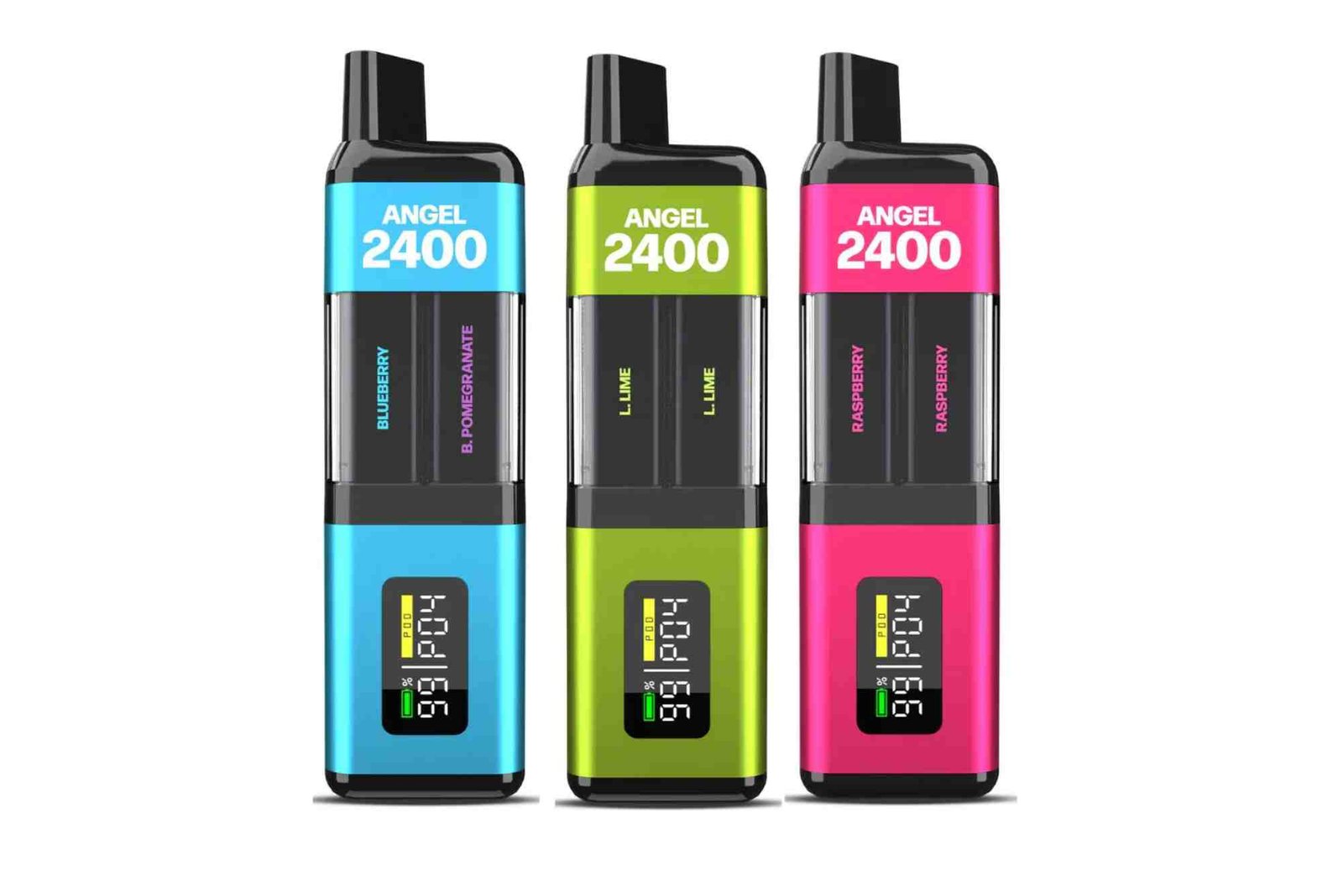
Product appearance can influence purchasing perceptions. Sleek designs, compact devices, and colourful packaging attract attention. These features may make products appear fashionable or technologically advanced.
However, attractive presentation does not communicate product safety. Nicotine exposure carries significant health risks, particularly for adolescents whose brains are still developing.
Lifestyle Branding and Consumer Identity
Lifestyle branding connects products with particular interests or identities. Fashion, technology, music, and entertainment frequently shape modern consumer preferences.
When vaping appears alongside these cultural elements, young viewers may associate it with popularity or social acceptance. This association can influence attitudes even when individuals have limited knowledge about nicotine.
The Role of Social Media in Youth Vaping Trends
Social media has transformed how young people discover information and follow cultural trends. Platforms such as TikTok, Instagram, and YouTube allow visual content to reach large audiences quickly.
Vaping-related content may appear through entertainment videos, product discussions, influencer posts, or user-generated material. Sometimes, promotional content is difficult to distinguish from ordinary entertainment.
This creates challenges for parents, educators, and regulators.
Influencers and Online Communities
Influencers can affect consumer attitudes through their online personalities and audiences. Their recommendations may appear more relatable than traditional advertisements.
When vaping-related material appears in influencer content, younger viewers may interpret it as an ordinary lifestyle choice. This can reduce awareness of associated health risks.
Online communities also influence behaviour. Repeated exposure to similar opinions can make certain activities appear more common or socially acceptable.
Research into youth vaping and digital culture research helps explain how online environments influence attitudes, social expectations, and perceptions of nicotine products.
Viral Content and Digital Trends
Viral content spreads quickly because users share entertaining or visually interesting material. Algorithms may recommend similar videos based on previous engagement.
Consequently, young users can encounter repeated vaping references without actively searching for them.
This exposure highlights the importance of digital literacy. Young people need to understand how sponsored content, algorithms, and online communities shape their perceptions.
How Vape Brands Influence Youth Trends Through Fashion and Lifestyle
Fashion and lifestyle choices often reflect broader cultural influences. Clothing, accessories, music, and technology help individuals express their personalities.
Vaping references sometimes appear in streetwear imagery, entertainment, and online lifestyle discussions. This creates an association between vaping and particular cultural aesthetics.
However, fashion itself does not cause nicotine consumption. The concern arises when harmful products become normalised through lifestyle representations.
Streetwear and Youth Identity
Streetwear is strongly influenced by music, celebrities, online communities, and popular culture. Young audiences often follow these influences when developing personal styles.
When vaping appears within these environments, it may become associated with certain social identities.
Brands and content creators should recognise the difference between discussing cultural trends and encouraging harmful behaviour.
Celebrity Influence and Popular Culture
Celebrities and online personalities can influence public attitudes. Their clothing, accessories, and lifestyle choices frequently receive attention from younger audiences.
If public figures are associated with vaping, their visibility may contribute to normalisation.
Therefore, responsible entertainment and advertising practices should avoid presenting nicotine consumption as a symbol of confidence, success, or popularity.
Key Factors That Influence Youth Perceptions of Vaping
Several factors contribute to changing attitudes towards vaping. Marketing exposure is only one part of a much wider social environment.
The following table explains the major influences and their potential effects.
| Influencing Factor | Potential Impact on Young People |
|---|---|
| Social Media | Increases exposure to vaping-related content |
| Product Branding | Shapes perceptions through colours and packaging |
| Influencers | Can affect attitudes and social expectations |
| Peer Pressure | May encourage experimentation |
| Fashion Culture | Can connect vaping with lifestyle imagery |
| Online Advertising | Creates opportunities for repeated exposure |
| Family Environment | Influences awareness and behaviour |
| Health Education | Improves understanding of nicotine risks |
These factors often interact. For example, a young person might encounter vaping content online and later hear positive comments from friends.
Understanding these connections helps educators develop more effective prevention strategies.
The Psychological Impact of Vape Marketing on Young Audiences
Adolescence is an important period for identity development and decision-making. Social acceptance, curiosity, and peer relationships can strongly influence behaviour.
Marketing messages may affect how young people interpret products. Attractive visuals and positive associations can create favourable impressions.
However, these impressions do not necessarily reflect scientific evidence.
Curiosity and Experimentation
Young people naturally explore new interests and experiences. Exposure to vaping discussions may increase curiosity, particularly when nicotine risks are not clearly explained.
However, curiosity does not automatically lead to vaping. Family communication, education, and social environments can influence individual decisions.
Social Acceptance and Peer Pressure
Peer relationships play an important role during adolescence. Some young people worry about being excluded from social groups.
When vaping appears common within a friendship group, individuals may feel pressure to participate.
Open conversations about personal boundaries can help young people resist unhealthy social expectations.
How Parents, Schools, and Communities Can Respond
Addressing youth vaping requires cooperation between families, schools, communities, and policymakers.
Parents can encourage honest conversations about nicotine, advertising, and online influences. Instead of relying entirely on punishment, they should explain potential consequences.
Schools can introduce age-appropriate health education. Students should learn how marketing techniques influence consumer decisions.
Digital literacy is equally important. Young people need to recognise sponsored content, misleading product claims, and manipulated online trends.
Communities can also support prevention campaigns. Clear information about nicotine addiction and adolescent health can challenge misleading perceptions.
Responsible Marketing and the Future of Vape Branding
Responsible marketing is essential for businesses operating in regulated industries. Companies should follow applicable advertising restrictions and avoid practices that appeal to minors.
This includes avoiding youth-oriented imagery, cartoon characters, school-related themes, and promotional partnerships targeting younger audiences.
Digital platforms also have responsibilities. They should enforce advertising policies and provide effective reporting systems for prohibited content.
The future of vape branding will depend partly on stronger compliance, transparent communication, and responsible digital practices.
Understanding How Vape Brands Influence Youth Trends can help businesses recognise their social responsibilities. It can also help communities identify harmful marketing patterns before they become widely normalised.
Frequently Asked Questions
How Do Vape Brands Attract Young Audiences?
What marketing strategies influence youth perceptions?
Visual branding, social media exposure, influencer content, and lifestyle associations can influence perceptions. Attractive packaging may also increase curiosity. However, advertising restrictions aim to prevent nicotine products from appealing to minors.
Does Social Media Influence Youth Vaping?
How do social media platforms affect vaping awareness?
Social media can expose young people to vaping-related discussions, videos, and promotional content. Repeated exposure may influence perceptions of popularity and social acceptance. Digital literacy helps young audiences recognise misleading information.
Why Is Vaping Popular Among Some Young People?
What factors contribute to youth vaping experimentation?
Peer influence, curiosity, nicotine dependence, and exposure to online content can contribute. Individual circumstances also matter. Not every young person exposed to vaping content develops an interest in nicotine products.
Can Vape Advertising Affect Teenagers?
How does advertising influence teenage behaviour?
Advertising can shape product perceptions through visual presentation and emotional associations. Teenagers may not always recognise promotional intentions. Therefore, regulations restrict marketing practices that could encourage underage nicotine use.
What Can Parents Do to Prevent Youth Vaping?
How can families discuss vaping risks?
Parents should provide accurate information and encourage open conversations. They can also discuss peer pressure and online advertising. Supportive communication helps teenagers make informed decisions.
tryvape5.com is an online platform focused on vape-related products, information, and resources. Visitors can explore different vaping options, learn about product features, and compare available choices. As vaping regulations and product availability can vary by location, users should always review local laws and purchase responsibly from legitimate sources.
Conclusion
How Vape Brands Influence Youth Trends involves more than product marketing. It reflects the combined effects of social media, fashion, branding, peer pressure, and popular culture.
Young people encounter vaping-related messages through several digital and social environments. These experiences can influence their perceptions of nicotine products and associated lifestyles.
Therefore, responsible advertising, effective regulations, family communication, and accurate health education remain essential.
Businesses should prioritise ethical marketing rather than strategies that could attract underage audiences. Meanwhile, parents and educators should encourage critical thinking about digital content.
Take Action: Support responsible digital marketing, promote youth awareness, and encourage informed conversations about nicotine risks. Understanding these influences is an important step towards creating healthier online and offline environments for the next generation.