Introduction
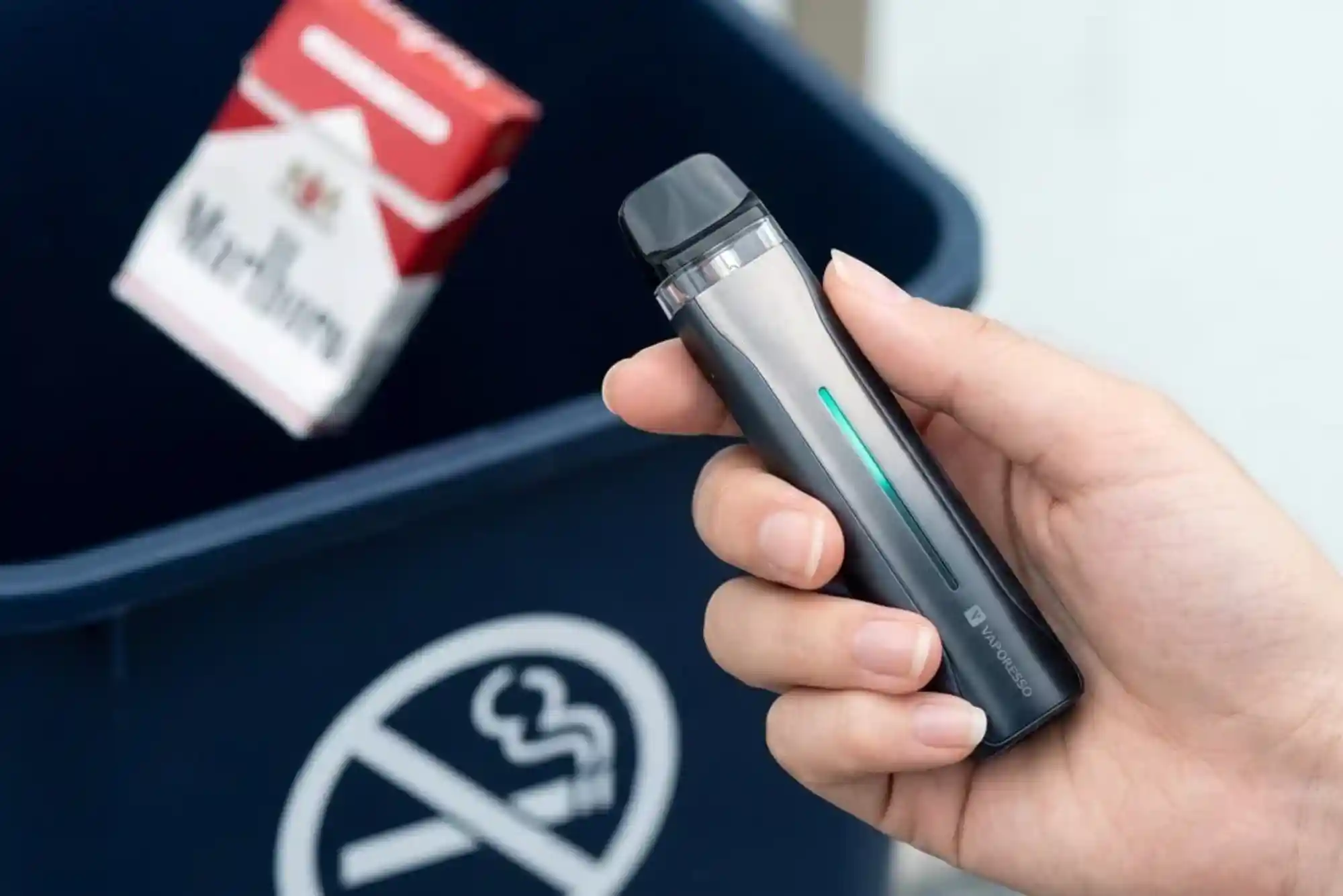
Vaping has become a widely discussed topic because of its growing popularity and potential health consequences. However, misinformation often makes it difficult for consumers to understand the actual risks. The topic of Common Misconception: Illegal vapes dangers and the Truth About Vaping deserves attention because not every vaping product meets established safety requirements. Illegal products can contain unknown ingredients, inconsistent nicotine levels, and potentially dangerous substances.
Many consumers assume that all vapes are manufactured under similar conditions. Unfortunately, this assumption can create serious health concerns. Unregulated products may bypass important manufacturing and quality controls. Therefore, understanding the difference between regulated and illegal vaping products is essential. Reliable information also helps people recognize misleading claims and make informed decisions about their health.
Understanding Illegal Vapes and Their Growing Concerns
Illegal vapes are products manufactured, distributed, or sold outside applicable legal requirements. Depending on the country, these products may lack required authorization, accurate labeling, or appropriate safety testing. Some may also contain ingredients that manufacturers have not properly disclosed.
The biggest concern involves uncertainty. Consumers cannot always identify what an illegally marketed product contains. Attractive packaging and impressive marketing claims do not guarantee product quality. In some cases, counterfeit products imitate established brands to appear trustworthy.
Additionally, illegal distribution makes accountability difficult. When manufacturers operate outside regulatory systems, identifying responsible parties becomes challenging. This can complicate investigations when consumers experience unexpected health problems.
Common Misconception: Illegal Vapes Dangers and the Truth About Vaping
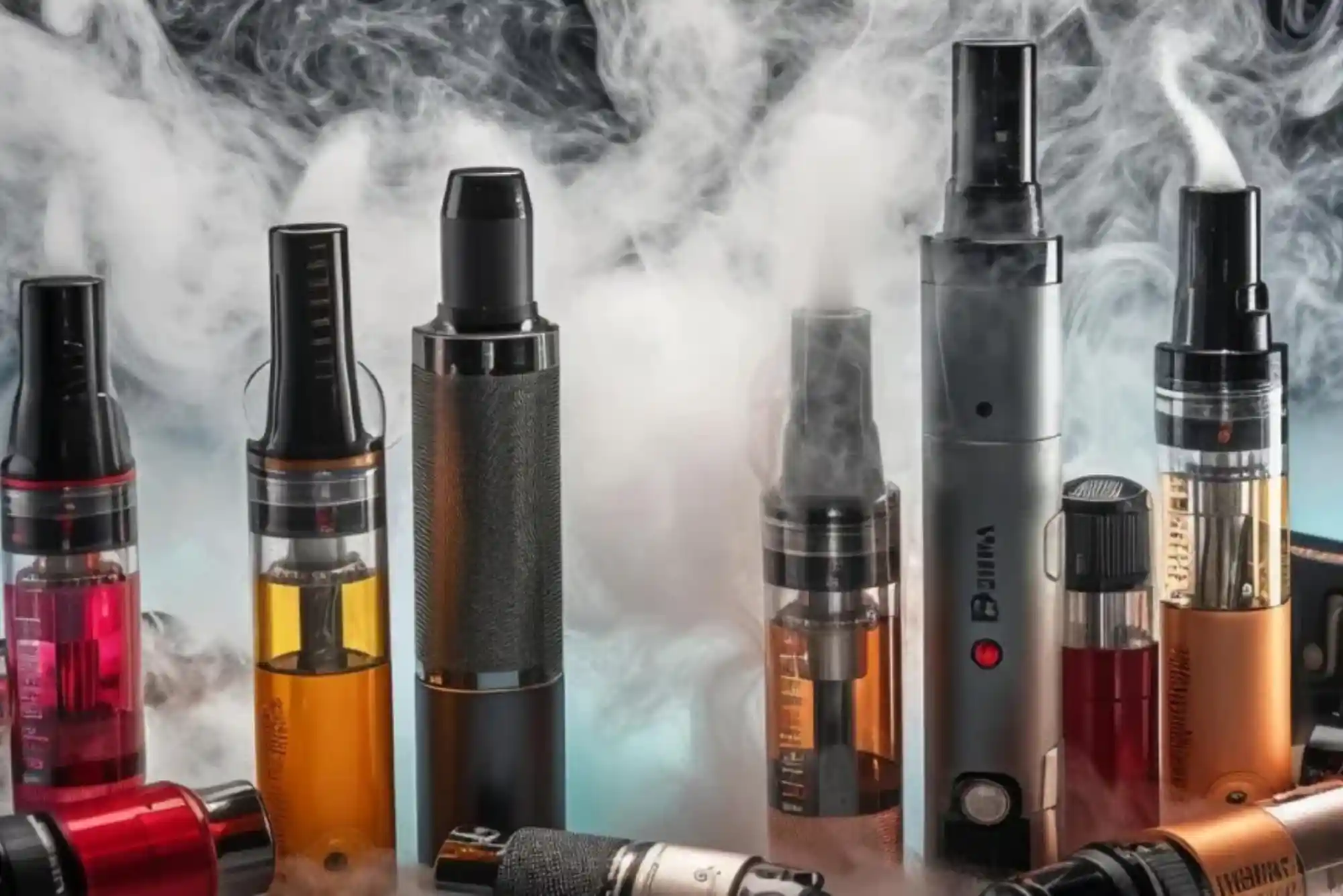
One widespread misconception is that every vape contains the same ingredients and carries identical risks. In reality, product composition, manufacturing standards, and nicotine concentrations can differ significantly.

Another misunderstanding is that products sold through informal channels are automatically safe because they look professionally manufactured. However, appearance provides no reliable evidence of ingredient quality.
The truth about vaping requires examining scientific evidence rather than accepting advertising claims. According to the Centers for Disease Control and Prevention (CDC), most e-cigarettes contain nicotine. Their aerosol may also contain harmful substances, including heavy metals, volatile organic compounds, and tiny particles.
Consumers should understand that vaping is not harmless simply because it does not involve burning traditional tobacco.
Why Illegal Vapes Can Present Serious Health Risks
Unknown Ingredients and Contamination
One major concern surrounding illegal vaping products is the possibility of undisclosed ingredients. Consumers may have little information about the substances inside these devices. Poor manufacturing practices can also introduce contamination.
The potential consequences depend on the chemicals involved, their concentrations, and individual exposure. Inhaling unknown substances creates unnecessary uncertainty about respiratory and overall health.
Nicotine Exposure and Addiction
Nicotine is highly addictive and remains a major concern associated with vaping. Some illegal products may contain inaccurate nicotine information. Consequently, consumers might receive different concentrations than expected.
Frequent nicotine exposure can reinforce dependence. Young people face particular risks because their brains are still developing. Nicotine exposure during adolescence can affect attention, learning, mood, and impulse control.
Respiratory Problems
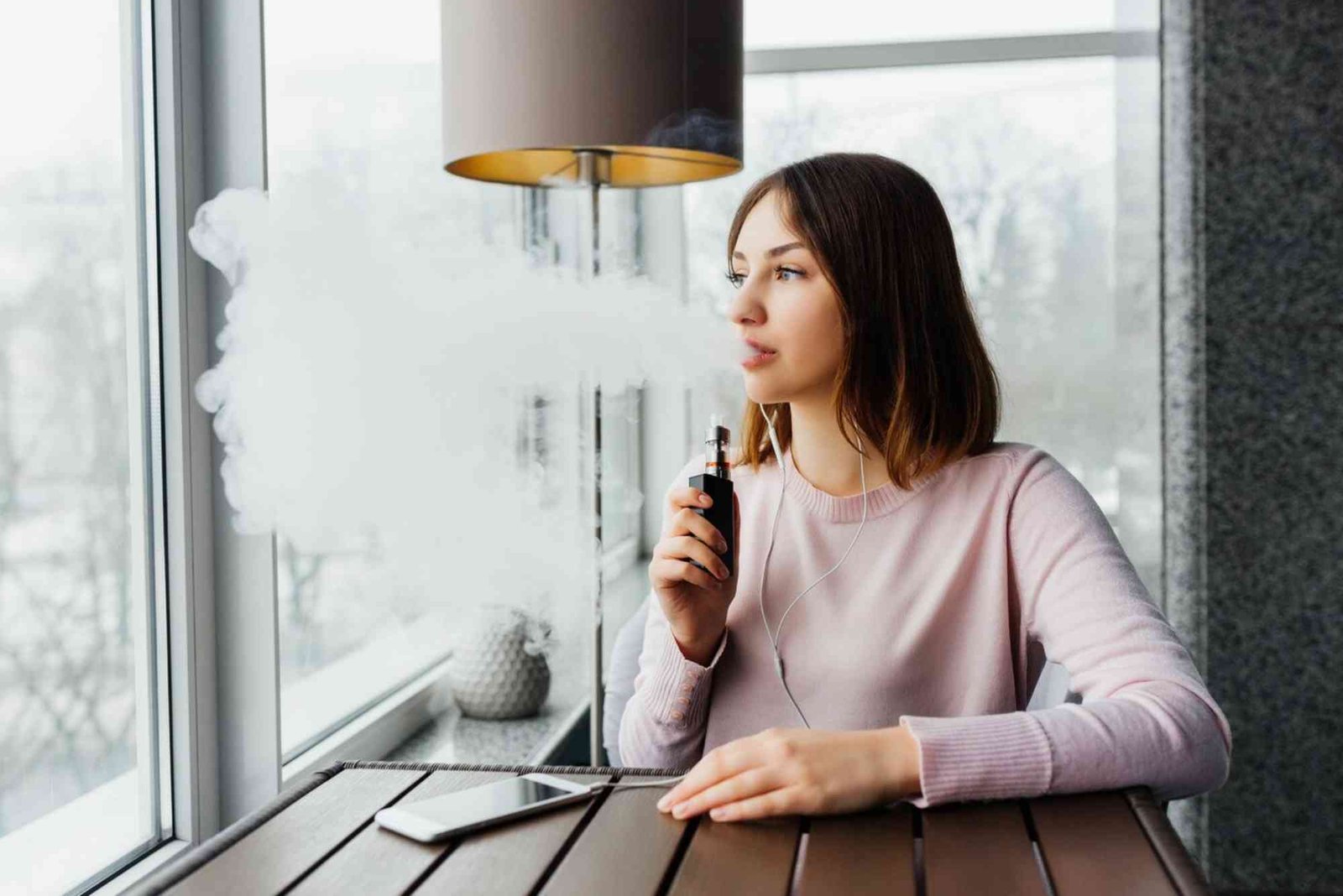
Vaping aerosol is not simply harmless water vapor. It can contain substances capable of irritating or affecting the respiratory system.
The possibility of exposure to harmful chemicals makes product quality particularly important. People experiencing persistent coughing, breathing difficulties, or chest discomfort should seek medical advice.
Understanding the Connection Between Illegal Vapes and EVALI
EVALI refers to e-cigarette or vaping product use-associated lung injury. This condition received considerable attention during the 2019 outbreak in the United States.
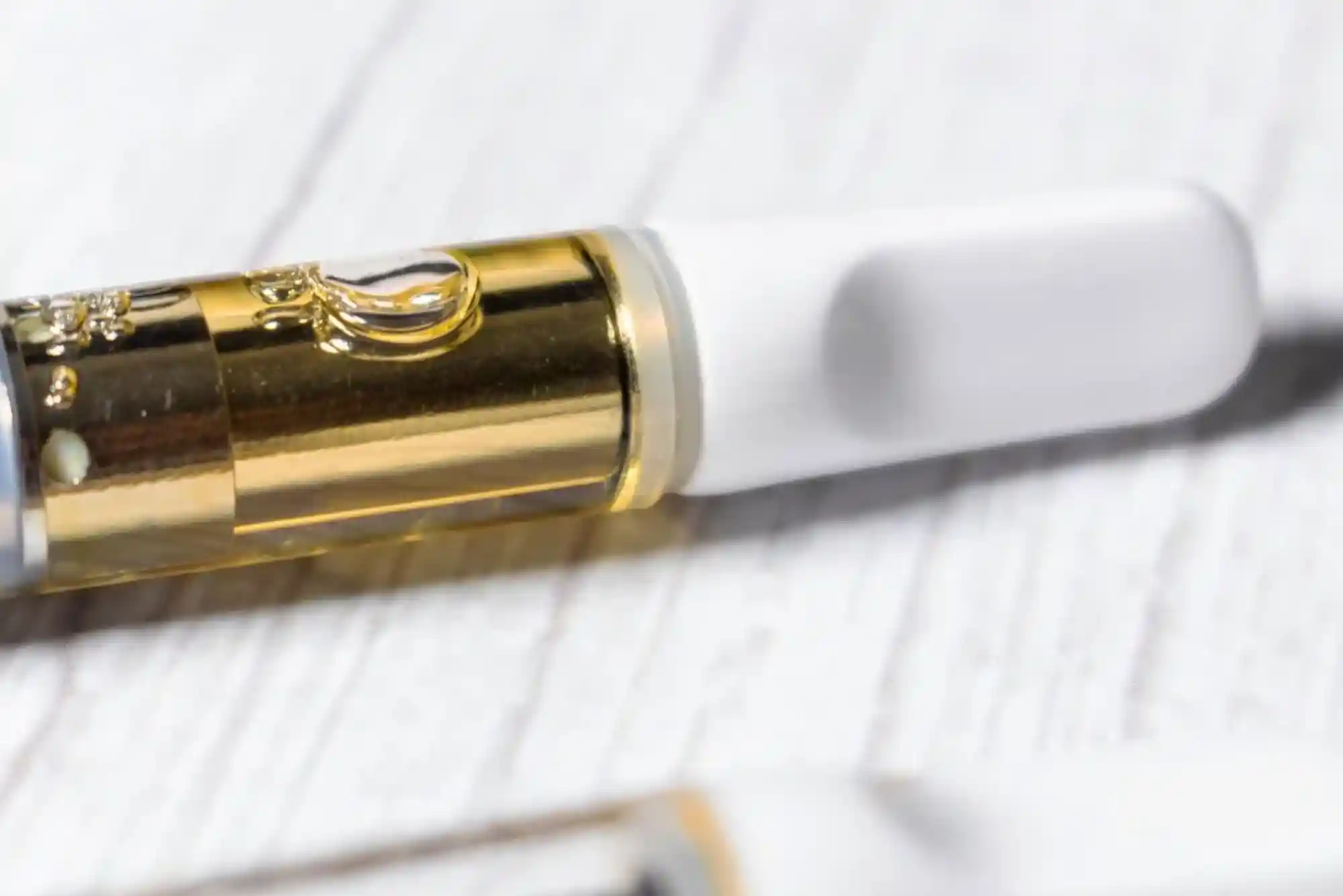
Investigations identified vitamin E acetate as strongly associated with the outbreak. This substance was particularly connected with THC-containing vaping products obtained through informal sources.
However, researchers did not establish vitamin E acetate as the only possible contributor in every case.
The CDC and FDA advised consumers against using THC vaping products from informal sources. They also warned against adding substances to vaping devices.
This history demonstrates why illegal vaping products deserve serious attention. Unknown ingredients and unverified manufacturing practices can create risks that consumers cannot easily recognize.
The Truth About Regulated and Unregulated Vaping Products
A common misconception is that purchasing a regulated product automatically makes vaping safe. This is incorrect because regulatory compliance does not eliminate every health risk.
Regulated products may be subject to manufacturing requirements, ingredient disclosures, and product oversight. These measures can improve transparency and accountability.
However, the presence of regulatory controls does not mean that inhaling their aerosol is harmless. Nicotine addiction and exposure to potentially harmful chemicals remain important concerns.
The FDA explains that adults who smoke may reduce exposure to many harmful chemicals by switching completely to e-cigarettes. Nevertheless, vaping is not risk-free, and long-term health effects require further research.
People who do not smoke should not begin vaping. Young people and pregnant women should avoid e-cigarette use.
How Consumers Can Recognize Potentially Illegal Vapes
Recognizing suspicious products is an important part of consumer awareness. Unusually low prices, missing manufacturer details, questionable packaging, and unclear ingredient information can indicate potential problems.
Consumers should also be cautious about products making exaggerated health claims. Statements suggesting that vaping is completely harmless are not supported by established scientific evidence.
Purchasing through informal sellers creates additional uncertainty. A product’s appearance, popularity, or online reviews cannot independently establish its safety.
For trustworthy information, consumers can explore CDC — E-cigarette and illicit product safety alerts. The resource provides information about vaping health effects, nicotine exposure, and relevant public health guidance.
Why Accurate Vaping Information Matters
Misinformation can influence purchasing decisions and encourage unnecessary exposure to health risks. Some advertisements present vaping as completely safe, while other discussions treat every vaping product as identical.
Both approaches overlook important differences.
Responsible discussions should consider product composition, manufacturing practices, nicotine concentration, and individual health circumstances. They should also acknowledge that scientific understanding continues to develop.
Parents, educators, healthcare professionals, and policymakers all have important roles in improving public awareness. Open conversations can help young people understand nicotine addiction and recognize misleading marketing.
Furthermore, consumers should consult reliable public health organizations instead of depending entirely on social media discussions.
Understanding whether Can Vape Laws Portugal Truly Help Smokers Quit requires looking at how regulations balance public health, nicotine control, and smoking cessation. Clear vaping rules can encourage informed decisions, reduce youth access, and support responsible harm-reduction discussions while helping smokers explore alternatives to traditional cigarettes.
Frequently Asked Questions
Are illegal vapes more dangerous than legal vapes?
Illegal vapes can present additional risks because their ingredients, manufacturing conditions, and nicotine concentrations may be unknown. However, legally marketed vaping products are not risk-free. Both categories can expose users to harmful substances.
What are the dangers of using unregulated vapes?
Unregulated products may contain undisclosed chemicals, inconsistent nicotine concentrations, or contaminants. Their uncertain composition makes it difficult to assess potential health consequences. Consumers should avoid products from unreliable sources.
Can vaping cause permanent lung damage?
Vaping can expose the lungs to potentially harmful substances. Severe vaping-associated lung injury has also been documented. However, the long-term consequences of regular vaping are still being investigated. Anyone experiencing breathing difficulties should seek medical attention.
Is vaping safer than smoking cigarettes?
For adults who already smoke, completely switching to e-cigarettes may reduce exposure to many harmful chemicals found in cigarette smoke. However, vaping is not harmless. Using both products together may also preserve significant health risks.
What should I do if I accidentally use an illegal vape?
Stop using the suspicious product and avoid further exposure. Seek medical advice if you experience coughing, chest pain, breathing difficulties, or other concerning symptoms. Keep the packaging available if possible because product information may help healthcare professionals.
Can illegal vapes contain more nicotine than advertised?
Yes. Products with inaccurate labeling may contain different nicotine concentrations than consumers expect. This uncertainty can increase the possibility of unintended nicotine exposure and dependence.
Conclusion
Understanding Common Misconception: Illegal vapes dangers and the Truth About Vaping requires separating scientific evidence from misleading assumptions. Illegal vaping products create additional concerns because their ingredients and manufacturing standards may remain uncertain. However, regulated products should not automatically be considered harmless.
Explore the evolving world of vaping with TryVape5, a platform dedicated to vape-related information, product insights, and industry trends. Whether readers want to understand vaping devices, learn about e-liquids, or stay informed about vaping developments, TryVape5 offers useful insights to support informed decisions and a better understanding of the vaping landscape.