Introduction
Vaping regulations have changed significantly across Australia, particularly in Victoria. Many people still misunderstand what is legal, where vaping products can be purchased, and how these products can be used. These misunderstandings often come from outdated information and confusing discussions online.
Understanding the Common Misconception: Vaping laws in victoria australia and the Truth About Vaping requires looking at both Victorian legislation and Australia’s national vaping reforms. The government introduced major changes to control the supply, advertising, importation, and distribution of vaping products.
However, some people believe vaping has been completely prohibited across Victoria. Others assume nicotine-free products remain freely available in ordinary retail stores. Both assumptions are incorrect.
This article explains the current regulations, separates common myths from facts, and explores what consumers and retailers should understand.
Understanding Vaping Laws in Victoria Australia
Victoria regulates vaping through state legislation and federal therapeutic goods requirements. The Victorian Tobacco Act 1987 treats e-cigarettes similarly to tobacco products in several important situations.
Meanwhile, Australia’s national vaping reforms introduced stricter controls on commercial supply and product availability.

Since 1 July 2024, all vaping products have been subject to the federal regulatory framework. This includes nicotine and nicotine-free devices, liquids, cartridges, and accessories.
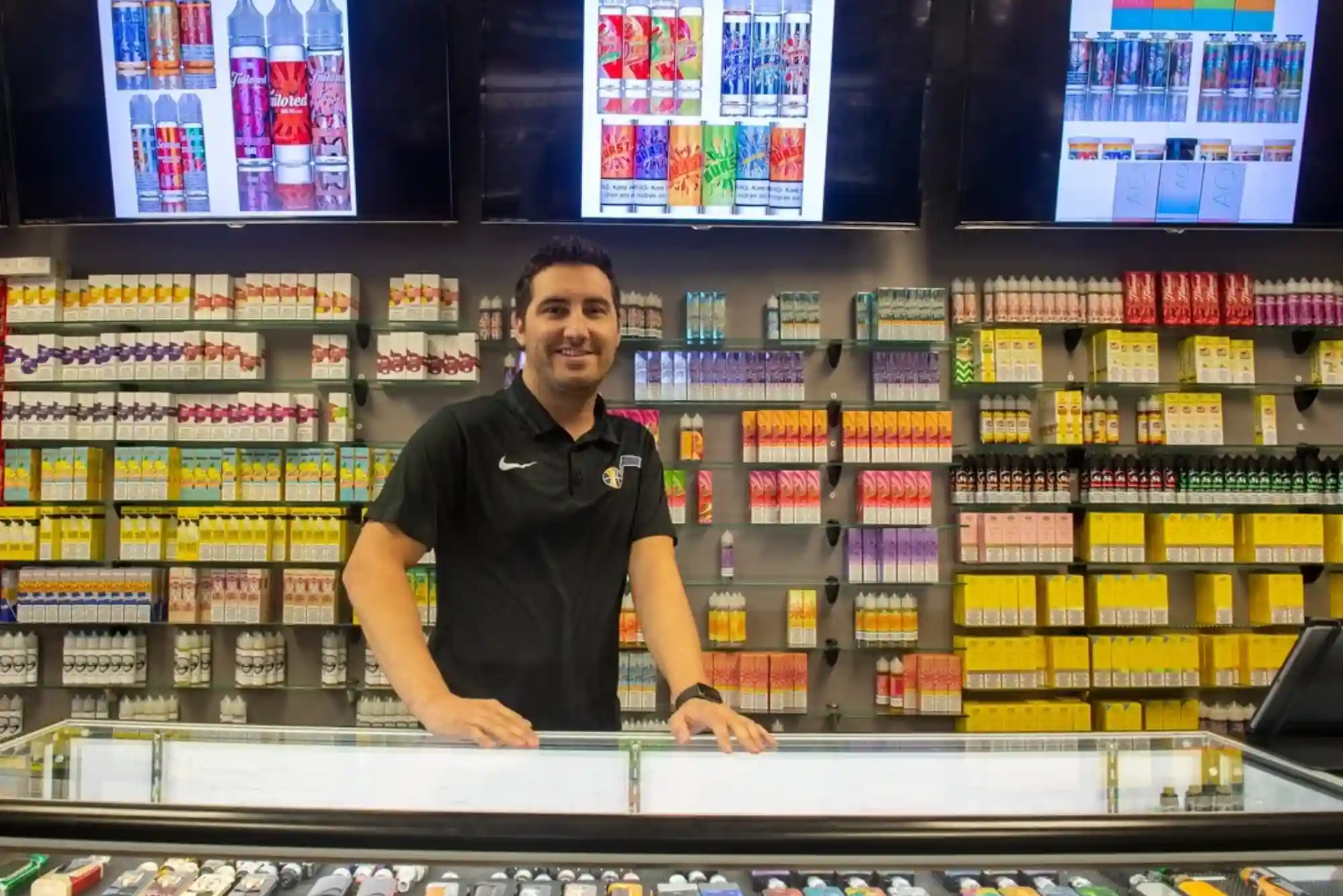
Consequently, ordinary retailers cannot legally sell vaping products. This restriction applies to tobacconists, convenience stores, vape shops, and other non-pharmacy businesses.
Therapeutic vaping products may still be supplied through participating pharmacies under specific conditions.
The distinction is important because the regulations do not simply prohibit every aspect of vaping. Instead, they establish strict requirements for legal supply and therapeutic access.
Common Misconceptions About Victoria Vaping Regulations
Misconception: Vaping Is Completely Illegal in Victoria
One widespread misunderstanding is that every vaping product is prohibited throughout Victoria.
However, this is not entirely accurate. Australia’s vaping reforms distinguish between unlawful commercial products and regulated therapeutic vaping products.
Eligible adults may access certain therapeutic vaping products through participating pharmacies. The supply process depends on nicotine concentration, clinical suitability, and applicable state requirements.
For example, adults aged 18 and over may access qualifying products containing 20 mg/mL nicotine or less without a prescription. Pharmacists must complete the required assessment and consultation.
Higher nicotine concentrations require a prescription from an authorised medical or nurse practitioner.
Therefore, the law restricts vaping product availability rather than introducing a complete prohibition on every therapeutic product.
Misconception: Nicotine-Free Vapes Are Still Available Everywhere
Another common misconception concerns nicotine-free vaping products.
Some consumers assume that removing nicotine automatically makes a vape legal for ordinary retail sale. However, Australia’s federal reforms apply to vaping products regardless of nicotine content.
Since July 2024, non-pharmacy retailers have been prohibited from supplying vaping products, including nicotine-free alternatives.
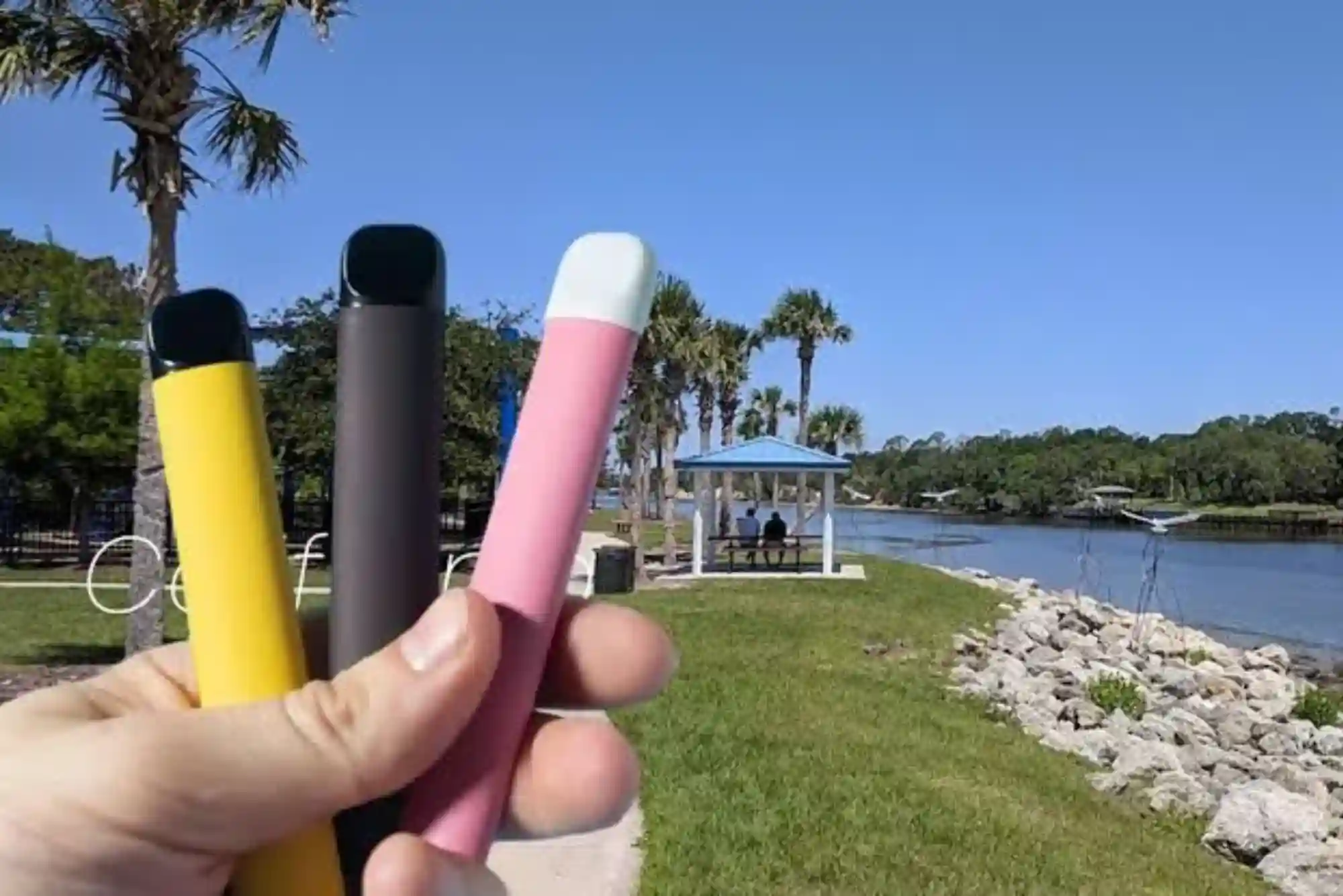
This means a convenience store cannot legally sell a zero-nicotine disposable vape simply because it contains no nicotine.
The regulatory framework also covers vaping devices, accessories, cartridges, and vaping substances.
Consumers should therefore check official government information instead of relying on product descriptions or retailer claims.
Misconception: Vape Shops Can Continue Selling Their Existing Stock
Some people believe vape shops can legally sell products purchased before the regulatory changes.
Unfortunately, this assumption is incorrect.
From 1 July 2024, non-pharmacy retailers could no longer supply vaping products, including previously available stock.
The federal reforms also introduced restrictions on commercial possession, manufacture, importation, and distribution.
Businesses must follow the applicable requirements rather than assuming older products remain exempt.
These changes aim to establish a controlled pharmaceutical supply chain and reduce unlawful commercial distribution.
Where Can Adults Legally Access Vaping Products?
Understanding pharmacy access is essential when discussing the Common Misconception: Vaping laws in victoria australia and the Truth About Vaping.
Participating pharmacies are the authorised retail channel for qualifying therapeutic vaping products. However, availability does not mean every product can be purchased without restrictions.
For adults aged 18 and over, pharmacists may supply qualifying therapeutic vapes containing nicotine concentrations of 20 mg/mL or less without a prescription.
Several conditions apply. Pharmacists must assess clinical suitability, discuss other smoking cessation options, and verify the customer’s age and identity.
Products containing higher nicotine concentrations require an appropriate prescription.
People under 18 cannot legally receive vaping products in Victoria, including through prescription arrangements.
Additionally, pharmacists are not obligated to supply therapeutic vaping products. They must follow professional responsibilities and applicable regulations.
Consumers should consult a healthcare professional before considering vaping products for smoking cessation or nicotine dependence.
Public Places Where Vaping Is Restricted in Victoria
Another important part of Victorian vaping regulations concerns public spaces.
Many people incorrectly believe vaping is permitted everywhere outdoors. However, Victoria’s Tobacco Act establishes several smoke-free and vape-free areas.
These restrictions apply to enclosed workplaces and various public locations.
For example, vaping is prohibited in outdoor dining areas. Restrictions also apply to public transport platforms, bus shelters, trains, trams, and buses.
Schools and childcare facilities have additional protections. Vaping is prohibited on school grounds and within four metres of entrances to relevant educational facilities.
Other restricted locations include children’s playgrounds, certain sporting venues, public swimming pool complexes, and designated areas around public hospitals.
At patrolled beaches, vaping is prohibited between lifesaving flags and within 50 metres of each flag.
These regulations protect members of the public from exposure to second-hand aerosol.
People should always check local signage and government guidance before vaping in public.
The Truth About Vaping and Its Health Implications
Understanding vaping laws is only one part of the discussion. Consumers should also understand the potential health implications.
A common misconception suggests vaping is completely harmless because it does not involve burning tobacco in the same way as conventional cigarettes.
However, vaping is not risk-free.
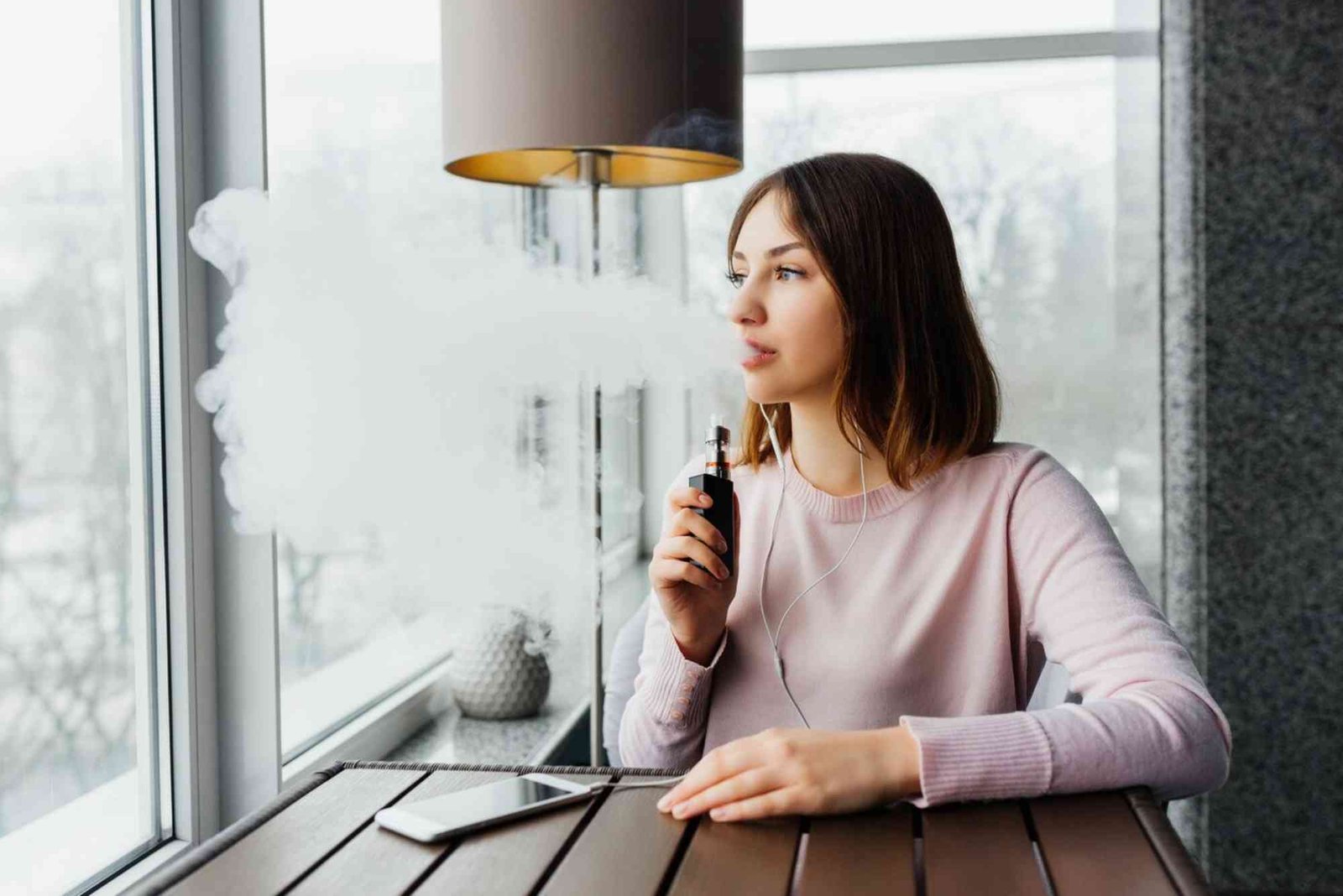
Vaping aerosols can contain nicotine, flavouring chemicals, and other substances. Some products may also contain contaminants or ingredients that create additional health concerns.
Nicotine is addictive and can affect brain development in adolescents and young adults. Therefore, vaping products are particularly concerning for young people.
People who have never smoked should not start vaping.
For adults who smoke, switching completely from cigarettes to regulated vaping products may have a different risk profile than continuing to smoke. However, vaping is not harmless, and evidence about its long-term effects continues to develop.
Healthcare professionals can explain established smoking cessation options, including nicotine replacement therapies.
The most important message is that consumers should avoid treating vaping as a harmless lifestyle activity.
Advertising and Promotion Restrictions in Australia
Advertising restrictions are another important part of the national vaping reforms.
Many consumers believe businesses can freely promote vaping products through websites and social media. However, Australian legislation places strict restrictions on vaping advertisements.
Commercial advertising and promotion of vaping products are generally prohibited unless specifically authorised.
These requirements extend across different media channels, including websites, social platforms, promotional campaigns, and sponsorship arrangements.
Businesses must understand these restrictions before publishing vaping-related promotional material.
Retailers should also avoid misleading claims about product safety, therapeutic benefits, and legal availability.
The purpose of these regulations is to reduce exposure to vaping promotion and prevent misleading commercial practices.
For accurate information about government regulation, consumers and businesses can visit Victorian Government Health — retail & regulation updates.
This government resource provides access to official Victorian information, policies, and public services.
Why Understanding the Latest Regulations Matters
Vaping legislation can be confusing because federal and state requirements operate together.
Federal legislation primarily controls product supply, commercial possession, importation, and advertising. Victorian legislation additionally regulates matters such as underage supply and smoke-free public areas.
As a result, understanding only one part of the legislation can create unnecessary confusion.
Consumers may mistakenly purchase products from unauthorised retailers. Businesses may also face significant penalties when they ignore supply restrictions.
The Therapeutic Goods Administration provides updated information about lawful vaping supply chains and compliance requirements.
Its guidance is particularly important for pharmacies, manufacturers, importers, wholesalers, and retailers.
People should avoid depending on outdated online articles or informal social media discussions.
Checking official sources helps consumers understand their responsibilities and make informed decisions.
How to Stay Informed About Victoria Vaping Laws
Staying informed is essential because regulatory guidance and enforcement information can change.
The Victorian Department of Health provides information about vaping restrictions, nicotine regulation, and smoke-free areas.
The Therapeutic Goods Administration explains national requirements for therapeutic vaping products and commercial supply.
Consumers can also contact healthcare professionals for advice about nicotine dependence and smoking cessation.
Retailers should regularly review government guidance before making decisions about product storage, distribution, advertising, or sales.
Most importantly, never assume that a product is legal simply because it is available online or advertised by an overseas seller.
Personal importation of vaping products through overseas retailers is prohibited under Australia’s current framework. Border authorities may seize suspected unlawful imports.
Reliable information is therefore essential for avoiding legal and health-related misunderstandings.
Understanding Florida vaping laws and the truth about vaping helps readers stay informed about current regulations, age restrictions, and public health concerns. Learning the facts can clear up common misconceptions and encourage responsible, informed decisions about vaping in Florida.
Conclusion
The Common Misconception: Vaping laws in victoria australia and the Truth About Vaping highlights why accurate information matters.
Victoria has strict vaping regulations, supported by Australia’s national therapeutic goods framework. Ordinary retail sales are prohibited, while qualifying therapeutic products remain available through authorised pharmacy channels.
Vaping is also restricted in numerous public spaces, and underage supply is prohibited.
Frequently Asked Questions
Is vaping illegal in Victoria, Australia?
Vaping is not completely illegal in Victoria. However, ordinary retail sales are prohibited. Qualifying therapeutic vaping products can be supplied through participating pharmacies under specific federal and Victorian requirements.
Can you buy vapes in Victoria without a prescription?
Adults aged 18 and over may access qualifying therapeutic vapes containing 20 mg/mL nicotine or less without a prescription. Pharmacists must assess suitability and follow applicable conditions. Higher nicotine concentrations require a prescription.
Are disposable vapes illegal in Victoria?
Disposable single-use vaping products cannot legally enter the ordinary commercial supply chain under Australia’s vaping reforms. Pharmacies cannot sell disposable single-use vapes.
Can you vape in public places in Victoria?
Vaping is prohibited in many smoke-free areas, including enclosed workplaces, outdoor dining areas, public transport, and designated areas around schools and playgrounds. Other restrictions also apply.
Can vape shops legally sell nicotine-free vapes?
No. Non-pharmacy retailers cannot legally supply vaping products, regardless of whether they contain nicotine. This includes vape shops, tobacconists, and convenience stores.
What is the legal age for buying vapes in Victoria?
People under 18 cannot legally be supplied vaping products in Victoria. This restriction applies to nicotine and nicotine-free products, including online sales and deliveries.
Discover useful insights, product information, and the latest trends shaping modern vaping culture. Whether you are exploring vaping technology, device features, or industry developments, staying informed helps you make better decisions. Visit TryVape5 to explore more information, helpful resources, and updates from the evolving vaping industry.