Introduction
Vaping has become a widely discussed topic in recent years. However, many people still misunderstand the regulations surrounding vape juice. Some believe all e-liquids are legal, while others assume flavored vape products are completely prohibited. These misunderstandings create confusion among consumers, retailers, and manufacturers.
Understanding Common Misconception: Vap juice laws and the Truth About Vaping requires looking beyond online discussions. Actual regulations depend on product ingredients, manufacturing practices, marketing authorization, and local laws. In the United States, the Food and Drug Administration (FDA) plays an important role in regulating vaping products.
Vape juice, also called e-liquid, is not treated as an ordinary consumer product. Its ingredients, packaging, advertising, and distribution can fall under federal tobacco regulations. Therefore, understanding these requirements helps people separate common myths from established legal facts.
Understanding Vap Juice Laws in the United States
Vap juice laws are designed to regulate products containing nicotine and other substances used in electronic nicotine delivery systems. These regulations cover several stages of the product’s commercial lifecycle.
The FDA regulates e-liquids, cartridges, tanks, and other relevant vaping components. Its authority includes manufacturing, importing, packaging, labeling, advertising, and distribution.
However, regulation does not mean every product automatically receives permission for sale. Manufacturers must meet applicable requirements before introducing new tobacco products into the American market.

Why Does the FDA Regulate Vape Juice?
The primary purpose of federal regulation is protecting public health. Nicotine exposure can create dependence, particularly among young people. Additionally, vaping liquids may contain ingredients that require careful evaluation.
The FDA reviews applications for new tobacco products using a public health standard. This assessment considers potential risks to users and non-users.
Manufacturers must provide appropriate scientific information when seeking authorization. Simply producing a liquid and placing it on store shelves does not establish legal approval.
Common Misconceptions About Vap Juice Laws
Many misunderstandings develop because people confuse product availability with legal authorization. A product appearing in an online store does not necessarily mean federal regulators have approved its marketing.
Myth: Every Vape Juice Product Is Legal
One common misconception is that commercially available vape juice must already comply with federal requirements. Unfortunately, this assumption is incorrect.
New tobacco products generally require FDA marketing authorization before being legally marketed in the United States. Products without the necessary authorization can face regulatory enforcement.
The FDA maintains information about authorized products through its searchable tobacco products database. Consumers and retailers can use this resource to investigate product authorization.
Myth: Flavored Vape Juice Is Automatically Legal
Another misunderstanding concerns flavored e-liquids. Some consumers believe manufacturers can legally sell every flavor simply because it contains permitted ingredients.
However, flavor availability does not establish legal authorization. Each relevant product must satisfy applicable regulatory requirements.
The FDA evaluates product applications according to its public health standard. The agency considers potential effects on both adult users and young people.
Therefore, consumers should not assume that fruit, dessert, mint, or other flavored products are automatically permitted for sale.
Myth: FDA Regulations Only Apply to Nicotine Products
Some people believe nicotine-free vape juice falls completely outside federal regulation. This assumption can be misleading.
The FDA’s regulatory authority includes tobacco products containing nicotine from different sources. Its regulations also cover relevant components and parts of electronic nicotine delivery systems.
The exact classification of a product depends on its ingredients, intended use, and applicable legal requirements. Businesses should carefully examine the relevant regulations before manufacturing or distributing products.
What Are the Main FDA Requirements for E-Liquids?
Understanding FDA requirements is essential when discussing the truth about vaping regulations. These requirements affect manufacturers, importers, distributors, and retailers.
Premarket Tobacco Product Authorization
One of the most important requirements involves premarket authorization.
Companies generally need an FDA marketing order before introducing a new tobacco product into the American market. A Premarket Tobacco Product Application, commonly called a PMTA, is one available application pathway.
The FDA evaluates scientific information to determine whether marketing the proposed product is appropriate for protecting public health.
Submitting an application does not automatically grant permission to sell the product. Businesses must understand the difference between an application and an actual marketing authorization.
Packaging and Health Warning Requirements
Packaging also plays an important role in vape juice compliance.
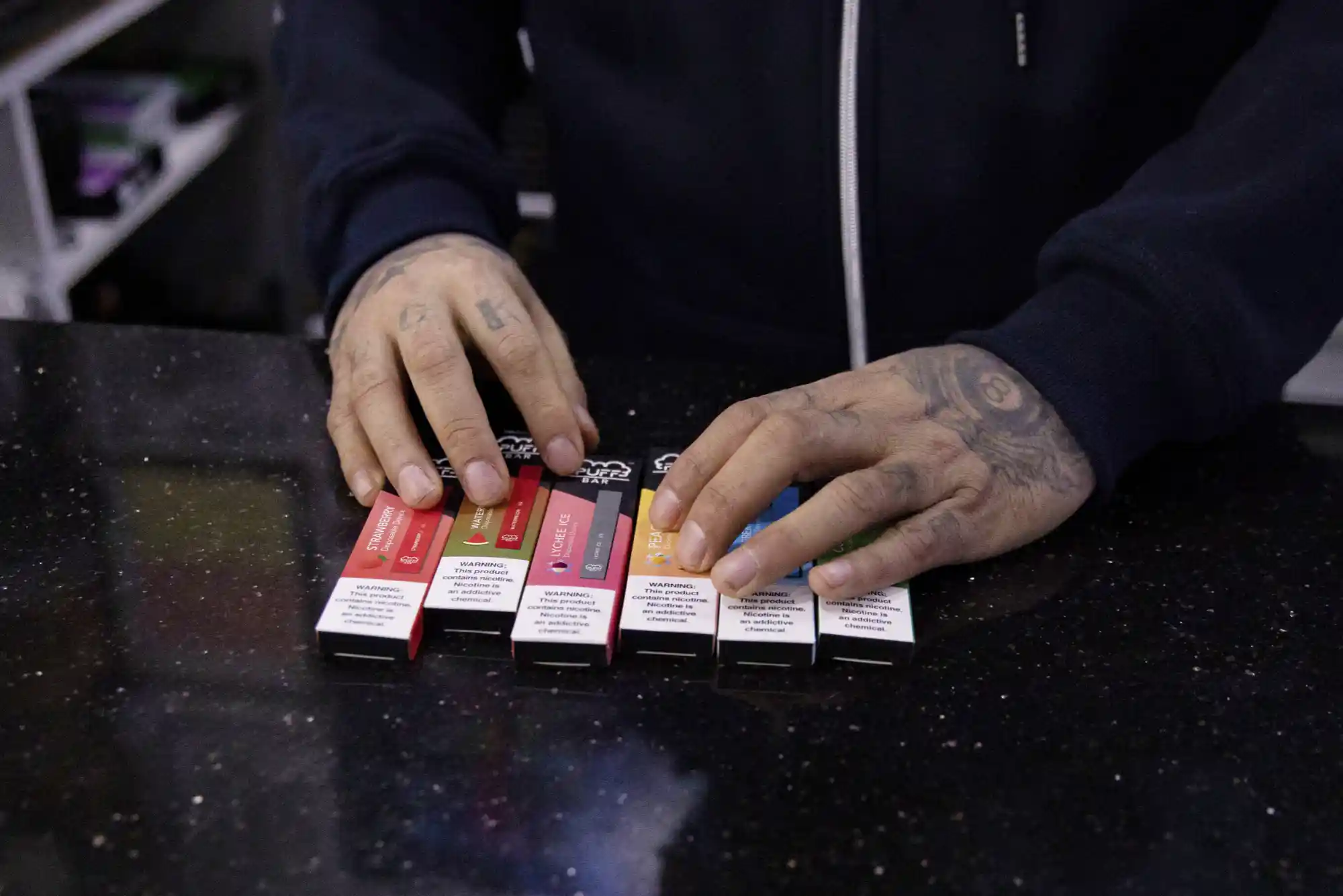
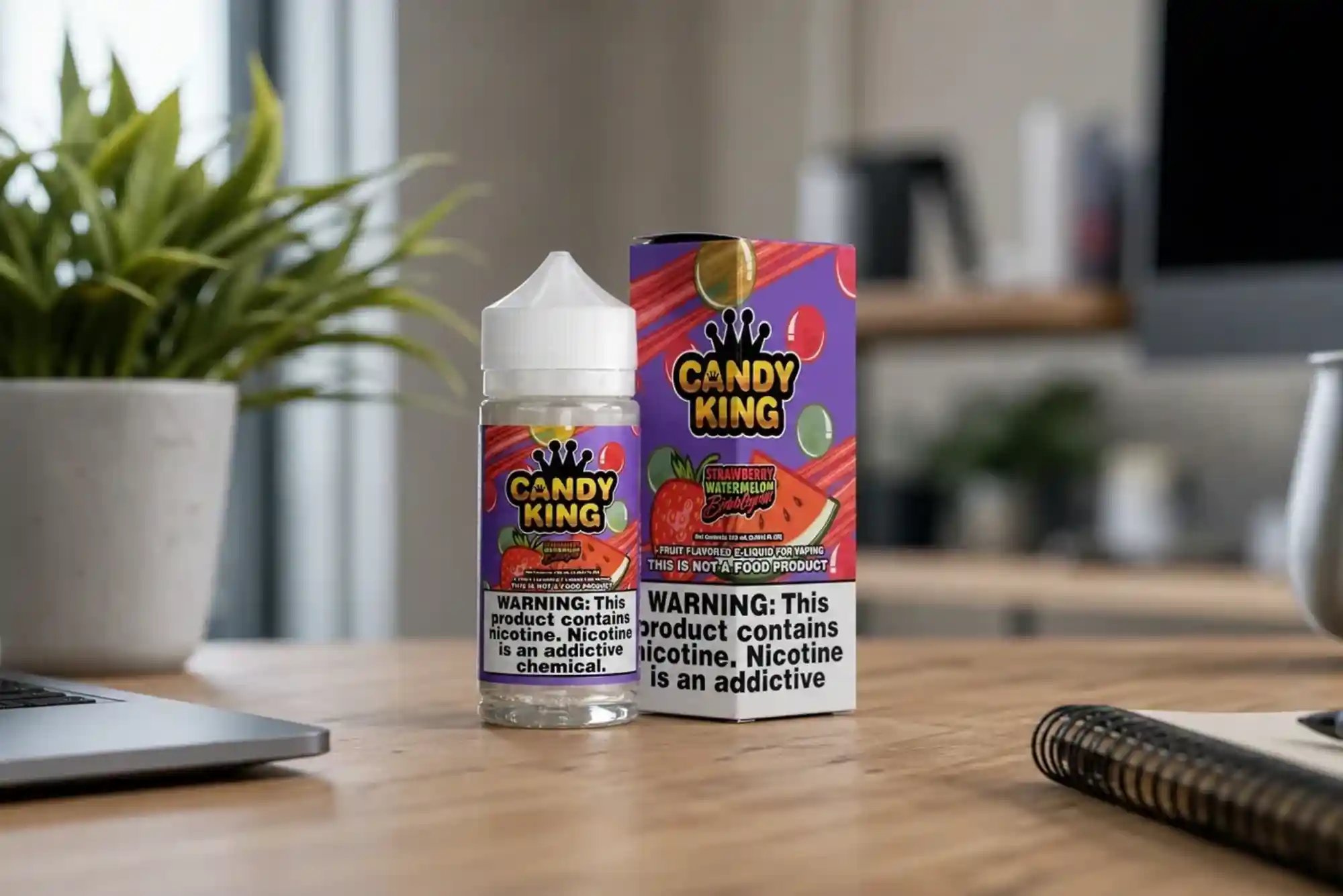
Federal regulations require applicable e-cigarette products to display the prescribed nicotine addiction warning. Retailers must not distribute covered products without the required health warning statement.
Accurate packaging helps communicate important information to consumers. It also supports regulatory oversight and responsible product distribution.
Manufacturing and Product Standards
Businesses involved in preparing or modifying e-liquids may have additional responsibilities.
For example, vape shops that mix nicotine-containing e-liquids or modify vaping devices may qualify as manufacturers under FDA regulations.
This means their responsibilities can extend beyond ordinary retail activities. They may need to comply with applicable manufacturing requirements, registration obligations, and other regulatory provisions.
Understanding Age Restrictions and Vape Juice Sales
Age restrictions are another important part of American vaping regulations.
Federal law prohibits retailers from selling tobacco products, including e-cigarettes and e-liquids, to individuals younger than 21.
Retailers must also follow identification requirements. FDA rules require checking photo identification for customers under 30 who attempt to purchase covered products.
These restrictions help prevent underage access to nicotine products.
Additionally, retailers cannot distribute free samples of covered vaping products. Certain vending machine sales are also restricted when individuals younger than 21 can access the premises.
Understanding these requirements helps businesses avoid unnecessary compliance problems.
How FDA Enforcement Affects the Vaping Industry
Regulations are meaningful only when authorities monitor compliance. The FDA uses different enforcement approaches to address unauthorized tobacco products.
These approaches can include warning letters, inspections, import restrictions, and other regulatory actions.
In May 2026, the FDA issued updated guidance explaining enforcement priorities for certain unauthorized electronic nicotine delivery systems. The agency emphasized concerns involving illicit products, counterfeit goods, and misleading import declarations.
This demonstrates that vaping regulations continue to develop. Businesses should avoid relying on outdated information when making decisions about product distribution.
The FDA also provides information about enforcement activities and regulatory updates through its official website.
For additional information, businesses and interested readers can consult the U.S. FDA — e-liquid rules & market enforcement resources to understand federal requirements and relevant regulatory developments.
Why Consumers Should Understand Vape Juice Regulations
Understanding regulations provides useful knowledge when evaluating vaping products. It also helps consumers recognize the difference between commercial availability and legal authorization.
Product labels, manufacturer information, and official regulatory records can provide important details. However, attractive packaging or professional advertising should never replace proper verification.
Consumers should also understand that FDA marketing authorization does not mean a product is completely safe. Authorized tobacco products are not necessarily risk-free.
Nicotine can cause dependence, and vaping may expose users to potentially harmful substances. People who do not currently use tobacco products should avoid starting.
Young people, pregnant individuals, and non-smokers should be particularly cautious about nicotine exposure.
Understanding the Laws on Vaping in California and the Truth About Vaping helps consumers stay informed about current regulations, age restrictions, and responsible use. California has specific rules governing vape products, sales, and public use. Knowing the facts can help readers avoid common misconceptions and better understand the legal landscape surrounding vaping.
Frequently Asked Questions
Is vape juice regulated by the FDA?
Yes. The FDA regulates e-liquids and relevant vaping components under federal tobacco laws. Its authority covers manufacturing, importing, packaging, labeling, advertising, and distribution.
Can you legally buy vape juice under 21 in the United States?
No. Federal law prohibits retailers from selling e-cigarettes and vape juice to anyone younger than 21. Retailers must follow applicable age-verification requirements.
Does all vape juice need FDA approval?
New tobacco products generally require FDA marketing authorization before they can legally enter the American market. The specific requirements depend on the product’s regulatory classification and applicable exemptions.
Are flavored vape juices illegal in the United States?
Not every flavored product has the same legal status. Flavored e-liquids must satisfy applicable federal requirements, including marketing authorization where required. Consumers should verify individual products rather than assuming every flavor is permitted.
Understanding the Truth About Vaping Laws
The discussion surrounding Common Misconception: Vap juice laws and the Truth About Vaping highlights why accurate information matters. Many popular assumptions about vape juice regulations are incomplete or incorrect.
As vaping continues to attract attention, finding reliable information about vape products, flavours, and industry developments is important. TryVape5 offers an online destination for exploring vaping-related information and discovering products.