Vape Influencers Who Changed the Game
Introduction
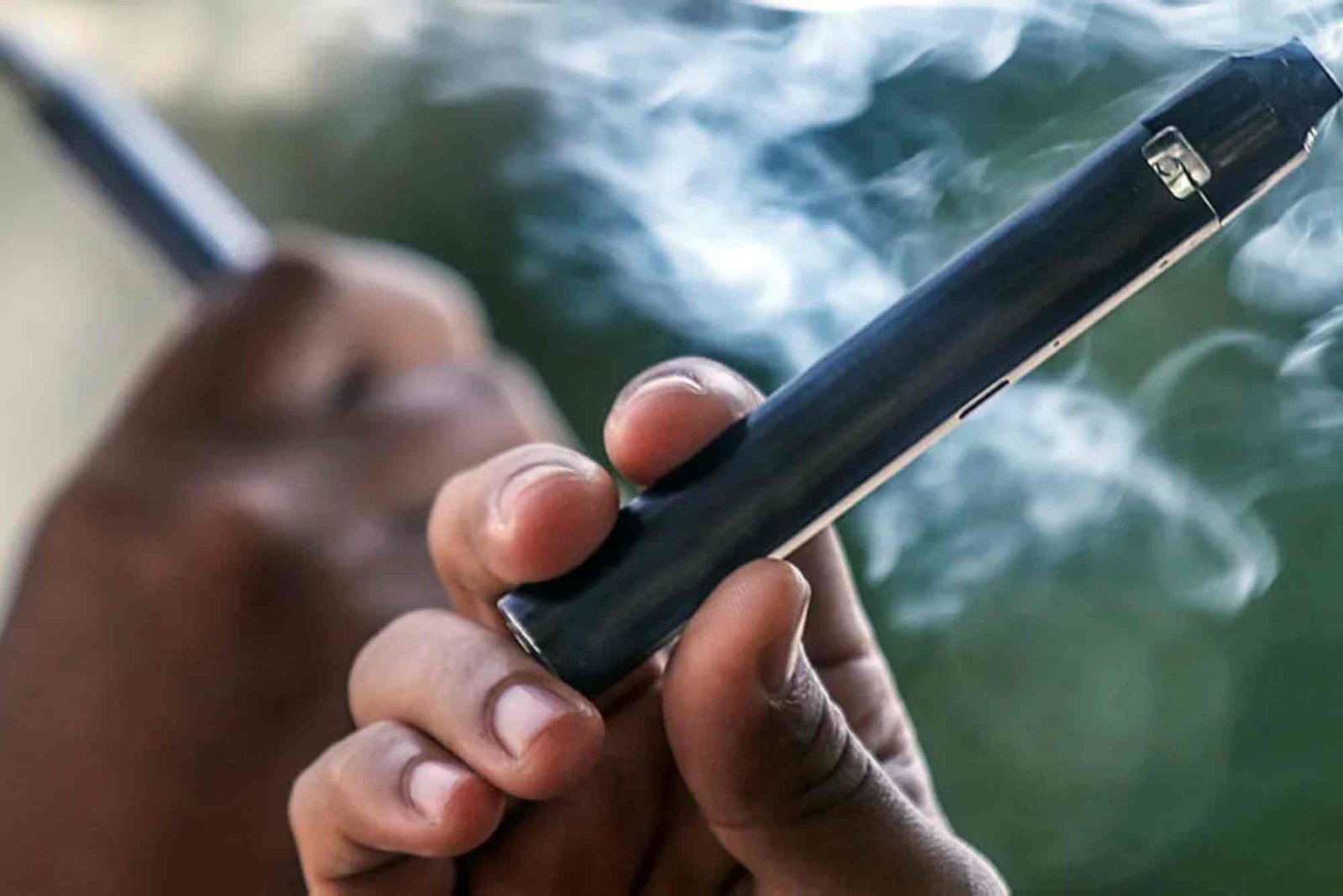
Social media has transformed how people discover products, follow trends, and connect with online communities. The vaping industry has experienced this transformation through content creators and digital personalities. Vape Influencers Who Changed the Game explores how these creators influenced online conversations and changed the way vaping culture appeared across digital platforms.
From YouTube reviews to Instagram lifestyle content, influencers introduced new ways of discussing vaping products. Their videos attracted audiences interested in device technology, product features, and industry developments. However, their influence also raised important questions about advertising transparency, nicotine risks, and responsible communication.
Today, vape-related content exists within a changing digital environment. Platform restrictions and advertising regulations have also influenced how creators approach this subject. Understanding their impact requires looking beyond popularity and examining their wider cultural and commercial influence.
Vape Influencers Who Changed the Game and Digital Culture
Vape influencers helped transform vaping discussions from specialist forums into broader social media conversations. Their content often combined product information, personal opinions, and visual entertainment.
Early creators focused heavily on reviewing devices and explaining technical features. Later, content became more lifestyle-oriented, incorporating photography, fashion, and everyday digital trends.
This development demonstrated how online personalities could influence conversations around emerging consumer products. It also showed the importance of authenticity and audience trust.

The Growth of Vape Content Creators
YouTube became an important platform for early vaping discussions. Creators published device demonstrations, technical comparisons, and educational explanations.
Their videos helped audiences understand unfamiliar terminology. They also encouraged conversations about battery safety, product maintenance, and device performance.
Instagram introduced another visual dimension. Photography and short videos made product presentation more prominent. Consequently, vaping content became connected with broader discussions about digital aesthetics and online identity.
How Influencers Changed Audience Expectations
Audiences increasingly expected detailed explanations rather than simple promotional messages. They wanted transparent opinions, accurate product information, and clear disclosures.
This shift encouraged creators to consider credibility more carefully. It also highlighted the difference between independent commentary and paid promotion.
The Different Types of Vape Influencers Who Changed the Game
Not every influencer contributed to vaping conversations in the same way. Different creators developed distinct approaches to presenting information and discussing industry changes.
Product Review Creators
Product reviewers became recognizable voices in early vaping communities. They discussed device specifications, battery technology, construction, and product limitations.
Their detailed explanations helped audiences understand technical terminology. However, viewers needed to distinguish personal opinions from independent product testing.
Educational Content Creators
Educational creators focused on explaining vaping terminology and discussing industry developments. Their content covered nicotine information, device components, and safety considerations.
This approach introduced more informative discussions. It also demonstrated why accurate information matters when discussing nicotine-containing products.
Lifestyle and Fashion Creators
Some creators connected vaping-related imagery with streetwear, photography, and contemporary digital aesthetics. This helped bring vaping into broader online cultural conversations.
However, lifestyle presentation can make nicotine products appear more socially attractive. Therefore, responsible creators should avoid presenting vaping as fashionable or desirable.
The relationship between fashion and creator influence trends also demonstrates how digital personalities shape conversations beyond individual product categories.
How Social Media Platforms Changed Vape Influencer Culture
Social media platforms changed how creators communicated with audiences. Each platform introduced different content formats and audience expectations.
YouTube encouraged longer explanations and detailed product discussions. Instagram emphasized visual presentation and short-form storytelling. TikTok introduced rapid content discovery through short videos.
These differences influenced how vaping-related discussions developed online.
YouTube and Long-Form Content
YouTube played an important role in early vaping communities. Creators published detailed videos discussing product features and industry developments.
A 2016 study documented approximately 28,000 e-cigarette-related YouTube videos. Together, these videos had received more than 100 million views by June 2013.
JMIR
This demonstrates how quickly online interest developed. It also highlights the importance of monitoring digital content.
Instagram and Visual Storytelling
Instagram changed the presentation of vaping-related content. High-quality photography, product images, and lifestyle aesthetics became common visual formats.
Research published in 2023 examined vaping content across Instagram and YouTube. It identified predominantly positive portrayals and limited health warnings.
Springer Nature Link
This finding raised concerns about how audiences interpret attractive promotional imagery.
TikTok and Short-Form Videos
TikTok introduced another important dimension through short-form video discovery. Trends, music, editing techniques, and creator personalities influenced content visibility.
However, short videos provide limited space for explaining health risks. Consequently, viewers may receive incomplete information about nicotine products.
What Made Vape Influencers Different From Traditional Advertisers?
Traditional advertising usually communicates through established promotional channels. Influencer content often feels more personal because audiences follow individual creators.
This difference can influence how people interpret product-related messages. Followers may consider creators trustworthy because they regularly watch their content.
Nevertheless, popularity does not automatically establish expertise. A large following also does not guarantee accurate information.
Personal Connection and Audience Trust
Influencers build relationships through regular communication. Comments, livestreams, and question sessions create opportunities for interaction.
This relationship can make recommendations appear more convincing. Therefore, commercial relationships should always receive clear disclosure.
Authenticity and Transparency
Authenticity remains important in digital communication. Creators should explain when content involves sponsorship or financial relationships.
They should also distinguish personal experiences from verified scientific information. This helps audiences evaluate content more responsibly.
The Impact of Vape Influencers on the Industry
Vape influencers contributed to changing conversations around product design, online communities, and digital marketing.
Their influence extended beyond individual reviews. They helped establish new content formats and encouraged discussions about technology and consumer awareness.
The following table summarizes several important areas of their influence.
|
Area of influence |
Contribution |
Wider impact |
|---|---|---|
|
Product reviews |
Discussed technical features |
Increased product awareness |
|
Educational content |
Explained industry terminology |
Improved access to information |
|
Digital communities |
Encouraged online discussions |
Created shared interests |
|
Visual storytelling |
Introduced recognizable aesthetics |
Influenced online presentation |
|
Industry commentary |
Discussed market developments |
Expanded public conversations |
|
Responsible communication |
Highlighted safety concerns |
Encouraged informed decisions |
Changes in Product Discussions
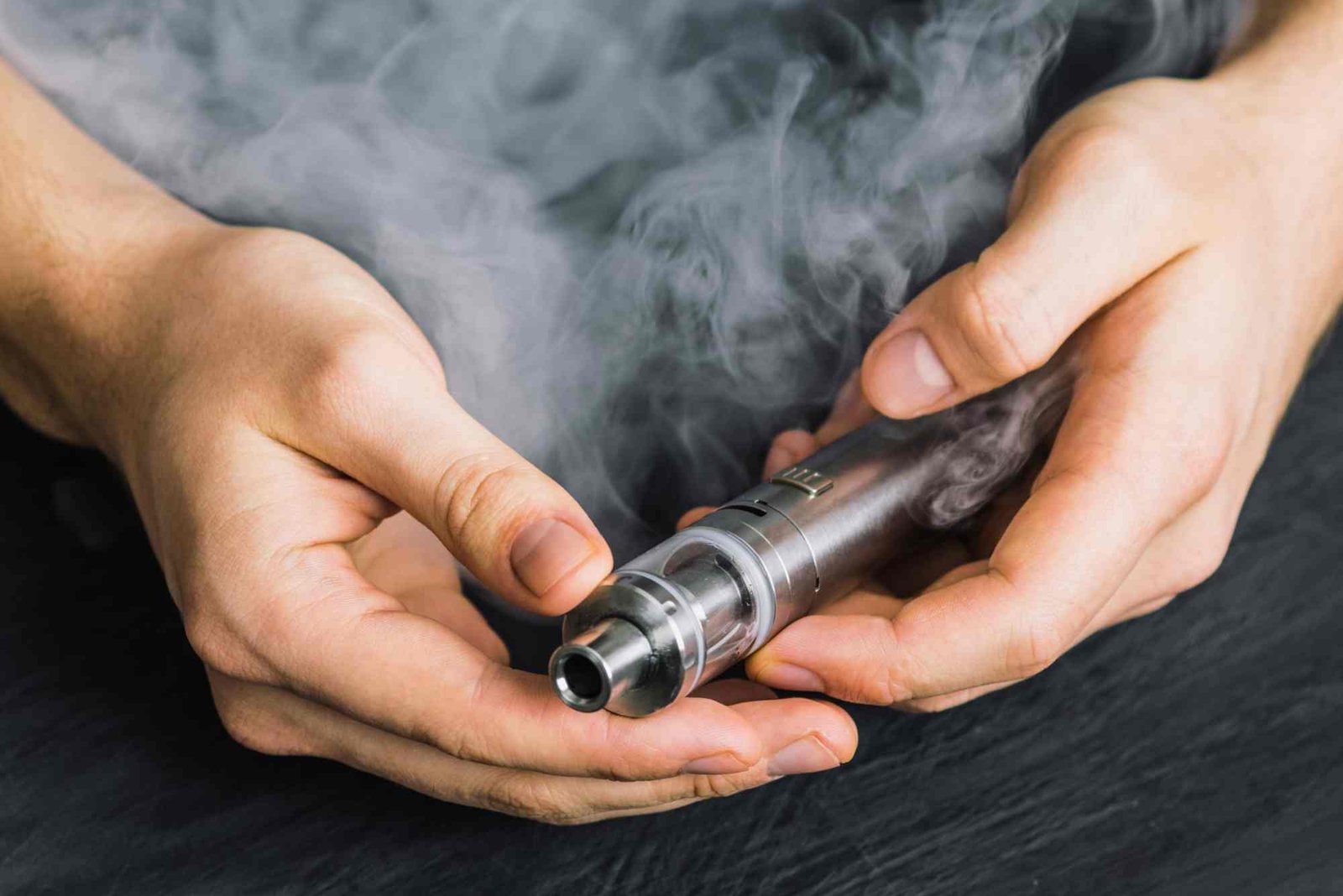
Influencer discussions encouraged audiences to pay attention to product specifications. Battery capacity, charging systems, device construction, and manufacturing quality became familiar discussion topics.
However, product demonstrations should never replace professional safety guidance. Battery misuse and nicotine exposure can create serious health risks.
Growth of Online Communities
Online communities became important spaces for discussing vaping-related developments. Users exchanged opinions and shared experiences through comments and discussion groups.
These communities also allowed people to question product claims. However, misinformation could spread when unsupported opinions appeared alongside factual information.
Challenges Faced by Modern Vape Influencers
Vape-related creators operate within a complicated digital environment. Advertising regulations, platform policies, and public health concerns influence their content.
Consequently, maintaining responsible communication has become increasingly important.
Advertising Restrictions
Many platforms restrict tobacco and nicotine-related advertising. Creators must understand applicable policies before publishing sponsored content.
Rules also differ between countries. Therefore, content that is permitted in one location may violate regulations elsewhere.
Health and Safety Responsibilities
Nicotine is addictive, and vaping is not risk-free. E-cigarette products can also expose users to potentially harmful substances.
Creators should avoid unsupported claims about health benefits. They should also avoid suggesting vaping is suitable for non-smokers or young people.
Protecting Younger Audiences
Age restrictions are particularly important for nicotine-related content. Attractive imagery and entertainment-focused presentations can reach audiences beyond their intended demographic.
Research has identified concerns about young people’s exposure to influencer marketing.
PMC+1
Responsible communication requires respecting age restrictions and avoiding youth-oriented promotional techniques.
How Vape Influencer Culture Is Changing in 2026
Vape influencer culture continues to evolve alongside social media regulations and changing consumer expectations.
The emphasis is increasingly on content accountability, transparency, and responsible communication.
Greater Attention to Creator Responsibility
Audiences increasingly need reliable information about sponsored content. Creators should disclose commercial relationships and avoid misleading statements.
Independent commentary should remain separate from paid endorsements. This distinction supports greater transparency.
Changing Digital Content Standards
Social media platforms continue adjusting their policies around nicotine-related material.
Creators must consider advertising restrictions, age protections, and community guidelines. Understanding these requirements helps prevent misleading or prohibited content.
The Future of Vape-Related Discussions
Future discussions may focus more heavily on regulation, nicotine addiction, product safety, and public health.
Creators can contribute by sharing accurate information without glamorizing nicotine use. This approach supports better-informed conversations.
Frequently Asked Questions About Vape Influencers Who Changed the Game
Who are vape influencers?
Vape influencers are online personalities who create content about electronic cigarettes and related industry topics.
Their content may include product discussions, industry commentary, educational information, and personal experiences. Some creators also have commercial relationships with vaping companies.
How do vape influencers influence social media?
Vape influencers influence online conversations through videos, photography, reviews, and audience discussions.
Their content can shape perceptions of products and nicotine-related topics. However, promotional content can also create misleading impressions when important risks are excluded.
Why are vape influencers popular?
Vape-related creators gained attention through product demonstrations, technical discussions, and recognizable online personalities.
Their content attracted viewers interested in understanding devices and following industry developments. Popularity, however, does not necessarily indicate expertise or reliability.
What social media platforms are used by vape influencers?
Historically, YouTube and Instagram have been important platforms for vaping-related content.
TikTok and other short-form platforms have also influenced digital discussions. However, platform policies restrict certain nicotine-related promotional activities.
Can vape influencers promote vaping products?
This depends on applicable laws and platform policies. Many platforms restrict or prohibit paid promotion of tobacco and nicotine products.
Creators must understand local advertising regulations and applicable disclosure requirements. They should never target minors or make unsupported health claims.
What makes a responsible vape influencer?
A responsible creator prioritizes accuracy, transparency, and audience protection.
They disclose commercial relationships, respect age restrictions, and avoid misleading health statements. They also acknowledge nicotine addiction and the potential risks associated with vaping.
tryvape5.com is an online platform focused on vape-related products, information, and resources. Visitors can explore different vaping options, learn about product features, and compare available choices. As vaping regulations and product availability can vary by location, users should always review local laws and purchase responsibly from legitimate sources.
Conclusion: The Lasting Influence of Vape Influencers Who Changed the Game
Vape Influencers Who Changed the Game represents an important chapter in the development of digital content culture.
These creators changed how audiences encountered vaping-related discussions. Their influence appeared through product reviews, educational videos, online communities, and visual storytelling.
However, their impact also demonstrated the responsibilities associated with digital influence. Nicotine-related content requires transparency, accurate information, and careful attention to public health.
As social media continues evolving, responsible communication should remain a priority. Creators, publishers, and digital marketers should understand the difference between informative content and promotional messaging.
Call to Action: Want to explore more about digital creator culture, changing online trends, and responsible content strategies? Keep following our latest industry insights and informative articles to stay updated.