
Introduction
The debate around vaping continues to grow worldwide. One of the most searched questions is: Common Misconception: Is Selling Vapes to Minors illegal and the Truth About Vaping. Many people are confused about laws, risks, and responsibilities.
Some believe vaping is harmless. Others think it is completely banned. The truth lies somewhere in between. Laws differ by country, but one rule remains consistent: protecting young people.
This guide explains the legal facts, clears misconceptions, and provides a balanced view of vaping. By the end, you will understand both the law and the real impact of vaping.
Understanding the Common Misconception: Is Selling Vapes to Minors Illegal and the Truth About Vaping
What Is the Misconception?
The biggest misconception is that selling vapes to minors may be allowed in some cases. This is false in most regions. Many assume vaping products are less regulated than cigarettes.
However, governments treat vapes similarly to tobacco. This includes strict age restrictions.
Why This Misconception Exists
Several reasons contribute to confusion. First, vaping is relatively new. Laws evolved quickly, and many people missed updates.

Second, marketing often targets young adults. This blurs the line between adult and youth audiences.
Lastly, online sales make age verification harder. This creates the false idea that rules are flexible.
Is Selling Vapes to Minors Illegal?
Legal Status in Most Countries
In most countries, selling vapes to minors is illegal. Retailers must verify age before selling any vaping product.
For example, in the United States, the legal age is 21. In the UK, it is 18. Many other countries follow similar rules.
Breaking these laws can lead to heavy fines, license suspension, or even jail time.
Penalties for Violations
Penalties vary depending on the region. However, common consequences include fines, business closure, and criminal charges.
Retailers who repeatedly violate laws face stricter punishments. Authorities may also conduct undercover checks.
Therefore, compliance is not optional. It is essential for business survival.
Online Sales and Legal Challenges
Online vape sales present unique challenges. Verifying age digitally is difficult. Some websites fail to implement strict checks.
As a result, regulators are tightening online sales laws. Many platforms now require ID verification at delivery.
The Truth About Vaping
What Is Vaping?
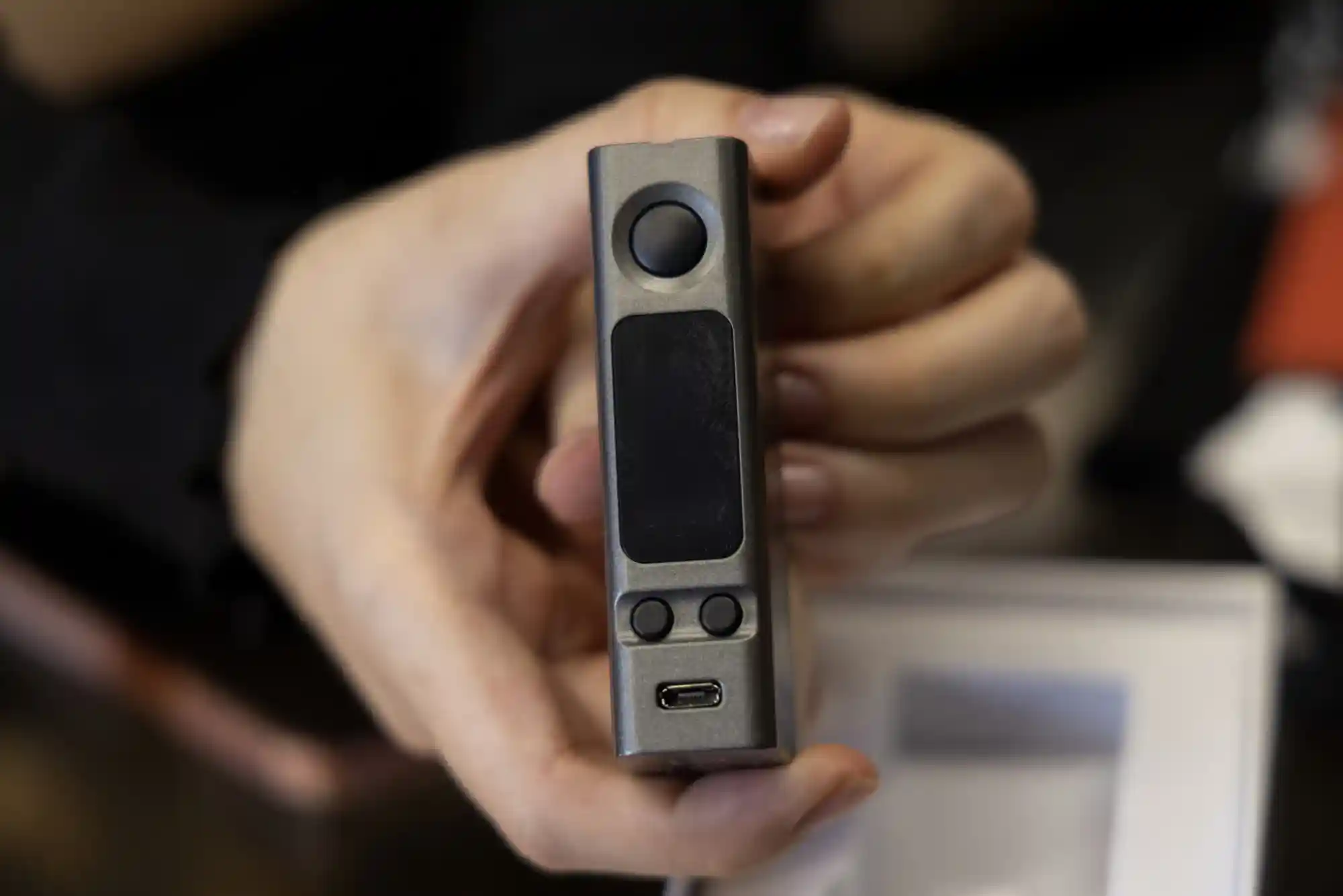
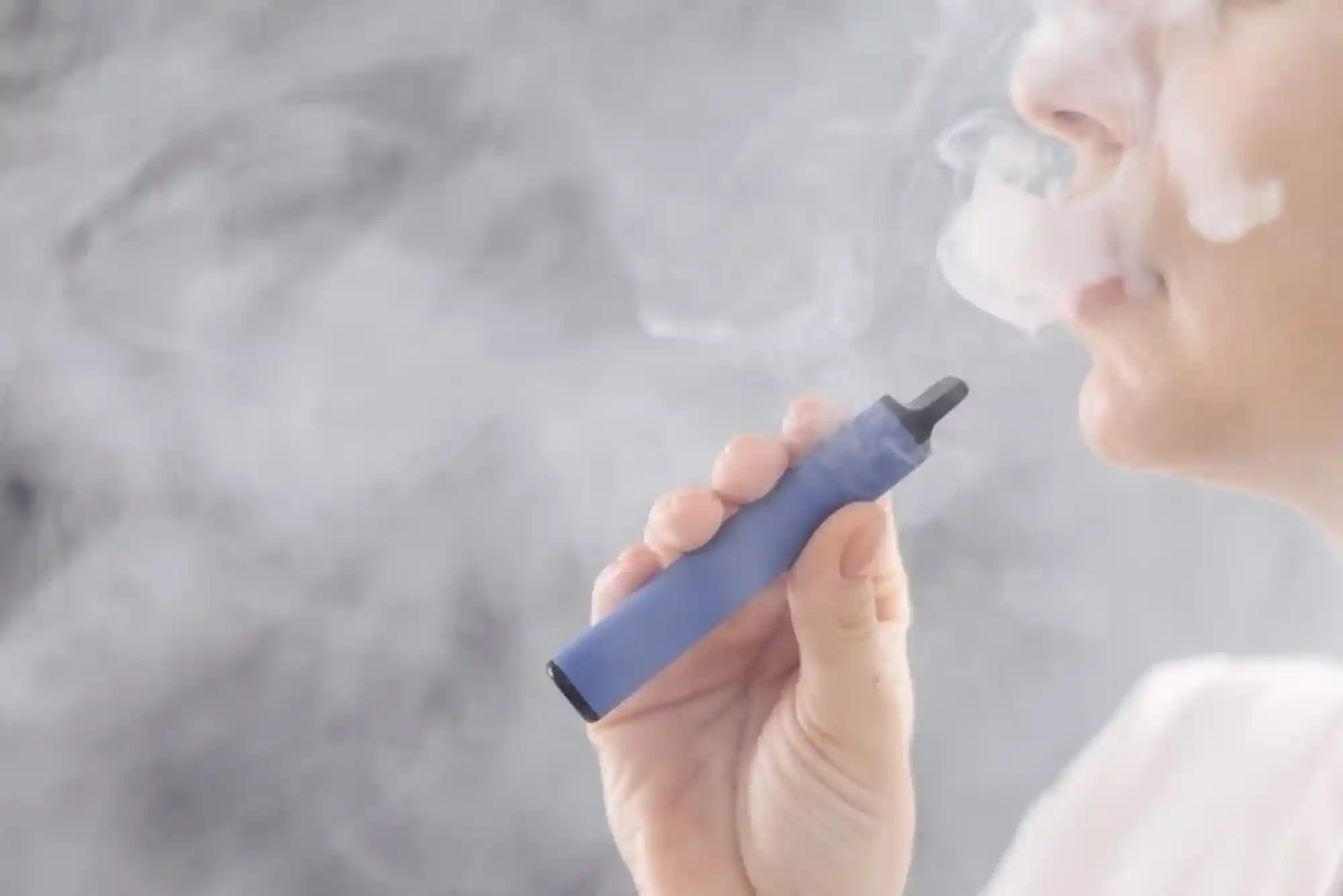
Vaping involves inhaling vapor produced by an electronic device. These devices heat liquid containing nicotine, flavorings, and chemicals.
Unlike traditional cigarettes, vaping does not burn tobacco. However, it still delivers nicotine.
Is Vaping Safer Than Smoking?
Vaping is often considered less harmful than smoking. However, it is not risk-free. Health experts agree that non-smokers should avoid vaping entirely.
Nicotine addiction remains a major concern. Additionally, long-term effects are still being studied.
Health Risks of Vaping
Vaping can affect the lungs and heart. Some users experience coughing, chest pain, and breathing issues.
Young users are at higher risk. Their brains are still developing, making them more vulnerable to addiction.
Moreover, certain vape liquids contain harmful substances. These can cause serious health problems over time.
Why Selling Vapes to Minors Is Strictly Prohibited
Protecting Youth Health
The primary goal of these laws is to protect young people. Nicotine can harm brain development in teenagers.
Early exposure increases the risk of lifelong addiction. This is why governments enforce strict age limits.
Preventing Long-Term Addiction
Most adult smokers start young. By restricting access, authorities aim to reduce future smoking rates.
Vaping can act as a gateway to tobacco use. Preventing early exposure helps break this cycle.
Ethical Responsibility of Retailers
Retailers play a key role in public health. Selling to minors is not just illegal. It is unethical.
Responsible businesses verify age and educate customers. This builds trust and protects communities.
Common Myths About Vaping Laws
Myth: Vapes Are Legal for All Ages
This is incorrect. Almost all countries have age restrictions for vape products.
Myth: Online Stores Can Sell to Minors
Online stores must follow the same rules as physical shops. Selling to minors is illegal in both cases.
Myth: Vaping Is Completely Safe
Vaping is not harmless. It carries health risks, especially for young users.
How Governments Regulate Vaping
Age Verification Systems
Retailers must check valid ID before selling vapes. This applies both in-store and online.
Advanced systems now use digital verification tools. These reduce the risk of underage sales.
Advertising Restrictions
Many countries limit vape advertising. This prevents companies from targeting young audiences.
Flavored products are also restricted in some regions. This reduces their appeal to minors.
Product Regulations
Governments regulate ingredients, packaging, and labeling. Warning labels are often mandatory.
These rules ensure consumers are informed about risks.
Role of Parents and Communities
Educating Young People
Parents should talk openly about vaping. Honest discussions are more effective than strict rules.
Schools also play an important role. Awareness programs help students make informed choices.
Monitoring Behavior
Parents should watch for signs of vaping. Early intervention can prevent long-term addiction.
Community support is equally important. Working together creates a safer environment.
Why This Topic Matters
The keyword Common Misconception: Is Selling Vapes to Minors illegal and the Truth About Vaping is widely searched. People want clear answers.
Providing accurate information builds trust. It also helps readers make better decisions.
Search engines prioritize helpful, reliable content. This makes quality information essential.
Understanding the Common Misconception: Is Selling Vapes to Minors illegal and the Truth About Vaping is crucial today. The truth is clear. Selling vapes to minors is illegal in most countries.
Vaping may be less harmful than smoking, but it is not safe. Especially for young people.
Retailers, parents, and communities must work together. Awareness and responsibility are key.
If you found this guide helpful, share it with others. Help spread accurate information and protect the next generation.
Law vape pen blinking green and the Truth About Vaping, Many users believe that a vape pen blinking green always indicates a legal or safe device, but this is a misconception. The blinking green light usually signals battery status or connectivity issues rather than legality. Understanding device indicators helps users avoid confusion and promotes safer vaping practices by following manufacturer guidelines and regulations. Stay informed always todaysafe
FAQs
Is selling vapes to minors illegal everywhere?
In most countries, yes. Laws strictly prohibit selling vape products to minors. Age limits usually range from 18 to 21.
What happens if a shop sells vapes to minors?
Penalties include fines, license suspension, and possible legal action. Repeat violations lead to stricter punishment.
Can minors legally buy vapes online?
No, minors cannot legally purchase vapes online. Websites must verify age before completing a sale.
Are vapes safer than cigarettes?
Vapes are generally considered less harmful than cigarettes. However, they still pose health risks and are not safe.
Why are flavored vapes restricted?
Flavored vapes attract young users. Restrictions aim to reduce youth vaping and prevent early addiction.
How can parents prevent teen vaping?
Parents should educate their children, monitor behavior, and encourage open communication. Awareness is the most effective tool.
Related Reading: Common Misconception: Fines for Vaping in Massachusetts and the Truth About Vaping
Related Reading: Southport Tobacconist And Vapes Best Stores and Local Guide
Related Reading: Common Misconception: Are Vapes Becoming illegal in Australia and the Truth About Vaping
Related Reading: Common Misconception: Can You Buy Flavored Vapes in Utah and the Truth About Vaping