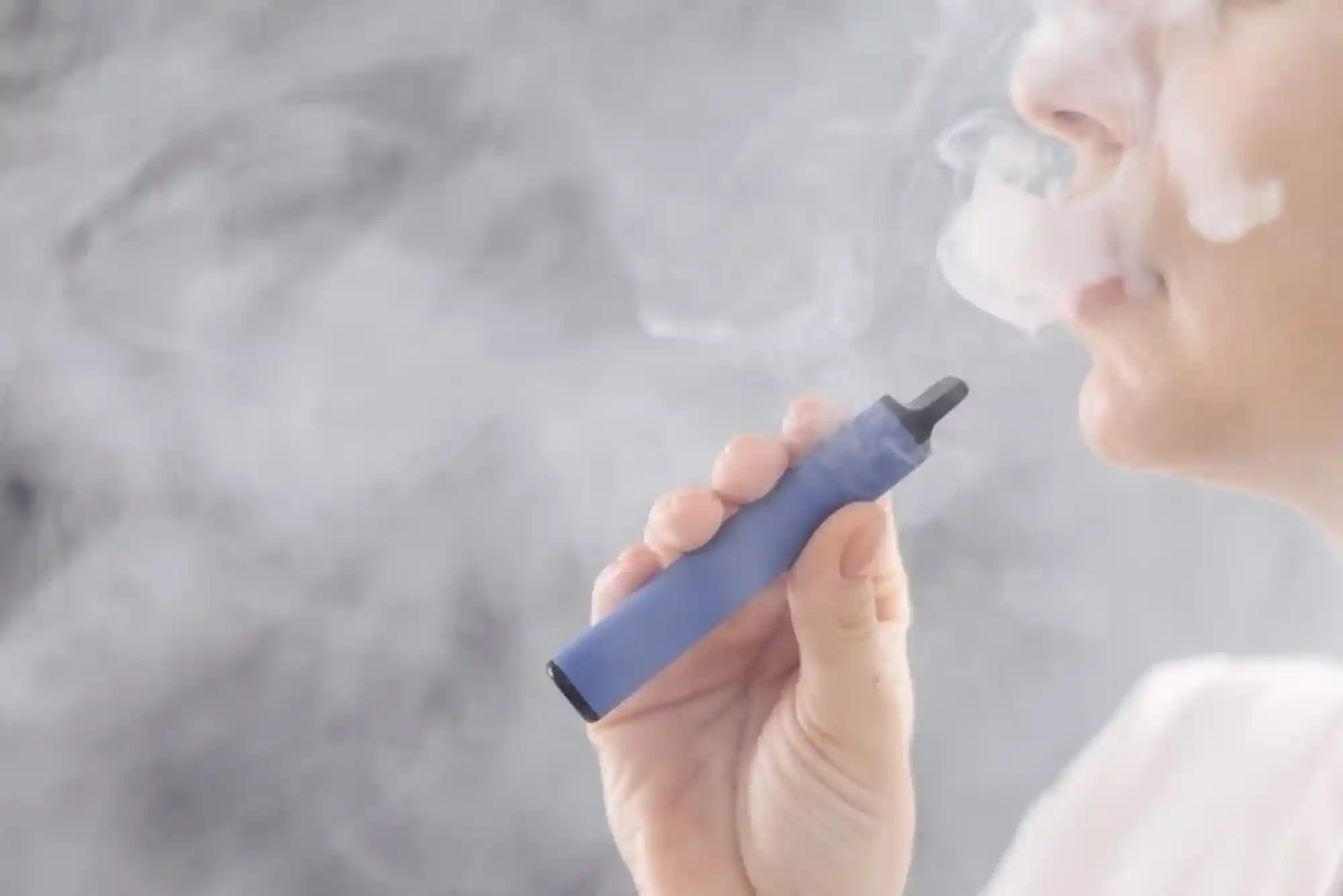

Smoking cigarettes harms millions, yet millions still struggle to quit. One solution that has sparked global debate is vaping — especially the idea that vaping can help smokers quit. In the Netherlands, recent laws have made some forms of vaping illegal, and public health policies are tightening every year. But can vaping in the Netherlands truly help smokers quit? In this article, we’ll unpack the evidence, explain the Dutch legal context, and guide you toward smart choices for quitting smoking.
Understanding Vaping and Its Legal Status in the Netherlands
Vaping refers to inhaling vapor from an electronic cigarette or “vape” device instead of inhaling smoke from burning tobacco. These devices heat a liquid (often with nicotine and flavourings) into an aerosol that users inhale. The goal for many smokers is to get nicotine without the harmful smoke created by cigarettes.
Dutch Policy: Not a Full Ban but a Restriction
Contrary to what some might think, vaping itself is not outright illegal in the Netherlands — but there are strict regulations on how it can be sold and what products are permitted. As part of the tobacco and e‑cigarette policy, the Dutch government has implemented bans on flavoured vape liquids, online sales, and general sales outside specialist tobacco shops. Only tobacco‑flavoured e‑liquids are permitted.
This focus on stricter rules is part of a broader public health initiative. The Dutch government aims for a tobacco‑free generation by 2040, and vaping rules are part of that ambition, alongside higher taxes on cigarettes and reduced sales outlets for tobacco and related products.
The key thing to understand is that while vaping with nicotine is still legal for adults (18+), many forms of vapes that are popular elsewhere — especially sweet or fruit flavours — are not legally sold in the Netherlands.
What the Research Says About Vaping as a Smoking Cessation Aid
Evidence: Mixed and Unclear
When asking, “can vaping truly help smokers quit?” the research provides a nuanced picture. Systematic reviews show that nicotine‑containing e‑cigarettes may modestly increase the chances of quitting smoking compared with nicotine‑free approaches or no support. Evidence from a Cochrane Review suggests that e‑cigarettes can help some smokers stop for at least six months.

However, findings are not uniform. Outside tightly controlled clinical environments, studies find that smokers who vape do not reliably quit smoking and may become dual users of both cigarettes and vapes, which undermines the goal of total cessation.
Some recent population studies, particularly from the U.S., even found that smokers who also vape were slightly less likely to quit smoking than those who didn’t vape at all.
Continued Vaping vs. Quitting Nicotine Altogether
Another important trend is that many smokers who switch to vaping continue vaping long‑term rather than quitting nicotine entirely. Research indicates that while vaping might reduce cigarette use, it often does not lead to complete nicotine independence.
This matters because the goal of most smoking cessation programs isn’t just to lower harm from smoke — it’s also to break nicotine addiction itself.
Why Some Health Experts Are Skeptical
Public health authorities view this topic cautiously for several reasons:
- Evidence isn’t conclusive. While some studies show benefit, others do not, and overall evidence quality varies.
- Dual use is common. Many smokers who vape continue to smoke cigarettes or both products simultaneously.
- Long‑term effects are unknown. We don’t yet have strong evidence about what vaping does over decades of use.
This caution informs policy decisions in the Netherlands, where the government is pushing to discourage vaping flavourings appealing to younger people and reduce overall nicotine consumption.
Netherlands Legal Context: What You Need to Know
In the Netherlands, the legal framework for vaping comes under the Tobacco and Smoking Products Act. Key points include:
- You must be 18 or older to buy or use vaping products.
- Flavoured e‑cigarettes beyond tobacco flavour are banned.
- Online sales of vapes and e‑liquids are prohibited.
- Future restrictions will limit vape sales to specialist shops only.
These measures aim to balance the goal of reducing smoking with protecting youth and non‑smokers from nicotine addiction. For more about Dutch tobacco policy, you can read the Government of the Netherlands’ official guidance on tobacco and vaping policy. (Government of the Netherlands — tobacco & vaping policy)
Personal Stories: A Complex Picture
Despite mixed scientific evidence, many individuals share personal stories of successfully quitting smoking with vaping. These accounts often emphasize the role of flavours and familiar hand‑to‑mouth action in helping transition away from cigarettes.
At the same time, professionals warn that vaping is not a guaranteed quit method, and may even maintain nicotine addiction longer than necessary for many people trying to quit.
Both lived experience and research show that quitting nicotine — whether from cigarettes, vapes, or other sources — is challenging and often requires multiple attempts and support.
Alternative Smoking Cessation Approaches
If vaping alone does not help you quit smoking, there are proven alternatives:
- Nicotine replacement therapies (NRTs) like patches, gum, or lozenges.
- Prescription aids such as varenicline or bupropion.
- Behavioural counselling and support groups.
- Professional cessation programs available through healthcare systems.
These options have a strong track record and are often recommended by health professionals as part of a comprehensive quit plan — particularly when combined with counselling and support.
A Balanced Reality
So, can vaping truly help smokers quit — especially in the Netherlands? The honest answer is that the evidence is mixed.
There is some clinical evidence that nicotine‑containing vapes can assist smoking cessation, especially when used alongside structured support. However, outside of clinical studies and strict settings, vaping has not consistently helped smokers quit, and many users wind up continuing to vape or using both cigarettes and vapes.
Dutch laws reflect this complexity. While vaping isn’t outright illegal, the Netherlands has removed many appealing features of vapes (like flavours) to protect public health — especially for youth.
If quitting smoking is your priority, don’t rely only on vaping. Combine it with professional advice, evidence‑based therapies, and a solid quit plan. Talk to a GP or cessation coach today — and make quitting for good your next step.
Looking for the latest in vaping products and accessories? Visit tryvape5.com for a wide selection of high-quality devices, e-liquids, and more. Explore their collection today and find everything you need to enhance your vaping experience!
Frequently Asked Questions
Does vaping really help you quit smoking?
Research shows mixed results. Some clinical evidence suggests nicotine e‑cigarettes can help people quit, but outside clinical settings the effect is less clear.
Is vaping legal in the Netherlands?
Yes — but only under strict rules. Only tobacco‑flavoured vapes are allowed, and they must be sold by specialist shops.
Can young people buy vapes in the Netherlands?
No — you must be 18 or older to buy any tobacco or vaping products.
Are there safer alternatives to vaping for quitting smoking?
Yes — proven options include nicotine replacement therapies and professional cessation support. These often work better than vaping alone.
What if I still can’t quit smoking?
Don’t give up. Multiple quit attempts are common. Get support from a healthcare provider and explore medically supported cessation methods for better success.
Can Is Vaping Illegal in Wales Truly Help Smokers Quit? Vaping has been promoted as a smoking cessation tool, but its legal restrictions in Wales may complicate access for smokers seeking alternatives. While some evidence suggests e-cigarettes can aid quitting, strict regulations could limit their effectiveness, leaving smokers reliant on traditional methods.
Related Reading: Can Is it illegal to Advertise Vaping Truly Help Smokers Quit
Related Reading: Can Is Vaping Illegal in CT Truly Help Smokers Quit?