Introduction
Vaping has become widely discussed around the world — from its popularity among youth to debates about health effects. One question many people ask is: Is vaping illegal in Singapore? Singapore is known for strict rules on smoking and importing regulated products, but misconceptions about vaping persist. In this article, we’ll explore Singapore’s laws, penalties, enforcement, and what you should know before considering vaping in or around the city‑state.
Vaping refers to using electronic cigarettes (e‑cigarettes) or vaporisers to inhale aerosolized liquid, often containing nicotine and flavorings. While some countries have more relaxed regulations, others like Singapore have strict controls. This piece breaks down the legal framework around vaping in Singapore, clarifies common misunderstandings, and highlights the real consequences of possessing or distributing e‑cigarettes under current law.
Understanding the legal status of vaping isn’t just about knowing whether it’s “allowed” — it’s about knowing what the law says about possession, importation, sale, and penalties. Let’s unpack these details carefully.
The Legal Status of Vaping in Singapore
Why Singapore Has Strict Rules
Singapore’s approach to public health has historically been conservative when it comes to tobacco and nicotine products. The government seeks to reduce smoking rates, protect public health, and prevent youth access to addictive substances. This public health‑driven policy underpins why vaping is illegal in Singapore, even when nicotine levels are low.
Vaping Under the Tobacco (Control of Advertisements and Sale) Act
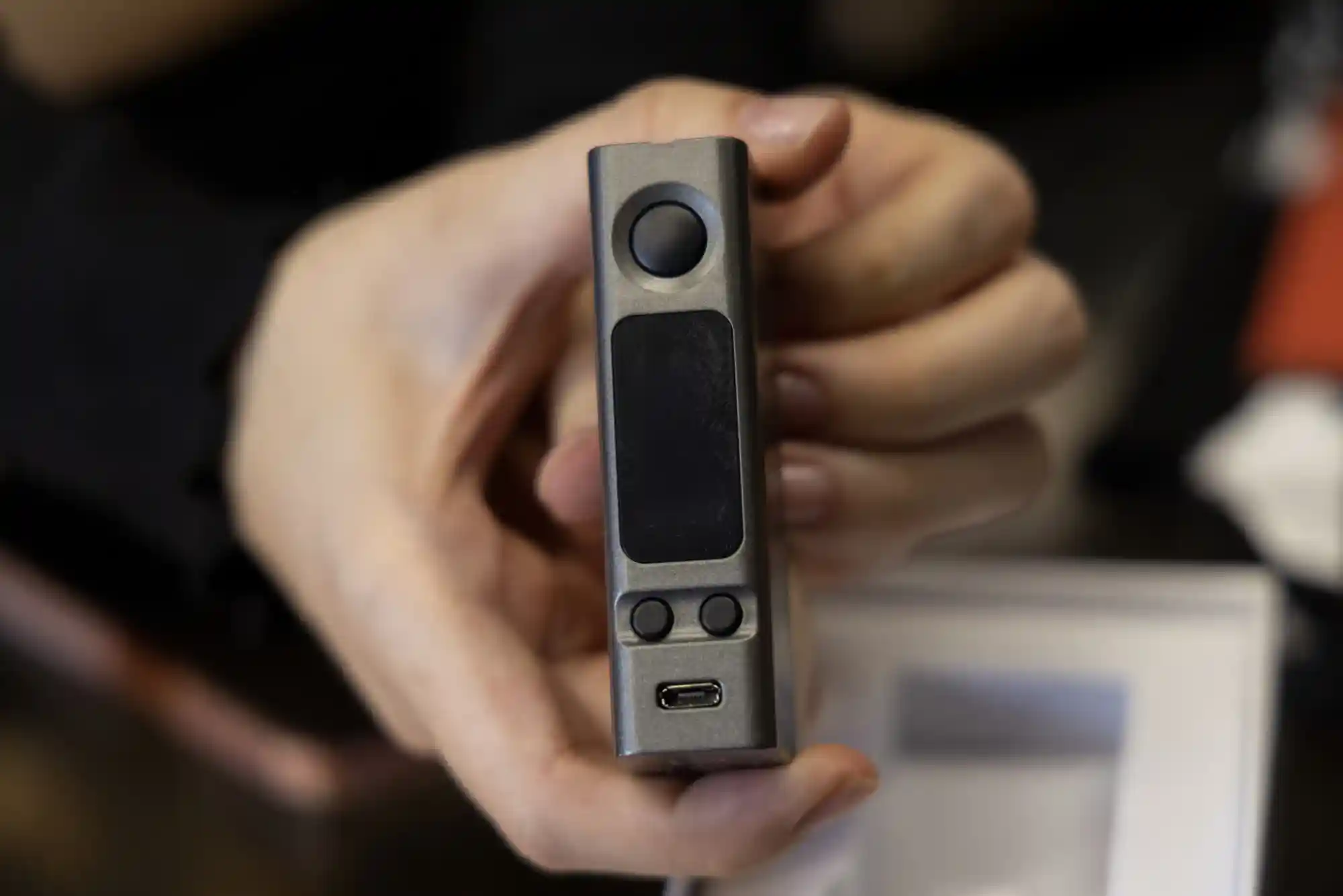
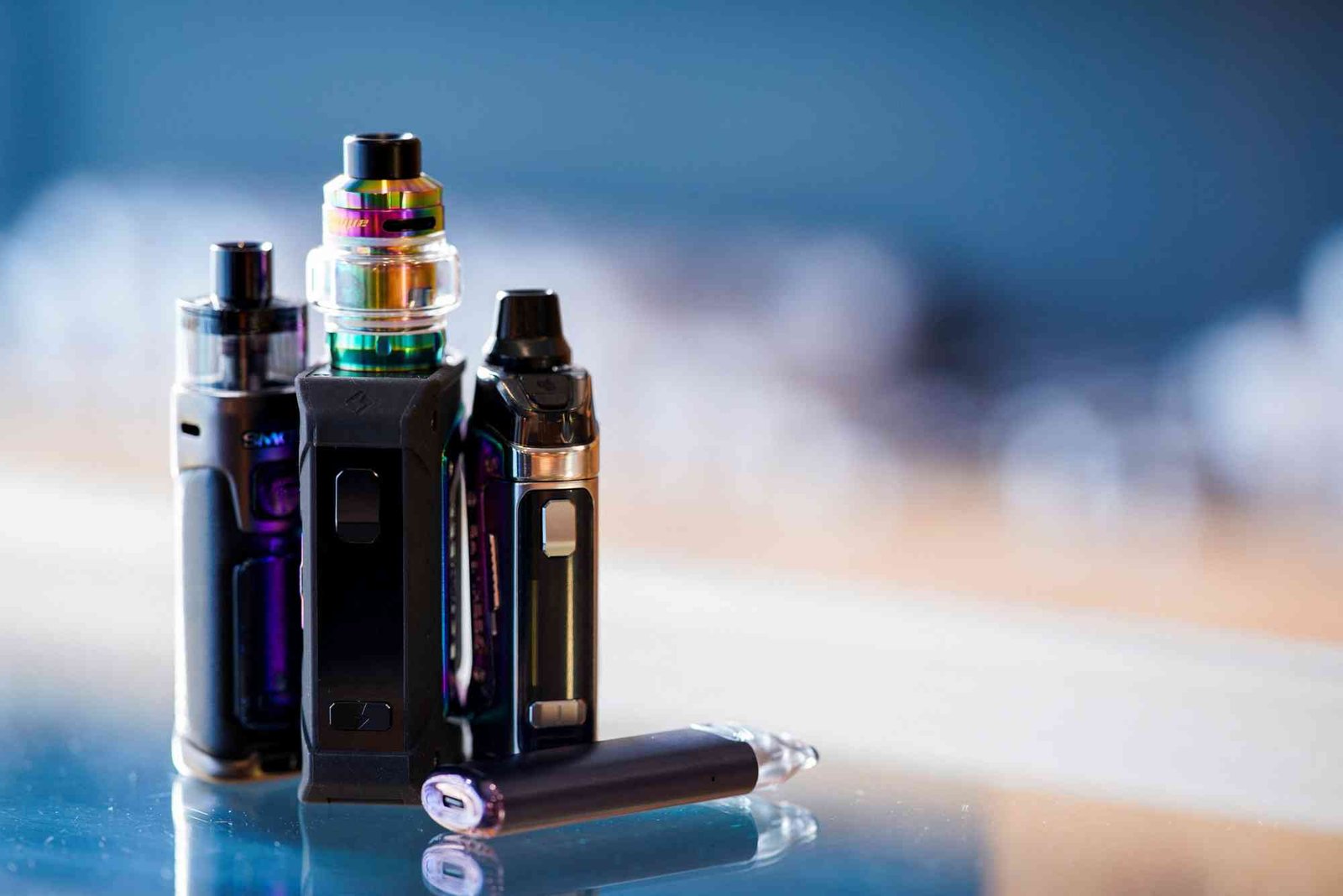
Under the Tobacco (Control of Advertisements and Sale) Act, Singapore prohibits the sale and use of e‑cigarettes and related products. This law was updated to include vaporisers and e‑liquids, regardless of nicotine content. That means:
- E‑cigarettes and vaping devices are treated similarly to cigarettes.
- Any form of electronic nicotine delivery system (ENDS) falls under this restriction.
Simply put, possession of these devices for personal use is not legal.

Importation and Customs Controls
One of the biggest enforcement areas is importation. Singapore Customs actively inspects packages and parcels to prevent e‑cigarette products from entering the country. Even if an item is purchased overseas or online, bringing it into Singapore can lead to seizures and penalties.
To understand this in detail, refer to Singapore HSA — importation and penalties for e-cigarettes which explains how authorities regulate imports and what happens when products are intercepted.
Penalties and Enforcement
Fines for Possession
Being caught with vaping products can lead to significant fines. The law does not differentiate between small personal quantities and larger amounts — possession itself is an offense. These fines are set high to discourage use and distribution.
Importation Penalties
If vaping products are intercepted by customs, penalties can be severe. Importers — including individuals shipping items to themselves — may face:
- Seizure of the items
- Heavy fines
- Possible legal action depending on quantity and intent
Singapore Customs and the Health Sciences Authority (HSA) work together to enforce these rules at entry points.
Penalties for Distribution and Sale
Selling or offering vaping products in Singapore is a more serious offense than simple possession. Anyone found distributing, marketing, or selling e‑cigarettes can be prosecuted under criminal law, facing:
- Higher fines
- Potential court cases
- Additional penalties depending on the scale
These consequences are designed to stop supply chains and reduce overall access.
The Rationale Behind the Laws
Public Health Considerations
One main reason vaping is illegal in Singapore is its uncertainty as a public health tool. Some countries allow vaping as a harm‑reduction method for adult smokers. Singapore’s approach is more cautious. Authorities cite concerns about:
- Youth uptake of nicotine
- Long‑term health effects still being studied
- Promotion of addictive habits
This focus on prevention shapes the strict legal stance.
Protecting Young People
Young adults and teens are among the most targeted by vaping companies globally through flavored products and marketing. Singapore’s ban helps reduce exposure and limits youth appeal to vaping. Authorities recognise that prevention of early addiction is easier and more effective than later cessation.
Common Misconceptions About Vaping in Singapore
“I Can Use a Nicotine‑Free Vape Device”
One common myth is that vaping is only illegal if the liquid contains nicotine. In reality, Singapore’s law does not distinguish based on nicotine content — all e‑cigarettes and vaping devices are covered. Whether the e‑liquid is flavored or nicotine‑free, the device is still prohibited.
“Vaping Is Only Illegal To Sell, Not Use”
Another misconception is that the restrictions only apply to selling vaping products. In truth, possession and use are also violations of the law. This means even carrying a device through immigration, using it in a hotel room, or consuming it in private spaces can lead to consequences.
“I Can Travel With My Vaping Device”
Some travellers assume that carrying a vaping device into Singapore is acceptable if it’s for personal use. Singapore Customs routinely inspects baggage and parcels — and vaping products are subject to seizure. Penalties can apply even if the products were ordered overseas.
Alternatives to Vaping
Because vaping is restricted in Singapore, adults seeking to quit smoking should consider legal alternatives supported by health authorities, such as:
- Nicotine replacement therapy (NRT) such as patches or gum (where appropriate and approved)
- Smoking cessation programs
- Counseling and support groups
Consulting a healthcare professional can provide a tailored plan that aligns with Singapore’s laws and health goals.
What Tourists Should Know
If you’re visiting Singapore, it’s crucial to be aware that local vaping laws apply to everyone, including foreigners. There are no exceptions for tourists — and enforcement at airports and customs checkpoints is comprehensive.
Before travelling, ensure that:
- You do not bring vaping products in carry‑on or checked luggage.
- You declare any suspicious items if unsure.
- You respect local regulations to avoid fines or legal trouble.
Comparison With Other Countries
In contrast to Singapore’s strict stance, some countries take a more permissive view of vaping. For example:
| Country | Vaping Laws |
|---|---|
| United States | Legal, with age restrictions |
| United Kingdom | Legal, regulated as smoking alternative |
| Australia | Nicotine vaping legal with prescription |
| Singapore | Fully prohibited |
This contrast often fuels questions about Singapore’s approach. While other jurisdictions emphasise harm reduction, Singapore prioritises prevention and strict control.
Discover the latest in vaping technology and accessories at TryVape5. Whether you’re a beginner or an experienced vaper, our site offers detailed guides, product reviews, and expert tips to enhance your vaping experience.
FAQs
Is vaping illegal in Singapore?
Yes. Vaping is illegal in Singapore — including possession, use, sale, and importation of e‑cigarettes and related products.
What happens if I bring a vape into Singapore?
If customs intercept your vaping device or e‑liquid, it may be seized and you can be fined. Penalties depend on the circumstances and quantities involved.
Are there any legal vaping products in Singapore?
No. Singapore does not currently allow any form of vaping or e‑cigarette products to be sold or used legally within its borders.
Can tourists vape in Singapore?
No. Tourists are subject to the same laws as residents. Carrying or using a vape can lead to fines or seizures.
Why does Singapore ban vaping?
Singapore’s ban is rooted in public health goals, especially minimizing youth nicotine addiction and addressing uncertainty around long‑term health effects.
Understanding the laws around vaping in Singapore is crucial for anyone living in or visiting the country. The answer to “Is vaping illegal in Singapore?” is a clear yes — and it involves strict enforcement, heavy penalties, and no exceptions for personal or tourist use.
Common Misconception: Maryland vaping laws and the Truth About Vaping – Many believe vaping is fully unrestricted in Maryland, but the truth is stricter laws govern sales, age limits, and public use. Understanding these regulations helps users stay compliant while making informed choices about vaping products safely and responsibly.