Introduction
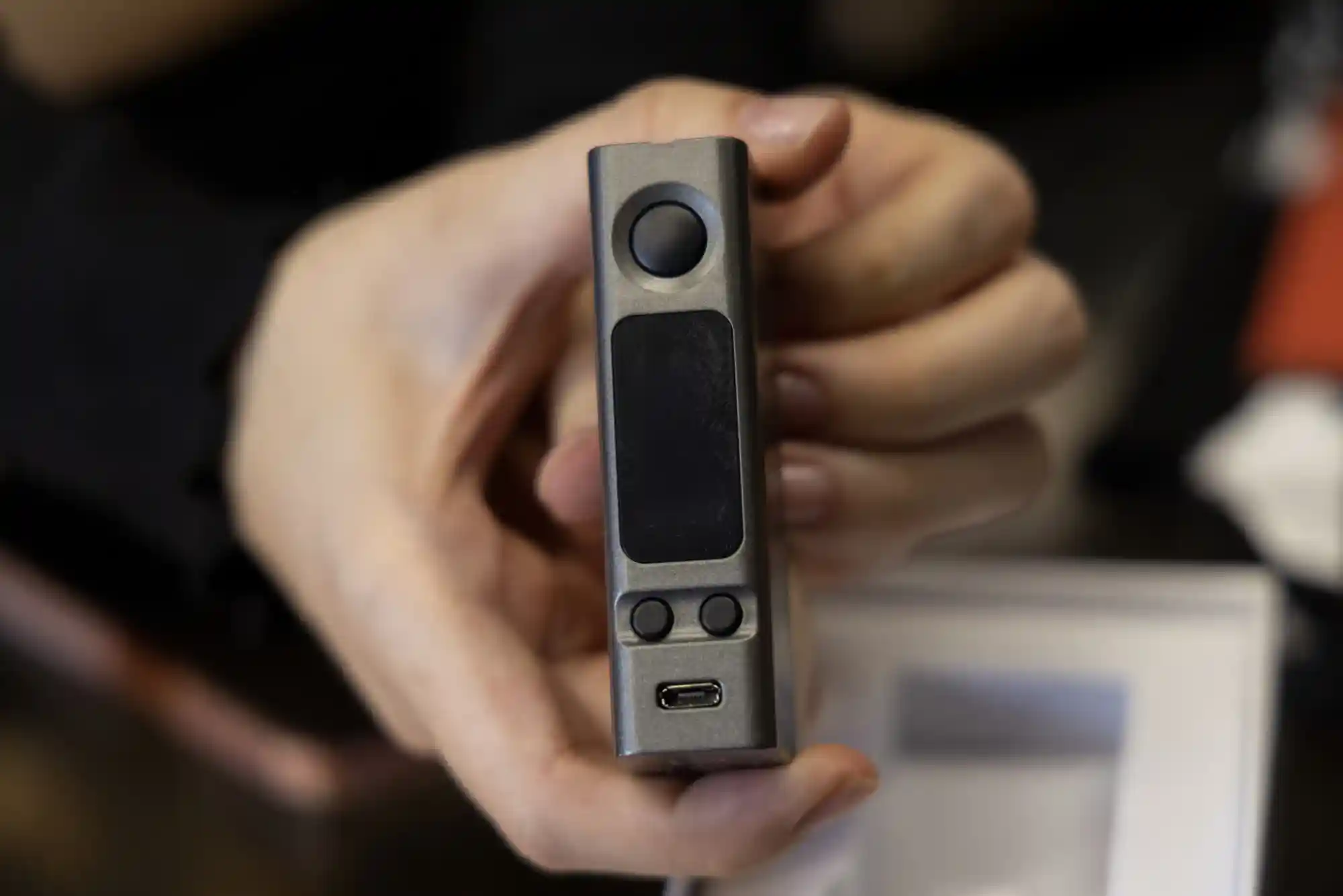
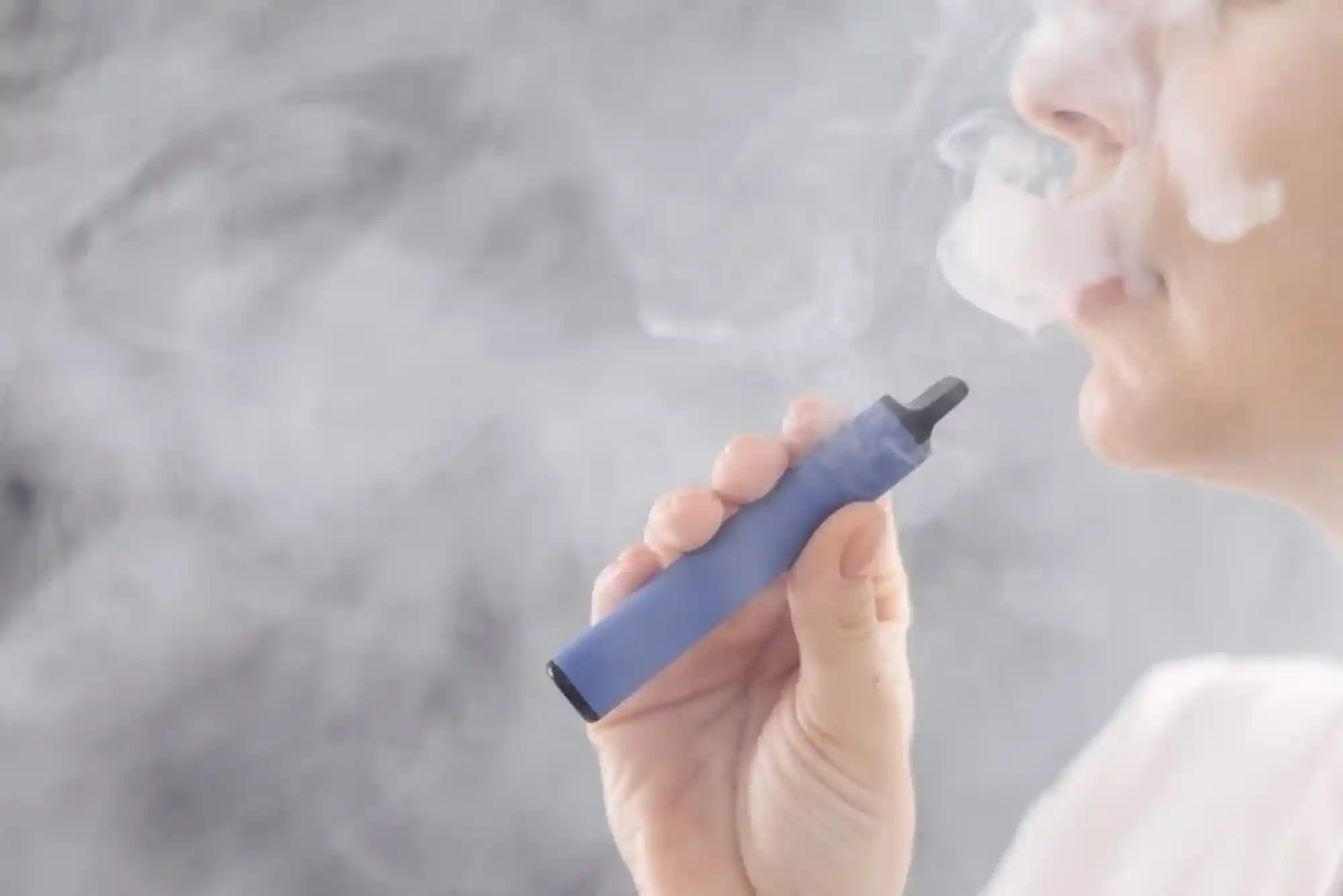
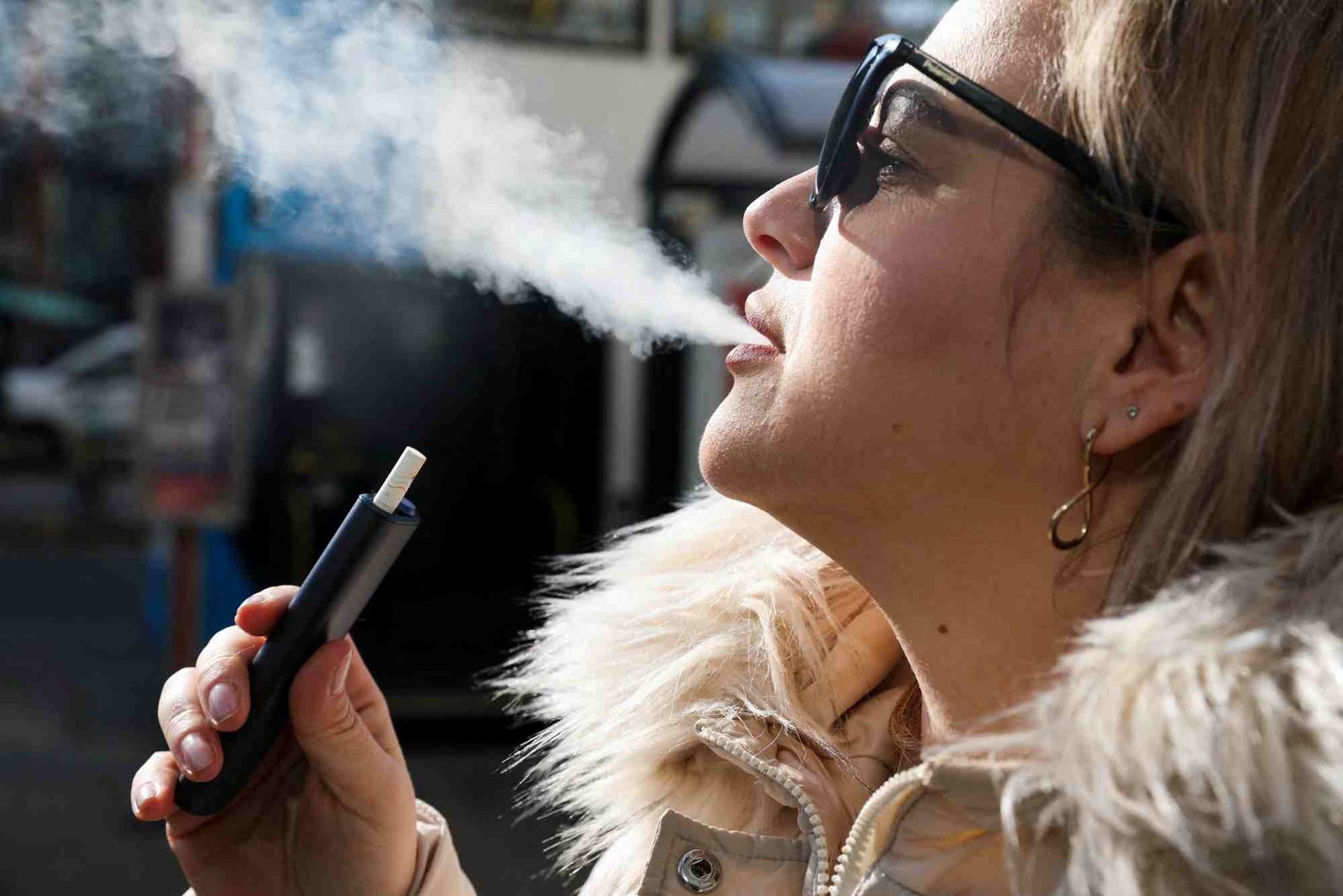
Vaping has become a popular alternative to traditional smoking, but it has also sparked confusion regarding federal regulations. Many people believe that vaping is completely unregulated, while others assume all e-cigarettes are legal and safe. In reality, federal vape laws exist, but they are nuanced and constantly evolving. This article aims to clear misconceptions and provide factual insight into vaping regulations.
Understanding Federal Vape Laws
The Role of the FDA in Vape Regulation
The U.S. Food & Drug Administration — federal tobacco regulation plays a central role in overseeing vaping products. E-cigarettes and vape liquids containing nicotine are considered tobacco products under federal law. The FDA enforces rules regarding manufacturing, marketing, and sales to protect public health.
Pre-Market Authorization
All vaping products introduced after February 15, 2007, require pre-market authorization from the FDA. Manufacturers must submit scientific evidence showing that their products meet safety standards.
Labeling Requirements
Vape products must include health warnings and ingredient disclosures. The FDA ensures that these labels inform consumers about nicotine content and potential health risks.
Common Misconceptions About Federal Vape Laws
Vaping is Completely Unregulated
Many people believe vaping is unregulated because it’s relatively new. However, federal law classifies most nicotine-containing e-cigarettes as tobacco products, subjecting them to strict controls.
All Vape Products are Safe
Even with FDA regulations, vaping is not risk-free. Studies indicate that e-cigarettes can expose users to harmful chemicals and nicotine addiction, especially for youth.

Flavored Vapes are Fully Legal
Flavor bans vary by state, but federal law allows certain flavors under strict conditions. Some flavored vape products require special review before being sold.
State vs. Federal Regulations
State laws may supplement or restrict federal regulations. For instance, some states have raised the minimum age for purchasing vape products to 21, while others have imposed stricter marketing or flavor restrictions.
Examples of State Restrictions
- New York and California have banned certain flavored e-cigarettes.
- Massachusetts requires retail licenses for vape shops.
- Some states enforce stricter packaging and advertising rules.
The Impact on Consumers and Retailers
Federal vape laws directly affect both users and sellers. Consumers must be aware of age restrictions, product labeling, and health warnings, while retailers must comply with sales and marketing regulations.
Consumer Awareness
Understanding federal vape laws helps consumers make informed decisions about vaping, including potential health risks and legal considerations.
Retailer Compliance
Vape shops must follow strict rules regarding product registration, age verification, and reporting to avoid penalties or product seizures.
Health Considerations and Misconceptions
Vaping vs. Smoking
Vaping is often marketed as a safer alternative to traditional smoking. While e-cigarettes generally expose users to fewer toxic chemicals, they are not harmless.
Nicotine Addiction
Most e-liquids contain nicotine, which is highly addictive. Users may inadvertently develop a long-term dependency.
Chemical Exposure
Some e-cigarette aerosols contain heavy metals, volatile organic compounds, and other harmful substances that may affect respiratory and cardiovascular health.
Debunking Myths About Safety
Vaping Helps Everyone Quit Smoking
While some studies suggest e-cigarettes may help adults reduce cigarette use, results are inconsistent. Non-smokers, especially teens, risk starting nicotine addiction by vaping.
Nicotine-Free Vapes are Safe
Even e-liquids labeled nicotine-free can contain harmful chemicals. Users may inhale substances that irritate the lungs or contribute to long-term health problems.
Tips for Safe Vaping Practices
Choosing Regulated Products
Only purchase vaping products that comply with U.S. Food & Drug Administration — federal tobacco regulation. Check for proper labeling, health warnings, and pre-market authorization.
Avoiding Black Market Products
Unregulated or homemade vape liquids may contain unsafe chemicals. Stick to reputable retailers and approved products to reduce health risks.
Staying Informed
Federal and state regulations evolve constantly. Follow official sources like the FDA to stay up to date on rules, safety alerts, and policy changes.
Understanding federal vape laws is crucial to dispelling misconceptions about vaping. While vaping may be less harmful than traditional smoking, it is not risk-free. By adhering to regulations, choosing safe products, and staying informed, consumers can make better decisions regarding their health.
FAQs
Are e-cigarettes regulated by the federal government?
Yes, most e-cigarettes and nicotine-containing vape products are classified as tobacco products and are regulated by the FDA.
Can anyone legally buy vape products?
No, federal law requires purchasers to be at least 21 years old. States may have additional restrictions.
Are flavored vapes legal?
Some flavors are permitted under federal law, but many states have additional bans or restrictions on flavored products.
Do all vape products contain nicotine?
Not all, but many do. Even nicotine-free products can contain harmful chemicals.
Is vaping completely safe?
No, vaping carries health risks, including exposure to chemicals and potential nicotine addiction, especially for youth and non-smokers.
Discover the latest in vaping technology and premium e-liquids at TryVape5. From starter kits to advanced mods, we provide everything you need for a smooth and satisfying experience.