
Introduction
Vaping among teens has become a major topic of discussion in recent years, sparking debates among parents, educators, and health professionals. While many young people perceive vaping as a harmless alternative to smoking, there are significant legal and health considerations that they—and those around them—must understand. Misconceptions about the legality of teen vaping often contribute to risky behaviors and misinformation. In this article, we’ll explore the truth about teen vaping, clarify legal regulations, and examine its health effects.
Understanding Teen Vaping and Its Popularity
Why Teens Try Vaping
Teenagers are often drawn to vaping for multiple reasons. The appealing flavors, discreet devices, and perception that vaping is safer than traditional cigarettes create an environment where experimentation is common. Social influence, peer pressure, and the desire to fit in with friends also play a significant role. Despite this, many teens are unaware of the serious health and legal consequences associated with using e-cigarettes.
Vaping Devices Explained
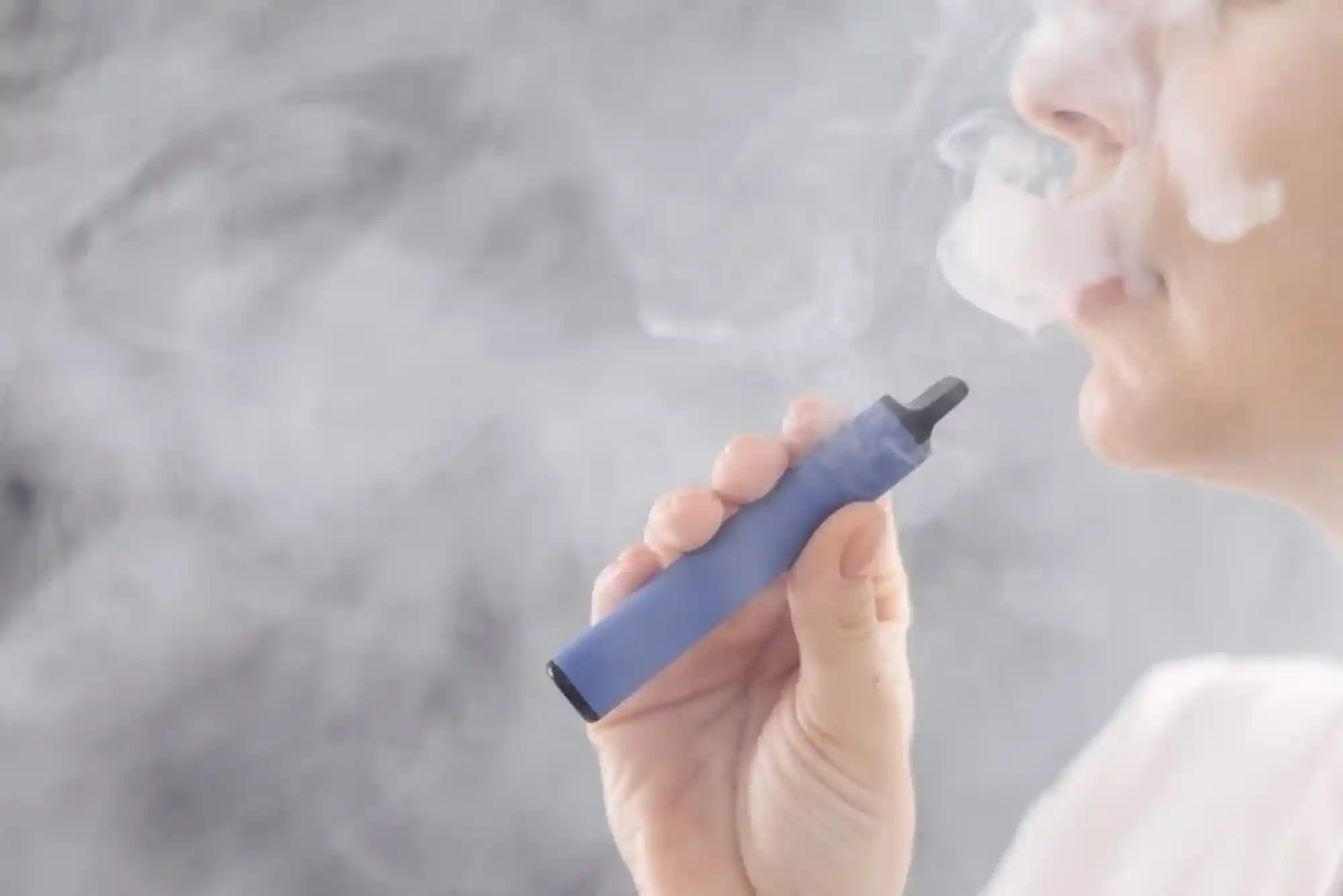
E-cigarettes, vape pens, and mods vary widely in design and nicotine content. Some devices allow users to inhale flavored nicotine or even THC, a psychoactive component found in cannabis. The devices may seem innocuous, but research indicates that nicotine exposure during adolescence can have long-term effects on brain development, attention, and memory.
The Legal Landscape of Teen Vaping
Age Restrictions and Laws
In most countries, the sale of e-cigarettes to minors is strictly prohibited. In the United States, for instance, the legal age to purchase vaping products is 21. This means that selling or providing e-cigarettes to teens under this age is illegal and can result in fines or legal action. However, a common misconception persists among teens who believe that vaping is legal for all age groups, often fueled by a lack of enforcement or misinformation from peers.
Enforcement Challenges
Despite clear laws, enforcement can be inconsistent. Online sales, social media marketing, and informal exchanges among teens make it easier for underage individuals to access vaping products. Retailers may sometimes fail to verify age, while parents and guardians may underestimate the prevalence of vaping among youth. This inconsistency further contributes to the myth that teen vaping is legal or risk-free.
Resources for Legal Guidance
For accurate information on youth vaping laws and prevention resources, the CDC — youth vaping laws & prevention resources offers guidance. These resources explain legal frameworks, provide educational materials, and recommend steps for parents, schools, and communities to reduce underage vaping.

Health Risks and Misconceptions About Vaping
Nicotine Addiction
One of the most serious risks of teen vaping is nicotine addiction. Adolescents are particularly vulnerable because their brains are still developing. Nicotine exposure can lead to changes in brain circuits related to reward, impulse control, and attention. This addiction can make it more likely that teens will experiment with traditional cigarettes or other substances later in life.
Respiratory and Cardiovascular Effects
Contrary to popular belief, vaping is not harmless. Studies have shown that e-cigarette aerosol contains harmful chemicals, including formaldehyde and acrolein, which can irritate the lungs and increase the risk of respiratory illness. Long-term vaping has also been associated with changes in heart rate and blood pressure, although research is ongoing to fully understand these effects.
Misconceptions About Safety
Many teens assume that vaping is a “safe” alternative to smoking because it does not produce tar or smoke. While it may eliminate some risks associated with combustible cigarettes, vaping is far from risk-free. Flavorings, additives, and device heating elements can introduce harmful compounds that have been linked to lung injury and chronic disease.
Social and Psychological Impacts
Peer Pressure and Identity Formation
The social aspect of vaping cannot be ignored. Teens may vape to fit in with friends or emulate influencers who promote vaping as a trendy habit. This social reinforcement can make quitting difficult, especially when combined with nicotine dependence.
Mental Health Considerations
Emerging research suggests a link between vaping and mood disorders such as anxiety and depression. While vaping may provide temporary relief from stress, nicotine can exacerbate mental health issues over time, particularly in adolescents whose emotional regulation is still developing.
How Parents and Educators Can Help
Open Conversations
Encouraging honest dialogue about vaping and its risks is essential. Teens are more likely to make informed choices when they understand the potential health consequences, legal restrictions, and addictive nature of nicotine.
Education and Prevention Programs
Schools can implement evidence-based programs that educate students about vaping, nicotine addiction, and healthy coping strategies. These programs often include peer-led discussions, science-based lessons, and interactive workshops.
Monitoring and Support
Parents should stay informed about vaping trends, monitor device usage discreetly, and provide support for teens who may already be experimenting with e-cigarettes. Seeking guidance from healthcare professionals can also help prevent long-term health consequences.
Teen vaping is surrounded by misconceptions that can lead to serious legal and health consequences. While some teens believe that vaping is harmless or legal, the truth is that e-cigarettes are addictive, potentially harmful, and illegal for minors. Raising awareness, providing accurate information, and fostering supportive environments are crucial steps in helping adolescents make safer choices.
To protect teens and educate communities, explore the CDC — youth vaping laws & prevention resources for guidance, prevention strategies, and educational materials. Taking action today can prevent addiction and ensure healthier futures for young people.
FAQs
Is vaping illegal for teens?
Yes. In most regions, including the United States, it is illegal for anyone under the age of 21 to purchase or use e-cigarettes.
Can teens face legal consequences for vaping?
Yes. Selling or providing e-cigarettes to minors can result in fines or criminal charges. Teens caught using e-cigarettes in restricted areas may also face school or legal repercussions.
Is vaping safer than smoking cigarettes?
Vaping may reduce exposure to some harmful compounds in cigarettes, but it is not risk-free. Nicotine addiction and exposure to toxic chemicals make it dangerous, especially for teens.
What are the health risks of teen vaping?
Teen vaping can lead to nicotine addiction, lung and cardiovascular problems, and potential mental health issues such as anxiety or depression.
How can parents prevent teen vaping?
Open communication, education, and monitoring are key. Providing support and guidance, as well as access to resources like the CDC’s youth vaping information, can help prevent experimentation and addiction.
Are flavored e-cigarettes more dangerous?
Flavored e-cigarettes can appeal to teens and may contain chemicals that increase the risk of lung irritation and long-term health effects. Limiting access to these products is part of prevention strategies.
Where can I find accurate information about vaping laws and prevention?
Reliable information can be found at the CDC — youth vaping laws & prevention resources, which offers guidance on legal regulations, health risks, and educational programs.