Introduction
New York City has long been at the forefront of public health initiatives, aiming to reduce tobacco use and protect citizens from the harms of smoking. With the rise of vaping, city lawmakers introduced specific regulations to control e-cigarette sales and usage. But the critical question remains: can New York City vape laws truly help smokers quit? Understanding these laws, their impact on public health, and the available cessation tools is essential for anyone considering vaping as a quitting aid.
The Landscape of NYC Vape Laws
New York City’s approach to vaping is guided by public health priorities. The laws focus on reducing youth access, regulating retailers, and ensuring the safe use of e-cigarettes.
Restrictions on Sales and Retailers
E-cigarette sales in NYC are tightly regulated. Retailers must adhere to strict age verification rules, display warnings, and avoid marketing that targets minors. This reduces the likelihood of young individuals experimenting with nicotine products. Adult smokers seeking alternatives are encouraged to use licensed channels only. For detailed guidelines, check NYC Health — local e-cigarette restrictions & retailer rules.
Flavor and Packaging Regulations
Certain flavors, particularly those appealing to teenagers like candy or fruit, are restricted. Packaging must carry health warnings about nicotine addiction and potential risks. These measures are designed to prevent accidental overuse and increase public awareness of vaping risks.
Public Use and Indoor Restrictions
Vaping is banned in most indoor public spaces, including restaurants, bars, and workplaces. By restricting visibility and exposure, NYC aims to denormalize nicotine use and discourage social smoking triggers. Smokers attempting to quit may benefit from these restrictions, as they limit the social cues associated with tobacco use.
How NYC Vape Laws Influence Smoking Cessation
Vaping is often considered a harm reduction tool, providing smokers with nicotine in a less harmful form. NYC vape laws influence quitting in several ways.

Promoting Safer Alternatives
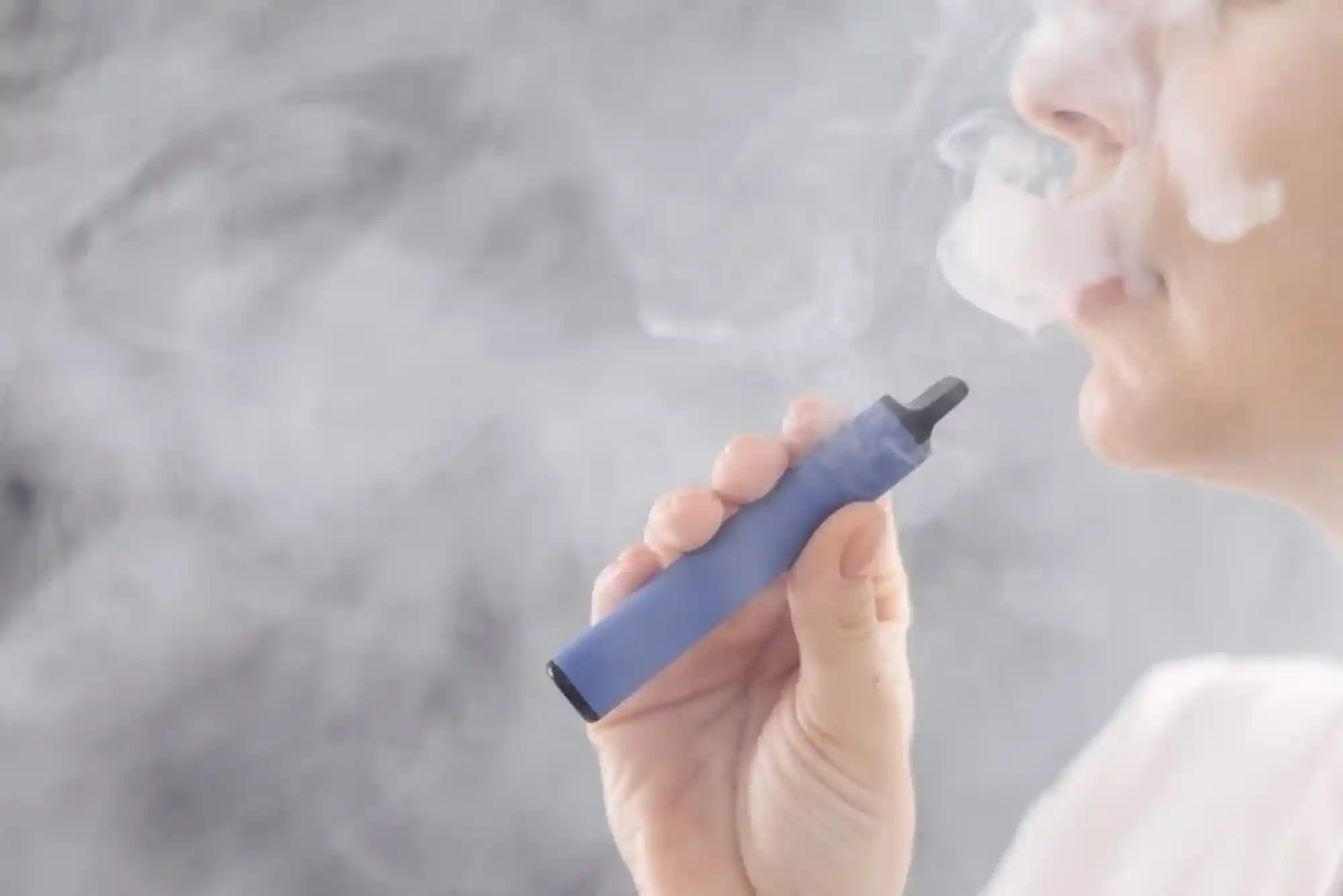
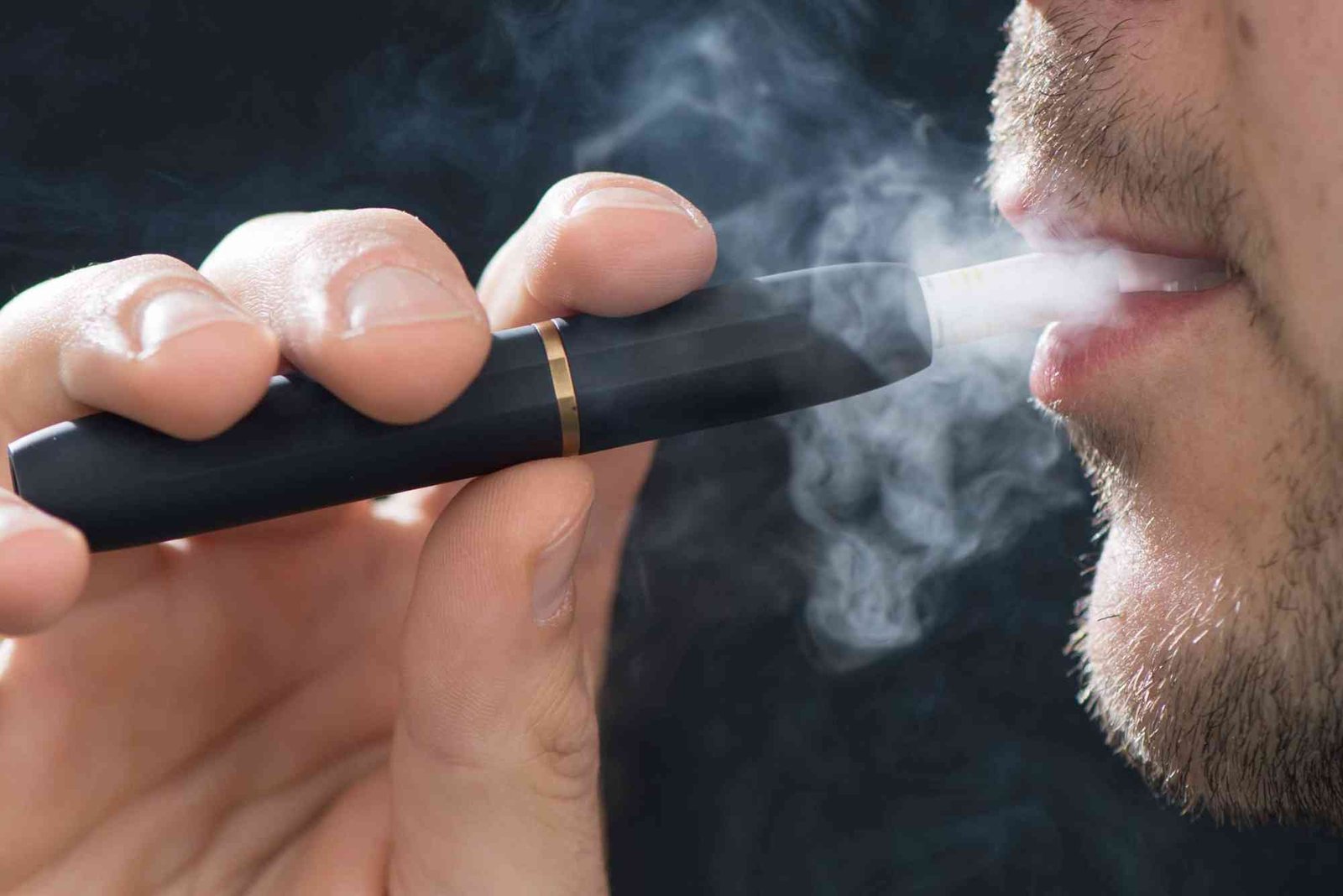
E-cigarettes deliver nicotine without burning tobacco, which reduces exposure to tar and harmful chemicals. By regulating these products, NYC ensures smokers have access to safer alternatives while minimizing youth uptake.
Encouraging Informed Decisions
Mandatory labeling and public education campaigns under NYC regulations equip smokers with knowledge about risks, addiction, and safe usage. Informed users are more likely to follow cessation plans and avoid relapse.
Limiting Impulse Purchases
Strict retail rules reduce impulse buying, which can help smokers maintain commitment to quitting. When vaping products are harder to obtain casually, individuals are more likely to use them as part of a structured cessation effort rather than as recreational nicotine.
Supporting Evidence-Based Approaches
New York City supports cessation programs such as counseling, quitlines, and nicotine replacement therapy. Vaping can complement these programs, offering smokers a step-down approach from traditional cigarettes. The combination of laws and structured support enhances quitting success rates.
Potential Challenges and Criticisms
While NYC vape laws aim to help smokers quit, there are limitations and criticisms.
Confusion About Effectiveness
Not all smokers find vaping helpful. Some may dual-use, continuing to smoke cigarettes while vaping, which undermines health benefits. Laws can guide responsible use but cannot guarantee cessation.
Access and Affordability
Strict regulations sometimes increase costs or reduce product availability. While this prevents youth use, it may discourage adult smokers from trying regulated vaping products as a quitting aid.
Risk Perception
Public perception of vaping varies. Overemphasis on risks without context may deter smokers from switching to less harmful alternatives, potentially limiting the positive impact of NYC laws on quitting rates.
Real-World Impact on Smokers
Studies indicate that smokers who switch to regulated e-cigarettes have a higher likelihood of reducing or quitting cigarette use compared to those who attempt to quit cold turkey. NYC’s regulatory framework aims to maximize these benefits while minimizing risks. Public health campaigns, combined with regulated access, create an environment that encourages cessation without normalizing nicotine use among youth.
New York City vape laws are carefully designed to balance public health priorities, protecting youth while offering smokers safer alternatives. When used responsibly and combined with cessation support programs, vaping can be an effective tool to help smokers quit.
FAQs
Do NYC vape laws make it harder for smokers to quit?
Not necessarily. While regulations limit access, they ensure safer, informed usage, which supports structured quitting efforts.
Are flavored e-cigarettes completely banned in NYC?
Certain flavors appealing to youth are restricted, but adult smokers can still access regulated options that help with cessation.
Can vaping replace traditional smoking entirely?
For many smokers, vaping can be a step-down alternative, reducing exposure to harmful chemicals while providing nicotine.
Where can I find official NYC vape rules?
Visit NYC Health — local e-cigarette restrictions & retailer rules for comprehensive guidelines.
Is vaping safer than smoking?
While not risk-free, vaping generally exposes users to fewer harmful chemicals compared to combustible cigarettes.
Does NYC offer support for quitting smoking?
Yes, the city provides counseling, quitlines, and cessation programs alongside regulated access to e-cigarettes.