Introduction
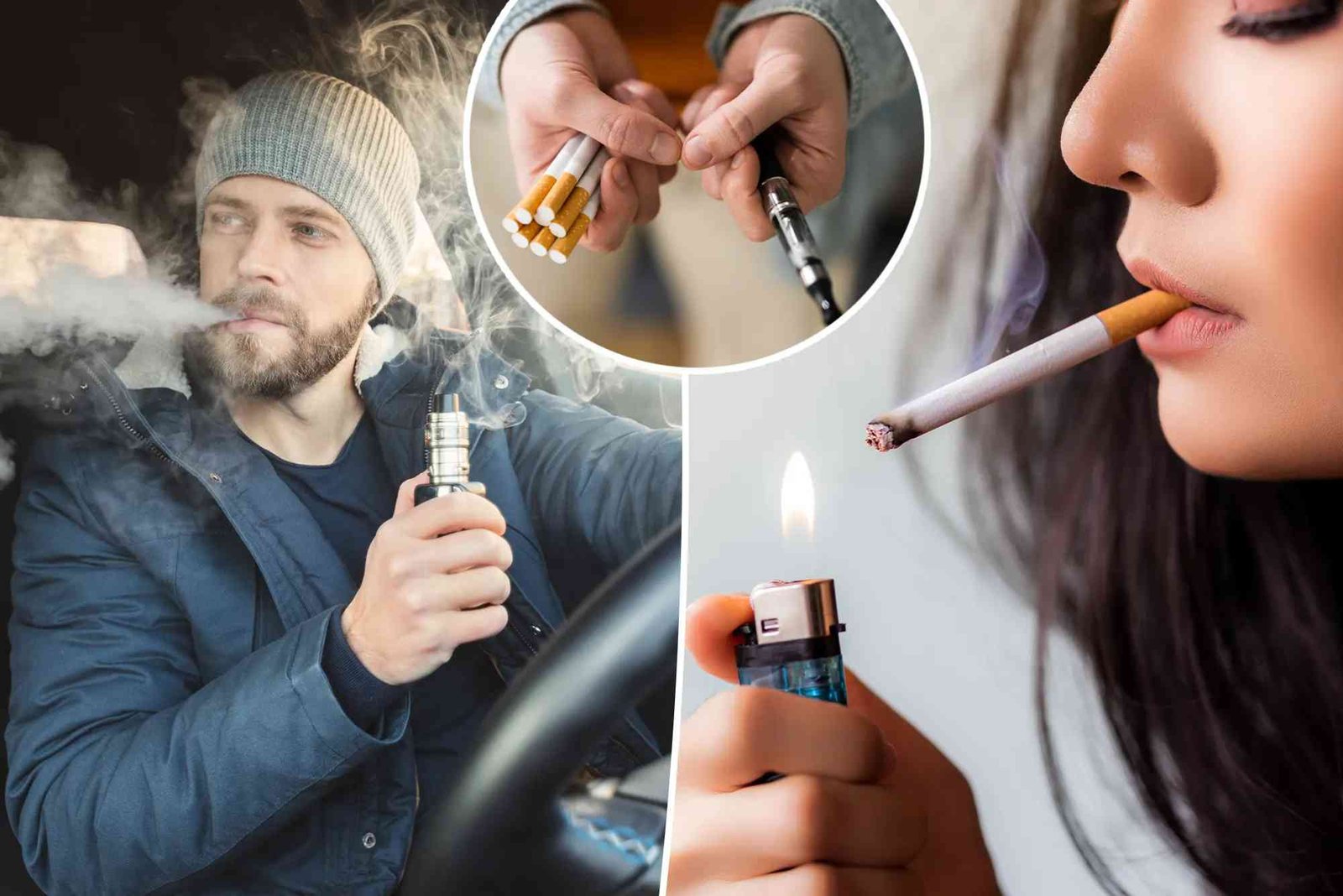
Understanding whether vaping can help smokers quit is important, but the question becomes more complex when minors are involved. Many parents, educators, and health professionals now ask a difficult question: is it illegal for a 13 year old to vape, and could vaping even serve as a harm-reduction tool for young people who already smoke? This topic deserves clarity, because misinformation spreads quickly and often influences kids long before adults can intervene.
This article explores the laws surrounding youth vaping, the health implications for young teens, the limits of vaping as a quit-smoking method, and the broader public health context. While some adult smokers use regulated vaping products to transition away from combustible tobacco, the same logic does not apply to adolescents. By the end, you will understand the legal landscape, the science behind nicotine use in adolescence, and why global health organizations stress strict youth protection. You will also find guidance for families seeking safe, evidence-based ways to help teens struggling with nicotine addiction.

Understanding the Central Question
Before examining the science, ethics, and public health guidance, the legal aspect must be addressed clearly. In almost every country, it is illegal for a 13 year old to vape, purchase vaping products, or possess nicotine e-liquids. Laws vary slightly by region, but the minimum age almost always aligns with broader tobacco regulations. These laws exist because early nicotine exposure can alter brain development, increase long-term dependency, and heighten the risk of transitioning to traditional tobacco use.
Because adolescents are especially vulnerable to addiction, public health leaders emphasize strict enforcement of youth vaping restrictions. This foundation makes one thing very clear: even if vaping may help some adult smokers quit, it cannot be framed as an appropriate or legal option for young teens.
The Legal Context of Youth Vaping
Even in countries where vaping is legally sold to adults, regulations are designed to prevent youth access. The central principle is that products containing nicotine must not be marketed, sold, or supplied to minors. When evaluating whether is it illegal for a 13 year old to vape, you will find near-universal agreement among lawmakers that underage vaping is prohibited. Enforcement varies, but the intention is consistent.
These regulations reflect broader global policies pushed by major health organizations. The work done by UNICEF/WHO — youth protection & tobacco policy highlights the dangers of early tobacco and nicotine exposure and emphasizes the need for strict age barriers to protect young people from harm: https://www.who.int/news-room/fact-sheets/detail/tobacco
The legal message is clear. Not only is it illegal for a 13 year old to vape, but any retailer or adult supplying a vaping device to a minor may face fines or criminal penalties. Schools reinforce this with zero-tolerance rules, and many communities now run awareness programs to counter the fast-growing youth vaping trend.
Why Young Teens Turn to Vaping
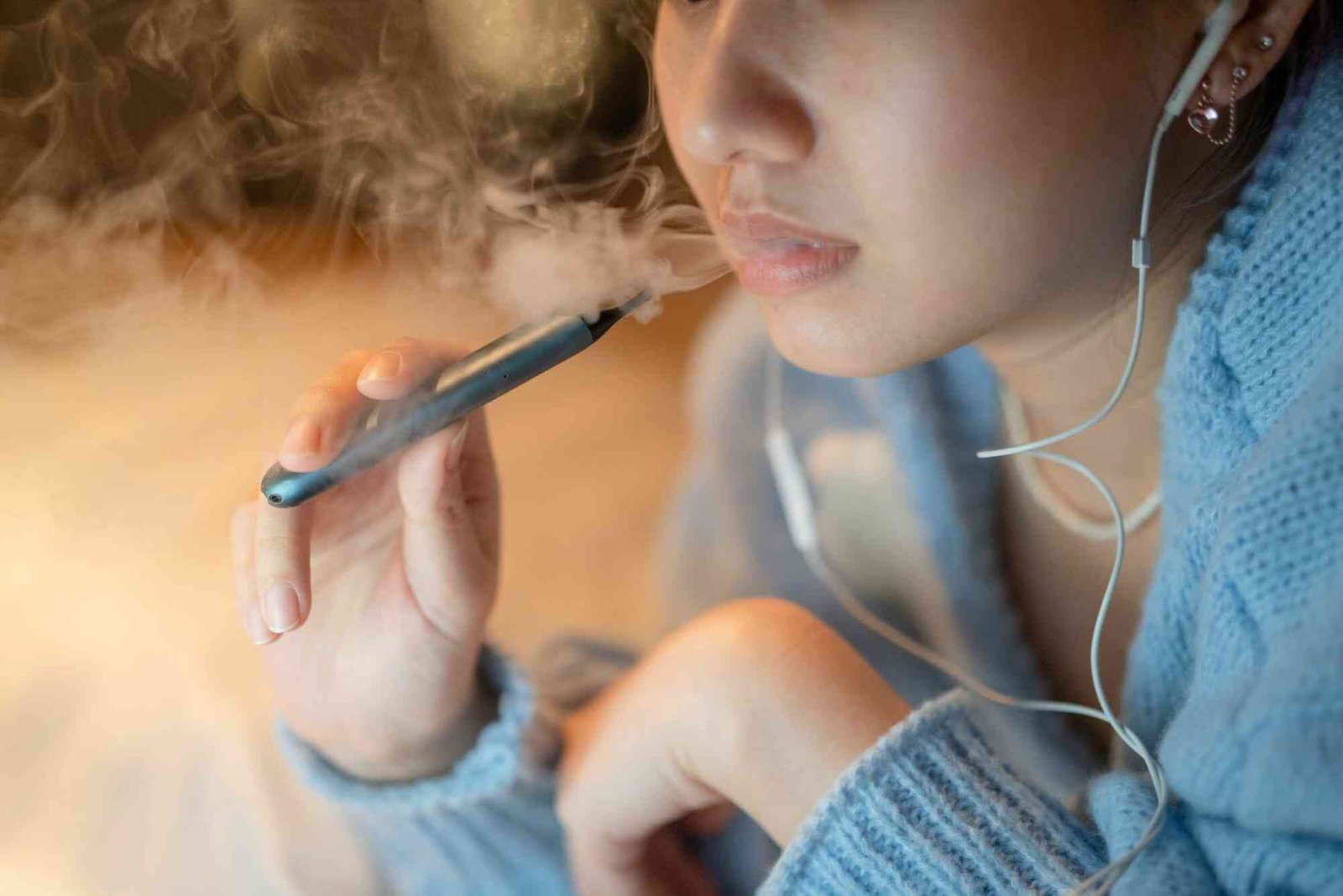
Even with laws and policies in place, many 13-year-olds experiment with vaping for reasons that feel overwhelmingly social. Curiosity, peer pressure, flavored products, and the belief that vaping is “safer” than smoking all contribute to early use. Teens may also be drawn to vaping because it is easier to conceal than cigarettes. The devices have no strong odor, and the marketing on social media often portrays them as harmless.
However, the assumption that vaping is safe for teens is a misunderstanding. The adolescent brain is still forming neural pathways. Nicotine creates changes in attention, learning circuits, and reward systems. The younger a person is when they begin using nicotine, the higher the likelihood of long-term addiction. This makes the idea of using vaping as a cessation tool for a 13-year-old both medically unsound and legally prohibited.
Can Vaping Help Adult Smokers Quit?
To understand why vaping cannot help teens quit smoking, it helps to examine why some adults use vaping for smoking cessation. Research shows that regulated vaping products may help adult smokers reduce or eliminate combustible cigarettes when used under appropriate guidance. These products deliver nicotine without tar or carbon monoxide, which reduces exposure to the most harmful byproducts of tobacco smoking.
However, the effectiveness of vaping as a quitting tool varies widely. Some adults fully transition away from cigarettes, but others end up dual-using or increasing their nicotine intake. Public health organizations still debate how to balance harm reduction for adults with strong protections for youth.
The key distinction is that adult smokers already have long-term nicotine dependence and face immediate health risks from cigarettes. For them, switching to a safer alternative may provide measurable health benefits. A 13-year-old, however, does not fall into this category. Introducing nicotine at this age actively creates new harm rather than reducing existing harm.
Why Vaping Cannot Help a 13-Year-Old Quit Smoking
Some people ask whether a 13-year-old who already smokes cigarettes could use vaping as a lesser evil. While this question reflects concern, the answer is firmly grounded in medical and ethical guidance. A child should not receive nicotine from any source unless overseen by a qualified medical professional. The adolescent brain remains vulnerable to even small amounts of nicotine, and switching to vaping does not reverse addiction or reduce developmental risks.
Furthermore, the legal barrier stands unchanged: it is illegal for a 13 year old to vape, regardless of intent. No harm-reduction model for adults translates into a safe or responsible approach for minors. The priority must always be to remove nicotine entirely from a young person’s life, not to substitute one method of delivery for another.
Evidence-Based Ways to Support a Teen Smoker
When a 13-year-old is already smoking, the situation can feel frightening for parents. The solution does not involve illegal products but rather clear communication, early intervention, and professional support. Medical providers can assess dependency, discuss withdrawal expectations, and provide safe strategies to manage cravings. Behavior-based cessation programs designed specifically for young people focus on motivation, habit replacement, stress management, and long-term prevention.
Schools and community clinics often offer confidential counseling, and many families benefit from involving both mental-health and adolescent-health specialists. Since nicotine addiction is a complex mix of biology and psychology, professional guidance ensures a teen receives the support needed to quit safely without introducing new substances.
The Role of Public Health Policy
Youth-focused tobacco policy continues to evolve. Organizations like WHO and UNICEF push for stricter controls on packaging, marketing, and flavor availability because these features often appeal directly to teenagers. Their research shows that limiting access reduces both experimentation and long-term addiction rates. These global policies make it clear that preventing early exposure is the most powerful tool we have.
In this context, the question is it illegal for a 13 year old to vape becomes part of a larger public health protection strategy. When society supports clear laws, responsible retailers, and well-funded prevention programs, fewer young people begin nicotine use in the first place.
Health Risks Every Parent Should Understand
Vaping exposes teens to more than nicotine. Even nicotine-free e-liquids can contain chemicals that irritate the lungs or affect long-term respiratory health. The ingredients used to create certain flavors are not meant for inhalation, and studies show that repeated exposure can cause inflammation or reduced lung function. The risks are magnified in a developing body. Because teens may inhale more deeply or more often than adults, the potential for harm increases.
Cognitive effects matter as well. Nicotine alters attention span, increases impulsivity, and influences emotional regulation. These changes can affect school performance and long-term mental health. Once addiction takes hold, quitting becomes far harder, especially without structured support.
How Media and Marketing Influence Perception
Even though it is illegal for a 13 year old to vape, social media still exposes teens to vaping culture. Influencers, viral videos, and product aesthetics make these devices appear harmless. Despite advertising restrictions, young users often discover product promotions through indirect channels. The combination of curiosity and perceived safety encourages experimentation. Parents and educators must stay aware of these influences to counter them with accurate, evidence-based information.
What Parents and Guardians Can Do Today
Parents have more influence than they sometimes realize. Open communication can reduce shame and increase honesty when a teen is Can Is It Illegal for a 13 Year Old to Vape Truly Help Smokers Quit? experimenting with nicotine. When conversations are calm and factual, teens feel safer disclosing struggles with peer pressure or cravings. Early detection helps families intervene before nicotine addiction becomes entrenched.
Professionals in adolescent medicine also urge parents to create supportive environments. Reducing stress at home, offering structured routines, and encouraging healthy coping skills all reduce the need for escape behaviors like vaping. When families work together with healthcare providers, long-term outcomes improve significantly.
Protecting Youth and Promoting Healthy Futures
Vaping may help some adult smokers transition away from cigarettes, but the same principle does not—and cannot—apply to children. It remains illegal for a 13 year old to vape, not only because of the law itself but because of the profound health risks associated with early nicotine exposure. A young teen’s best path is complete nicotine cessation supported by medical guidance, family communication, and evidence-based programs designed specifically for adolescents.
If you are a parent, educator, or guardian facing this issue, now is the time to take action. Seek help from adolescent-health professionals, start open conversations at home, and rely on credible public health resources. Protecting a young person today creates lifelong benefits.
FAQ
Is it illegal for a 13-year-old to vape?
Yes. Nearly all regions prohibit the sale or possession of nicotine-containing products by minors. These laws protect young people from early addiction and long-term health risks.
Can a 13-year-old use vaping to quit smoking?
No. Vaping is not a safe or legal cessation method for minors. Young people should receive professional support aimed at full nicotine cessation.
Why do teens think vaping is safer than smoking?
Many teens absorb misinformation from friends, social media, and advertising. While vaping may reduce certain risks for adult smokers, it still poses serious dangers for adolescents.
What should parents do if they discover their teen is vaping?
Parents should stay calm, communicate openly, and contact a healthcare provider. Early professional intervention helps address both nicotine dependence and underlying stressors.
Do nicotine-free vapes remove the health risks?
No. Even without nicotine, many vaping products contain aerosolized chemicals that may irritate the lungs or affect long-term respiratory health.