
Introduction
Understanding the relationship between smoking, vaping, and road safety is essential for every professional driver. In recent years, more HGV drivers have asked whether getting fined for vaping in HGV vehicles can genuinely help smokers quit or whether it simply adds pressure to an already demanding job. With stricter safety policies and increased roadside checks, the topic is gaining real attention across the UK transport community.
Why Drivers Get Fined for Vaping in HGV Vehicles
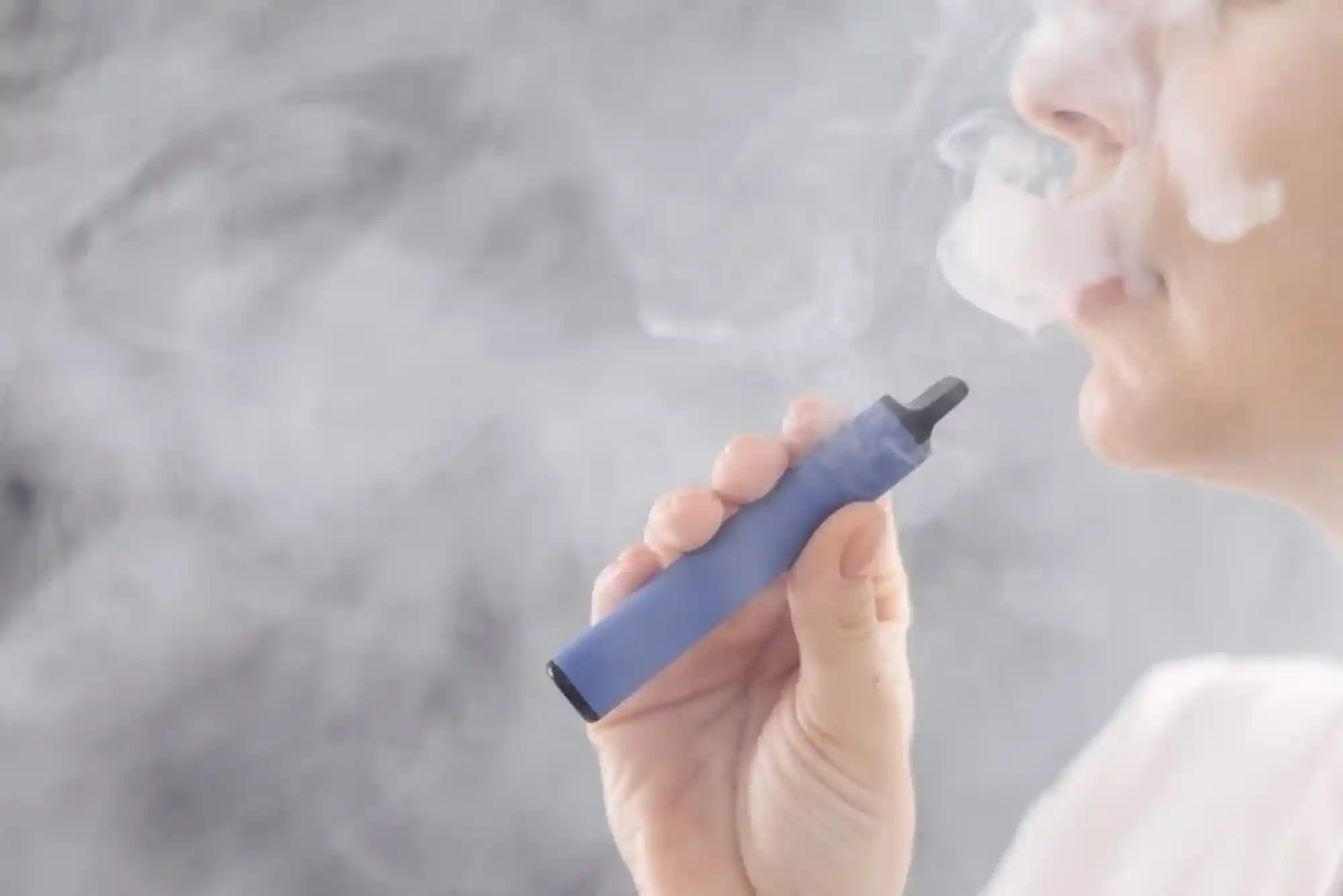
Regulations covering professional driving aim to protect road users and ensure that commercial drivers remain fully alert. Vaping while driving may appear harmless, but the rules exist for several reasons. One of the most cited concerns is reduced visibility. Large vapour clouds can briefly obscure the driver’s view, increasing collision risk. At the same time, reaching for a vape or adjusting settings counts as a form of manual distraction.
Another important factor is the increased scrutiny from safety agencies. UK standards around commercial driving are tightening every year, and officers now pay more attention to driver behaviour. Official guidance from the UK Driver & Vehicle Standards / enforcement guidance highlights how distraction of any kind may lead to enforcement action. This includes vaping when it interferes with safe vehicle control.
With these rules in place, drivers can be stopped and fined if vaping leads to careless driving. Although the intention is safety, many drivers question whether these penalties can motivate smokers to quit.
Can a Fine Actually Help a Smoker Quit?
The question is complex. Behaviour change science shows that external pressure can influence habits, but results vary. Some HGV drivers say that being fined for vaping in HGV vehicles was the wake-up call they needed. Others report that fines only caused stress without helping them quit. To understand why, it helps to explore what drives addiction.
Nicotine dependence is not simply a habit. It involves physical withdrawal, emotional triggers, and environmental routines. Professional drivers face unique stressors, including long hours, tight deadlines, and isolation. Vaping often becomes a coping tool. A penalty may interrupt behaviour, but it rarely addresses the deeper reasons behind nicotine use.

However, fines sometimes act as a catalyst. They can push drivers to reflect on their routines and consider safer alternatives. In this sense, enforcement does not directly help someone quit but encourages them to explore better methods. Many drivers only make the switch to structured quitting programs after facing consequences.
How Fines Influence Driver Behaviour
When a driver receives a penalty, the immediate reaction often includes stress and frustration. But over time, some drivers recognise that the fine highlights a safety risk. As a result, they may:
Reconsider how often they vape behind the wheel
Seek support for reducing nicotine intake
Switch to safer driving habits
Explore smoke-free or vape-free alternatives during shifts
Still, not all drivers respond this way. Some feel unfairly targeted, especially if they view vaping as less dangerous than smoking. This emotional response can make quitting harder, not easier. Fear-based triggers may create short-term compliance but often fail to create long-term change. Drivers who want to quit usually succeed when they combine motivation with practical support.
Is Vaping Really a Distraction for HGV Drivers?
Research confirms that both vaping and smoking can affect attention. The distraction may be brief, but in an HGV, even a second of inattention can matter. Thick vapour clouds can temporarily block mirrors or reduce windscreen clarity. The hand movement needed to hold the device can also interfere with steering stability.
While vaping is often marketed as safer than smoking, “safer” does not mean safe while driving. Many drivers underestimate how often they take their hands off the wheel or shift their focus away from the road when puffing. These small actions accumulate and increase fatigue and reaction delays. Understanding these risks helps drivers make informed decisions rather than relying solely on enforcement threats.
Do Fines Encourage Healthier Habits?
Whether fines for vaping in HGV vehicles lead to healthier habits depends on the driver’s mindset. If the driver already wants to cut back or quit, a fine may act as a push. If not, the penalty may be seen as nothing more than an inconvenience.
Successful quitting often depends on internal motivation. Common reasons drivers cite include improving endurance, reducing coughing, protecting long-term health, and feeling more alert on long shifts. Fines cannot create these goals but can reinforce them once they exist. In this sense, enforcement works as a supporting element rather than a primary quitting tool.
What Strategies Actually Help HGV Drivers Quit?
While fines highlight risky behaviour, drivers benefit more from practical strategies. Many drivers share similar obstacles, such as stress, boredom, and routine cravings. The methods below tend to work far better than fear-based motivation:
Choosing nicotine replacement products with controlled doses
Planning vape-free routes and rest stops
Using mobile support apps with reminders
Drinking more water to reduce cravings
Reorganising cab storage to remove triggers
Seeking professional support through GP or pharmacy programs
Drivers who combine multiple strategies often find the quitting process smoother and more sustainable. Vaping is often tied to routine, so breaking the routine is just as important as reducing nicotine.
Can Switching Back to Smoking Ever Happen Due to Fines?
Some drivers worry that fines for vaping in HGV vehicles could push them back to smoking if they believe vaping behind the wheel is riskier. Fortunately, most drivers who switch to smoking again do so because of stress rather than penalties. However, the risk exists if a driver feels vaping is too inconvenient during work hours.
This is why proper support matters. Drivers who learn how to plan vape-free journeys, use alternative coping mechanisms, and manage withdrawal are far less likely to relapse. If a driver quits vaping only due to fear of fines, withdrawal can push them toward cigarettes unless they adopt healthier routines.
How Employers Can Support Drivers
Transport companies play an important role. Supportive policies can reduce the chances of fines and help employees transition away from nicotine. Some effective approaches include:
Clear guidance on in-cab vaping rules
Designated vape areas at depots
Access to cessation programs
Flexible break schedules during the early quitting phase
Encouraging open discussion about challenges drivers face
Drivers who feel supported report fewer incidents and experience less stress behind the wheel. Employers also benefit from better safety records and fewer compliance issues.
Why Some Drivers Choose to Quit After a Fine
Many drivers who quit after being fined for vaping in HGV vehicles describe a shift in mindset. They realise the fine is not just about rules but about safety. This reframing often leads to long-term change. When drivers connect quitting with professionalism and road responsibility rather than punishment, results improve.
The fine becomes a turning point, but the real motivation comes from valuing safety and well-being. Drivers who make this connection often report lower stress, better focus, and improved driving performance.
Should Drivers Rely on Fines to Quit?
Being fined for vaping in HGV vehicles may push some drivers to think differently about their habits, but it is not a reliable quitting tool on its own. Real change Can Fined for Vaping in HGV Truly Help comes from understanding the risks, valuing safety, and using practical support methods. Fines highlight the dangers, but long-term success relies on motivation, planning, and guidance.
If you want to reduce vaping or quit entirely, now is a great time to take control. Explore local cessation support or use structured quitting tools to build healthier habits that benefit both your driving performance and overall well-being.
FAQs
Can you get fined for vaping while driving an HGV?
Yes. If vaping causes distraction or affects visibility, you can be fined for careless driving. Officers enforce these rules to ensure road safety.
Is vaping in a vehicle illegal by itself?
Vaping is not illegal, but using it in a way that affects vehicle control can lead to penalties. Safety agencies encourage drivers to avoid vaping while the vehicle is moving.
Does vaping impair driving?
Yes. Vapour clouds, hand movements, and momentary visual distraction can impair reaction times, especially in heavy goods vehicles.
Can a fine help someone quit smoking or vaping?
A fine can motivate a driver to reconsider habits, but quitting usually succeeds with personal motivation and structured support.
Is smoking treated the same as vaping in UK driving laws?
Both can lead to penalties if they affect driving, but vaping receives extra attention due to visibility concerns.