Introduction
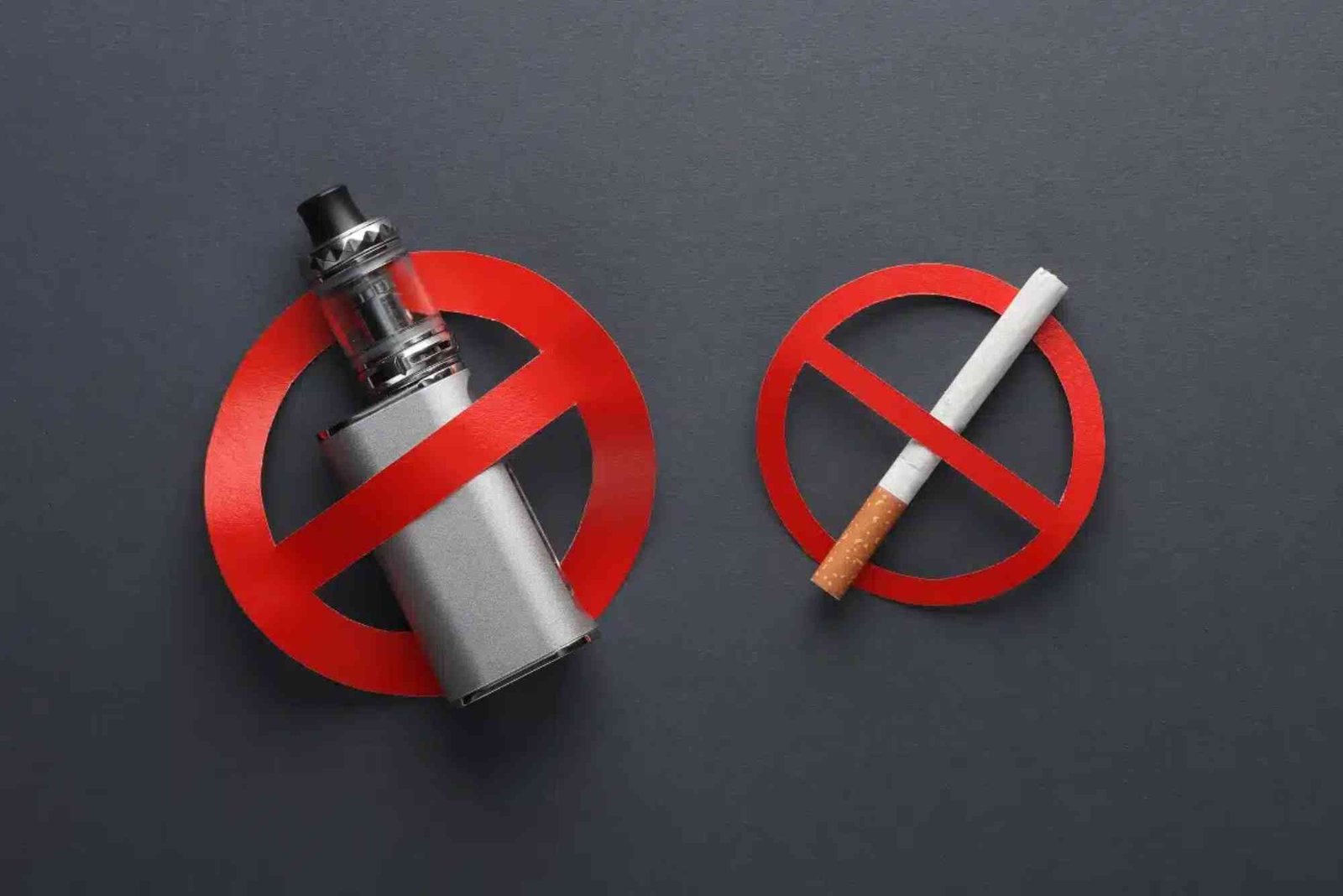
The debate around smoking and vaping laws has grown rapidly across the globe. These laws are designed to regulate public health, control access to nicotine products, and protect minors. However, many vapers often wonder whether smoking and vaping laws have any direct impact on the safety and lifespan of their vape batteries. While these laws are primarily about usage, accessibility, and restrictions, they can indirectly influence how you store, charge, and use your devices. Understanding this connection is essential because vape battery safety is one of the most overlooked yet critical aspects of vaping responsibly.
Understanding Smoking and Vaping Laws
Smoking and vaping laws differ significantly depending on the country, region, or even city. Some governments impose heavy restrictions, while others regulate sales but allow personal use. These laws usually focus on age limits, advertising restrictions, public usage, and taxation. For example, certain areas ban vaping in public spaces, making users store or carry their devices longer without use. This can affect how batteries are handled, as improper storage can weaken their performance over time. By knowing the laws where you live, you not only stay compliant but also protect your devices from unnecessary wear and tear.
How Smoking and Vaping Laws Connect to Vape Battery Safety
At first glance, smoking and vaping laws may not seem linked to the safety of vape batteries. But a closer look shows that regulations often shape how users charge, transport, and maintain their devices. For instance, in countries with strict indoor vaping bans, vapers must often carry devices outdoors in hot or cold weather. Extreme temperatures affect lithium-ion batteries, reducing their capacity and increasing the risk of malfunctions. Additionally, restrictions on refills or certain device types may push users toward disposable vapes, which come with non-replaceable batteries. Improper disposal of these batteries creates both environmental hazards and fire risks.
Restrictions on Charging and Usage
Some laws restrict vaping in workplaces, restaurants, or transport. This means users often wait longer to recharge their batteries or leave devices idle for extended periods. Idle batteries left fully charged or drained degrade faster than those maintained at moderate levels. Indirectly, these rules may shorten your battery’s lifespan if you do not adjust your charging habits accordingly.
Limitations on Device Types
In certain regions, only government-approved vaping devices are sold legally. While these are usually tested for safety, the restriction can sometimes force users to rely on older devices with outdated batteries or unregulated imports. Outdated models may lack modern protections like overcharge cutoffs, which are vital for battery safety.
The Role of Battery Safety in Vaping
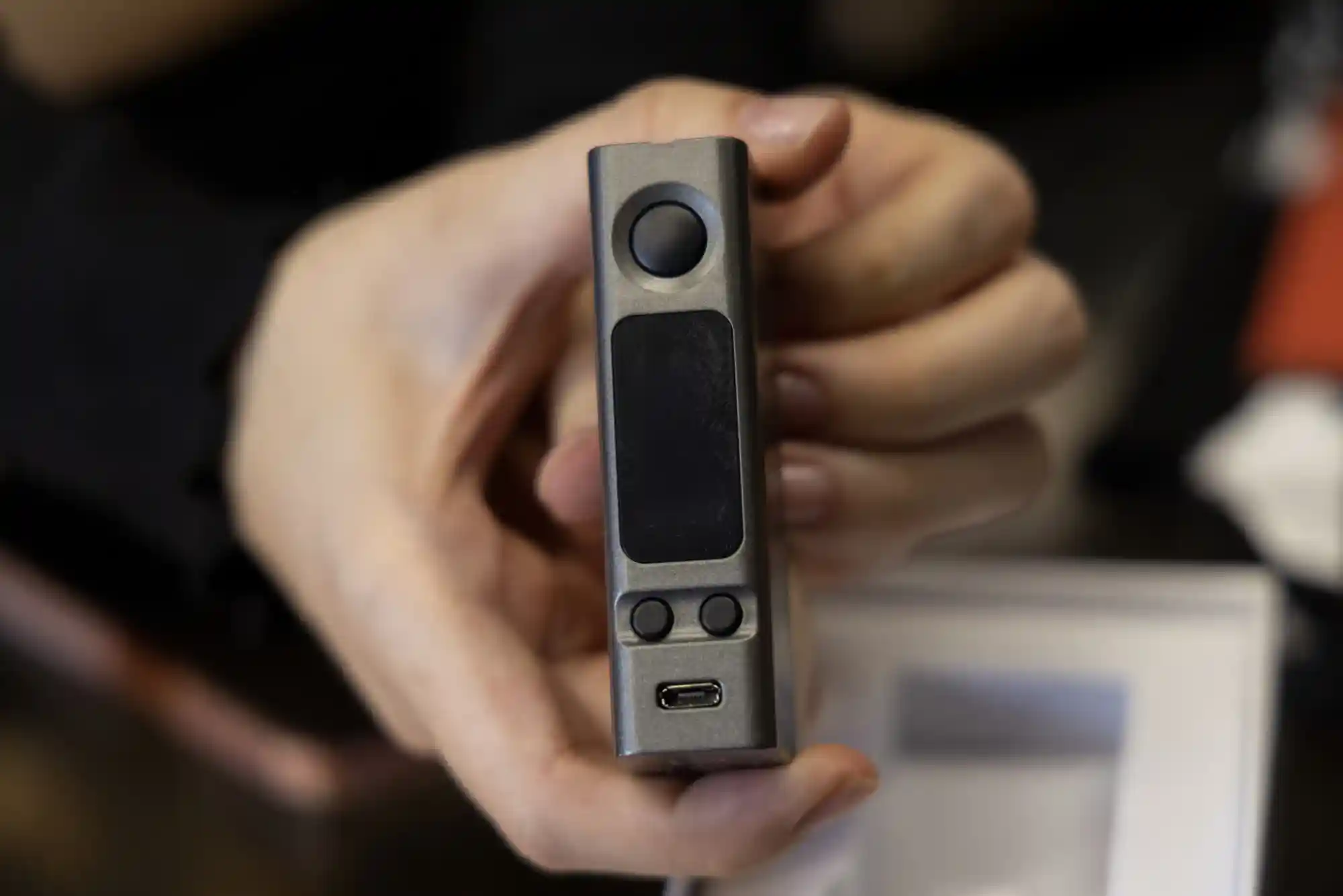
To fully understand why smoking and vaping laws matter for your device, it helps to know the basics of battery safety. Vape batteries, typically lithium-ion, are sensitive to misuse. Overcharging, deep discharging, physical damage, or exposure to extreme conditions can cause overheating, swelling, or even explosions. While the laws don’t directly cause these problems, the circumstances created by restrictions can make battery safety harder to maintain. For example, carrying extra batteries in your pocket due to public use bans can be dangerous if they touch coins or keys, leading to short circuits.

Common Risks Created by Indirect Law Impacts
Several real-life scenarios highlight how smoking and vaping laws indirectly affect vape batteries. Consider a commuter in a country where vaping is banned on public transport. They may keep their device powered on but unused for hours. This constant standby drains the battery and shortens its cycle life. In another example, a ban on e-liquids above a certain nicotine level might push users toward disposable vapes. Since disposable devices often lack high-quality batteries, improper disposal or storage poses risks not only to the user but also to the community.
Environmental Impact of Vape Batteries
When regulations push disposable vapes into popularity, communities face another issue: battery waste. These devices contain lithium-ion cells that should be recycled. However, with limited disposal facilities, many end up in household trash, where they can ignite fires in landfills. This environmental risk is an unintended consequence of laws that restrict refillable devices but fail to provide safe recycling solutions.
Do Smoking and Vaping Laws Make Vaping Safer?
The intent of these laws is to make vaping safer for public health, not necessarily for the batteries themselves. For example, regulations that enforce safety standards on e-cigarette manufacturing ensure devices include built-in protections against overheating or overcharging. This improves battery reliability and reduces risks. On the other hand, overly strict or unclear laws can push consumers to black-market products. These devices may use poor-quality batteries without any safety certifications, directly increasing danger.
Best Practices to Protect Your Vape Battery Despite Laws
Even with restrictions in place, users can take steps to protect their vape batteries. First, always store batteries in protective cases, especially when traveling through areas where public vaping is restricted. Second, avoid leaving devices in cars, pockets, or bags under extreme temperatures while complying with usage bans. Third, prioritize charging your device with manufacturer-approved chargers and avoid using cheap alternatives that can harm your battery’s health. These precautions ensure that, regardless of the laws in your region, your device remains safe and efficient.
Global Variations in Smoking and Vaping Laws
The global landscape of smoking and vaping laws is diverse. In the United States, regulations differ by state, with some enforcing strict indoor bans while others are more lenient. In the United Kingdom, vaping is seen as a harm-reduction tool, yet batteries must meet specific safety standards. Meanwhile, countries like Australia and Singapore impose severe restrictions, forcing vapers to rely on imported or underground markets. Each of these variations creates unique challenges for battery management. For instance, travelers must be cautious when flying internationally, as aviation rules restrict carrying spare lithium-ion batteries in checked luggage. Understanding both local laws and international guidelines helps vapers stay safe and avoid unexpected issues.
The Future of Smoking and Vaping Laws and Battery Technology
As vaping continues to grow, smoking and vaping laws will likely evolve. At the same time, battery technology is advancing. Many modern devices now include smart chips that regulate charging and prevent overheating. Future regulations may mandate these safety features, improving battery protection for all users. However, if governments continue to push for disposable vapes, battery waste and safety risks will remain pressing concerns. Advocating for balanced laws that encourage safer rechargeable devices and proper disposal systems is key to protecting both consumers and the environment.
FAQs
Does vaping in restricted areas damage my vape battery?
Not directly, but restrictions may cause you to store or carry your device improperly, which can affect battery life.
Can smoking and vaping laws lead to more battery waste?
Yes, laws that push disposable vapes into the market increase lithium-ion waste, which is hazardous if not recycled correctly.
Do vaping laws affect how I should charge my vape battery?
Indirectly, yes. Restrictions may limit when and where you can charge. Always plan charging around safe, approved environments.
Are disposable vapes safe under strict laws?
They are convenient but often less reliable than regulated, rechargeable devices. Improper disposal also raises safety concerns.
Will future laws improve vape battery safety?
Most likely. As technology and regulations align, we may see stricter requirements for safety features in batteries and devices.
Smoking and vaping laws are primarily about public health, but their indirect effects on vape batteries should not be ignored. While these laws don’t directly damage your battery, they influence how you store, charge, and use your device. The key to safe vaping lies in awareness. By understanding the laws in your region and practicing responsible battery care, you protect not only your vape but also your health and the environment. As regulations evolve, vapers must stay informed and adapt to ensure both compliance and safety.