
Introduction
Traveling with a vape can feel complicated, especially when you’re passing through airport security in countries like Egypt. Many travelers wonder how xray machines and vape oil Egypt airport laws interact, and more importantly, whether they pose a risk to your vape battery. This concern is valid because both legal restrictions and battery safety issues come into play when you’re flying with vaping devices.
The purpose of this article is to give you a clear, easy-to-understand breakdown of how Egypt’s airport regulations affect vapes, what xray machines really do to vape batteries, and what you can do to stay safe and compliant.
Understanding Xray Machines and Their Impact on Vape Batteries
Airports around the world rely on advanced xray machines to scan luggage. These machines use low-dose radiation to detect items inside bags. While many travelers worry about electronics being damaged, the truth is that vape batteries, just like laptops and phones, are not harmed by the radiation used in security checks.
The confusion often comes from the fact that lithium-ion batteries are sensitive to heat, pressure, and physical damage. However, xray radiation does not generate heat inside the battery or alter its chemistry. In simple terms, the xray scan itself is not dangerous to your vape battery. What matters more is how the battery is packed and whether you follow Egypt’s airport safety guidelines.
Vape Oil Regulations in Egypt Airports
Egypt has strict regulations regarding vaping products, including vape oil or e-liquids. Travelers should know that Egyptian law can be more restrictive compared to other countries. Some airports may allow vape devices for personal use but restrict large amounts of vape oil in carry-on or checked luggage.
Officials at security checkpoints are trained to look for liquids, and vape oil is treated under the same rules as other liquid items. That means your vape oil bottles need to be within the allowed liquid limit, usually 100 ml per container, and packed in a clear, resealable plastic bag. If you’re carrying more, there’s a risk it could be confiscated.

What makes Egypt unique is that vape-related laws are evolving. At times, there have been restrictions on selling or importing vape products. Because of this, travelers need to be extra careful when packing vape oil. Even if you are legally allowed to have small quantities, bringing too much may raise red flags at security checks.
The Real Risk: Vape Battery Safety During Air Travel
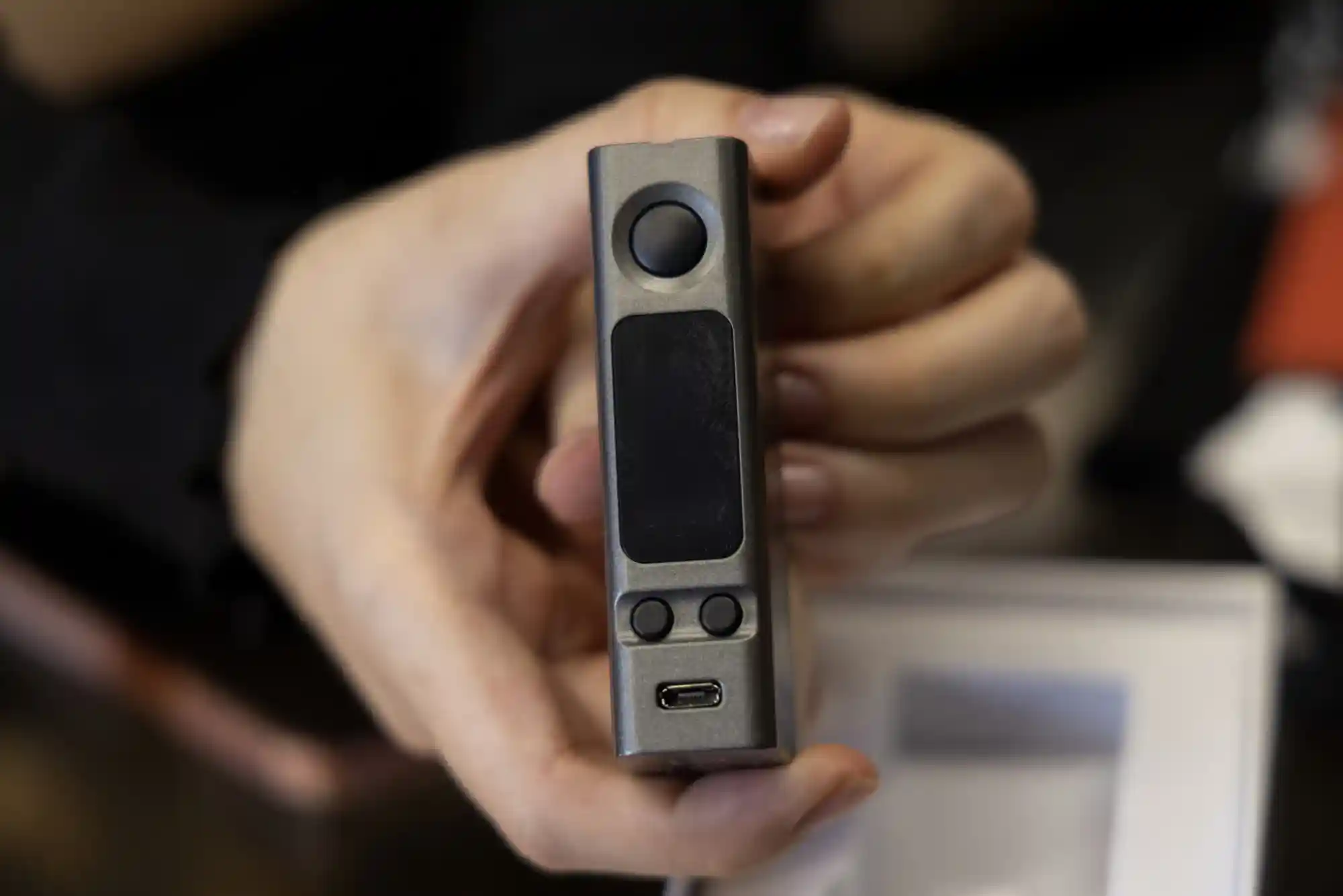
While xray machines themselves won’t harm your battery, other travel-related factors can create risks. Vape batteries are lithium-ion, and they are sensitive to pressure changes and mishandling. Airlines generally require that batteries be carried in your hand luggage, not checked bags, because cabin crew can respond to emergencies quicker if an issue arises.
The main risks for vape batteries include:
- Overheating: Caused by poor packing or direct sunlight exposure.
- Short-circuiting: If the battery terminals touch metal objects like keys or coins.
- Pressure changes: Airplane cabins are pressurized, but sudden shifts can stress weak batteries.
To stay safe, always store vape batteries in protective cases. Never leave them loose in your bag, and avoid overcharging them before your flight.
How Egypt Airport Laws Connect to Battery Safety
The connection between xray machines and vape oil Egypt airport laws lies in how security treats your device and liquids. Security staff may inspect your vape closely, especially if they see a large battery or extra bottles of liquid. If your vape battery is damaged or looks unsafe, they may confiscate it for safety reasons.
Egyptian authorities prioritize passenger safety, so their concern is less about the xray machine itself and more about whether your battery complies with airline safety standards. If you pack your vape properly and keep within the liquid limits for vape oil, you can pass through security without unnecessary problems.
Practical Tips for Flying With Vapes Through Egypt
When preparing for your trip, planning ahead is essential. Here are practical strategies to make sure you comply with Egypt’s airport laws while protecting your vape battery:
- Keep your vape device in your carry-on bag, not in checked luggage.
- Remove the battery if possible and store it in a protective case.
- Follow liquid restrictions for vape oil and pack them in transparent bags.
- Avoid carrying large quantities of vape oil, as it may raise suspicion.
- Charge your battery only before your journey, not during the flight.
By following these steps, you reduce the chance of your vape battery being flagged as a safety hazard and avoid legal complications at Egyptian airports.
Common Misconceptions About Xray and Vaping Devices
A common myth is that xray radiation can drain or damage lithium-ion batteries. In reality, radiation levels used in airport scanners are far too low to cause chemical changes in a battery. Another misconception is that airport staff target vapes more than other devices. The truth is, security checks focus equally on all electronics. However, because vapes involve batteries and liquids, they naturally attract more attention.
Another misunderstanding is that if vape oil is legal in some countries, it must be legal everywhere. Egypt has its own laws, which can be stricter, so assuming global uniformity can lead to mistakes at the airport.
Health and Legal Implications of Vape Oil in Egypt
Aside from battery safety, travelers should also consider the health and legal side of bringing vape oil into Egypt. Some regions within the country view vaping as controversial, and while possession for personal use may not always result in penalties, selling or distributing vape oil could.
Health officials also highlight that carrying unregulated vape oil poses risks not only at the airport but also to your health. Fake or low-quality liquids can leak during flights, potentially damaging your device or even causing battery malfunctions. Therefore, always make sure your vape oil comes from a trusted source and is sealed properly before travel.
What Travelers Should Remember
Xray machines and vape oil Egypt airport laws may sound intimidating, but they do not spell disaster for your vape battery if you prepare correctly. The xray scans themselves are harmless to your device. The real risks come from mishandling, overpacking liquids, or ignoring local regulations.
If you’re traveling through Egypt, the best approach is to carry your vape responsibly. Keep batteries safe in your carry-on, respect liquid restrictions for vape oil, and be mindful of changing laws in the country. Doing so protects your battery, your health, and your travel plans.
(FAQs)
Can xray machines damage vape batteries?
No, xray machines use low-dose radiation that does not affect lithium-ion batteries. The risk comes from mishandling, not scanning.
Is vape oil allowed in Egypt airports?
Yes, but in limited quantities. Vape oil must follow the standard 100 ml liquid rule and be placed in transparent bags.
Do airlines allow vape batteries in checked luggage?
No. Vape batteries must be carried in hand luggage because they pose fire risks in cargo areas.
What happens if I bring too much vape oil to Egypt?
Large amounts may be confiscated, and in some cases, travelers may face fines for violating import restrictions.
Are vaping devices completely legal in Egypt?
Laws are evolving. While personal use may be tolerated, selling or distributing vape oil and devices can lead to legal issues.