Introduction
Vaping has sparked global debate, with lawmakers and health experts raising concerns about its impact on public health. In the United States, no state has been more aggressive in regulating e-cigarettes than New York. For many people searching whether vaping is illegal in NY, the answer is nuanced. While vaping itself is not completely banned, strict regulations have made it harder for consumers to access flavored products and for retailers to sell them. This article takes a closer look at the question of vaping illegal NY, the safety concerns behind these laws, and what the future may hold for residents and businesses.
Understanding the Debate Around Vaping
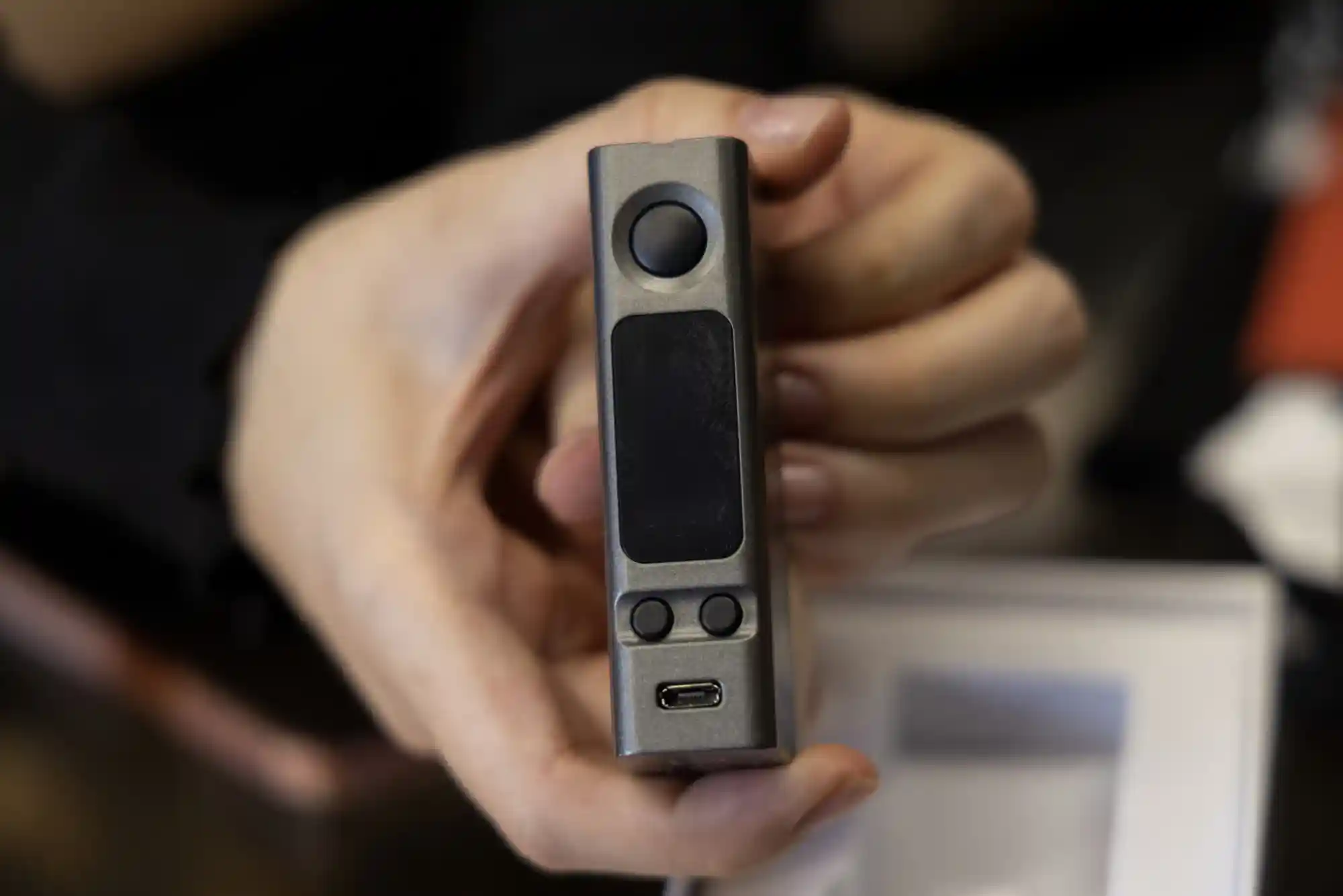
The vaping industry grew rapidly over the last decade, marketed as a safer alternative to smoking. Instead of burning tobacco, e-cigarettes heat liquid nicotine into vapor, which is then inhaled. Supporters argue vaping helps smokers quit traditional cigarettes, reducing exposure to tar and other harmful chemicals. Critics, however, point to a rising number of young users who were never smokers but became addicted to nicotine through flavored vapes. This rise in teen vaping became one of the driving forces behind New York’s aggressive stance.
The Legal Landscape: Is Vaping Illegal in NY?
The phrase “vaping illegal NY” can be misleading because the act of vaping is not fully outlawed. Adults can still buy and use certain vaping products, but the state has enacted some of the strictest restrictions in the country.
New York’s Flavor Ban
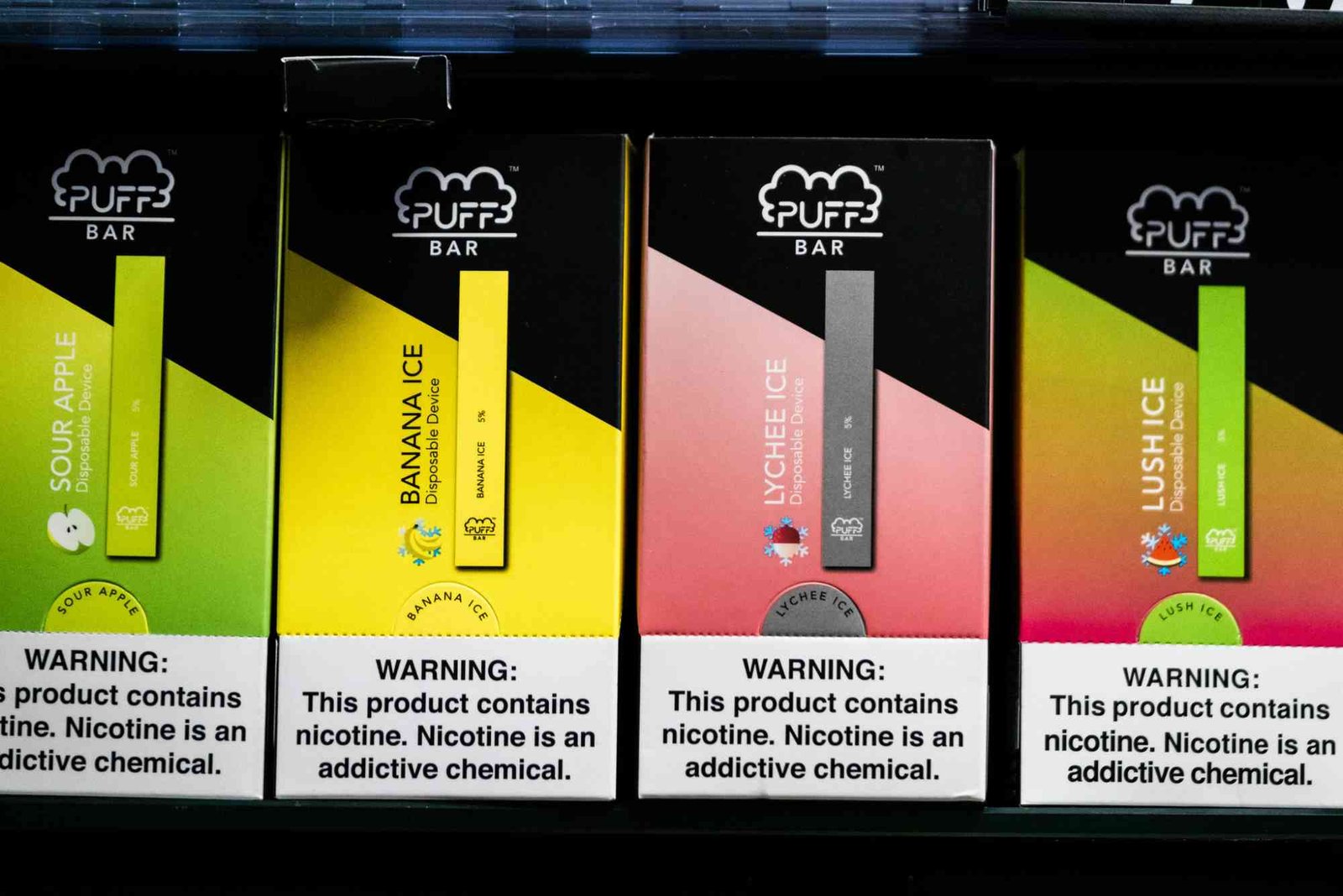
In 2020, New York banned the sale of flavored e-cigarettes, including popular fruit and mint varieties. Lawmakers argued these flavors targeted minors and contributed to a surge in teen addiction. Tobacco and menthol flavors remain legal, but the absence of sweeter alternatives has reshaped the vaping market. Retailers faced significant losses, while many consumers turned to online or out-of-state purchases.
Restrictions on Online Sales
The state also cracked down on online sales, making it difficult for minors to access products through delivery. Retailers must comply with strict age verification laws, and some shipping carriers refuse to deliver vaping products into New York.
Public Use Laws
Vaping is also restricted in public spaces. The state amended its Clean Indoor Air Act to include e-cigarettes, meaning vaping is banned in places where smoking is already prohibited. This includes restaurants, bars, workplaces, and public transit areas.

Penalties for Violations
Selling banned flavored products or failing to follow state guidelines can result in heavy fines for retailers. Consumers are less likely to face legal action for possession, but sellers caught violating the law risk losing licenses and facing penalties.
Why New York Took Action
Understanding why lawmakers made vaping illegal in NY requires looking at both health data and public pressure.
Teen Vaping Epidemic
By 2019, surveys revealed more than one in four high school students nationwide reported using e-cigarettes. Flavored pods were the top choice. In New York, parents, schools, and health officials raised alarms over rising addiction rates among minors.
Health Risks and Unknowns
Although vaping exposes users to fewer chemicals than smoking, it is not risk-free. Studies show that e-cigarettes still release harmful substances like formaldehyde, heavy metals, and ultrafine particles. The long-term effects remain unknown since vaping is relatively new. In 2019, an outbreak of vaping-related lung injuries, called EVALI, added urgency to regulatory efforts. Even though most cases linked to illicit THC cartridges, the public perception of e-cigarette safety was shaken.
Pressure from Public Health Groups
Organizations like the American Lung Association and the Campaign for Tobacco-Free Kids pushed for aggressive regulations. They argued vaping companies were repeating tobacco’s mistakes—downplaying risks while addicting a new generation.
Safety Concerns Driving the Regulations
The question of vaping illegal NY ties directly to safety. Lawmakers cite several concerns that shaped policy decisions.
Nicotine Addiction
E-cigarettes deliver high doses of nicotine, which can alter brain development in young people. Addiction forms quickly, leading to withdrawal symptoms, anxiety, and difficulty focusing.
Unknown Long-Term Effects
Unlike tobacco, which has been studied for decades, vaping is still relatively new. Researchers do not yet know the full impact of daily inhalation of vaporized chemicals over 20 or 30 years.
Risk of Gateway Use
Some experts worry teens who start with vaping may transition to cigarettes later. Although research is mixed, the possibility was enough for lawmakers to act preemptively.
Vaping-Related Injuries
Cases of EVALI highlighted the dangers of unregulated products. While New York’s laws primarily target nicotine e-cigarettes, the outbreak reinforced public fears that vaping could be unsafe in general.
How the Laws Affect Consumers and Businesses
The vaping illegal NY rules have reshaped the market. Consumers face limited choices, and businesses must adapt to survive.
Consumer Impact
Smokers who used flavored vapes to quit cigarettes now have fewer options. Some report switching back to smoking or seeking products through unofficial channels. Others rely on menthol or tobacco flavors, though these may not provide the same satisfaction.
Business Impact
Small vape shops were hit hardest. Many relied heavily on flavored e-liquid sales. Without them, revenue plummeted. Some stores closed permanently, while others shifted to selling CBD, hemp, or smoking accessories.
Rise of Black Market Sales
One unintended consequence is the growth of underground sales. Consumers frustrated by the ban often turn to unregulated sources. This raises further safety risks, as products may not meet health standards.
National Context: How NY Compares
New York is not alone in restricting vaping, but its laws are among the strictest. Several states, including Massachusetts and Rhode Island, enacted similar flavor bans. On the federal level, the Food and Drug Administration (FDA) banned flavored cartridge-based e-cigarettes in 2020 but allowed open-tank systems. New York went further by targeting all flavored liquids. This aggressive approach has made NY a model for other states considering similar restrictions.
Public Opinion on Vaping Laws
Residents remain divided over vaping illegal NY policies. Parents and health advocates largely support the restrictions, believing they protect children. Adult vapers and small business owners, however, argue the laws unfairly punish responsible users. Some believe lawmakers should focus on education and regulation rather than bans. The debate continues as new research on vaping emerges.
The Future of Vaping in New York
Looking ahead, vaping’s legal status in New York may shift again depending on political and scientific developments. If studies show vaping is effective in helping smokers quit with minimal risks, pressure may grow to loosen restrictions. Conversely, if more health risks emerge, even stricter regulations could follow. The FDA also plays a major role, and its decisions on product approvals will influence what remains available in New York.
FAQs
Is vaping completely banned in New York?
No, vaping is not completely banned. Adults can still purchase and use tobacco and menthol flavored products, but flavored vapes are illegal.
Can you vape in public in New York?
Vaping is prohibited in most public indoor spaces, including restaurants, bars, and workplaces, under the Clean Indoor Air Act.
Are menthol vapes still legal in New York?
Yes, menthol and tobacco-flavored vapes remain legal, while fruit, candy, and mint flavors are banned.
Can you order vapes online in New York?
Online sales face strict restrictions. Many companies no longer ship to New York due to compliance challenges.
What happens if a store sells flavored vapes?
Stores caught selling banned products face heavy fines and risk losing their licenses.
The discussion of vaping illegal NY reveals a complex balance between public health and personal choice. Lawmakers acted quickly to address teen addiction and safety concerns, but adult vapers and small businesses argue they were left behind. While vaping remains legal in limited forms, the future will likely depend on evolving research and political will.
If you live in New York and rely on vaping as a smoking alternative, it is essential to stay informed about changing laws and to purchase only from reputable sources. Public health will continue driving the debate, but consumer voices matter too. Stay engaged, ask questions, and make informed choices about your health and lifestyle.