
Is Ca Vape Law 2025 Dangerous for Your Vape Battery?
The vaping industry in California is entering a new era as the Ca vape law 2025 comes into effect. For vapers, retailers, and even casual users, the legislation introduces rules that go beyond age restrictions and flavored vape bans. One overlooked aspect is how these laws may indirectly affect vape battery safety. While lawmakers primarily aim to reduce youth vaping and regulate nicotine use, certain outcomes could increase risks related to improper battery handling, counterfeit devices, and user behavior.
Understanding the Ca Vape Law 2025
California has historically led the nation in regulating tobacco and vaping products. The Ca vape law 2025 continues this trend by focusing on public health, youth prevention, and responsible retail practices. Some of the core areas include:
- Stricter age verification for online and in-store purchases.
- Tighter restrictions on flavored e-liquids.
- Packaging and labeling requirements for nicotine content.
- Higher taxation on vape products.
- Clearer disposal and recycling rules for batteries and cartridges.
At first glance, this law seems unrelated to vape batteries. However, the ripple effects can influence how users purchase, store, and maintain their devices. When laws restrict certain products, users sometimes turn to cheaper or unregulated alternatives, which often have unsafe batteries.
How Vape Laws Affect Battery Safety
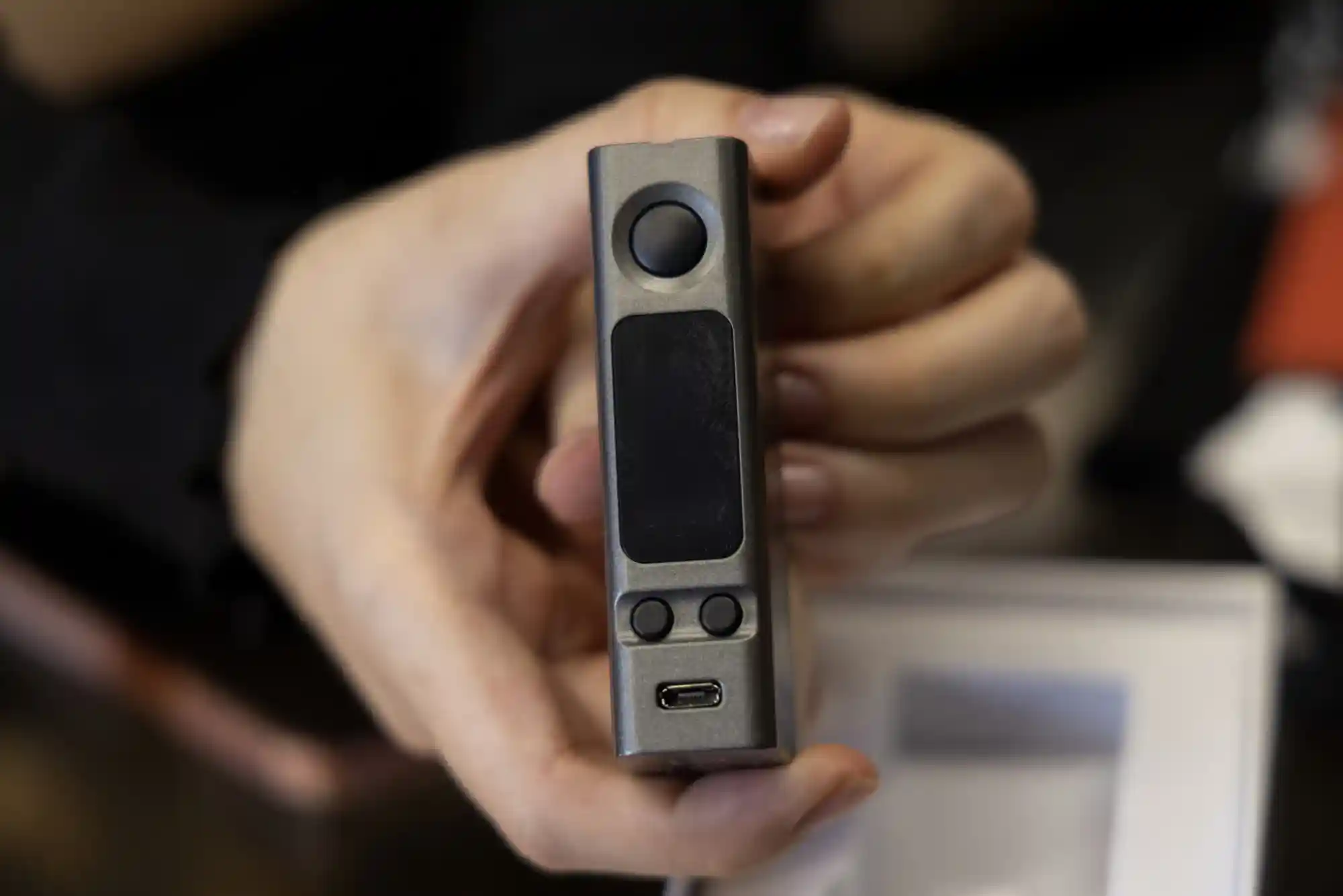
Vape batteries are lithium-ion cells, similar to those used in smartphones and laptops. When used properly, they are safe. But misuse, poor quality, or lack of knowledge can lead to overheating, venting, or even explosions.
The Ca vape law 2025 might indirectly create situations where battery safety becomes a bigger concern:
Restricted Access Can Push Users Toward Counterfeits
If legitimate products become more expensive or harder to find, some consumers may purchase from unauthorized sellers. Unfortunately, these gray-market products often contain low-quality batteries that lack proper protections, increasing risks of failure.

Taxation May Lead to Extended Battery Use
Higher taxes may cause users to delay upgrading or replacing their vape devices. Prolonged use of old or damaged batteries can compromise safety, as lithium-ion cells degrade over time.
Recycling and Disposal Rules
The new law highlights proper disposal, but not all users may comply. Improperly discarded vape batteries can cause fires in trash bins or recycling facilities. Educating consumers about safe disposal is critical.
Online Purchasing Restrictions
With tighter online sales regulations, users may turn to less regulated platforms for replacement batteries. This creates another pathway for counterfeit products, which are often poorly manufactured.
Best Practices for Vape Battery Safety in 2025
While the Ca vape law 2025 focuses on compliance, vapers should also prioritize battery safety. Following best practices ensures not only legal vaping but also personal safety.
Choose Authorized Retailers
Always buy vape devices and batteries from authorized retailers that comply with state laws. This minimizes the risk of counterfeit or low-quality products.
Check for Authentic Packaging
Counterfeit batteries often lack safety seals, proper labeling, or certification marks. Inspect packaging closely before use.
Avoid Overcharging
Do not leave vape batteries plugged in overnight. Overcharging stresses the battery, reduces its lifespan, and increases overheating risks.
Use the Right Charger
Only use the charger designed for your specific vape device. Using mismatched or cheap chargers can lead to voltage irregularities and battery damage.
Store Batteries Safely
Keep batteries in a cool, dry place. Avoid direct sunlight, heat sources, or carrying loose batteries in your pocket, which can cause short circuits.
Replace Old Batteries
If you notice swelling, leakage, or reduced performance, replace the battery immediately. Continuing to use damaged batteries increases the risk of accidents.
Ca Vape Law 2025 and Consumer Behavior
Beyond safety, laws often shape user behavior. Understanding these patterns can help explain why battery issues may rise despite tighter regulations.
Shift Toward DIY and Rebuildable Devices
As flavored e-liquids face bans, some users may turn to rebuildable atomizers and mods. These advanced devices require external batteries, which pose higher safety risks if not handled properly.
Cross-Border Purchases
When products are restricted in California, some users purchase from neighboring states. Unfortunately, these products may not follow the same safety standards, again raising battery concerns.
Increased Secondhand Market
With costs rising, used vape devices may flood the secondhand market. These often come with old batteries, putting users at risk if they are unaware of proper inspection methods.
Practical Steps for Staying Safe Under the New Law
Adapting to the Ca vape law 2025 requires a combination of legal awareness and personal responsibility. Here are practical steps vapers should follow:
- Stay informed about changes in the law through official state websites.
- Register devices with manufacturers when possible to ensure warranty and safety notifications.
- Prioritize battery safety education — share tips with fellow vapers.
- Dispose of batteries at designated e-waste facilities rather than regular trash.
- Keep backups, but avoid hoarding large numbers of batteries.
Staying Compliant and Safe
The Ca vape law 2025 aims to protect public health, but it also creates new challenges for vapers, particularly when it comes to battery safety. By understanding how these laws affect access, pricing, and behavior, you can make smarter choices that keep your vaping experience safe and compliant. Battery safety is not just about following the law — it is about protecting yourself and those around you. Always purchase from authorized retailers, replace old batteries promptly, and dispose of them responsibly.
If you are a vaper in California, take this moment to evaluate your habits. Stay informed, stay safe, and adapt responsibly under the new regulations. Want to stay ahead of vape law updates and battery safety tips? Subscribe to our newsletter and join a community of responsible vapers who prioritize safety and knowledge.
FAQs
1. What does the Ca vape law 2025 regulate?
It regulates the sale of vape products, including age limits, flavor restrictions, taxation, and packaging standards.
2. Does the law directly mention vape batteries?
No, but disposal and recycling rules apply to all electronic components, including lithium-ion batteries.
3. Can I still buy vape batteries online under the new law?
Yes, but only through authorized sellers who comply with California’s verification rules.
4. How do I know if my vape battery is safe?
Check for certification marks, proper packaging, and buy only from reputable retailers. Avoid used or unmarked batteries.
5. What happens if I throw vape batteries in the trash?
Improper disposal can cause fires and may result in fines, as California enforces strict e-waste regulations.
6. Will taxes make vape products less safe?
Indirectly, yes. Higher costs may push some consumers toward unsafe alternatives or prolong battery use.
7. Can old vape batteries explode?
Yes. Lithium-ion cells degrade over time, and damaged or overused batteries can overheat or explode.