Introduction
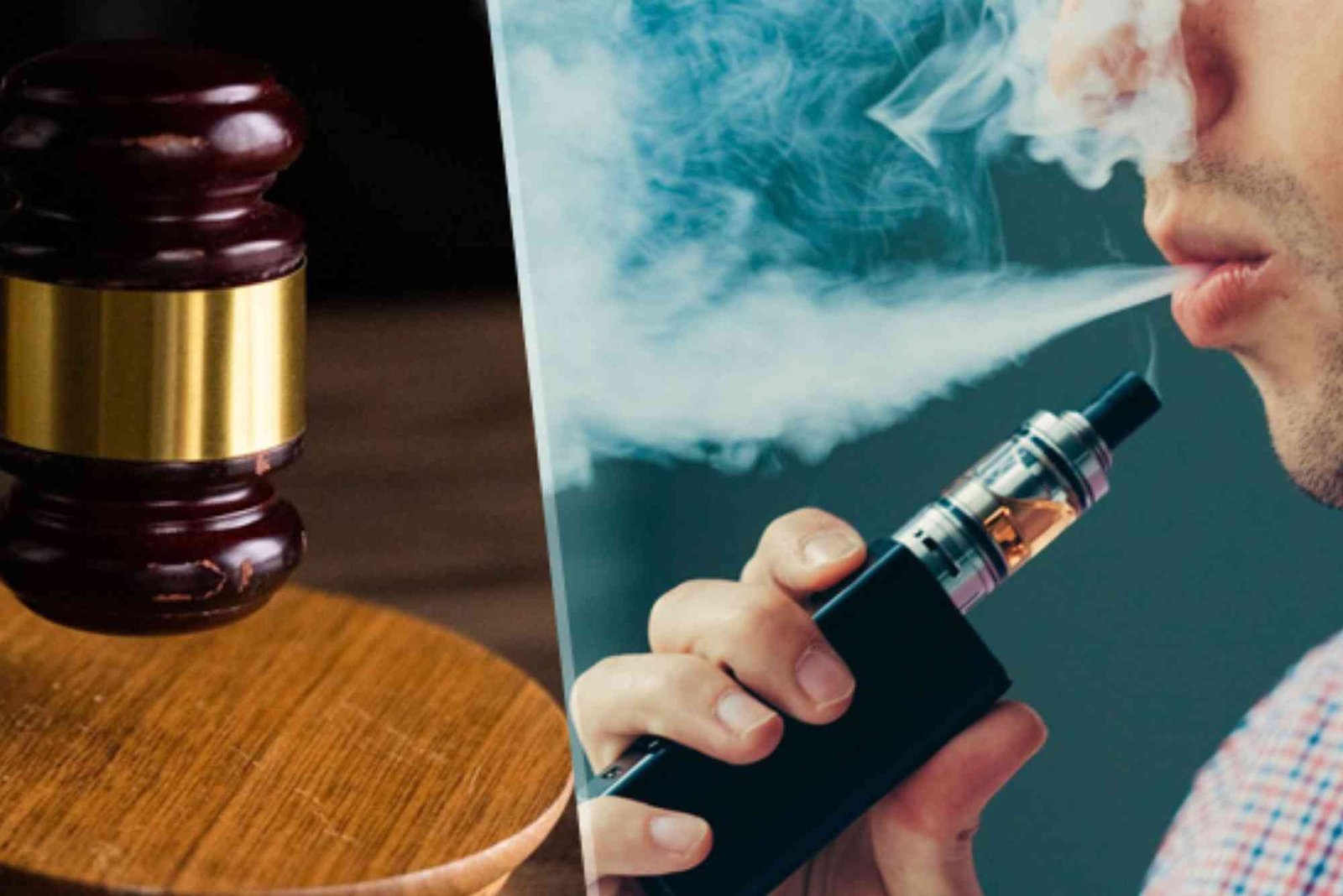
The rise of vaping has brought both innovation and regulation. In Maryland, vaping laws have shifted significantly over the past few years, and by 2022, new measures were introduced to address public health, youth vaping, and retail practices. For vapers, the conversation often focuses on what is legal to buy or where to vape. But there’s another angle worth exploring: could Maryland vape laws 2022 indirectly affect the health and safety of your vape battery?
Vape batteries are the beating heart of every device. They power the coil, heat the liquid, and deliver the vapor users expect. But poor handling, counterfeit products, or restricted access to safer gear can turn them into hazards. In this article, we’ll explore how Maryland vape laws 2022 impact vape batteries, why understanding battery safety is essential, and how vapers can navigate both regulations and risks without compromising safety.
Understanding Maryland Vape Laws 2022
Maryland’s approach to vaping laws in 2022 was shaped by a combination of state health concerns and federal guidance. The primary goals were to curb youth access, regulate sales channels, and establish clearer guidelines for retailers. While the laws did not directly mention vape batteries, they influenced what products are sold, how they are marketed, and which devices remain accessible to consumers.
Restrictions on flavored products, online sales, and strict age verification standards meant vapers had fewer choices. This created a ripple effect: some consumers turned to unregulated markets, while retailers adjusted inventory to comply with new rules. For vape batteries, this shift had unexpected consequences. Many vapers found themselves purchasing lower-quality devices or replacement batteries from unverified sources, which raised the risk of malfunction or even dangerous accidents.
How Vape Laws Affect Battery Safety
Although Maryland vape laws 2022 were designed with public health in mind, they shaped the vaping landscape in ways that touched battery safety indirectly. One key point is that regulation tightened access to certain brands and products. When reputable companies are squeezed out or limited in distribution, consumers may unknowingly gravitate toward poorly manufactured alternatives.
A vape battery is not a simple accessory. It is a lithium-ion cell that requires quality control, safe design, and appropriate storage. If a vaper buys from questionable sources due to limited availability in the regulated market, the chances of purchasing a counterfeit or unsafe battery increase.

Another factor is user behavior. With stricter rules on where vaping devices can be bought, some consumers try to extend the life of old batteries far beyond their safe limits. Continuing to use aging or damaged batteries because replacements are harder to obtain exposes users to overheating, venting, and, in extreme cases, fires.
Why Vape Batteries Need Extra Care
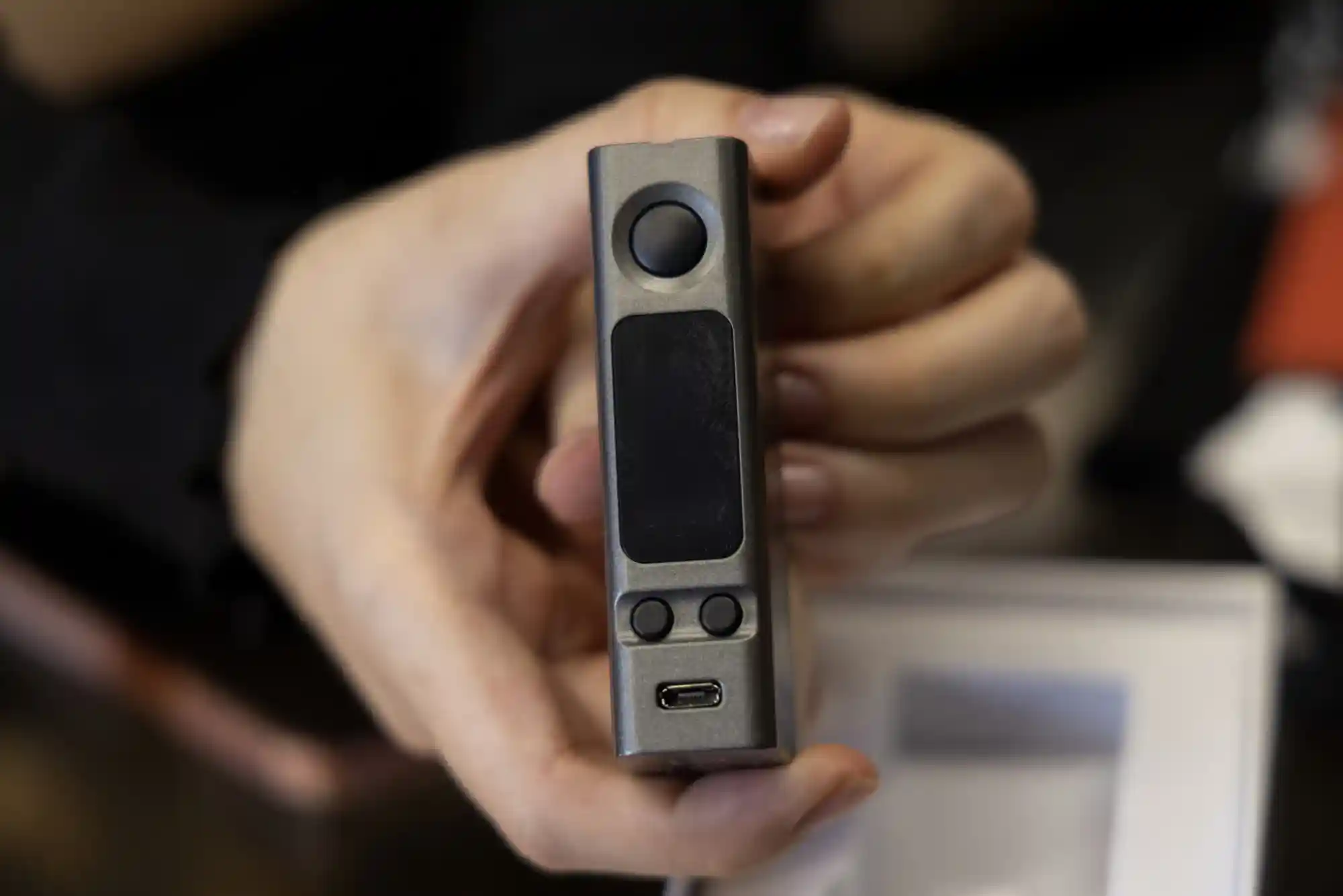
To understand the risk, it helps to know how vape batteries work. Most devices rely on lithium-ion batteries, the same type used in smartphones and laptops. These batteries are efficient but sensitive to misuse. When handled incorrectly, they can overheat, swell, or even explode.
Maryland vape laws 2022 did not include direct instructions on battery maintenance, but the environment they created made battery safety more important than ever. A responsible vaper must now pay closer attention to where products are purchased, how batteries are charged, and when they should be replaced. Ignoring these aspects not only violates safety principles but also turns everyday vaping into a potential hazard.
The Connection Between Compliance and Safety
Compliance with Maryland’s vape laws goes beyond staying legal. It also ties into staying safe. Retailers who operate within the framework of the law are more likely to stock genuine products and adhere to quality standards. Buying batteries from such sources ensures authenticity and reduces the chances of accidents.
On the flip side, ignoring compliance—such as purchasing vape products through unofficial channels—can lead to exposure to unsafe or counterfeit batteries. These products often lack proper insulation, venting holes, or consistent charging protections. The consequences of a battery failure can be severe, ranging from burns to property damage.
Challenges for Maryland Vapers
Vapers in Maryland face unique challenges compared to those in states with looser laws. By 2022, certain flavors were restricted, shipping options became limited, and many online vendors refused to deliver to Maryland addresses due to complex regulations. While these measures aimed to reduce youth vaping, adult consumers often felt penalized.
This frustration sometimes pushes vapers to take risks with sourcing. Instead of purchasing from regulated shops, they may turn to questionable sellers. Batteries, in particular, are easy targets for counterfeiting because they look identical to trusted brands on the outside. The only difference often lies inside, where quality shortcuts can turn them into ticking time bombs.
How to Keep Your Vape Battery Safe Under Maryland Vape Laws 2022
Even though the laws present challenges, there are ways to protect your battery. First, prioritize buying from licensed retailers who comply with state regulations. While selection may be limited, authenticity is worth the trade-off. Second, understand the signs of a failing battery: overheating, visible damage, or rapid draining. If your device shows these symptoms, replace the battery immediately.
Safe charging practices are also essential. Always use the charger provided by the manufacturer and avoid leaving batteries plugged in overnight. Storing them in cool, dry places helps extend their life. With Maryland’s vaping climate making quality products harder to obtain, taking personal responsibility for safe handling becomes even more important.
Do Vape Laws Make Batteries More Dangerous?
The question “Is Maryland vape laws 2022 dangerous for your vape battery?” has no simple yes or no answer. The laws themselves are not designed to harm batteries. However, the indirect consequences—restricted access, reduced product diversity, and reliance on questionable sources—can create a situation where batteries become riskier.
In essence, the laws do not make batteries dangerous, but they increase the likelihood of consumers encountering unsafe conditions if they are not careful. Knowledge, awareness, and smart purchasing decisions remain the best defenses.
The Future of Vape Laws and Battery Safety
Looking ahead, Maryland may continue tightening regulations or adjusting them as new data emerges. For vapers, the challenge will always be balancing compliance with personal safety. Advocacy and education could play an important role in ensuring that while protecting public health, regulators also consider the unintended consequences on adult users who depend on reliable, safe products.
If future laws include clearer guidance on battery safety or create pathways for responsible retailers to thrive, the risks may decrease. Until then, vapers must remain proactive in safeguarding their own devices.
FAQs
Do Maryland vape laws ban vape batteries?
No. The laws focus on sales restrictions, age verification, and product availability. Batteries are not directly banned, but sourcing them may become harder.
Can vape batteries explode?
Yes, if mishandled or if they are counterfeit. Risks include overheating, venting, or fire. Proper care reduces these dangers.
Where can I buy safe vape batteries in Maryland?
Licensed vape shops and regulated retailers remain the safest option. Avoid unverified online sellers.
Do the laws make vaping more expensive in Maryland?
Yes, partly. Taxes, restrictions, and limited supply can increase costs for adult consumers.
How long should a vape battery last?
Most lithium-ion vape batteries last 6–12 months, depending on usage and care. Signs of damage mean replacement is due sooner.
Maryland vape laws 2022 reshaped the vaping landscape. While their primary aim was public health, they indirectly affected vape battery safety by influencing where and how consumers source their products. The laws themselves are not inherently dangerous, but they can push vapers toward risky choices if awareness is lacking.