Introduction
The recent changes in vaping regulations have sparked one of the most frequently asked questions: what vapes will be available after the ban? Beyond the availability issue, many users now worry whether these new or remaining products could pose risks to their devices, especially the battery. Since vape batteries power every puff, their safety matters just as much as the e-liquid you choose. Misunderstanding battery safety can lead to performance issues or, in rare cases, accidents. To clear the confusion, let’s dive into how these regulatory changes might influence battery performance and whether the vapes you’ll still find after the ban are safe for long-term use.
Understanding the Vape Ban Context
The vaping ban doesn’t necessarily mean vaping disappears altogether. Instead, it narrows down the products that remain legal on shelves. Depending on the jurisdiction, flavored disposables, certain refillable pods, or e-liquids may be restricted. That’s why the phrase what vapes will be available after the ban is so popular—it reflects the uncertainty among consumers.
Once the ban takes effect, manufacturers and retailers will adapt by offering alternatives that comply with the rules. These alternatives might include tobacco-flavored disposables, refillable pod systems, or regulated mods. However, not all products are created equal. Since batteries are the lifeline of any vape, the type of device you end up with will directly influence how safely and effectively your battery performs.
Why the Vape Battery Matters
Every vape relies on lithium-ion cells. These are powerful, lightweight, and rechargeable, but they also demand respect. If mishandled or paired with poorly designed devices, they can overheat, degrade faster, or even fail catastrophically. A regulated market usually ensures batteries meet safety standards. But after the ban, with fewer choices and potential black-market imports, some users may be tempted to buy unregulated products. This raises the crucial question: are the vapes that remain safe for your battery?
What Vapes Will Be Available After the Ban and Battery Impact
When considering what vapes will be available after the ban, it’s important to separate them into categories, each with unique implications for battery safety.
Disposable Vapes Post-Ban
Disposables are often the first target of restrictions. If some versions remain available, they will likely be limited to standard flavors. The built-in batteries in disposables are generally sealed and low capacity. They pose minimal risk because users cannot recharge them. However, disposables often end up discarded with charge left, leading to environmental hazards rather than direct personal battery risks.

Pod Systems and Refillable Devices
Pod systems that remain legal after the ban are more likely to feature rechargeable lithium-ion batteries. These batteries are usually small but safe if the device comes from a reputable manufacturer. The risk arises when users rely on third-party chargers or counterfeit pods that cause the battery to work harder. Choosing regulated pods after the ban helps keep your battery healthy.
Mods and Advanced Kits
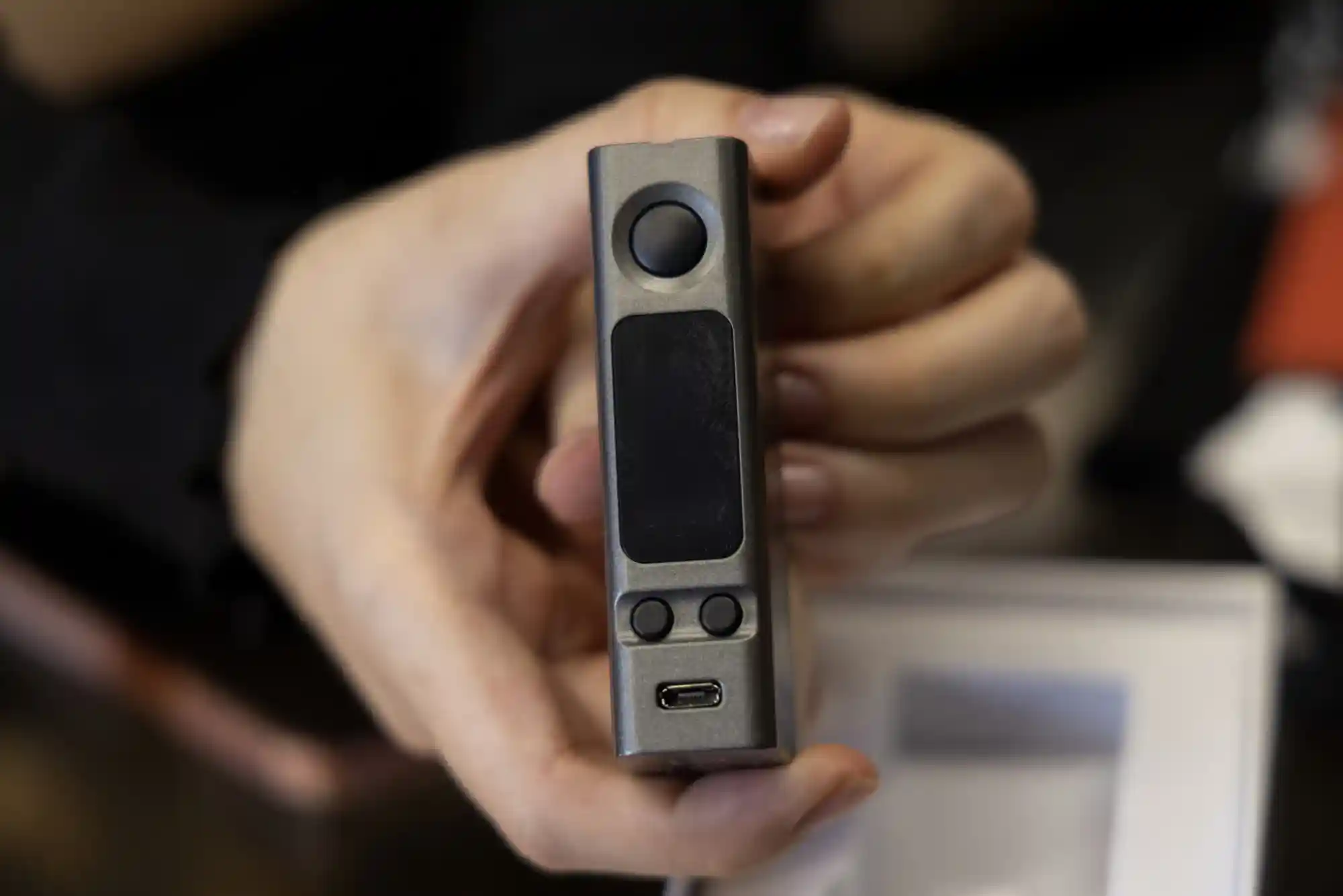
If mods and advanced kits remain available, they typically require external 18650 or 21700 batteries. These cells are powerful but must be handled carefully. For experienced vapers, mods offer flexibility, but they also carry a higher risk if used with low-quality batteries. After the ban, sourcing trusted batteries may become more challenging, increasing the risk of unsafe purchases.
Battery Safety Concerns After the Ban
The central worry is whether what vapes will be available after the ban will indirectly encourage unsafe battery practices. Here are some scenarios that highlight potential concerns:
Counterfeit or Black-Market Products
With limited legal options, some users may turn to unofficial sources. Unfortunately, counterfeit devices often use cheap batteries with poor insulation and no quality control. These can overheat during charging or continuous use, creating genuine hazards.
Compatibility Issues
After the ban, users might try mixing devices and accessories not meant for each other, like using mismatched pods or chargers. This forces the battery to operate under strain, reducing its lifespan and creating overheating risks.
Charging Challenges
Many safe devices include overcharge protection, but if users resort to older or unapproved models, that protection may not exist. Using improper charging equipment can stress the battery and accelerate wear.
Signs Your Battery Is at Risk
Understanding what to look for can save you from bigger problems later. If you’re worried about what vapes will be available after the ban and their impact, keep an eye on these warning signs. A battery that gets unusually hot, holds a charge for much less time, or shows physical damage like swelling or leakage is no longer safe to use. Another subtle warning is inconsistent performance—such as weak vapor production even after a full charge. These issues are more likely when using devices from unreliable sources.
How to Keep Your Vape Battery Safe After the Ban
The good news is that battery safety is largely in your hands. Even if product availability changes, these habits protect your device. Always use the charger that comes with your vape or one approved by the brand. Avoid draining your battery completely before recharging. Store your device away from extreme heat or direct sunlight, since temperature affects lithium-ion cells significantly. Most importantly, resist the temptation to buy from unverified sellers, even if prices seem attractive.
The Role of Regulation in Battery Safety
A hidden advantage of regulations is that they set minimum safety standards. Legal products must pass tests for battery stability, charging safety, and protection circuits. When users wonder what vapes will be available after the ban, they should remember that remaining legal options will often be safer than unregulated imports. Choosing products that comply with the rules reduces your risk of battery issues, even if your flavor options shrink.
Common Myths About Vape Batteries After the Ban
A lot of misinformation spreads when markets change. One common myth is that all remaining vapes will have weak batteries. In reality, manufacturers focus on longevity and reliability to maintain consumer trust. Another myth is that only high-powered mods are safe, when in fact regulated pod systems can be just as reliable. The truth is that safety depends more on the quality of manufacturing than the format of the device.
FAQs: What People Also Ask
Will the vape ban make my current battery unsafe?
No, the ban doesn’t directly affect batteries you already own. Safety depends on how you use and maintain them.
Can banned vapes damage batteries?
Banned vapes themselves aren’t automatically dangerous, but counterfeit or unregulated alternatives can stress batteries and cause problems.
What type of vape battery is safest after the ban?
Regulated devices with built-in safety features, such as pods from reputable brands, generally provide the safest battery performance.
Should I stock up on batteries before the ban?
It’s better to invest in high-quality, brand-approved batteries now rather than rushing to buy uncertain products later.
The big question—is what vapes will be available after the ban dangerous for your vape battery?—doesn’t have a simple yes or no answer. The vapes that remain legal will generally be designed with battery safety in mind. The real danger comes from unregulated or counterfeit products that may tempt users when availability shrinks. By choosing trusted brands, using the right chargers, and following safe practices, you can protect your battery no matter how the market shifts.