Introduction
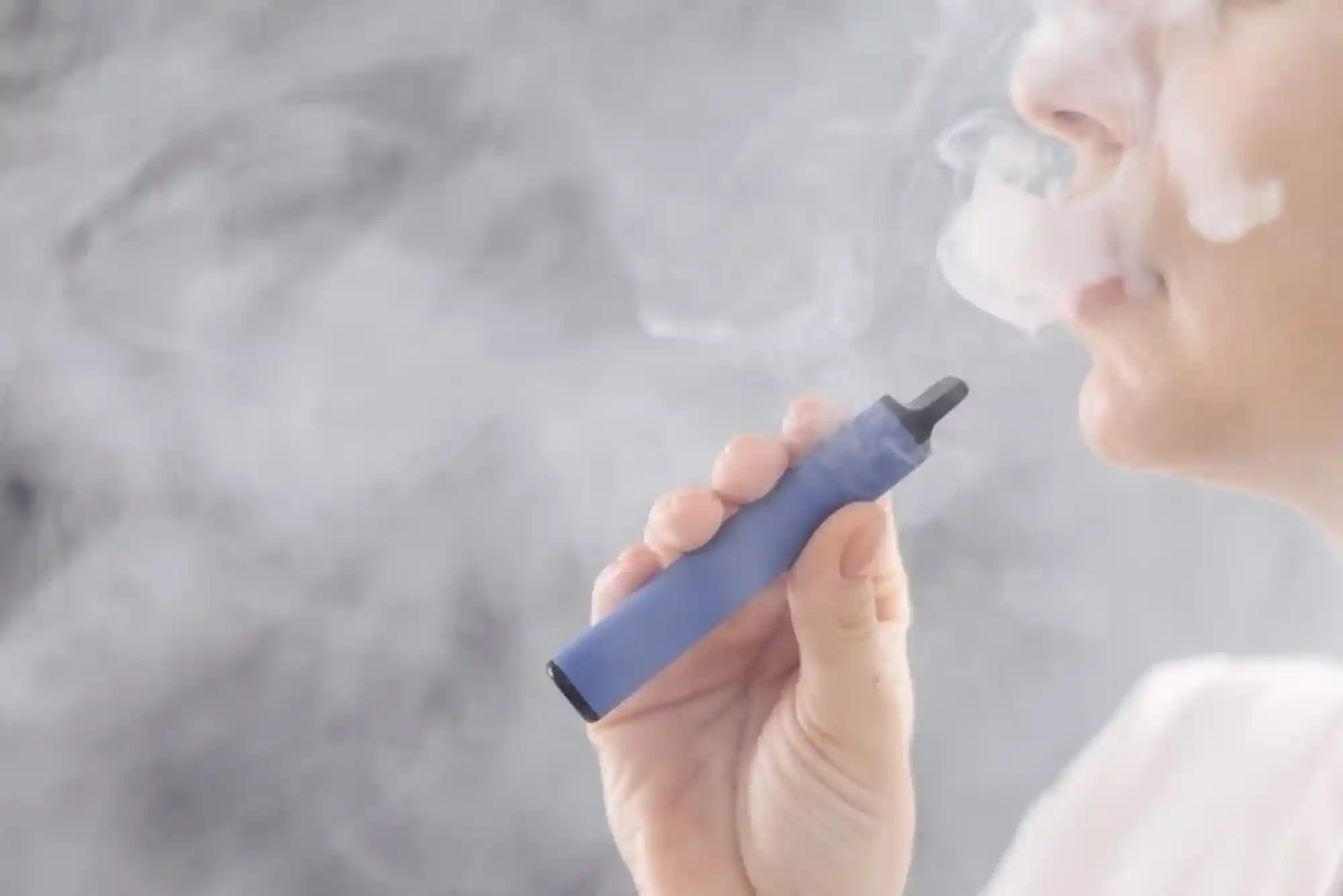
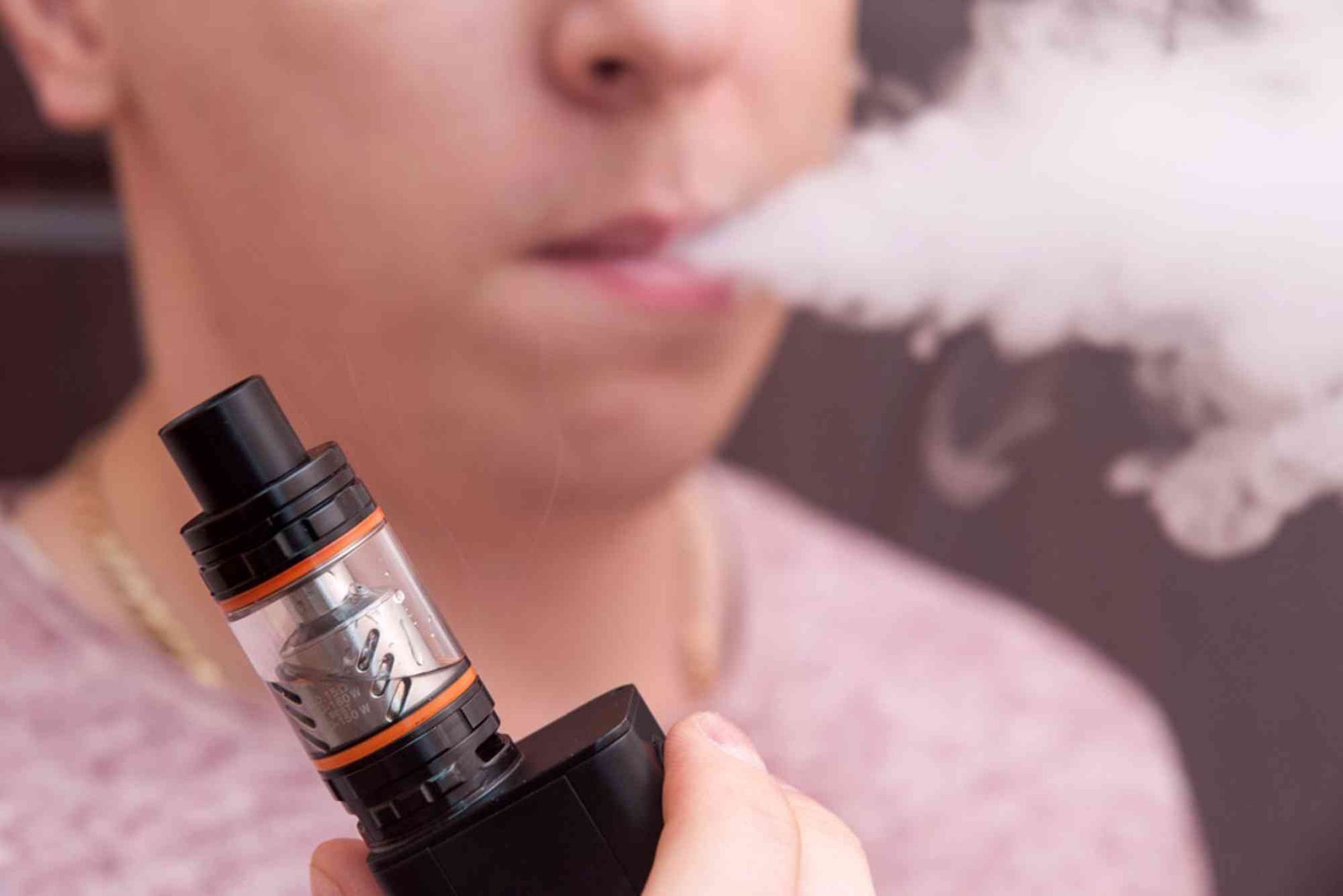
In recent years, vaping has become one of the most discussed public health topics, especially when it comes to teenagers. The sleek designs, fruity flavors, and perception that vaping is “safer than smoking” have attracted many young users. However, behind this trend lies a growing concern: how vaping impacts children and what governments are doing to regulate it. Laws on children and vaping have been introduced across different countries to address the health risks and rising popularity of e-cigarettes among minors.
Understanding these laws is not just important for policymakers but also for parents, educators, and health advocates. When we talk about children and vaping, the conversation extends far beyond age restrictions. It also involves health safety, marketing practices, and the social consequences of nicotine use in adolescence. This article takes a closer look at vaping safety concerns, the legal frameworks designed to protect children, and the ongoing challenges in enforcing these rules.
Why Vaping Among Children is a Growing Concern
The surge in vaping among young people is not accidental. Many e-cigarette companies have created products that appeal directly to a younger audience. Bright packaging, candy-like flavors, and social media promotion all play a role in shaping perceptions. Children often believe vaping is less harmful than smoking traditional cigarettes, and this belief drives experimentation.
Medical experts warn that nicotine exposure during adolescence can have long-lasting effects on brain development. Unlike adults, children and teenagers are more susceptible to nicotine addiction, which can interfere with concentration, memory, and emotional regulation. Additionally, studies suggest that teens who vape are more likely to transition to smoking traditional cigarettes later in life. These concerns highlight why laws on children and vaping have become central in public health discussions.
Laws on Children and Vaping: A Global Perspective
Minimum Age Restrictions
Most countries now prohibit the sale of e-cigarettes to anyone under a certain age, usually 18 or 21. These laws are designed to delay the age of initiation and limit easy access for children. Enforcement varies, but the principle remains the same: young people should not be able to buy vaping products freely. In many regions, retailers caught selling to minors face fines, license suspensions, or even closures.
Advertising and Marketing Controls
One of the most significant aspects of laws on children and vaping is the regulation of advertising. Governments have recognized that flashy ads and celebrity endorsements influence minors. As a result, many countries restrict or completely ban vaping advertisements, particularly on platforms popular with young people. Flavor bans have also been introduced in several areas, targeting products that taste like candy, fruit, or desserts, since these flavors disproportionately attract children.

Packaging and Labeling Requirements
Another area of regulation involves packaging. Laws often require warning labels about nicotine addiction and health risks. Child-resistant packaging has also been introduced to prevent accidental ingestion of liquid nicotine, which can be toxic even in small amounts. These steps aim to minimize risks and make vaping products less appealing and accessible to children.
The Role of Schools and Communities
Legal measures are only one part of the solution. Schools and communities also play a vital role in reducing vaping among minors. Many educational institutions now have policies banning vaping devices on school grounds. Beyond disciplinary actions, schools are introducing awareness campaigns to help students understand the health implications.
Community-based programs focus on prevention and support for families. Parents are encouraged to talk openly with their children about vaping and its risks. This proactive approach helps reduce curiosity and peer pressure. Laws on children and vaping are most effective when combined with education and parental involvement.
Vaping Safety Concerns: Beyond Nicotine
While much attention is given to nicotine, other safety concerns also make vaping a controversial subject. The liquids used in e-cigarettes often contain chemicals that, when heated, can produce harmful byproducts. Even nicotine-free products may include substances linked to respiratory irritation and lung damage.
The outbreak of vaping-related lung injuries reported in recent years raised alarm worldwide. Although some cases were linked to illegal or modified products, the incidents highlighted how little is still known about long-term vaping effects. For children and teens, whose bodies and lungs are still developing, these risks become even more significant.
Challenges in Enforcing Vaping Laws
Despite regulations, enforcement remains a constant struggle. Online sales make it easier for underage users to access vaping products, often bypassing age verification systems. Social networks and peer-to-peer sharing further complicate matters. Retailers may also fail to comply with restrictions, particularly in regions with limited resources for monitoring and enforcement.
Another challenge is the rapidly evolving nature of vaping products. New devices and flavors appear faster than regulations can adapt. This lag creates loopholes that companies exploit, continuing to attract young customers despite laws on children and vaping. Policymakers must constantly update regulations to keep pace with industry innovation.
Public Health Perspectives on Children and Vaping
Health authorities consistently warn against downplaying the risks of vaping among children. While e-cigarettes may be promoted as smoking cessation tools for adults, they present entirely different challenges when used by minors. Early nicotine addiction sets the stage for lifelong dependency and health struggles.
Furthermore, the normalization of vaping among teenagers risks reversing decades of progress in reducing tobacco use. When vaping is seen as a harmless social trend, it lowers the perceived risks of smoking overall. Public health experts argue that strong regulations combined with community awareness are crucial to protecting the younger generation.
The Future of Laws on Children and Vaping
Looking ahead, it is clear that laws on children and vaping will continue to evolve. Policymakers are considering stricter controls on flavors, stronger online sales regulations, and harsher penalties for retailers who break the law. Some countries are even debating total bans on vaping products for younger generations.
The ultimate goal is to strike a balance between offering harm-reduction tools for adult smokers and preventing new generations from becoming addicted to nicotine. Achieving this balance requires cooperation between governments, schools, parents, and healthcare providers.
Frequently Asked Questions
At what age is vaping legal?
In most countries, the legal age to purchase vaping products is either 18 or 21. These age restrictions are designed to prevent minors from accessing e-cigarettes.
Why are flavored vapes banned in some places?
Flavored vapes are often banned because they appeal strongly to children and teenagers. By removing flavors like candy or fruit, regulators aim to reduce underage use.
Can children get addicted to vaping?
Yes, children can become addicted quickly due to nicotine’s impact on the developing brain. Addiction can happen even with occasional use.
Are nicotine-free vapes safe for children?
Nicotine-free vapes are not considered safe for children. They still contain chemicals that may harm lung development and overall health.
How can parents prevent their children from vaping?
Parents can prevent vaping by having open conversations, setting clear expectations, and staying informed about the risks. Schools and community programs also provide valuable support.
Vaping has introduced new challenges to public health, especially concerning young people. Laws on children and vaping seek to protect minors from the dangers of nicotine addiction and chemical exposure. From age restrictions and advertising bans to packaging requirements, these regulations represent society’s attempt to safeguard future generations.