
Introduction
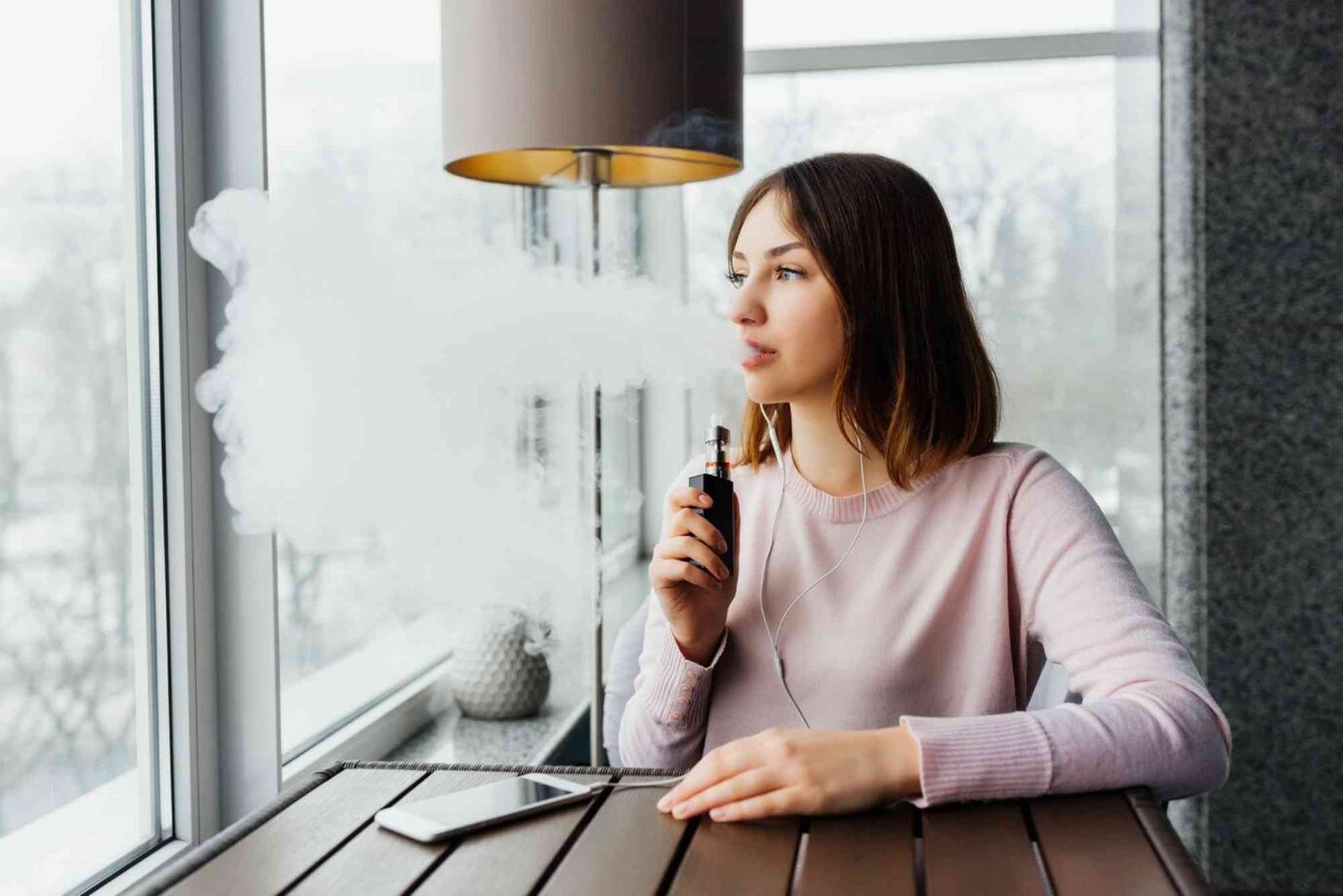
In recent years, vaping has become a widespread alternative to traditional smoking. Marketed as a safer option for adults, e-cigarettes are now a common sight in homes, social gatherings, and public spaces. Yet, an important question has emerged among parents and caregivers: is vaping around children illegal?
While the legal aspects may vary depending on location, the health and ethical concerns remain universal. Parents, guardians, and even teachers often wonder if exposing children to vapor carries risks comparable to secondhand smoke. More importantly, does the law provide any protection for children in these scenarios?
This article takes a closer look at vaping regulations, the health effects of secondhand vapor, and the ongoing debate over safety and legality. By the end, you will have a clearer understanding of whether vaping around children is legally restricted and why health experts strongly caution against it.
Understanding Vaping and Its Growing Popularity
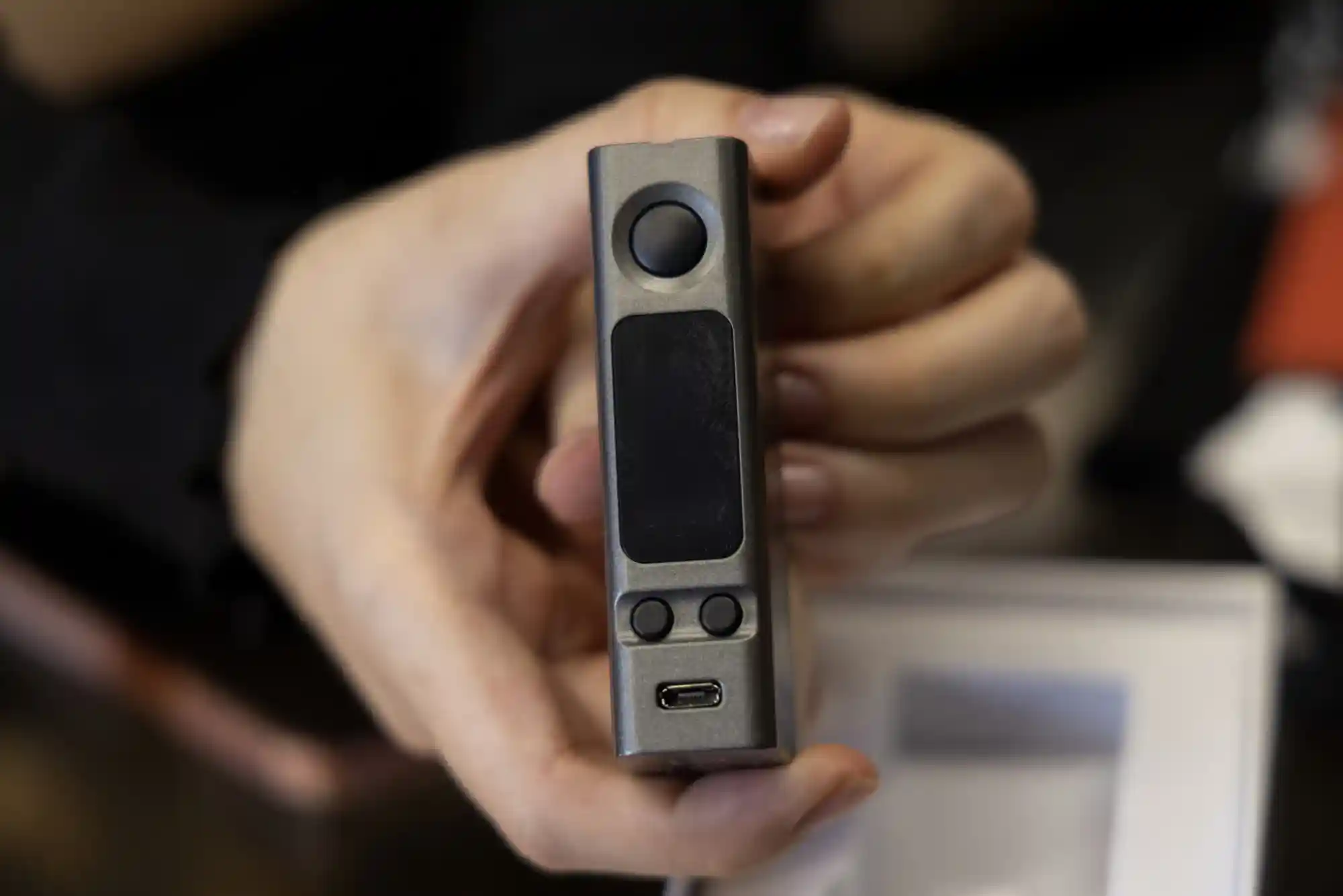
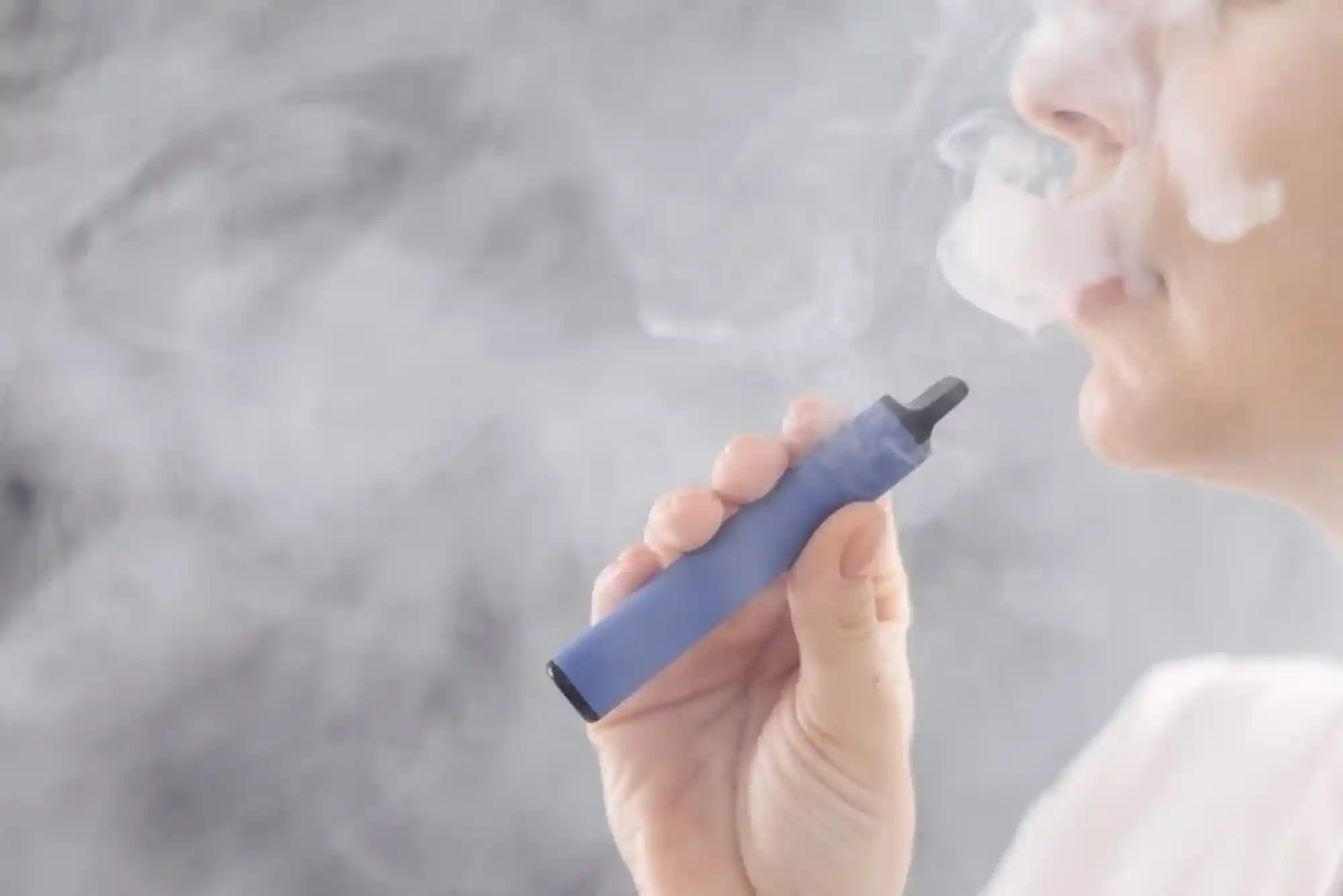
Before diving into the legal side, it’s important to understand what vaping is and why it has gained popularity. Vaping devices, commonly called e-cigarettes or vapes, heat a liquid that usually contains nicotine, flavorings, and other chemicals. The resulting aerosol is inhaled by the user, mimicking smoking without the same combustion process as tobacco.
Advocates argue that vaping is less harmful than smoking cigarettes and can help smokers quit. However, this focus on adult benefits often overshadows the potential harm when children are nearby. While vaping may be considered safer for adults than smoking, safety is relative, and children remain particularly vulnerable to environmental exposures.
Is Vaping Around Children Illegal?
The straightforward answer is: it depends on where you are. Laws regulating vaping vary widely between countries, states, and even local municipalities. In many regions, there are no blanket laws making it outright illegal to vape near children in private homes. However, restrictions do exist in specific public spaces, vehicles, and childcare settings.

Vaping in Cars With Children Present
In some areas, laws specifically prohibit vaping or smoking in a car when a child is inside. Legislators view enclosed spaces as high-risk environments where secondhand exposure becomes more concentrated. Even if windows are open, children may still inhale harmful chemicals. As a result, some states and countries have made it illegal to vape in vehicles with minors.
Vaping in Public Areas and Schools
Most jurisdictions extend smoking bans to vaping, especially in schools, playgrounds, or childcare facilities. These laws aim to protect children not only from exposure but also from normalizing vaping as acceptable behavior. Whether or not it’s labeled explicitly as “illegal,” the restrictions in these places effectively make vaping around children off-limits.
Private Homes and Parental Responsibility
In private homes, the legality of vaping around children becomes more complex. Few laws intervene in what adults do inside their own property. However, child welfare agencies could consider consistent exposure to secondhand vapor as neglect or endangerment if it results in harm. Legal consequences may not be immediate, but parents could still face scrutiny if a child’s health is at risk.
The Health Concerns of Vaping Near Children
Even if the law does not always forbid it, health experts widely discourage vaping around kids. The vapor from e-cigarettes contains nicotine, heavy metals, volatile organic compounds, and ultrafine particles that can enter the lungs.
Children, with their developing lungs and smaller bodies, are more vulnerable to these exposures. Inhaling even trace amounts of nicotine can impact brain development. Prolonged exposure to secondhand vapor may contribute to respiratory issues, increased risk of asthma, and other health complications.
Beyond physical health, there is also the behavioral concern. Seeing adults vape can normalize the activity, increasing the likelihood that teenagers may experiment with vaping themselves. Research has shown that children who are exposed to vaping are more likely to view it as harmless, which raises the risk of them adopting the habit in adolescence.
Why Laws Differ Across Regions
The question of is vaping around children illegal becomes complicated because governments approach vaping differently. Some focus on vaping as a harm-reduction tool for adults and hesitate to impose strict regulations. Others take a child-centered approach, treating vaping as a potential gateway to nicotine addiction and therefore enacting tighter restrictions.
Public health campaigns also play a role. Countries that heavily invest in anti-tobacco messaging tend to adopt stricter vaping rules, particularly when it comes to protecting children. Cultural attitudes toward smoking and vaping also influence whether laws exist, are enforced, or are even seen as necessary.
Ethical Considerations Beyond the Law
Legality is only part of the discussion. Even if vaping around children is not explicitly illegal in a given place, ethical responsibility should guide adult behavior. Parents and caregivers are entrusted with protecting children from harm. Knowing that secondhand vapor may cause health issues, many argue that adults have a moral duty to avoid vaping in their presence.
This responsibility extends to role modeling. Children learn behaviors by observing adults. Choosing not to vape around them sends a strong message that their health and well-being come first. In contrast, vaping near children—even if legally permissible—risks normalizing a habit that could harm them later in life.
How Parents and Caregivers Can Protect Children
Parents who vape may feel caught between managing their own habits and ensuring a safe environment for their children. The best approach is to establish clear boundaries. This might mean vaping only outdoors, ensuring that indoor spaces remain completely smoke- and vapor-free.
Another protective measure is honest communication. As children grow older, parents can explain why vaping is not safe for them and why adults are cautious about exposing them to it. This both safeguards children physically and reduces curiosity-driven experimentation later.
FAQs About Vaping Around Children
Is vaping in the same room as a child illegal?
In most private settings, it is not explicitly illegal. However, in public places such as schools or childcare centers, vaping near children is usually prohibited.
Can secondhand vapor harm children?
Yes. Research indicates that secondhand vapor exposes children to nicotine and other harmful chemicals, which can affect brain development and lung health.
Are there laws against vaping in cars with kids?
In several countries and states, it is illegal to vape or smoke in a vehicle if children are present, due to the confined exposure risk.
Is vaping safer than smoking around children?
While vaping produces fewer toxins than cigarette smoke, it is not harmless. Experts agree that no level of exposure is completely safe for children.
What should parents do if they vape?
The best approach is to avoid vaping indoors and especially around children. Creating a vapor-free home environment is strongly recommended.
So, is vaping around children illegal? The answer depends on where you live. In some regions, laws restrict vaping in cars, schools, or public areas where children are present. In others, it remains a matter of personal responsibility within private homes.
However, legality is not the only concern. Secondhand vapor contains chemicals that can harm children’s developing lungs and brains. Beyond the health risks, adults also serve as role models, and vaping in front of kids may normalize the behavior.