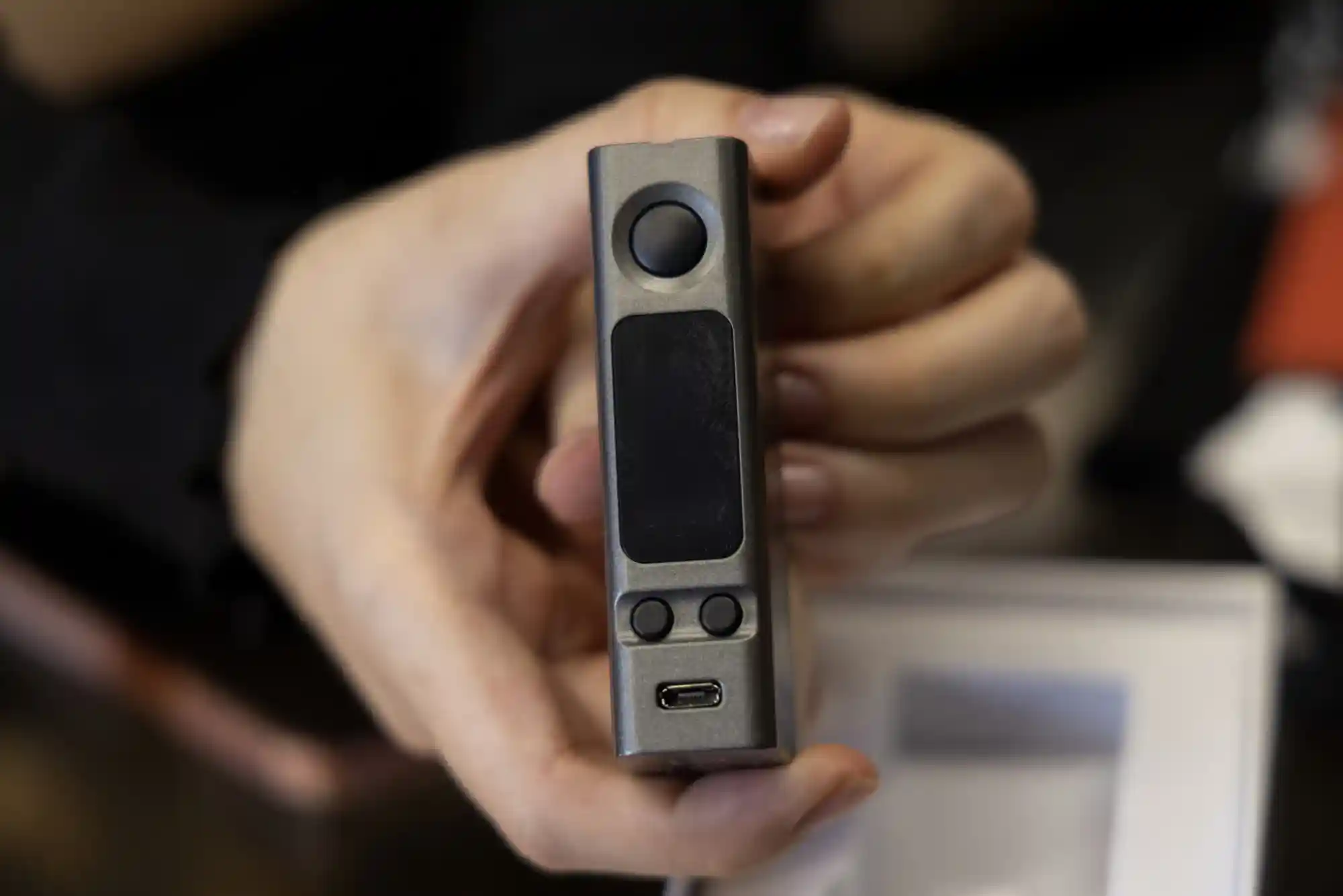
Vaping Illegal in What Countries: A Closer Look at Vaping Safety Concerns
Vaping has become a global trend, often promoted as a less harmful alternative to smoking. Millions of people around the world have shifted from cigarettes to electronic vaping devices, believing them to be a healthier choice. However, the rapid growth of this industry has raised questions about safety, health effects, and regulations. If you are asking vaping illegal in what countries, the answer is not straightforward, as laws vary widely. Some countries fully ban vaping products, while others regulate them under strict guidelines. Understanding where vaping is illegal, and why, provides valuable insight into the broader debate surrounding health and safety.
Why Countries Ban or Restrict Vaping
Vaping products are relatively new compared to traditional tobacco. Governments face uncertainty about their long-term health impacts. Several concerns push countries toward bans or restrictions.
Health and Safety Concerns
The lack of long-term studies makes vaping controversial. Critics argue that e-cigarettes may still harm the lungs and cardiovascular system, even if less than traditional smoking. Reports of vaping-related illnesses have fueled public fear.
Youth Addiction Risks
Flavored e-liquids attract young people, leading to a surge in teen vaping in many countries. Health officials worry this creates a new generation addicted to nicotine. To protect youth, several governments restrict or ban vaping products altogether.
Regulatory Challenges
Unlike cigarettes, e-cigarettes vary in design and ingredients. Some contain untested or harmful chemicals. With limited oversight, governments struggle to ensure product safety, often resorting to bans as a precaution.
Vaping Illegal in What Countries: A Global Overview
When asking vaping illegal in what countries, it is important to note that bans are often based on cultural values, health strategies, and economic interests. Below is a closer look at different regions.

Asia and the Middle East
Asia has some of the strictest anti-vaping laws. Countries such as Thailand, Singapore, and India have implemented complete bans on the sale, import, and even personal use of e-cigarettes. In Singapore, possessing or using a vape can lead to heavy fines. Thailand imposes severe penalties, including jail time, for tourists caught with vaping devices.
India banned e-cigarettes in 2019, citing youth addiction risks and the lack of health studies. The law prohibits manufacturing, sale, and import, though enforcement varies across states. Other Middle Eastern nations like Qatar, Oman, and Kuwait have similar bans due to public health and religious considerations.
Europe
Europe is more divided on vaping. The European Union (EU) regulates e-cigarettes under the Tobacco Products Directive, limiting nicotine levels and advertising. While outright bans are rare, some countries take a stricter approach. For instance, Turkey prohibits the import of vaping products but allows personal use if devices are purchased abroad. Norway bans the sale of nicotine-containing e-liquids, though products can be imported for personal use with a prescription.
Africa
In Africa, vaping regulations are developing. Ethiopia and Uganda have strict bans, aligning with anti-tobacco measures. South Africa, on the other hand, regulates vaping like cigarettes, restricting advertising and imposing taxes. Many African nations follow guidance from the World Health Organization, which urges caution regarding vaping’s health effects.
The Americas
In North America, vaping is legal but regulated. The United States allows vaping products but has imposed flavor bans in several states due to teen addiction concerns. Canada regulates nicotine levels and restricts advertising but does not ban vaping entirely.
In Latin America, however, stricter measures exist. Brazil, Mexico, and Argentina have banned the sale and marketing of e-cigarettes. Authorities in these countries argue that vaping poses unknown health risks and may undermine decades of anti-smoking progress.
Oceania
Australia has one of the toughest stances on vaping. Nicotine-containing e-liquids are illegal without a doctor’s prescription, and importation rules are strictly enforced. Neighboring New Zealand has a more open policy, promoting vaping as a harm-reduction tool for smokers but with strict quality controls.
How Vaping Bans Affect Travelers
For travelers, knowing where vaping is illegal is critical. Tourists have been fined or even jailed for carrying vaping devices in countries with strict bans. For example, in Thailand, multiple visitors have faced legal trouble for vaping in public. In Singapore, simply possessing an e-cigarette can result in penalties of up to several thousand dollars.
Before traveling, checking the latest vaping regulations in your destination is essential. What is legal in one country may be a serious offense in another.
Vaping Safety Concerns Driving Regulations
Beyond legality, safety concerns continue to shape the global debate.
Unknown Long-Term Health Effects
Research suggests vaping is less harmful than smoking, but “less harmful” does not mean safe. Inhalation of vaporized chemicals over decades remains unstudied. Governments that ban vaping argue they cannot risk another public health crisis like tobacco.
Nicotine Addiction and Brain Development
Health experts emphasize that nicotine harms adolescent brain development. With flavored e-liquids popular among teens, regulators fear vaping could reverse progress made against smoking in younger populations.
Chemical and Device Safety
Not all vaping products are made equally. Some contain dangerous additives like vitamin E acetate, linked to lung injury. Poorly manufactured devices may also explode or malfunction, adding to safety concerns.
Impact on Smoking Cessation
Supporters argue vaping helps smokers quit, offering a safer alternative. However, opponents say dual use (smoking and vaping together) reduces the potential health benefits. The mixed evidence fuels government caution.
Balancing Harm Reduction and Public Safety
Countries face a dilemma. Should vaping be embraced as a harm-reduction tool for smokers, or banned to protect youth and prevent future health crises? The World Health Organization encourages strict regulation but stops short of recommending universal bans. As evidence grows, policies may shift.
Some nations, like the UK and New Zealand, view vaping as part of a smoke-free future. Others, like Singapore and India, see it as a threat that outweighs potential benefits. This divide shows that the global vaping debate is far from settled.
Staying Informed on Vaping Laws and Safety
When considering vaping illegal in what countries, it is clear the global landscape is complex. While some governments see vaping as a harm-reduction tool, others view it as a health threat that must be controlled or banned. For individuals, understanding these laws is not just a matter of compliance but also safety. Travelers must be especially careful, as rules differ dramatically between regions.
As research continues, laws will likely evolve. Whether vaping becomes widely accepted or further restricted depends on future evidence about its long-term health effects. For now, the best approach is to stay informed, make safe choices, and respect local laws wherever you go. If you are a vaper or considering switching from smoking, research the laws in your country and travel destinations before using your device. Staying informed about where vaping is legal or banned can help you avoid legal troubles and make healthier choices.
FAQs
Is vaping illegal everywhere?
No, vaping is not illegal everywhere. Laws vary by country. Some nations ban sales and use, while others regulate products strictly.
Can I bring my vape on a plane to countries with bans?
It is strongly advised not to. In countries like Thailand and Singapore, even possessing a vape is illegal, risking fines or jail.
Why is vaping banned in some countries?
Bans are usually linked to youth protection, health risks, and regulatory challenges. Governments prefer a cautious approach until more research is available.
Is vaping safer than smoking?
Studies suggest vaping is less harmful than smoking, but it is not risk-free. The long-term effects are still unknown.
Which countries are the strictest about vaping?
Singapore, Thailand, India, Brazil, and Australia have some of the toughest anti-vaping laws in the world.
Can I vape in Europe?
Yes, vaping is generally legal in Europe, but subject to strict regulations on nicotine strength, packaging, and advertising.