New Tobacco Laws and Vapeing Laws: A Closer Look at Vaping Safety Concerns
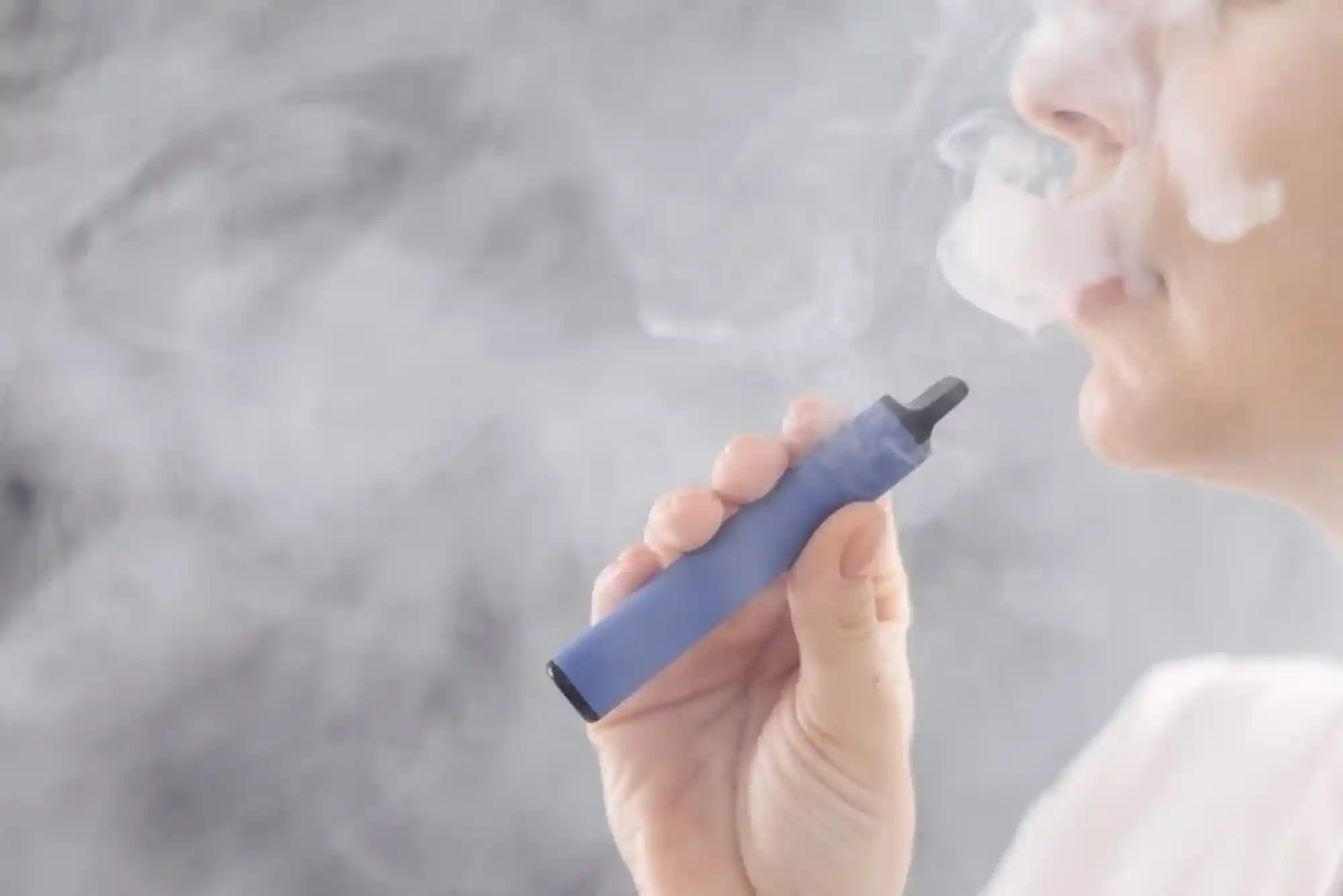
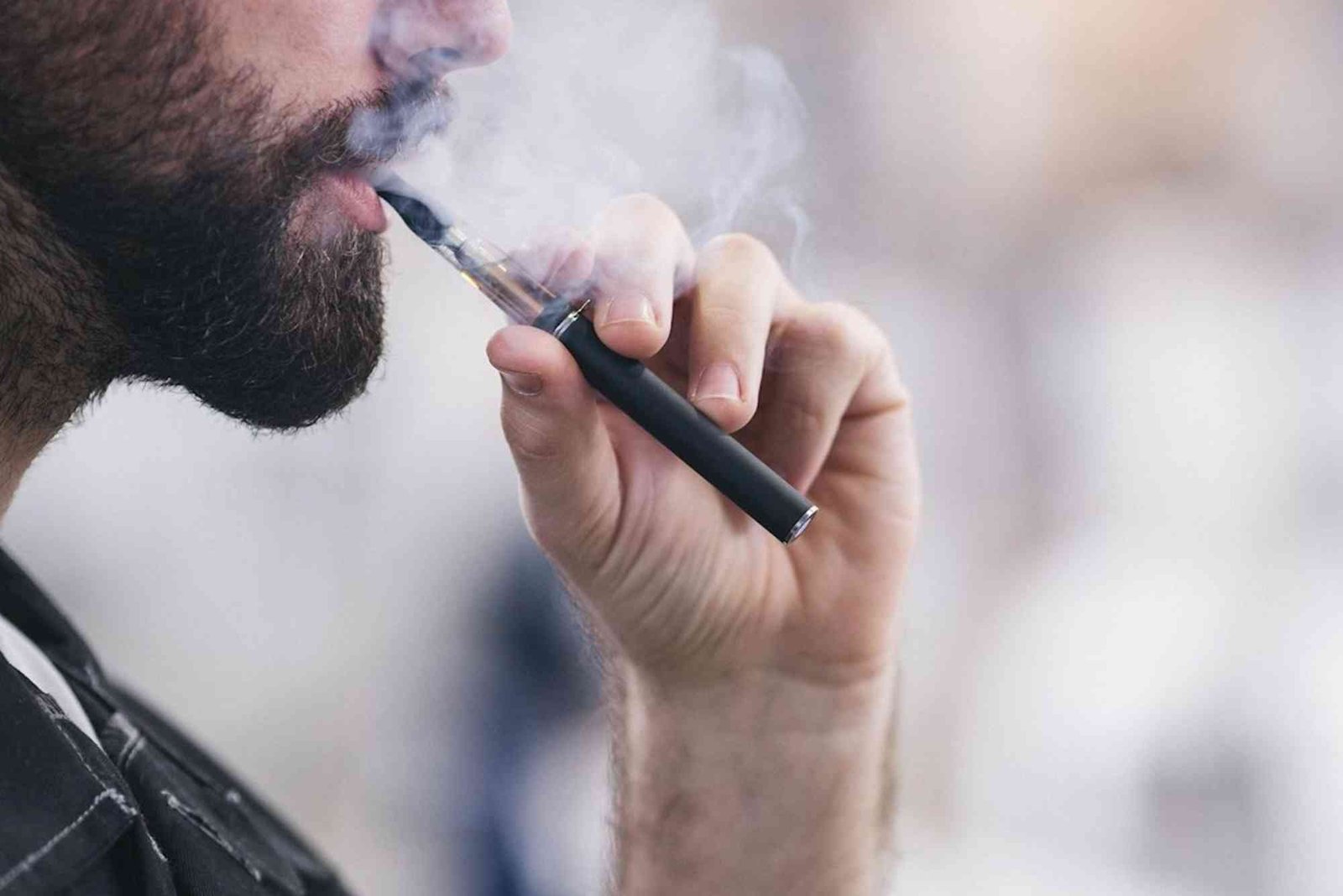
Vaping has quickly transformed from a niche alternative to smoking into a global public health debate. Governments worldwide are introducing new tobacco laws and vaping laws to address growing safety concerns. As research uncovers more about vaping’s potential risks and societal impact, lawmakers are reshaping regulations to protect public health without ignoring the needs of adult smokers seeking harm reduction options. Understanding these changes is crucial for consumers, retailers, and policymakers alike.
Why New Tobacco Laws and Vaping Laws Are Emerging
The last decade has seen a surge in e-cigarette and vape use, especially among younger demographics. While vaping is often marketed as a safer alternative to smoking, emerging research has raised questions about long-term health effects, nicotine addiction, and the role of flavored products in attracting youth.
Governments are responding by tightening restrictions. These changes aim to strike a balance between harm reduction for adults and protection for minors. New tobacco laws and vaping laws now often include stricter sales regulations, advertising bans, and packaging requirements. They also aim to address environmental concerns from disposable vape waste.
Core Elements of New Tobacco and Vaping Laws
Age Restrictions and ID Verification
Many countries have raised the legal age for purchasing tobacco and vaping products to 21. Retailers must now verify age through government-issued identification. These measures aim to curb underage access, a pressing concern given the popularity of flavored disposable vapes among teenagers.
Flavor Bans
Flavored e-liquids and disposable vapes have been at the center of regulatory debate. Lawmakers argue that flavors like candy, fruit, and dessert entice young users who might not otherwise start vaping. Several jurisdictions have implemented partial or complete flavor bans, leaving only tobacco or menthol options available for sale.
Nicotine Limits
To reduce addiction risks, some regions have set maximum nicotine strengths for e-liquids. In the European Union, for example, the Tobacco Products Directive limits nicotine concentration to 20 mg/ml. Similar caps are appearing in other markets to discourage excessive nicotine intake.

Packaging and Health Warnings
New packaging requirements now mirror traditional cigarette warnings. Labels must clearly display nicotine content and carry bold health warnings. Child-resistant packaging is also mandatory in many regions to prevent accidental ingestion.
Advertising and Sponsorship Restrictions
New tobacco laws and vaping laws often impose strict rules on marketing. Social media promotions, influencer partnerships, and event sponsorships are increasingly restricted or banned entirely. These changes aim to prevent glamorizing vaping and reaching underage audiences.
Vaping Safety Concerns Driving Legal Changes
Nicotine Addiction Risks
Nicotine remains a highly addictive substance regardless of delivery method. While vaping may expose users to fewer harmful chemicals than smoking, it still creates dependence. Young users are particularly vulnerable, with addiction potentially affecting brain development and cognitive function.
Unknown Long-Term Health Effects
Vaping is relatively new compared to smoking, and its long-term health effects remain unclear. Early studies have linked vaping to lung irritation, cardiovascular stress, and potential immune system effects. This uncertainty fuels regulatory caution.
Impact on Youth Behavior
Public health agencies worry that vaping could normalize nicotine use and act as a gateway to smoking. Although evidence on this is mixed, rising youth vaping rates have made it a focal point in the debate.
Quality Control and Product Safety
The rapid growth of the vaping market has brought a flood of unregulated or counterfeit products. Poor manufacturing practices can result in contaminated e-liquids, unsafe battery designs, and inconsistent nicotine levels. Stricter manufacturing standards are now part of many regulatory frameworks.
Environmental Concerns
Disposable vapes contribute to plastic waste and contain hazardous components like lithium batteries. New laws increasingly target environmental impacts through recycling mandates and bans on single-use devices.
How New Laws Affect Consumers and Businesses
For consumers, these laws may mean fewer flavor options, higher prices, and more limited access to certain products. However, they also bring greater safety assurances, clearer labeling, and protection from potentially unsafe imports.
For businesses, compliance means adjusting supply chains, redesigning packaging, and rethinking marketing strategies. While this can increase operational costs, it also helps legitimate sellers stand apart from black-market competitors.
International Examples of Vaping Regulation
United Kingdom
The UK promotes vaping as a harm reduction tool for adult smokers but maintains strict rules on nicotine limits, packaging, and advertising. Public Health England supports vaping for smoking cessation while enforcing strong youth protection measures.
United States
US regulations vary by state, but federal laws include a minimum purchase age of 21, FDA product approval requirements, and restrictions on flavored cartridges. The debate continues over disposable vape bans and menthol regulation.
Australia
Australia treats nicotine vaping products as prescription-only, requiring medical authorization for purchase. This approach heavily restricts consumer access but aims to prevent youth uptake.
European Union
The EU’s Tobacco Products Directive sets nicotine limits, mandates health warnings, and regulates cross-border sales. Some member states have gone further with complete flavor bans or higher taxes.
Future Trends in Tobacco and Vaping Laws
As scientific evidence evolves, so will regulation. We may see:
- More environmental restrictions on disposable vapes
- Greater oversight of online sales and imports
- Stricter penalties for retailers selling to minors
- Expanded public education campaigns on vaping risks
Global cooperation may also increase, with countries sharing best practices and aligning laws to prevent cross-border loopholes.
Navigating the Changing Landscape
New Tobacco Laws and Vapeing Laws reflect an evolving understanding of vaping’s role in society. While they may limit certain freedoms for consumers and businesses, these measures are designed to protect public health, especially for young people. By staying informed and compliant, both consumers and retailers can navigate these changes responsibly.
For those seeking to quit smoking or vaping, resources from healthcare providers, quitlines, and support groups remain essential. Whether you view vaping as a harm reduction tool or a public health risk, understanding the law is the first step to making informed choices.
FAQs
What are the main changes in new tobacco and vaping laws?
They include higher age limits, flavor bans, nicotine caps, stricter packaging rules, and tighter advertising restrictions.
Are flavored vapes banned everywhere?
No, flavor bans vary by country and region. Some only ban certain flavors, while others allow tobacco and menthol.
Why are disposable vapes being targeted by new laws?
They contribute to environmental waste and are often linked to youth vaping due to low cost and appealing flavors.
Do vaping laws make vaping safer?
Regulations can improve product quality, labeling, and age controls, reducing some risks, but nicotine addiction remains a concern.
Can vaping help smokers quit?
Research suggests vaping can aid smoking cessation for some adults, but it should be approached with awareness of nicotine dependence risks.