New Vape Laws Michigan: A Closer Look at Vaping Safety Concerns
Vaping has become increasingly popular across the United States, and Michigan is no exception. However, as vaping devices and products evolve, so does the need for updated regulations to protect consumers, especially young people, from potential health risks. The new vape laws Michigan has enacted aim to address safety concerns while balancing the interests of businesses and users.
In this article, we’ll take a closer look at these new regulations, explore why they matter, and discuss their impact on public health and safety. Whether you’re a vaper, retailer, or simply interested in public health, understanding Michigan’s vaping laws is essential.
Understanding the New Vape Laws Michigan Has Introduced
Michigan has updated its vape laws recently to better regulate the sale, marketing, and usage of vaping products. These laws reflect growing evidence around the health risks associated with vaping and aim to create a safer environment for consumers.
Raising the Legal Age for Vape Purchases
One of the key changes is the increase in the minimum age for purchasing vaping products. Michigan aligns with the federal Tobacco 21 law, setting the age limit at 21 years. This change helps reduce youth access to vaping products, which studies have linked to increased chances of nicotine addiction.
Restrictions on Flavored Vape Products
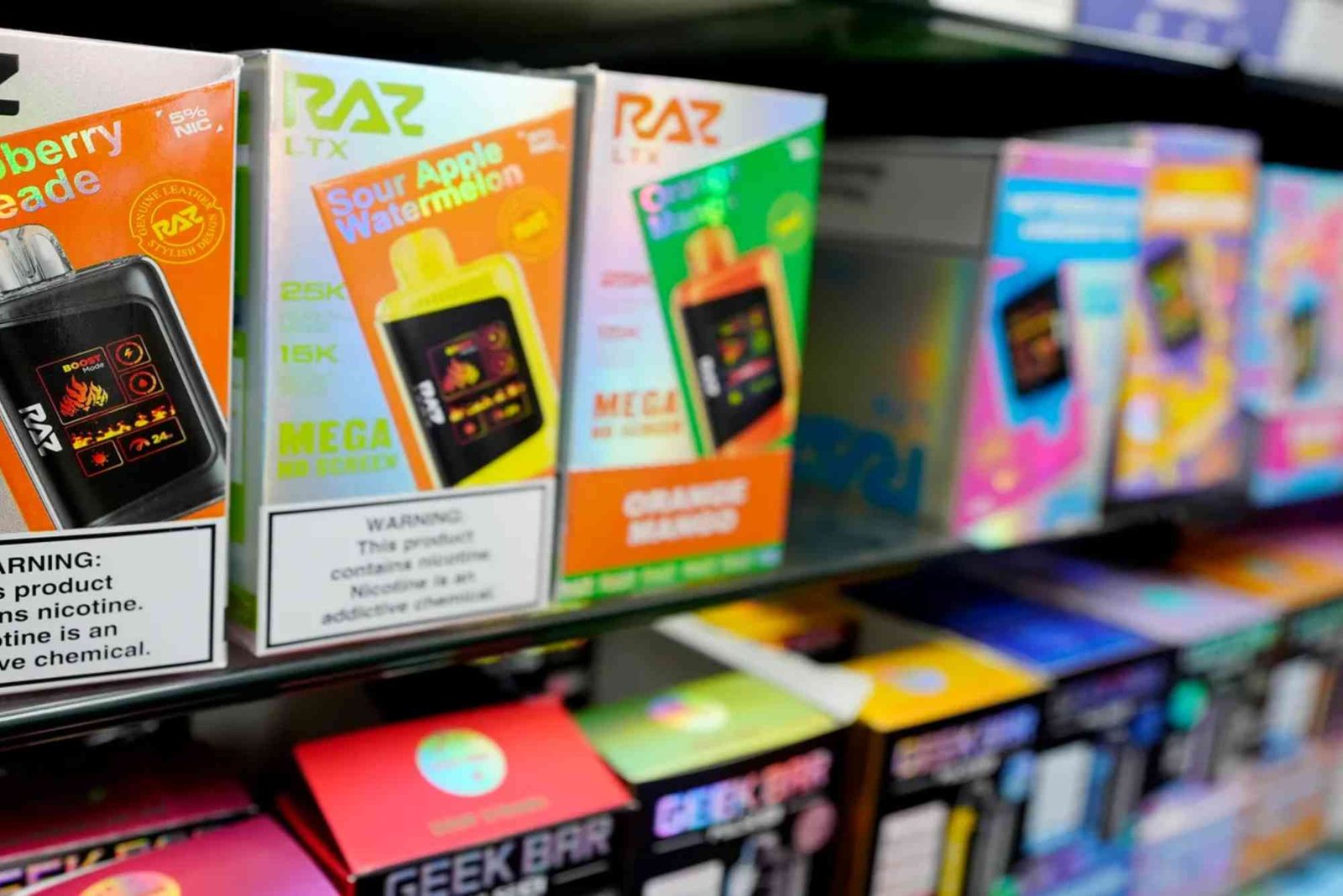
Michigan has also targeted flavored vape products, which are especially appealing to younger users. Certain flavors like candy, fruit, or mint have faced stricter regulations or outright bans. These measures are designed to curb youth vaping, as flavors have been shown to be a significant factor in attracting minors.
Licensing and Retailer Compliance
Retailers in Michigan now face more stringent licensing requirements. Vape shops must obtain a license to sell vaping products, and compliance checks have increased. This ensures that sales are not made to underage customers and that products meet safety standards.

Why Are These New Vape Laws Important?
The primary goal behind Michigan’s new vape laws is to enhance public health and safety by addressing growing concerns around vaping.
Protecting Youth from Nicotine Addiction
Nicotine is highly addictive, and vaping devices deliver it in a concentrated form. Teenagers and young adults are particularly vulnerable to nicotine addiction, which can lead to long-term health problems. By raising the legal age and restricting flavors, Michigan aims to reduce youth exposure.
Addressing Health Risks Linked to Vaping
Although often marketed as a safer alternative to smoking, vaping carries risks. Studies have linked vaping to lung irritation, respiratory issues, and in some cases, severe lung injury. The new laws encourage safer manufacturing and marketing practices to reduce these risks.
Encouraging Responsible Business Practices
With licensing and compliance requirements, Michigan promotes accountability among retailers. These laws prevent illegal sales, such as those to minors, and ensure that consumers receive products that meet safety standards.
How Michigan’s Vape Laws Impact Consumers and Retailers
The new laws affect both consumers who use vaping products and businesses involved in their sale.
For Consumers: Safer Access and More Awareness
Consumers can expect better regulation of products on the market, including limits on harmful additives and flavors targeted at youth. These laws also promote awareness about vaping risks through labeling and marketing restrictions.
For Retailers: Compliance and Responsibility
Retailers must adapt to stricter licensing requirements and be diligent about age verification. Non-compliance can lead to fines or loss of license. While this may increase operational challenges, it also helps build consumer trust.
What Does the Future Hold for Vaping Regulations in Michigan?
Vaping laws continue to evolve as new research emerges and public health priorities shift. Michigan lawmakers may further tighten restrictions or introduce new safety measures to keep pace with trends and concerns.
Possible Expansion of Flavor Bans
Given ongoing concerns about youth vaping, flavor bans may expand to cover more products or packaging designs that appeal to minors.
Enhanced Public Education Campaigns
Efforts to educate the public about the risks of vaping are likely to increase. This can include school programs, public service announcements, and clearer product labeling.
Monitoring and Enforcement
Regulatory agencies will likely increase enforcement actions against illegal sales and unsafe products. Consumers and retailers should stay informed about compliance requirements.
FAQs
Q: What is the minimum age to buy vaping products in Michigan?
A: The minimum age is 21, consistent with federal Tobacco 21 laws.
Q: Are flavored vaping products banned in Michigan?
A: Certain flavored vape products, especially those appealing to youth, are restricted or banned.
Q: Do all vape retailers need a license in Michigan?
A: Yes, retailers must obtain a license to legally sell vaping products.
Q: Can I vape in public places in Michigan?
A: Vaping is subject to restrictions similar to smoking and is often prohibited in enclosed public spaces.
Q: How are Michigan authorities enforcing these vape laws?
A: Through retailer compliance checks, licensing enforcement, and penalties for violations.
The new vape laws Michigan has enacted reflect a growing commitment to public health and safety. By raising the legal purchase age, restricting flavors, and enforcing retailer compliance, these laws aim to reduce risks associated with vaping—especially for young people.