A Closer Look at Vaping Safety Concerns
Vaping marijuana has surged in popularity, especially among those seeking discreet consumption. However, marijuana vape laws and safety regulations vary widely across regions, creating confusion for users. While vaping is often seen as a cleaner alternative to smoking, growing concerns about health risks and legal compliance cannot be ignored. This article examines the laws, explores safety concerns, and provides practical tips for responsible use.
Understanding Marijuana Vape Laws
The legal status of marijuana vaping depends heavily on where you live. Some jurisdictions allow recreational use, others permit it only for medical purposes, and many still ban it altogether. The complexity increases with regulations around vaping devices, THC content, and public consumption.
Recreational vs. Medical Legalization
In states or countries where marijuana is fully legalized, vaping may be permitted under strict guidelines. Medical marijuana programs typically require patients to have a prescription, and approved vape products must meet safety standards.
Age Restrictions and Purchase Limits
Most regions enforce age restrictions, usually 18 or 21. Purchase limits may also apply, often measured in grams of marijuana or milligrams of THC. These rules aim to prevent underage use and overconsumption.
Public Use and Transport Rules
Even where marijuana vaping is legal, public consumption is often prohibited. Transporting vape devices or cartridges across state or national borders can lead to severe penalties, even if both locations allow marijuana use.
Safety Concerns Linked to Marijuana Vaping
While vaping reduces exposure to some harmful toxins compared to smoking, it is not risk-free. Health professionals and researchers have identified multiple safety issues.

Chemical Contaminants in Vape Cartridges
Low-quality or unregulated vape cartridges may contain harmful substances such as heavy metals, pesticides, or synthetic additives. These contaminants can cause lung damage or other health problems.
Vitamin E Acetate and Lung Injuries
A 2019 outbreak of vaping-related lung injury in the United States was linked to vitamin E acetate in illicit THC vape products. This additive, while safe for topical use, is harmful when inhaled.
Long-Term Health Effects
Research on the long-term effects of vaping marijuana is still evolving. Early studies suggest potential risks to lung health, cardiovascular function, and mental well-being.
How to Vape Marijuana Safely
If you choose to vape marijuana, following safety guidelines can reduce your risk.
Purchase from Licensed Retailers
Only buy products from licensed dispensaries or authorized sellers. These products undergo quality testing to ensure they meet safety standards.
Avoid Black-Market Products
Illicit vape cartridges may be cheaper but are far more likely to contain dangerous additives. Stick to trusted brands with transparent lab reports.
Maintain Your Device Properly
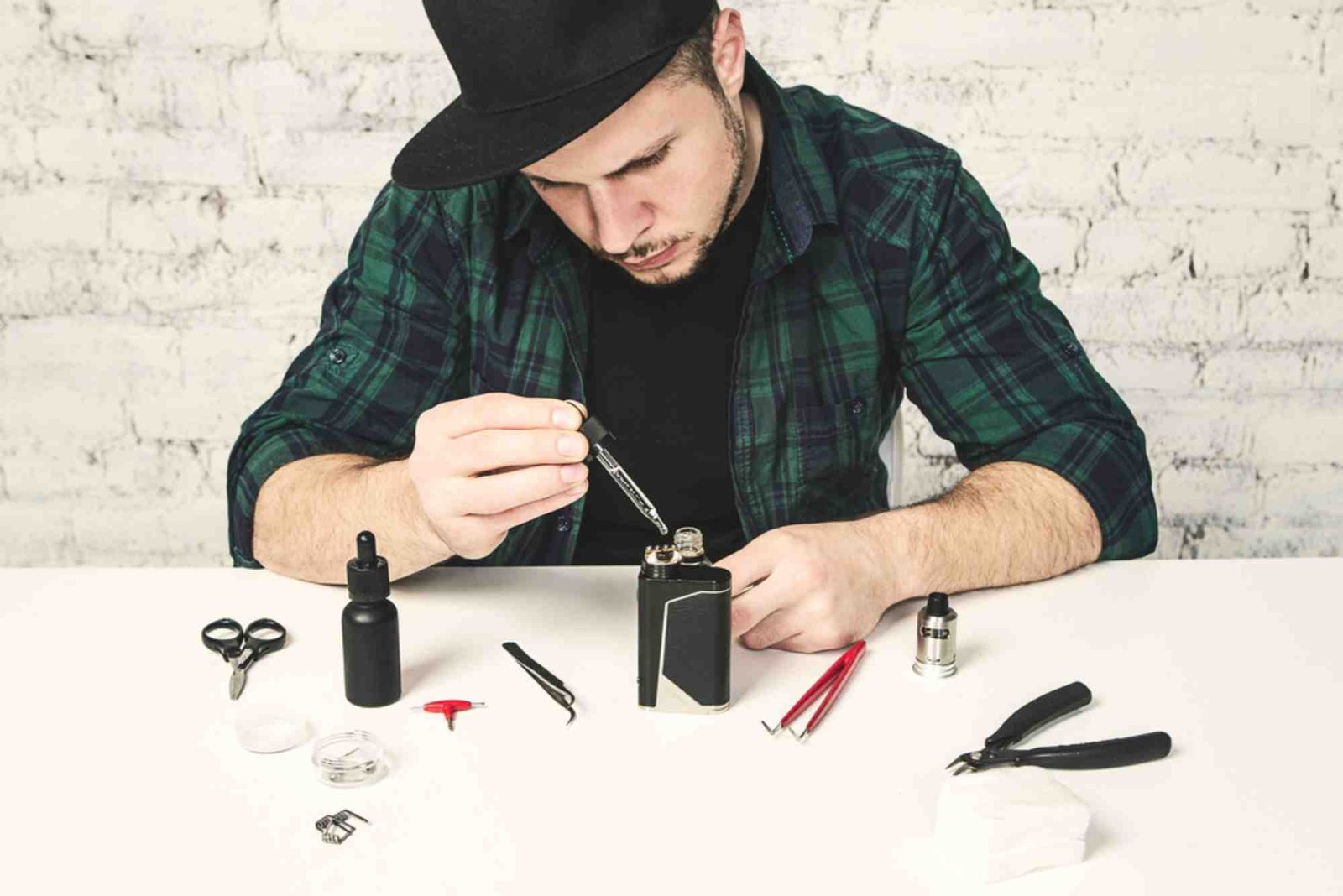
Clean your vape pen regularly and replace cartridges before they degrade. This helps prevent buildup of harmful residues.
Start with Low THC Concentrations
Especially for beginners, lower THC levels can help you avoid unpleasant side effects such as anxiety, paranoia, or dizziness.
Global Overview of Marijuana Vape Laws
United States
Laws differ at the state level. States like California, Colorado, and Oregon permit recreational and medical use, while others allow only medical marijuana or ban it entirely.
Canada
Cannabis is legal nationwide, but provinces set their own rules for vaping, including restrictions on public use and packaging.
Europe
In countries like the Netherlands, marijuana use is tolerated under certain conditions, while others impose strict bans. Regulations around vaping devices vary widely.
Asia and the Middle East
Most countries maintain strict anti-drug laws, with severe penalties for possession or use, including marijuana vaping.
The Role of Education in Safe Vaping
Public awareness is key to reducing harm. Clear labeling, accessible product testing, and consumer education campaigns help users make informed choices. Healthcare professionals can guide patients using medical marijuana, ensuring safe dosage and device selection.
The Future of Marijuana Vape Laws
As cannabis legalization spreads, more regions are likely to adopt regulations specifically addressing vaping. These may include stricter quality controls, limits on THC potency, and improved labeling requirements. The goal will be balancing consumer freedom with public health protection.
Frequently Asked Questions
Is marijuana vaping safer than smoking?
Vaping may reduce exposure to some toxins but is not completely risk-free. Using regulated products from trusted sources can lower the risks.
Can I travel with marijuana vape products?
Traveling across state or national borders with marijuana, even in vape form, can lead to legal trouble. Always check local laws before traveling.
What are the signs of a dangerous vape cartridge?
Poor packaging, lack of lab testing information, and unusually low prices are red flags for potentially unsafe products.
Do marijuana vape laws cover CBD vapes?
CBD products derived from hemp may fall under different regulations, but if they contain THC, marijuana vape laws often apply.
Understanding marijuana vape laws is essential for safe, legal, and responsible use. The landscape is constantly changing, and keeping informed can protect your health and legal standing. Always purchase from licensed retailers, avoid black-market products, and respect local regulations. By making informed decisions, you can reduce risks while enjoying the potential benefits of marijuana vaping.
If you are unsure about your local laws or product safety, consult an expert or healthcare professional. Staying informed is the first step to vaping responsibly.