Introduction
Over the last decade, vaping in pop culture has become impossible to ignore. From music videos and blockbuster films to celebrity endorsements and TikTok trends, vape devices have become more than just nicotine alternatives—they’re cultural symbols.
What once started as a smoking cessation tool is now shaping fashion statements, artistic expression, and lifestyle branding. But how did we get here, and what does this say about the relationship between modern media and personal choices?
In this article, we explore how vaping has embedded itself in pop culture, how it’s portrayed across media platforms, and what that means for society.
The Rise of Vaping in Media
How Hollywood Helped Normalize Vaping
In the early 2010s, vaping began showing up in Hollywood productions. Films and TV shows used vape pens to signal rebellion, modernity, or even sophistication. Unlike cigarettes, which often carried a grim or dark undertone, vaping came across as sleek and trendy.
Celebrities like Johnny Depp and Leonardo DiCaprio were spotted vaping both on-screen and in real life. This visual exposure created a cultural association between vaping and coolness. The shift was subtle, but powerful.
Music Videos and the Vapor Aesthetic
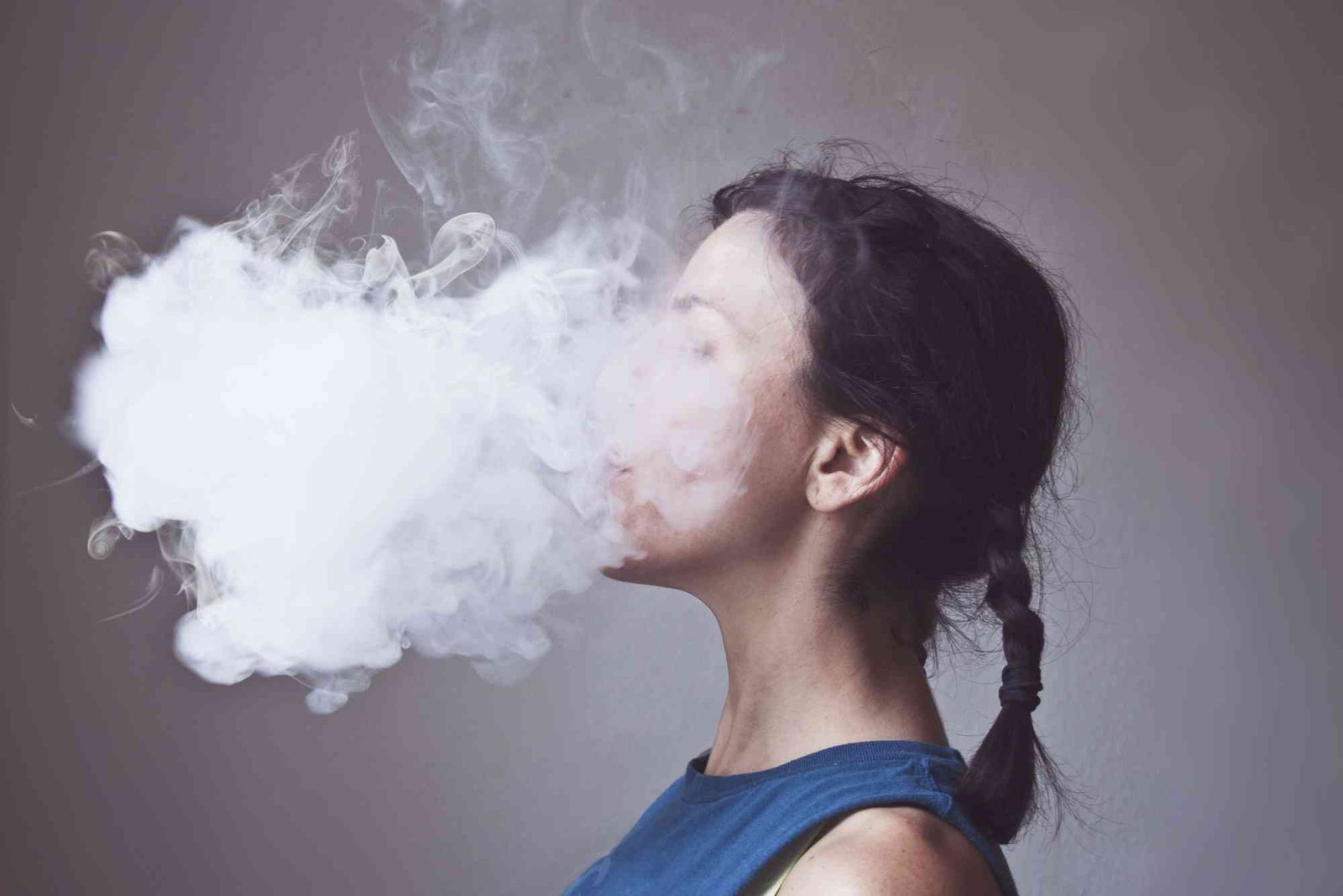
Music videos, especially in hip-hop and electronic genres, have embraced vaping visuals. Vape clouds, neon lighting, and edgy backdrops combine to produce a modern aesthetic that aligns with the image of freedom and self-expression.

Artists like Post Malone and DJ Khaled have appeared vaping on social media and in music content. These visuals reinforce vaping as part of a larger lifestyle, not just a habit.
Vaping and Youth Culture
The TikTok and Instagram Effect
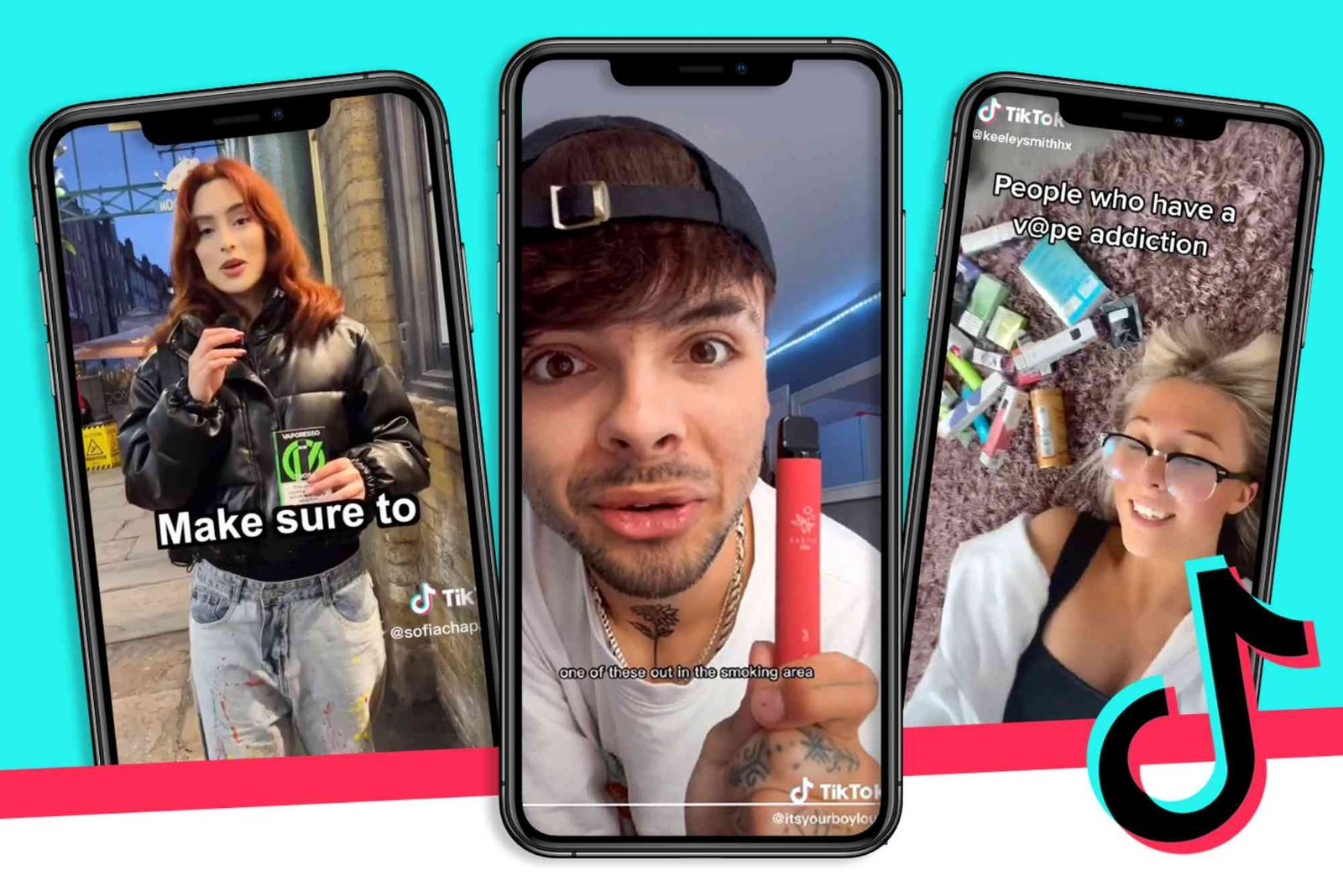
Social media platforms have significantly accelerated the adoption of vaping in pop culture. On TikTok and Instagram, influencers post vape tricks, aesthetic shots, and product reviews. These platforms reward visuals—and vapor clouds make for eye-catching content.
Hashtags like #vapetricks or #vapelife have racked up millions of views. This exposure affects younger audiences, who often associate vaping with popularity and creativity rather than health risks.
Fashion, Accessories, and Identity
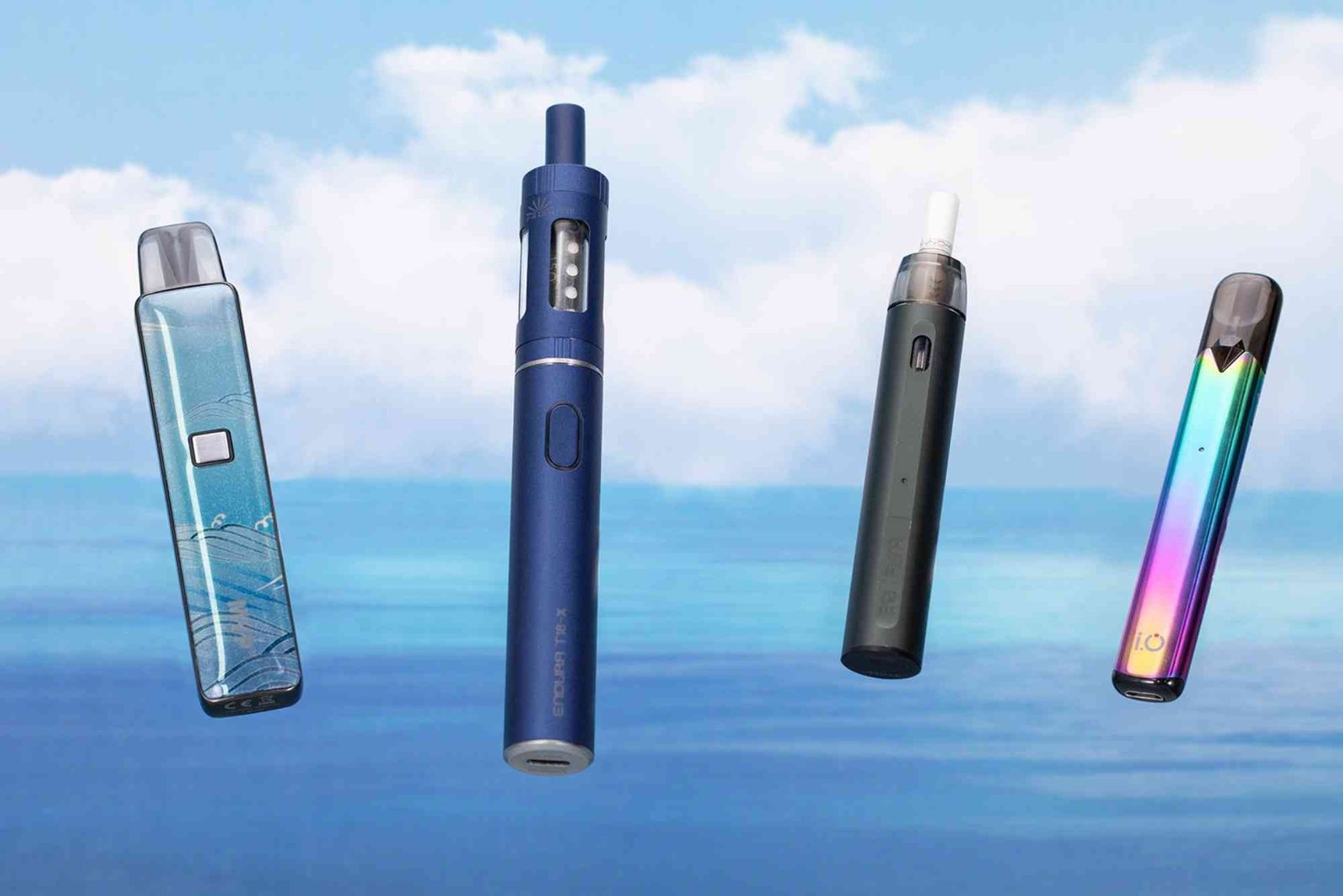
In recent years, vaping devices have started resembling tech accessories. Sleek designs, customizable features, and bold colors make them fashionable. Just like smartphones, vape pens reflect the user’s personality and style.
Some brands even collaborate with streetwear designers or artists, turning vape kits into collector items. This evolution reinforces vaping’s identity-driven role in modern culture.
The Double-Edged Sword of Vaping’s Popularity
Glamour vs. Health Concerns
While vaping enjoys glamorization in pop culture, public health experts voice growing concerns. Many fear that media representation downplays the risks, especially among teens who are more impressionable.
The illusion of safety—compared to cigarettes—has led to increased use among adolescents. Studies show that teens exposed to vaping on social media are more likely to try it themselves.
Regulating the Narrative
Governments and advocacy groups have pushed back. For example, several countries have banned vape advertising or introduced warnings on packaging. Social media platforms have also begun to restrict vape-related promotions and content targeting underage users.
Still, the cultural momentum is hard to slow. The presence of vaping in pop culture remains strong, even as its health narrative becomes more nuanced.
Celebrity Influence on Vaping Trends
Endorsements and Personal Branding
Celebrities have a major influence on public behavior. When stars like Bella Hadid or Lil Wayne are seen vaping, it makes headlines. Fans may interpret these choices as endorsements, even if they’re casual.
Some celebrities go a step further by partnering with vape brands or launching their own product lines. This ties their personal image to vaping, making it even more appealing to audiences who idolize them.
Social Responsibility and Changing Opinions
In recent years, a few celebrities have also publicly distanced themselves from vaping. As awareness of health implications rises, we may see a shift in celebrity behavior. These public moves can be just as influential in reshaping the cultural narrative around vaping.
Vaping in Pop Culture Around the World
Global Media Representation
While the trend is global, each region interacts with vaping in its own way. In the US and UK, vaping is tightly linked with youth subcultures and digital influencers. In countries like Japan and South Korea, the emphasis is more on discreet, tech-savvy devices.
Bollywood films have also begun integrating vape scenes, reflecting a modernized image of urban youth. Middle Eastern influencers, particularly in the UAE, often showcase high-end vape products as symbols of luxury.
Cultural Acceptance and Taboos
Cultural context matters. In some conservative societies, vaping is still frowned upon. However, in others, especially urban centers, it’s gaining acceptance faster than traditional smoking ever did. This divergence adds complexity to how vaping fits into global pop culture.
The Future of Vaping in Pop Culture
What’s Next?
As technology evolves, so will vaping devices—and their cultural significance. We may see more integration into fashion tech, such as wearables or augmented reality. The aesthetic appeal will likely continue to influence younger demographics.
However, with increasing regulation and shifting public health narratives, the glamorization may face more pushback. Whether vaping remains a pop culture mainstay or fades like a trend depends on how it balances innovation with responsibility.
The Role of Media Literacy
Understanding the influence of pop culture is essential. Consumers, especially teens, must be taught media literacy—how to interpret and question what they see online and in entertainment. This is the key to balancing curiosity with caution.
Vaping in pop culture is more than a visual trend—it’s a phenomenon shaped by media, fashion, music, and celebrity culture. It represents personal identity, freedom, and modernity, but it also raises serious public health questions.
As we move forward, it’s important to strike a balance. Acknowledge the artistic and social influences, but stay informed about the realities behind the smoke and mirrors.
Ready to join the conversation?
Share your thoughts on how vaping is portrayed in your favorite media. Let’s keep the discussion smart, respectful, and informed.
FAQ: Vaping in Pop Culture
Why is vaping so popular in pop culture?
Vaping is seen as modern, stylish, and less harmful than smoking. It fits easily into visual media and personal branding.
Which celebrities vape in public?
Many celebrities, including Leonardo DiCaprio and Post Malone, have been seen vaping both on and off the screen.
How does social media influence teen vaping?
Platforms like TikTok and Instagram glamorize vaping with trendy content, leading to higher curiosity and adoption among teens.
Is vaping safer because it’s popular?
Popularity doesn’t equal safety. While vaping may seem less harmful than smoking, health risks still exist and are being studied.
How is vaping regulated in the media?
Some governments restrict vape ads and influencer promotions. Social media platforms are also cracking down on underage-targeted content.