
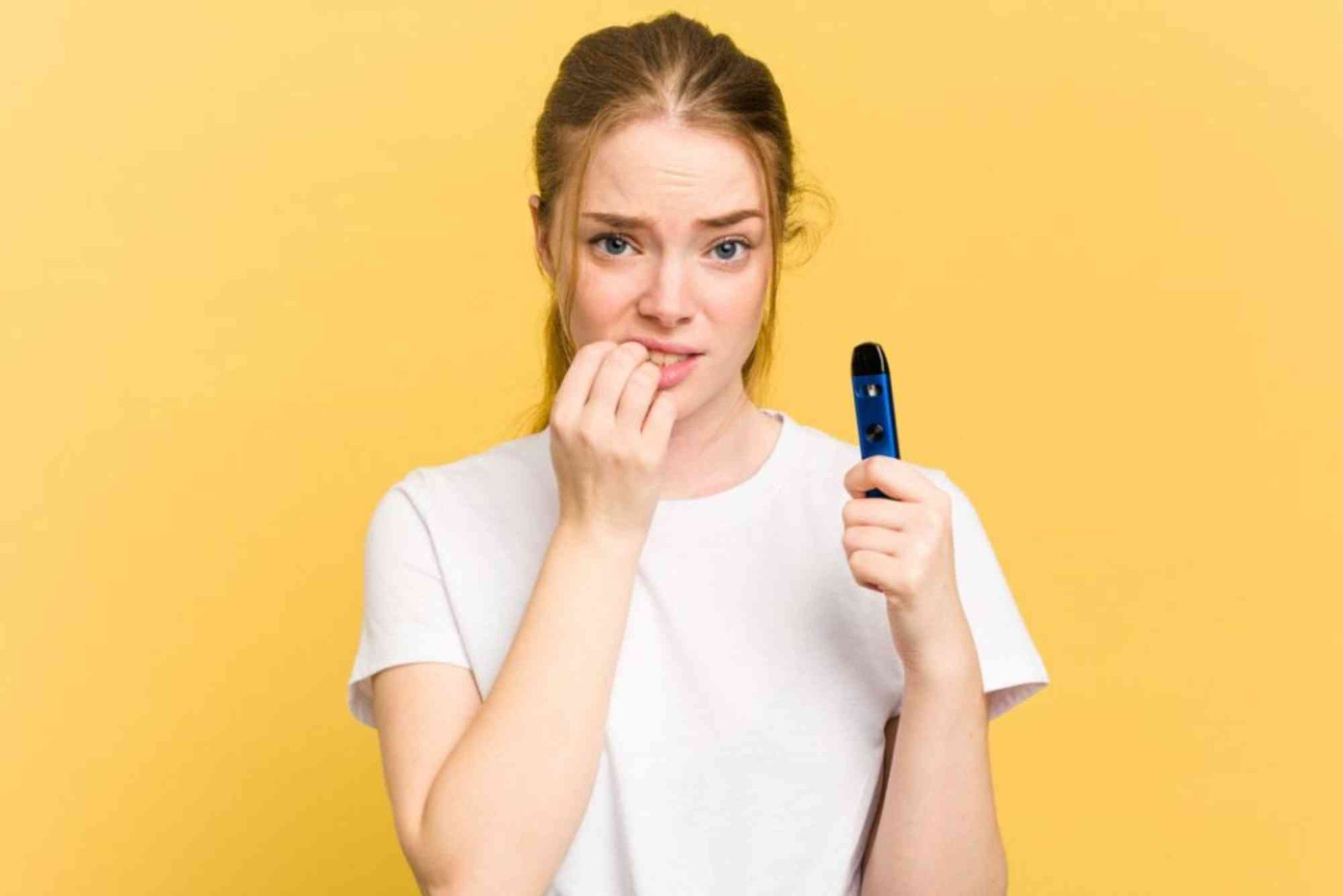
The Psychology of Vaping Habits
Vaping has become a global phenomenon, attracting individuals across all age groups. But behind every puff lies a complex mix of behavioral patterns, emotional triggers, and psychological reinforcement. Understanding vaping psychology helps uncover why people start vaping, what keeps them hooked, and how their habits are shaped by both internal and external influences. This article dives deep into the human mind to explore the psychological mechanics that drive vaping behavior and offers insights into how to recognize and potentially overcome these habits.
The Psychological Foundations of Vaping
Vaping isn’t just a physical habit—it’s deeply psychological. While nicotine addiction plays a chemical role, many users vape for reasons tied to stress relief, social acceptance, or emotional regulation. These motivations are rooted in human psychology, and once formed, they can be difficult to unravel.
The Role of Conditioning and Habit Formation
The principle of classical conditioning explains much of vaping psychology. Over time, people associate vaping with specific feelings or situations—such as relaxation after a long day or social connection during gatherings. These associations reinforce the behavior, making vaping a learned habit rather than just a chemical dependency. Operant conditioning further strengthens this loop. When someone experiences a rewarding effect after vaping—like reduced anxiety or increased focus—they’re more likely to repeat the behavior. These psychological reinforcements make vaping feel not just desirable but necessary.
Emotional Triggers and Coping Mechanisms
Stress, boredom, loneliness, and anxiety often act as emotional triggers for vaping. Many users turn to their vape pens in times of emotional discomfort, seeing it as a coping mechanism. The act of vaping provides a temporary escape or a sense of control. Over time, this reliance can escalate, turning into a habitual response to emotional stressors. Unlike traditional smoking, vaping is discreet and more accessible, which makes it even easier to turn to during challenging emotional moments.
Social Influence and Identity
Social psychology plays a major role in how vaping habits form. Peer influence, social modeling, and perceived popularity are strong motivators, especially among adolescents and young adults. When vaping becomes normalized within a friend group, individuals are more likely to adopt it to fit in. It becomes more than just a behavior—it becomes part of one’s social identity. In many communities, vaping is not just accepted but celebrated as trendy or modern, further reinforcing usage among impressionable minds.
The Illusion of Control and Harm Reduction
One powerful element of vaping psychology is the perception that vaping is safer than smoking. Many users believe they have more control over their habits because vaping feels cleaner or less toxic. This belief, however, can be misleading. Even when people are aware of health risks, the perceived harm reduction allows them to rationalize continued use. This cognitive dissonance—holding two contradictory beliefs—leads to justification of behaviors that might otherwise seem harmful.

How Cognitive Biases Fuel Vaping Habits
The human brain is full of shortcuts—called cognitive biases—that simplify decision-making. Unfortunately, these biases often lead to irrational or unhealthy choices.
Optimism Bias
Many vapers believe that health problems happen to “other people,” not themselves. This optimism bias makes them underestimate their own risk, especially when they’re young or feel healthy.
Confirmation Bias
Vaping psychology is heavily influenced by what people choose to believe. A user looking for justification will seek out information that supports their habit—such as articles claiming vaping is harmless—while ignoring contradictory evidence.
Habitual Blindness
When something becomes a daily routine, users often stop thinking about it consciously. Vaping becomes an automatic action—similar to checking your phone. This habitual blindness makes it harder to recognize the seriousness of the habit.
Psychological Impact of Long-Term Vaping
Over time, the psychological impact of vaping grows deeper. Dependence can lead to anxiety when access to vaping is restricted. Many users experience irritability, restlessness, or even panic if they forget their device at home.
Vaping also affects emotional regulation. Rather than dealing with stress or anxiety through healthy coping strategies, users begin to rely on vaping as a crutch. This dependence weakens their emotional resilience and can interfere with personal development and mental health.
In adolescents, the impact can be more severe. Since their brains are still developing, habitual vaping can disrupt key neurological functions, including impulse control and emotional processing.
Breaking the Cycle: Psychological Strategies
Understanding vaping psychology also means understanding how to counteract it. Behavior change is possible—but it starts with awareness.
Self-Awareness and Trigger Identification
The first step in breaking a vaping habit is identifying when and why it occurs. Is it during moments of stress? Out of boredom? Before social events? Keeping a daily log can help track patterns and bring unconscious behavior to light.
Replacing the Habit Loop
Instead of focusing solely on quitting, focus on replacing the reward loop. If vaping provides stress relief, what else can offer the same effect? Activities like exercise, meditation, journaling, or deep breathing can serve as healthier alternatives. These replacements must be meaningful and personally relevant to succeed.
Cognitive Behavioral Techniques
Cognitive Behavioral Therapy (CBT) is often used to address habitual behaviors like vaping. It helps users reframe irrational thoughts, confront emotional triggers, and build healthier coping mechanisms. CBT techniques can be practiced alone or with the help of a therapist.
Social Accountability and Support
Having a support system makes quitting easier. Friends, family, or online support groups can offer encouragement and accountability. Discussing goals openly helps break the isolation and shame that sometimes accompany addiction.
Mindfulness and Present-Moment Awareness
Mindfulness teaches users to pause and observe their thoughts without reacting impulsively. By practicing mindfulness, individuals can recognize cravings as temporary states rather than urgent needs. This practice enhances emotional control and reduces the compulsion to vape.
Vaping and Mental Health: A Two-Way Relationship
There’s a growing body of research linking vaping to mental health concerns. While many users vape to relieve anxiety or depression, prolonged use may actually worsen these conditions.
Nicotine is a stimulant, and while it can provide temporary alertness or calm, it also disrupts natural neurotransmitter balance. When the brain becomes reliant on vaping for dopamine release, it can diminish the ability to feel pleasure from everyday activities—a symptom known as anhedonia.
Furthermore, users who try to quit may face withdrawal symptoms, such as anxiety, depression, or insomnia, which can make relapse more likely. This cyclical relationship reinforces vaping behavior and complicates recovery.
The Future of Vaping Psychology
As awareness grows, new psychological interventions are being developed to help users understand and change their habits. Mobile apps now track vaping triggers, send motivational reminders, and offer mindfulness exercises. Behavioral scientists are collaborating with public health experts to design campaigns that not only inform but also motivate change.
Vaping psychology is no longer a fringe topic—it’s a growing field that’s reshaping how we approach addiction, behavior change, and mental health.
Understanding and Changing Vaping Habits
Vaping is more than a physical addiction—it’s a psychological habit shaped by emotions, social environments, and cognitive biases. Understanding vaping psychology is the first step toward meaningful change. By increasing self-awareness, challenging false beliefs, and building healthier coping mechanisms, individuals can reclaim control over their behavior.
If you or someone you know struggles with vaping, start by asking the hard questions: Why do I vape? What need is it fulfilling? And what can I do instead? Behavioral change is possible—with the right mindset, tools, and support.
Frequently Asked Questions
What psychological factors cause people to vape?
Many people start vaping due to stress, peer pressure, or the desire for emotional relief. Vaping can become a learned behavior that provides temporary rewards, making it psychologically reinforcing.
Is vaping psychologically addictive or just physically?
Vaping can be both physically and psychologically addictive. While nicotine creates chemical dependence, the habits and emotional triggers associated with vaping lead to psychological addiction.
How can I stop vaping if it’s part of my stress relief routine?
Start by identifying your emotional triggers. Use healthier stress-relief strategies like exercise, mindfulness, or journaling to replace the need to vape. Cognitive Behavioral Therapy can also help.
Does vaping affect your mental health?
Yes, long-term vaping can negatively affect mental health. It may contribute to anxiety, depression, and emotional dependence. It also disrupts natural mood regulation over time.
What are common vaping triggers to watch out for?
Common triggers include stress, boredom, social gatherings, fatigue, and emotional discomfort. Recognizing these patterns is key to managing and eventually quitting the habit.