Understanding the Role of Nicotine in Vaping
Nicotine in vaping is one of the most widely discussed and misunderstood topics in the world of e-cigarettes. For new users, understanding what nicotine does and how it behaves in vape products is essential to making informed choices. Whether you’re considering switching from smoking to vaping or already vape and want to know more, this guide explains everything you need to know about nicotine’s role in vaping—without the confusion or technical jargon.
What Is Nicotine?
Nicotine is a naturally occurring chemical found in tobacco leaves. It’s a stimulant that affects the nervous system and is known for its addictive properties. When inhaled, nicotine quickly reaches the brain, causing a release of dopamine—a chemical linked to pleasure and satisfaction.
In traditional cigarettes, nicotine is accompanied by thousands of harmful chemicals created through combustion. In vaping, however, nicotine is delivered without burning tobacco. That distinction is key in understanding its role in e-cigarettes.
How Nicotine in Vaping Works
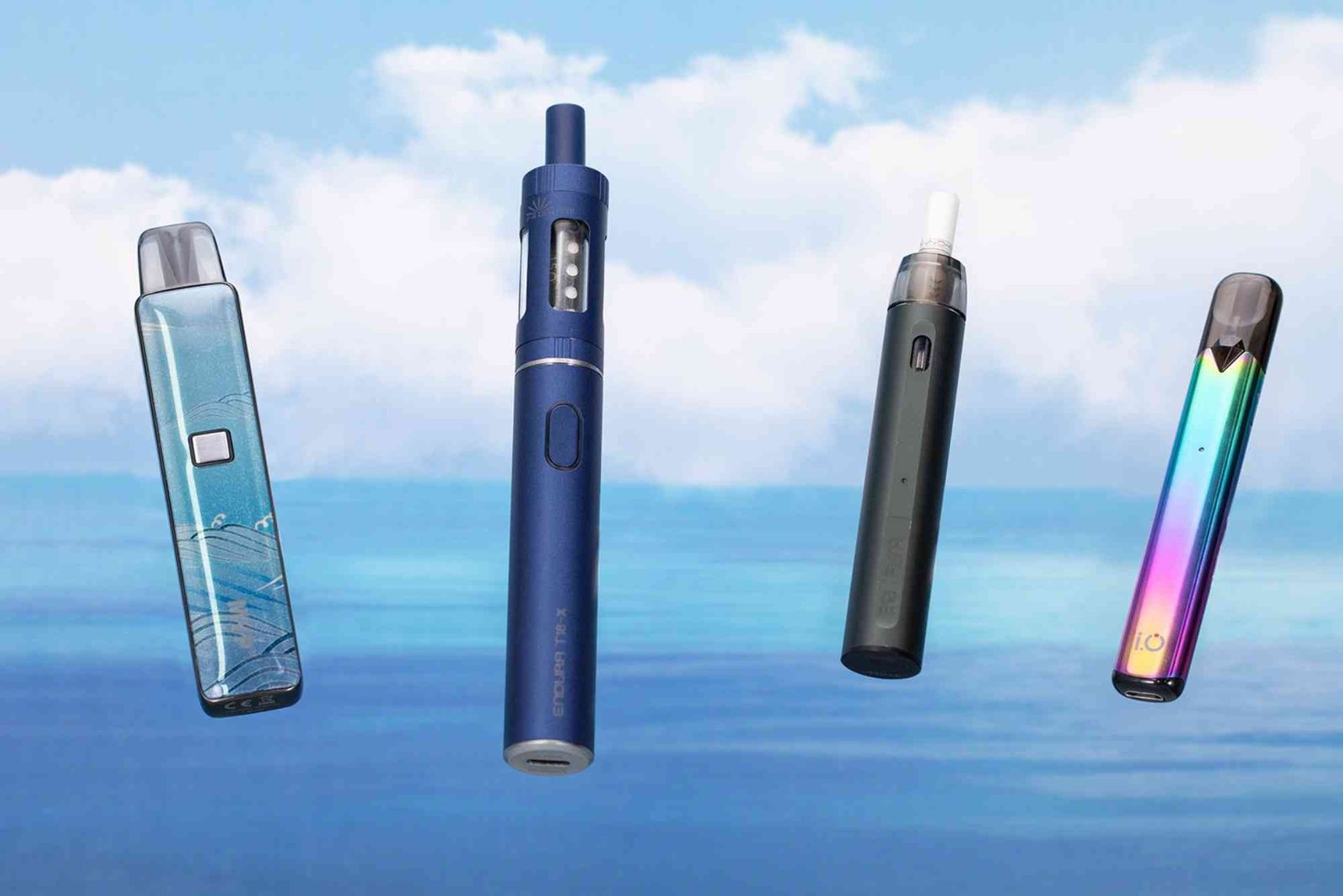
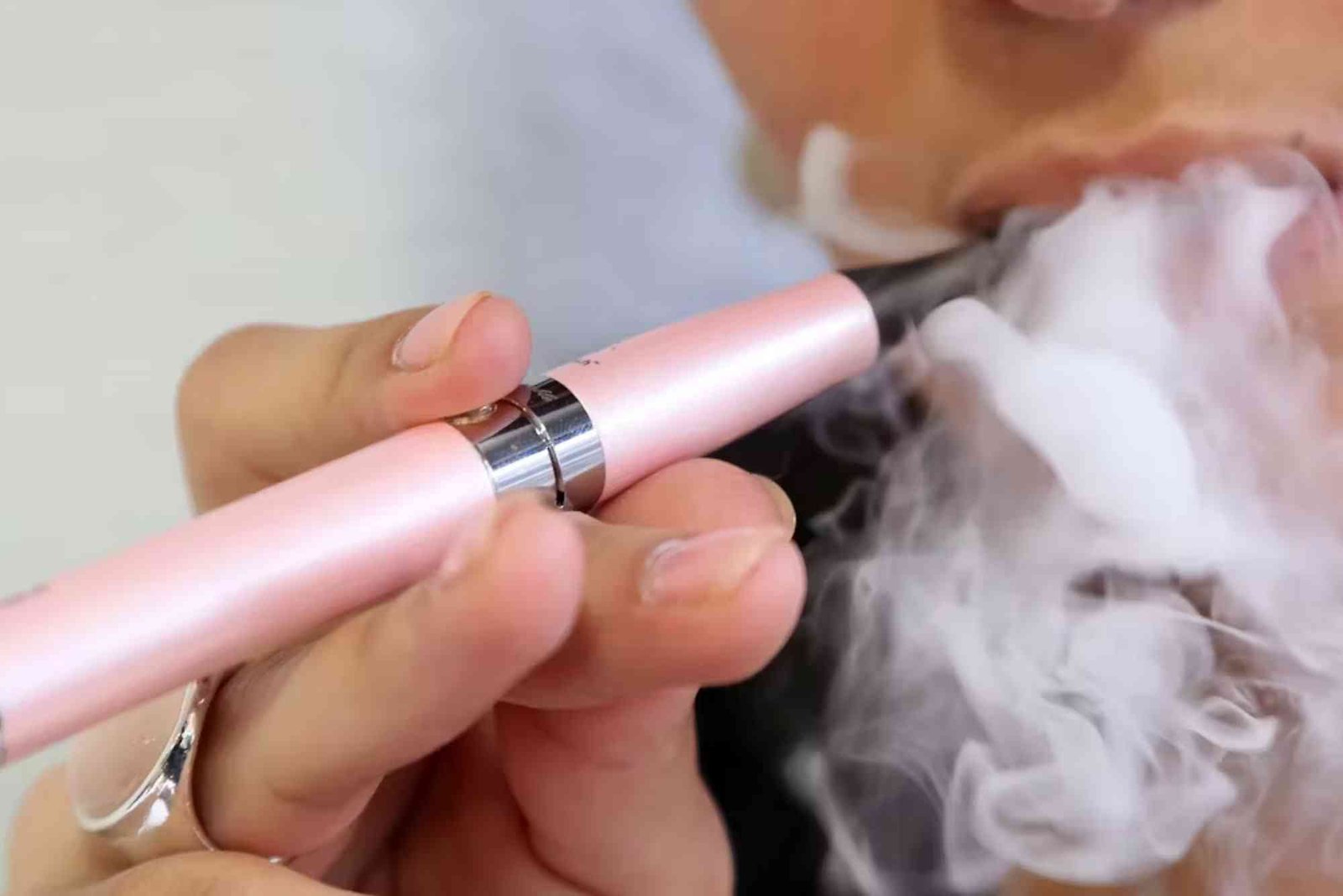
When you vape, a battery-powered device heats a liquid (commonly known as e-liquid or vape juice) into an aerosol. This vapor contains nicotine, along with propylene glycol, vegetable glycerin, and flavorings. Unlike cigarettes, vaping doesn’t burn anything—it simply vaporizes.
Absorption in the Body
Nicotine from vape aerosol enters the lungs and then the bloodstream, similar to smoking. However, the delivery can be slower or faster depending on the device and nicotine formulation.
Nicotine Strengths
Vape juices come in various nicotine levels, usually ranging from 0 mg to 50 mg per milliliter. Choosing the right strength depends on your previous smoking habits, body tolerance, and goals. High-strength nicotine salts are popular among heavy smokers, while freebase nicotine suits lighter users.

Is Nicotine in Vaping Addictive?
Yes, nicotine is addictive, regardless of how it’s consumed. The addictive potential of vaping nicotine depends on three main factors:
- Nicotine concentration
- Vaping frequency
- Delivery method (device type)
However, vaping lacks the tar, carbon monoxide, and thousands of carcinogens found in cigarettes. So while vaping nicotine is addictive, many consider it a safer alternative to traditional smoking.
Nicotine Salts vs Freebase Nicotine
There are two major types of nicotine used in vaping products, and understanding the difference helps in making better decisions.
Freebase Nicotine
This is the most commonly used form in early vape products. It provides a stronger throat hit and is ideal for sub-ohm devices.
Nicotine Salts
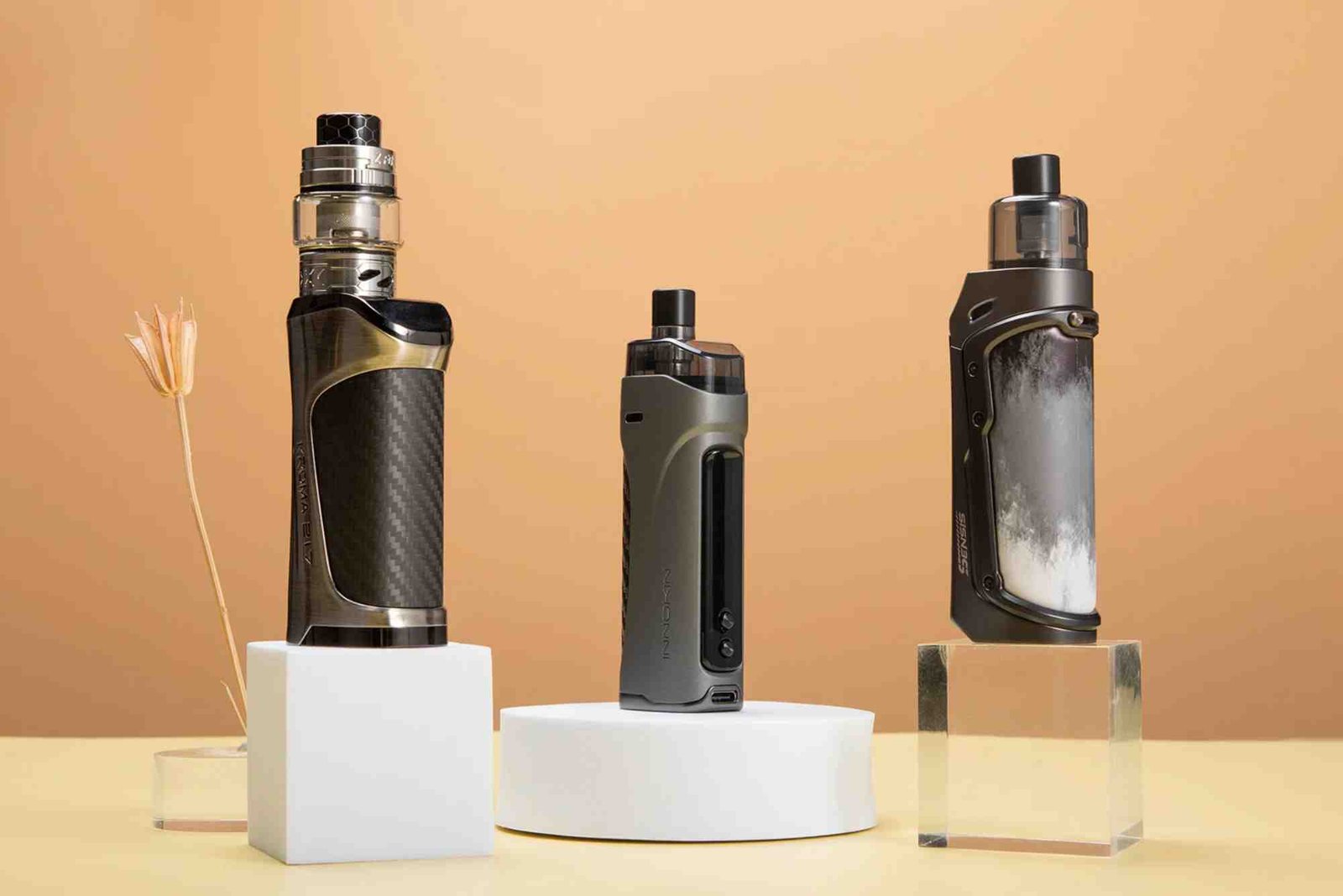
These are more stable and allow for higher concentrations without the harsh throat hit. Nicotine salts are often used in pod systems and mimic the cigarette experience more closely, making them suitable for those trying to quit smoking.
Health Effects of Nicotine in Vaping
While vaping removes many of the harmful toxins found in combustible tobacco, nicotine itself still impacts the body.
Short-Term Effects
Nicotine increases heart rate, raises blood pressure, and stimulates alertness. Some users feel more focused or less anxious, while others might experience dizziness or nausea—especially at higher doses.
Long-Term Considerations
Chronic nicotine use may contribute to cardiovascular stress. It’s especially concerning for adolescents, as nicotine can affect brain development. For adults using vaping to quit smoking, the risk is comparatively lower than continued cigarette use, but not risk-free.
Nicotine in Vaping vs Smoking: What’s Safer?
Multiple health organizations, including the UK’s NHS and Public Health England, have stated that vaping is at least 95% less harmful than smoking. This does not mean vaping is safe, but that it’s significantly safer than combustible tobacco when used as a smoking alternative.
No Combustion, Fewer Toxins
The absence of combustion is crucial. Burning tobacco releases over 7,000 chemicals—many of which are toxic or cancer-causing. Vaping eliminates most of these, although studies show some harmful substances may still be present at much lower levels.
Why People Vape Nicotine
People turn to nicotine in vaping for various reasons:
- Quitting smoking
Many adults use vaping as a harm-reduction tool. By controlling nicotine levels, they gradually reduce their intake. - Nicotine replacement therapy (NRT)
Some find vaping more effective than gum or patches due to the behavioral aspect it maintains. - Stress relief and mental focus
As a stimulant, nicotine can offer short-term cognitive and mood benefits.
Nicotine-Free Vaping: Is It an Option?
Yes, nicotine-free vape juices are available and popular among social vapers or those trying to quit completely. These e-liquids provide flavor and vapor without addiction risk.
Nicotine-free vaping may help reduce dependency while still preserving the habit and sensory experience. However, it’s important to note that the long-term health effects of inhaling any vape aerosol—even without nicotine—are still being researched.
How Much Nicotine Is Too Much?
Overconsumption of nicotine can lead to nausea, headaches, dizziness, or even nicotine poisoning in rare cases. Symptoms usually appear quickly and subside with rest and hydration.
If you’re using high-nicotine products like salts, especially in closed pod systems, be aware of how often you vape. It’s easier to take in large amounts without realizing it due to the smoother throat hit.
Misconceptions About Nicotine in Vaping
“Nicotine causes cancer.”
This is a myth. Nicotine is not carcinogenic. The real cancer-causing agents are the chemicals in smoke from burning tobacco.
“All vaping products contain nicotine.”
False. Many e-liquids are nicotine-free. Always check the label to confirm contents.
“Nicotine in vaping is just as dangerous as cigarettes.”
While nicotine is addictive, the harm profile of vaping is much lower due to the absence of smoke.
Expert Tips for Using Nicotine in Vaping Safely
- Start with a moderate nicotine level based on your smoking history.
- Use devices that allow control over nicotine intake.
- Don’t chain-vape, especially with high-strength nicotine salts.
- Monitor how you feel—headaches or nausea may signal overuse.
- Set goals if you intend to quit or taper nicotine.
Frequently Asked Questions
Is vaping nicotine safer than smoking cigarettes?
Yes, vaping is significantly safer due to the absence of combustion. However, it’s not risk-free.
Can you get addicted to vaping?
Yes. Nicotine in vaping is addictive, especially in high concentrations or with frequent use.
How long does nicotine stay in your system after vaping?
Nicotine usually stays in the body for 1 to 3 days, but its breakdown products can be detected longer.
Does vaping help you quit smoking?
Many people have successfully used vaping to quit smoking, often with the help of gradual nicotine reduction.
Is it okay to vape without nicotine?
Yes, nicotine-free vaping is common and eliminates the addiction factor, though other health concerns may still apply.
Making Informed Choices About Nicotine in Vaping
Understanding nicotine in vaping is key to using e-cigarettes responsibly and effectively. Whether you’re trying to quit smoking or just learning about how vaping works, knowledge is power. While nicotine is addictive, vaping can be a harm-reduction tool when used mindfully.
If you’re new to vaping or trying to reduce your nicotine use, start by educating yourself on the different types of products and their effects. Always choose reputable brands, and consult a healthcare provider if you need help with addiction or withdrawal.
Ready to take control of your nicotine intake? Start your journey with knowledge and purpose today.