Understanding the Different Vape Coil Materials
When it comes to vaping, one factor that significantly affects your experience is the coil material. The type of metal used in vape coils doesn’t just influence vapor production—it changes flavor, ramp-up time, and temperature control capabilities. In this guide, we’ll break down the most popular vape coil materials and explain how each one works so you can make informed decisions for your setup. Whether you’re a beginner or seasoned vaper, knowing your vape coil materials helps you fine-tune every puff.
Why Coil Material Matters in Vaping
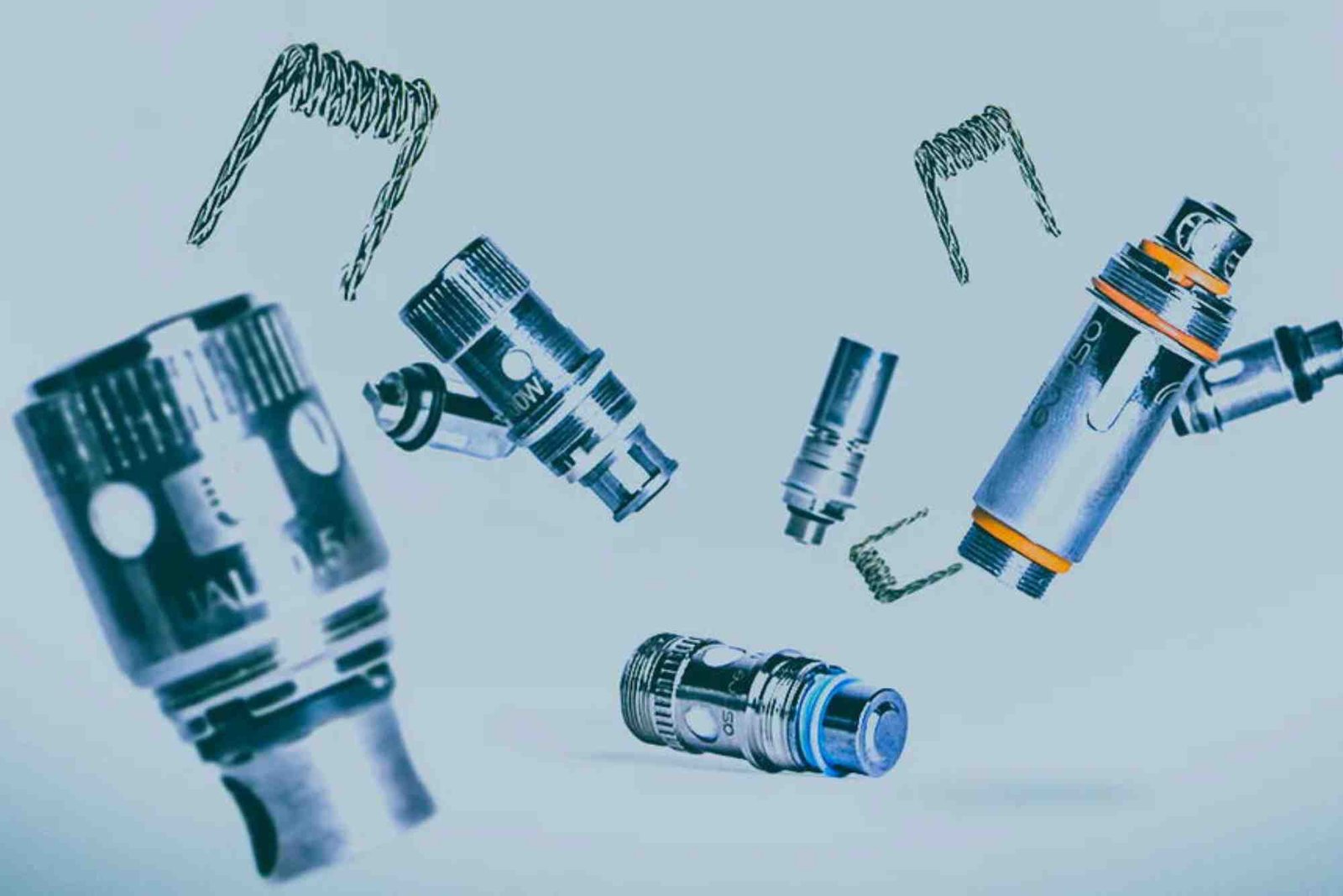
Vape coils are heating elements wrapped around cotton or another wick. When you activate your vape, the coil heats up, vaporizing the e-liquid. What many don’t realize is that not all coils are created equal. Each vape coil material offers a unique set of properties that impact:
- Heating speed (ramp-up time)
- Flavor accuracy
- Temperature control compatibility
- Coil longevity
- Resistance stability
By understanding the pros and cons of different coil materials, you’ll know what to expect from your device and how to tailor it to your preferences.
Most Common Vape Coil Materials
Kanthal (FeCrAl Alloy)
Kanthal is the go-to coil material for most vapers, especially beginners. It’s made from iron, chromium, and aluminum. Kanthal coils are incredibly durable and easy to work with.
They don’t support temperature control but are excellent for wattage mode. This makes them ideal for vapers who prefer simple setups.
Nichrome (Ni80 or Ni60)
Nichrome is an alloy of nickel and chromium. It heats up faster than Kanthal and offers a smoother, more flavorful hit. However, it’s not ideal for those with nickel allergies.

Nichrome is slightly less durable than Kanthal but preferred by advanced users for its quick ramp-up and cleaner taste.
Stainless Steel (SS316, SS317, SS304)
Stainless steel is highly versatile. It’s the only vape coil material that works in both wattage mode and temperature control mode. It also offers a crisp, clean flavor.
SS316L is the most commonly used variant. It’s medical-grade, reliable, and has excellent corrosion resistance. It’s great for vapers looking to balance flexibility and flavor.
Nickel (Ni200)
Nickel coils are designed solely for temperature control mode. They have very low resistance and heat up quickly. However, nickel is soft and hard to shape, making it unsuitable for DIY coil builders.
Many vapers avoid pure nickel coils due to allergy concerns and safety debates. But when used correctly, they offer precise control over temperature and flavor.
Titanium (Ti)
Titanium is another temperature control-specific material. It’s known for its stable resistance and smooth vape. That said, titanium must be handled carefully. If overheated, it may release toxic byproducts.
Only use titanium coils in devices that support temperature control to prevent overheating. They are ideal for experienced vapers who want control and clean flavor.
Which Coil Material is Best for Flavor?
Flavor depends on several factors, but stainless steel and nichrome tend to be the top performers. Stainless steel offers a clean and neutral taste, while nichrome enhances certain flavor notes due to faster heating.
Kanthal, while reliable, can sometimes mute subtle e-liquid notes. Titanium also gives excellent flavor clarity, though it requires more cautious use.
Which Coil Material is Best for Clouds?
Cloud-chasing vapers usually lean toward nichrome or stainless steel due to their quick ramp-up and ability to handle higher wattages. The faster the coil heats, the more vapor it can produce.
If you’re aiming for dense, thick clouds, pairing a sub-ohm build with nichrome can deliver results. However, ensure your mod can handle the coil safely.
Temperature Control and Coil Material Compatibility
Not every material supports temperature control. If you’re using a TC-enabled device, you’ll need to choose a compatible coil.
Here’s a quick summary:
- Compatible: Stainless Steel, Nickel, Titanium
- Not Compatible: Kanthal, Nichrome
Stainless steel stands out for its flexibility—it can be used in both TC and wattage modes. If you like experimenting with different settings, SS316L is a great all-rounder.
How to Choose the Right Vape Coil Material for You
Choosing the right coil depends on your preferences:
- Flavor Lovers: Stainless Steel, Nichrome
- Cloud Chasers: Nichrome, Stainless Steel
- Temperature Control Fans: Stainless Steel, Titanium, Nickel
- Durability Seekers: Kanthal
- Beginner-Friendly: Kanthal, Stainless Steel
There’s no one-size-fits-all answer. The best way to find your ideal coil is by testing different materials and noting how they affect your vape.
Safety Considerations with Coil Materials
While all common vape coil materials are generally safe when used correctly, there are a few cautions to note:
- Avoid overheating titanium and nickel coils.
- Only use temperature control mode with coils that support it.
- Don’t dry burn nickel or titanium—this can release toxic compounds.
- If you have a nickel allergy, avoid Ni200 and some forms of Nichrome.
Using reputable brands and staying within manufacturer recommendations helps reduce risks.
How to Maintain Vape Coils for Longer Lifespan
No matter what coil material you choose, proper maintenance can extend its life:
- Prime your coils before use
- Avoid chain vaping
- Use e-liquids with less sweetener
- Clean your coils regularly if rebuildable
- Monitor for burnt taste or reduced vapor production
Good habits not only protect your coils but also preserve the flavor of your e-liquid and the health of your device.
FAQ: People Also Ask
What is the best material for vape coils?
Stainless steel is widely considered the most versatile and safest vape coil material due to its compatibility with both wattage and temperature control.
What coils give the best flavor?
Nichrome and stainless steel coils often deliver the best flavor thanks to fast heat-up times and clean taste delivery.
Are nickel coils safe to use?
Yes, but only in temperature control mode. Avoid dry burning and monitor for allergy reactions.
Can I use Kanthal for temperature control?
No. Kanthal is not suitable for temperature control as its resistance does not change significantly with heat.
Which coil lasts the longest?
Kanthal coils are known for durability and can outlast other materials with proper use.
What is the difference between SS316 and SS304?
SS316 has better corrosion resistance and is more heat-tolerant, making it preferable for vaping. SS304 is slightly less resistant but still functional.
Understanding vape coil materials is key to personalizing your vaping experience. Whether you’re chasing clouds, savoring flavor, or experimenting with temperature control, your choice of coil metal can elevate or dampen your session.
Take time to explore the properties of each material and find what aligns best with your setup and style. Every vaper’s preference is unique, and discovering yours is part of the journey.
Ready to Upgrade Your Coils?
Explore high-quality coil options from trusted brands and elevate your vaping experience today. If you’re using rebuildables, try experimenting with stainless steel or nichrome to taste the difference for yourself.
For more vaping insights, check out our guide on how to clean your vape device and keep your setup running at peak performance.