
MTL vs DTL Vaping: What’s the Difference?
Vaping has become a popular alternative to smoking, but if you’re new to the world of e-cigarettes, understanding the different vaping styles can be confusing. Two of the most common vaping techniques are MTL (Mouth-to-Lung) and DTL (Direct-to-Lung). Choosing between MTL vs DTL vaping can greatly impact your experience, flavor, and nicotine intake.
What is MTL Vaping?
MTL stands for Mouth-to-Lung vaping. It mimics the way most smokers inhale traditional cigarettes. In this style, vapor is first drawn into the mouth and then inhaled into the lungs.
How Does MTL Vaping Work?
MTL vaping uses a tighter draw, similar to sipping through a straw. You draw the vapor slowly into your mouth, hold it briefly, and then inhale it into your lungs. This process is more controlled and usually involves lower power devices and higher nicotine e-liquids.
Who is MTL Vaping For?
MTL vaping suits smokers who want to transition from cigarettes to vaping. The tighter draw and slower inhale give a similar throat hit to cigarettes, satisfying the craving for many users. It’s also preferred by those who want a discreet, less intense vaping experience with better battery life.
Typical Devices for MTL Vaping
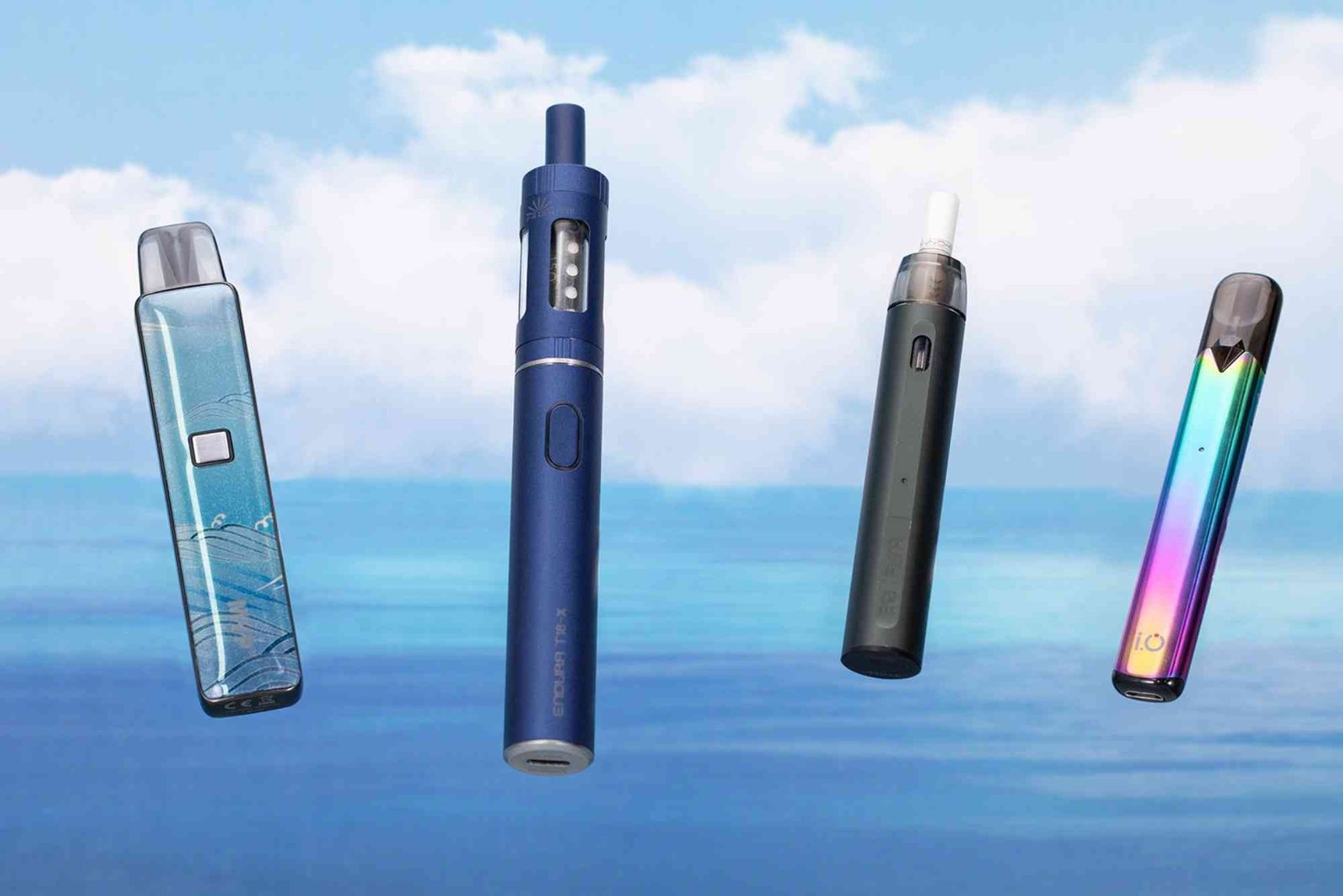
MTL devices tend to be smaller, with tight airflow and mouthpieces designed for a restricted draw. Examples include pod systems, small vape pens, and some starter kits. They usually operate at lower wattages to avoid producing excessive vapor.
What is DTL Vaping?
DTL stands for Direct-to-Lung vaping, which is the opposite of MTL. In DTL vaping, vapor is inhaled directly into the lungs without pausing in the mouth.

How Does DTL Vaping Work?
With DTL vaping, you take a deep, unrestricted breath directly into your lungs. This requires devices with looser airflow and more powerful batteries to produce larger clouds of vapor. It delivers more intense flavor and nicotine hits in a single inhale.
Who is DTL Vaping For?
DTL is often favored by experienced vapers who want big clouds and stronger flavors. It’s ideal for users who enjoy sub-ohm vaping and lower nicotine concentrations, as the bigger vapor volume can be overwhelming for beginners.
Typical Devices for DTL Vaping
DTL devices are usually larger mods with adjustable airflow and higher wattage settings. They use sub-ohm tanks that heat coils quickly to produce thick vapor. DTL tanks often have wider mouthpieces for easier lung inhales.
Key Differences Between MTL and DTL Vaping
Understanding the difference between MTL vs DTL vaping is important to pick the right style for your preferences and vaping goals.
Inhalation Method
The fundamental difference lies in how you inhale. MTL involves vapor passing through the mouth first, then into the lungs, mimicking cigarette smoking. DTL skips the mouth and goes straight to the lungs, similar to taking a deep breath.
Airflow and Draw Resistance
MTL devices have tight airflow, offering resistance akin to smoking a traditional cigarette. DTL devices provide a much freer airflow, allowing large volumes of vapor with minimal effort.
Vapor Production
MTL produces smaller, denser vapor clouds. DTL, on the other hand, generates large, airy clouds favored by cloud chasers and flavor enthusiasts.
Nicotine Strength and E-liquid Types
Because MTL vaping is less intense and mimics cigarette draws, it works best with higher nicotine concentrations, often using nicotine salts for a smoother throat hit. DTL vaping suits lower nicotine e-liquids, typically freebase nicotine, because the greater vapor volume delivers more nicotine per puff.
Battery Life and Device Size
MTL devices are generally compact and use less battery power, making them more portable and longer-lasting between charges. DTL devices require more power for higher wattage, so they are bigger and need frequent recharging.
Flavor Experience
DTL vaping tends to enhance flavor intensity due to the direct lung inhale and higher vapor production. MTL flavor is more subtle but offers a concentrated taste because vapor is held in the mouth before inhaling.
Pros and Cons of MTL and DTL Vaping
Both MTL and DTL vaping styles have their advantages and drawbacks, depending on your vaping habits.
MTL Vaping Pros
- Close sensation to traditional smoking, helpful for quitting cigarettes
- More discreet with less vapor visible
- Longer battery life due to lower power usage
- Uses less e-liquid, saving money
- Easier for beginners to manage nicotine intake
MTL Vaping Cons
- Less vapor production, may be less satisfying for cloud chasers
- Limited airflow may feel restrictive to some
- Flavor may not be as intense as DTL
DTL Vaping Pros
- Huge vapor clouds and stronger flavor experience
- Faster nicotine absorption for those who want it
- Adjustable airflow and power for customization
- Popular among advanced users who enjoy vaping culture
DTL Vaping Cons
- Requires more knowledge to avoid harsh hits or coughing
- Larger devices can be bulky and consume more battery
- Higher e-liquid and battery usage
- Not ideal for beginners or former smokers due to intensity
Which Should You Choose: MTL or DTL?
Choosing between MTL vs DTL vaping depends on your lifestyle, preferences, and vaping goals.
If you’re a smoker looking to switch, MTL is usually the best place to start. It offers a familiar draw and helps control nicotine intake while minimizing vapor and device complexity. If you’re already comfortable with vaping or want to explore large vapor clouds and strong flavors, DTL might be more rewarding. It’s a more advanced technique with customizable devices for a tailored experience. Remember, many vapers use both styles depending on the situation. Portable MTL devices for on-the-go and powerful DTL mods at home provide versatility and variety.
How to Transition Between MTL and DTL
If you want to try both styles, understanding device setup is crucial. Switching from MTL to DTL requires changing to a device with lower coil resistance (sub-ohm), higher wattage settings, and open airflow. Transitioning back to MTL means selecting tighter airflow tanks, higher nicotine e-liquids, and lower wattages. Experiment slowly to avoid harsh throat hits or coughing fits. Adjust settings gradually and choose e-liquids formulated for your style. Nicotine salts work well for MTL, while freebase nicotine suits DTL.
Understanding MTL vs DTL vaping is essential to enjoy vaping fully. Whether you want a smooth, cigarette-like experience or massive clouds and intense flavor, knowing these differences guides your device and e-liquid choices. MTL offers a discreet, beginner-friendly path that satisfies nicotine cravings, while DTL opens a world of cloud chasing and rich flavors for experienced users. Ready to find your perfect vaping style? Explore different devices and e-liquids to discover which method fits your lifestyle best. Start with MTL if you’re new, or dive into DTL if you crave bigger clouds. Happy vaping!
FFAQs
What is the main difference between MTL and DTL vaping?
The primary difference is in the inhalation method. MTL involves drawing vapor into your mouth before inhaling into your lungs, while DTL means inhaling vapor directly into your lungs.
Is MTL vaping better for beginners?
Yes. MTL vaping mimics cigarette smoking and uses lower-powered devices with higher nicotine levels, making it easier for beginners or those quitting smoking.
Can I use the same e-liquid for MTL and DTL?
Not usually. MTL works better with higher nicotine concentrations and nicotine salts, while DTL suits lower nicotine e-liquids with more VG for bigger clouds.
Which produces bigger vapor clouds, MTL or DTL?
DTL vaping produces much larger vapor clouds due to its looser airflow and higher power settings.
Can I switch between MTL and DTL on the same device?
Some advanced devices allow adjustable airflow and coil options that support both MTL and DTL. However, most starter kits are designed specifically for one style.
Does DTL vaping use more battery power?
Yes. DTL devices operate at higher wattages, consuming more battery and e-liquid compared to MTL devices.