Nicotine Strengths Explained: Your Ultimate Nicotine Strength Guide
If you are new to vaping or considering switching to e-cigarettes, understanding nicotine strengths is crucial. Nicotine is the core ingredient in e-liquids that satisfies cravings for many users. However, nicotine strength varies widely, and choosing the right level can make a big difference in your vaping experience. This nicotine strength guide will help you understand what nicotine levels mean, how they affect your body, and how to pick the right strength for your needs.
What Is Nicotine Strength?
Nicotine strength refers to the concentration of nicotine in an e-liquid, typically measured in milligrams per milliliter (mg/mL) or as a percentage. This number tells you how much nicotine is in each milliliter of vape juice. For example, a 6 mg/mL e-liquid contains 6 milligrams of nicotine per milliliter of liquid.
Understanding nicotine strength is essential because it influences the intensity of the nicotine hit you experience while vaping. Too high a nicotine strength can cause unpleasant side effects, while too low might not satisfy your cravings.
Why Nicotine Strength Matters
Choosing the correct nicotine strength is more than just a preference—it’s about balancing satisfaction, safety, and enjoyment. Nicotine delivers the hit that many smokers or vapers seek, but it is also a stimulant that affects your heart rate and blood pressure.
Too high a nicotine level may lead to dizziness, nausea, headaches, or throat irritation, especially for beginners. On the other hand, too low a level can cause you to vape more frequently or puff harder, which might lead to consuming more vapor or getting less satisfaction. This guide will help you avoid those pitfalls by providing clear insights into different nicotine strengths.
How Nicotine Strength Is Measured
Nicotine strength is most commonly expressed in mg/mL. For example, e-liquids usually come in ranges such as 0 mg/mL (nicotine-free), 3 mg/mL, 6 mg/mL, 12 mg/mL, 18 mg/mL, and sometimes up to 50 mg/mL for nicotine salt formulations.

Some brands might show nicotine strength as a percentage. A 1% nicotine e-liquid is the same as 10 mg/mL. Understanding these measurements helps you compare products easily and pick what suits you best.
Types of Nicotine Used in E-Liquids
There are two main types of nicotine used in vape juices: freebase nicotine and nicotine salts.
Freebase Nicotine
Freebase nicotine is the traditional form used in most e-liquids. It has a higher pH level, which means it feels harsher on the throat at higher strengths. Freebase nicotine is generally available in lower to moderate nicotine levels, suitable for sub-ohm vaping devices that produce large clouds.
Nicotine Salts
Nicotine salts are a newer innovation designed to deliver nicotine more smoothly. They combine nicotine with acids, reducing throat irritation. This allows manufacturers to offer higher nicotine strengths (up to 50 mg/mL or more) without harshness. Nicotine salts are popular for low-wattage pod devices, which deliver nicotine more efficiently.
How to Choose the Right Nicotine Strength
Choosing the right nicotine strength depends on your previous smoking habits, vaping device, and personal preferences.
Consider Your Smoking History
- If you are a heavy smoker (more than 20 cigarettes a day), higher nicotine levels (12-18 mg/mL or nicotine salts around 25-50 mg/mL) might be suitable to satisfy cravings.
- Moderate smokers (10-20 cigarettes a day) often find 6-12 mg/mL effective.
- Light smokers or those who smoke fewer than 10 cigarettes daily may prefer 3-6 mg/mL.
- If you are a non-smoker or only want the flavor, 0 mg/mL is best.
Device Type Matters
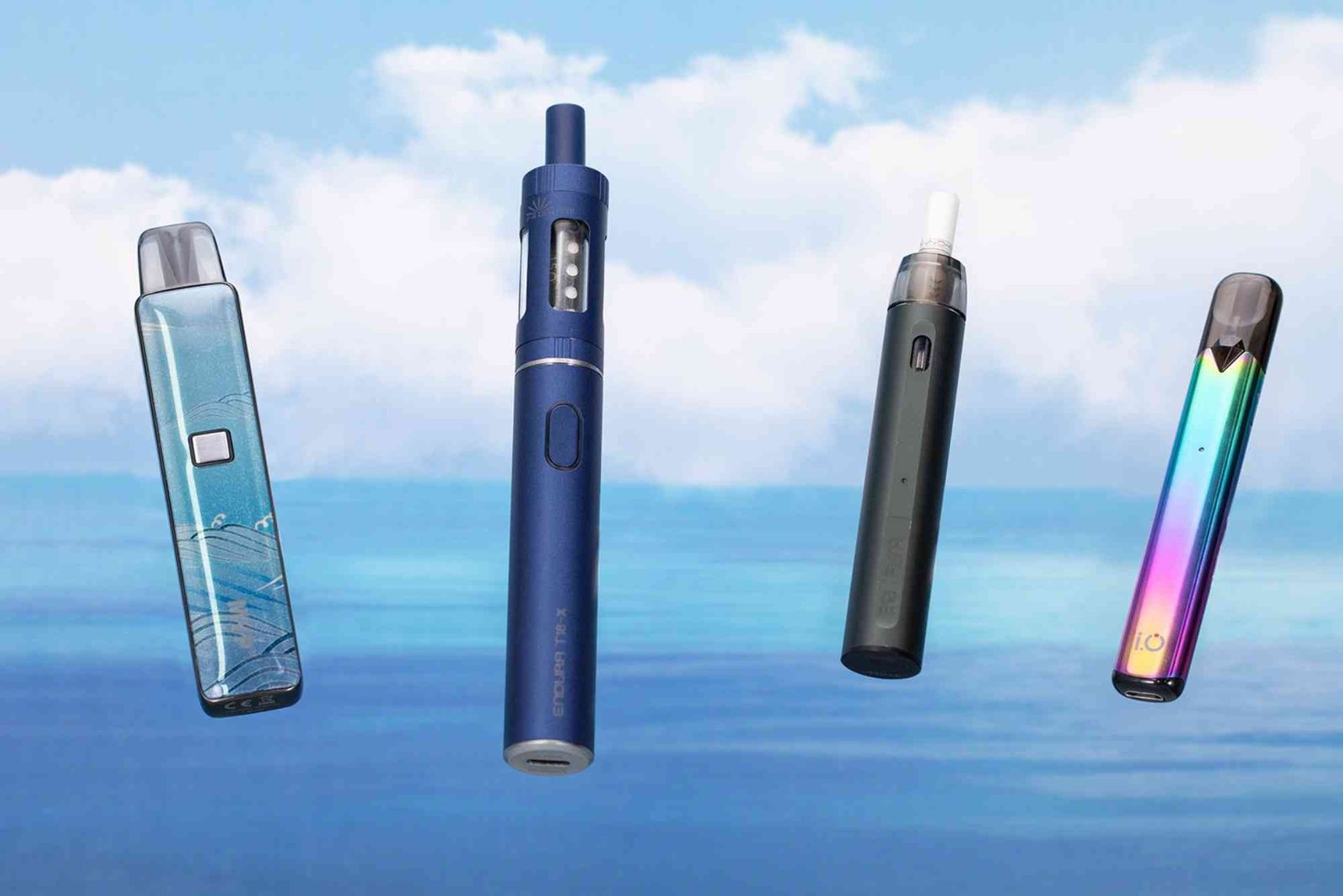
The type of vaping device affects nicotine absorption. Sub-ohm devices produce more vapor and usually require lower nicotine strengths (3-6 mg/mL). Pod systems and cigalikes use less power, delivering nicotine more efficiently, so higher nicotine strengths (20-50 mg/mL nicotine salts) are typical.
Pay Attention to Your Body
Listen to how your body responds. If you feel dizzy, nauseous, or get a sore throat, your nicotine level may be too high. Conversely, if you constantly feel unsatisfied or crave more, you might need a stronger nicotine level.
Effects of Different Nicotine Strengths
Nicotine affects both your brain and body. It releases dopamine, which creates feelings of pleasure and reward. However, nicotine is addictive and can impact heart rate and blood pressure.
- Low nicotine strengths (0-3 mg/mL): Suitable for flavor lovers or those who want to reduce nicotine intake. These strengths provide minimal nicotine effects.
- Medium strengths (6-12 mg/mL): Offer a balanced experience, satisfying mild cravings while delivering a noticeable throat hit.
- High strengths (18 mg/mL and above): Provide strong nicotine delivery for heavy smokers switching to vaping. Usually found in nicotine salt e-liquids for smoothness.
Common Myths About Nicotine Strength
Myth: Higher Nicotine Means More Harm
Nicotine itself is addictive but not the primary cause of smoking-related diseases. The harm comes from the tar and chemicals in burned tobacco. Vaping with the right nicotine strength can help smokers quit or reduce harm.
Myth: Nicotine Strength Is the Only Factor That Matters
Vaping experience depends on many factors—device type, puffing style, PG/VG ratio, and nicotine strength all influence satisfaction.
How to Reduce Nicotine Over Time
Many vapers aim to reduce their nicotine intake gradually. Start with a nicotine level that satisfies cravings, then slowly move to lower strengths over weeks or months. This approach helps to manage withdrawal symptoms and eventually enjoy vaping without nicotine.
Signs You Need to Adjust Your Nicotine Strength
If you experience:
- Dizziness or nausea — your nicotine is too high.
- Constant cravings or frustration — nicotine is too low.
- Sore throat or cough — consider lowering nicotine or switching to nicotine salts.
- Lack of satisfaction — try a slightly higher strength.
Adjusting nicotine strength is normal and part of the vaping journey.
Understanding nicotine strengths is vital for anyone looking to start or optimize their vaping experience. This nicotine strength guide equips you with the knowledge to choose the right nicotine level, avoid side effects, and enjoy vaping safely. Remember, the best nicotine strength is the one that satisfies your cravings without causing discomfort.
If you’re ready to explore vaping or adjust your nicotine levels, start by assessing your smoking habits and device type. Adjust gradually and listen to your body’s signals. Vaping can be a helpful tool in reducing or quitting smoking when used responsibly.
FAQ
What nicotine strength is best for beginners?
Beginners typically start with 6-12 mg/mL nicotine strength. If using pod systems, higher nicotine salt levels (20-35 mg/mL) might be better.
Can I vape without nicotine?
Yes, many vapers use 0 mg/mL nicotine e-liquids for flavor without any nicotine effects.
How do nicotine salts differ from freebase nicotine?
Nicotine salts offer smoother hits at higher nicotine levels, making them ideal for low-power devices and those seeking strong nicotine satisfaction without throat irritation.
Is higher nicotine stronger or more harmful?
Higher nicotine provides a stronger hit but is not necessarily more harmful when vaping. Harm primarily comes from smoking tobacco, not nicotine itself.
How long does nicotine stay in your system?
Nicotine typically stays in your system for 1-3 days but can be detected in hair and urine for longer periods depending on usage.