
How to Educate Others About Vaping
Vaping has become one of the most debated topics in public health and youth culture. Whether you’re a parent, educator, health professional, or community leader, educating about vaping is essential. With misinformation circulating on social media and among peers, providing clear, evidence-based information can make a huge difference in how people perceive and engage with vaping.
Why Educating About Vaping Matters
Vaping is not just a trend; it’s a significant public health issue. Over the past decade, the use of e-cigarettes has risen dramatically, especially among teenagers and young adults. This shift in behavior has sparked concern among health authorities, schools, and families. Many young users mistakenly believe vaping is harmless or a safe alternative to smoking. However, research continues to reveal the short- and long-term health risks associated with vaping, including nicotine addiction, lung damage, and exposure to harmful chemicals.
Educating about vaping helps fill the gap between what people believe and what the science says. By increasing awareness, we empower individuals to make better choices. Informed decision-making leads to healthier communities, fewer addictions, and better outcomes for youth.
Understanding the Vaping Landscape
To educate effectively, it’s crucial to understand what vaping is and how it works. Vaping refers to the use of electronic nicotine delivery systems (ENDS), which heat a liquid—usually containing nicotine, flavorings, and other chemicals—into an aerosol that is inhaled. Devices vary from sleek USB-like models to larger customizable tanks.
Some people use vaping as a tool to quit smoking, and there is ongoing debate about its effectiveness in that context. However, the rise in recreational use among non-smokers and youth has overshadowed its potential benefits.
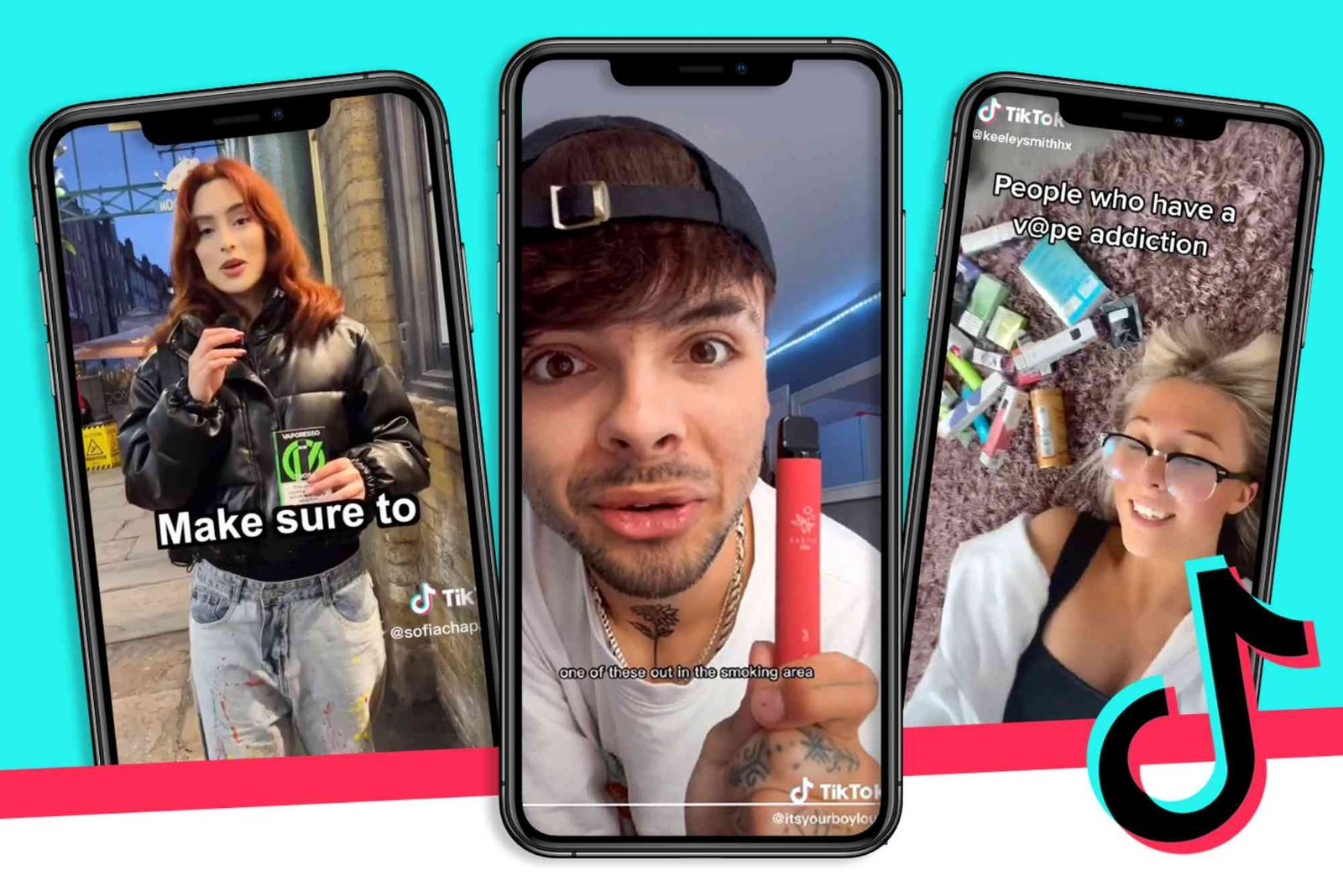
The vaping industry also invests heavily in marketing. Flavors like cotton candy, mango, and mint are particularly appealing to teenagers. Social media platforms, especially TikTok, Instagram, and Snapchat, have played a role in glamorizing vaping. Educators must navigate this digital influence while presenting the facts.

Strategies for Educating About Vaping
Start With Facts, Not Fear
One of the most common mistakes when educating about vaping is relying on scare tactics. While the risks are real, using exaggerated warnings can cause skepticism. Instead, focus on evidence-based data. Explain how nicotine affects brain development, how certain chemicals in vape aerosols are harmful, and how addiction can develop subtly over time.
Provide credible sources, such as the CDC, WHO, or peer-reviewed studies. When people see that the information is grounded in science, they’re more likely to trust and absorb it.
Know Your Audience
Different groups need different approaches. Teenagers respond to peer-related messaging. Parents need resources to spot signs of vaping and start open conversations. Healthcare professionals may benefit from technical updates and clinical guidelines. Tailor your message to resonate with each group’s needs, values, and concerns.
For example, when speaking to teens, highlight how vaping companies target them through flavors and marketing. Use stories from real people their age who have faced health problems due to vaping. For parents, offer practical tips for talking to their kids without judgment.
Incorporate Interactive Education
Lectures and brochures have their place, but interactive learning is more effective, especially for younger audiences. Use tools like quizzes, discussions, videos, and workshops to make the learning process engaging. Role-playing scenarios can help students practice saying no or discussing vaping with peers.
Digital platforms can also support interactive education. Educational apps, YouTube explainers, and even TikTok challenges centered around quitting vaping can reach audiences where they already spend time.
Partner With Schools and Communities
Schools are a vital setting for educating about vaping. Teachers, counselors, and school nurses are on the frontlines and often see the effects firsthand. Collaborating with schools ensures consistent messaging and creates a support system for students.
Community centers, religious organizations, and youth groups also offer opportunities for outreach. Hosting events, seminars, or town hall discussions can raise awareness and strengthen communal efforts to combat misinformation.
Encourage Open Dialogue
People are more willing to listen when they feel heard. Avoid judgmental language. Ask open-ended questions like, “What do you know about vaping?” or “Have you or your friends ever tried it?” Listen actively and provide space for honest discussion.
This approach builds trust and creates a safe environment for learning. It also helps identify myths that need to be addressed. If someone believes vaping is just flavored water vapor, you can gently correct the misconception by explaining the actual contents of vape juice.
Address Mental Health and Peer Pressure
Many teens vape to cope with stress, anxiety, or depression. Others do it because their friends are doing it. Education should include discussions on mental health, coping mechanisms, and how to resist peer pressure.
Introduce resources like school counselors, hotlines, or mindfulness practices that can replace the need for vaping. Empower youth with tools that promote resilience and self-esteem.
Highlight the Financial Cost
While health risks are a major concern, the financial aspect can also be a persuasive angle. Vaping is expensive. From buying devices to replacing pods or coils, the cost can quickly add up. Show real-life examples of how much money someone could save by avoiding vaping.
For teenagers, this might mean having more money for hobbies, savings, or social activities. Making the issue relatable to their everyday life strengthens the message.
Challenges in Educating About Vaping
Even with the right strategies, educating about vaping comes with challenges. Social media glamorization, peer influence, and misinformation can undermine your efforts. Additionally, some people may already be addicted and unwilling to listen.
Consistency is key. Ongoing education, follow-up discussions, and support networks can gradually shift attitudes. It’s also essential to involve role models—like older students, celebrities, or athletes—who can influence public perception.
The ever-changing landscape of vaping devices and trends means educators must stay informed. Continuous learning and adaptability are necessary to provide relevant, accurate information.
Measuring the Impact of Education
To know whether your educational efforts are working, set clear goals and measure outcomes. Surveys, feedback forms, or follow-up discussions can help assess changes in knowledge, attitudes, and behaviors.
In schools, reductions in reported vaping incidents or increases in participation in wellness programs can signal success. In communities, engagement levels at educational events or increased inquiries about quitting support can reflect progress.
Empower Others With Knowledge
Educating about vaping is not a one-time event—it’s an ongoing process that requires patience, empathy, and clarity. Whether you’re a parent concerned about your teen, a teacher guiding students, or a health advocate promoting wellness, your efforts matter.
When people understand the risks, the science, and the social influences behind vaping, they’re better equipped to make informed choices. Let’s create a culture where truth outshines trend and health outweighs hype.
Start the conversation today. Share this guide with others, join local awareness efforts, and help spread factual information about vaping. Every conversation counts.
FAQs
What is the best way to talk to teens about vaping?
The best way is to use open-ended, non-judgmental conversations. Ask what they know, listen actively, and provide accurate information about health risks and peer pressure.
Why do teenagers start vaping?
Many teens start vaping due to curiosity, peer pressure, or the appealing flavors. Some also believe it’s safer than smoking or use it to cope with stress or anxiety.
How can schools help educate students about vaping?
Schools can integrate vaping education into health curricula, organize awareness campaigns, and train staff to recognize signs of use and support students.
Is vaping really safer than smoking?
While vaping may expose users to fewer harmful chemicals than traditional cigarettes, it’s not risk-free. It still contains addictive nicotine and other toxic substances.
Can vaping lead to smoking later in life?
Yes, studies suggest that teens who vape are more likely to start smoking cigarettes later, especially if they become addicted to nicotine.
By making education about vaping a priority, we can reduce harm, counter misinformation, and build a healthier, better-informed society.